

A pilot for micro-apartments in Manhattan that waives current zoning rules for one building would alter the development arena for the city if allowed on a wide scale.
The issue has come up due to a lack of affordable studio apartments for singles and because some New Yorkers are already living illegally in spaces tinier than 100 square feet.
Some residents in other mega cities, including London and Tokyo, have been cramming into nooks for years—such as a 62-square-foot former cupboard in London that was reported by media back in 2005.
In Seattle, some buildings have micro-apartments that average 170 square feet. A proposed amendment to San Francisco’s building code would allow 150-square-foot living spaces, plus a kitchen and bathroom, which brings it up to 220, according to Scott Wiener, a member of the San Francisco Board of Supervisors.
A New York Contest
A pilot program in New York City adAPT NYC proposes having zoning regulations waved for micro-apartments of 250 to 350 square feet in one building.
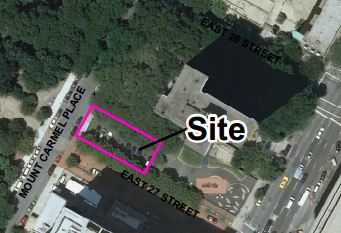
About three weeks ago, on July 9, the city announced that the winning applicant will design a new building, which will include micro apartments, at 335 E. 27th St., in Manhattan’s Kips Bay area. At least 75 percent of the apartments must be 350 square feet or smaller, said officials.
An information session for the adAPT project attracted a large turnout at AIA’s Center for Architecture in NoHo on July 31 where Johanna Greenbaum, counsel and deputy chief of staff for the mayor’s office, and staff from three other agencies answered questions for the community.
Both the main room and the overlooking upper room were overflowing, with many people standing. A third room with a live stream was set up to accommodate overflow. Another feed was streamed online.
“The response to this competition [adAPT NYC] has been really overwhelming,” said Greenbaum. “The RFP [request for proposal] has been downloaded over 1,300 times in cities all over world, including Copenhagen, Lima, Montreal, Taipei, Trinidad, Zurich, and our very own Staten Island.”
After listening to government officials answer questions about adAPT, French designer Lionel Scharly, who has offices in Paris and New York, said he’s already designed similar projects in Paris as small as 322.9 square feet.
Scharly also designs furniture for luxury hotels, but said he enjoys the challenge of designing small spaces.
“The shape is very important, because if you have different shapes you can have different functions,” he said. “A chair can be a coffee table and a coffee table can be a footrest.”
Though the agencies are only looking at one location for the moment, the winning team could get a chance to make history. “If this building is successful, and if we can execute certain legislative changes, this is a model that we’d like to use in New York City,” said Greenbaum.
The adAPT team is asking respondents to make suggestions for regulatory changes as well.
 Friends Read Free
Copy
Facebook
Tweet
Friends Read Free
Copy
Facebook
Tweet