
This article is the second of a three part series on counterfeit goods in Canada.
TORONTO—Toronto’s Pacific Mall has a reputation for having stores selling counterfeit goods. Police have carried out raids there, shutting down stores selling pirated DVDs.
Other stores in the mall sell counterfeit items labelled with designer names they can’t rightfully claim.
Counterfeit is a growing problem for the RCMP, complicated by the restricted powers of Canada’s border agents and what some call lenient laws.
The Epoch Times went to Pacific Mall to see what cheap and questionable products were on hand, but was chased off by an angry store owner while trying to photograph some of his wares.
“No pictures!” he yelled. Then he called mall security though no photos were taken.
His booth, which had no sign, wasn’t selling any obvious counterfeits, but some items were pirating the branding of established products, such as a coin purse with pictures of Ferrero Rocher chocolates that were named “Roger Ferris.”
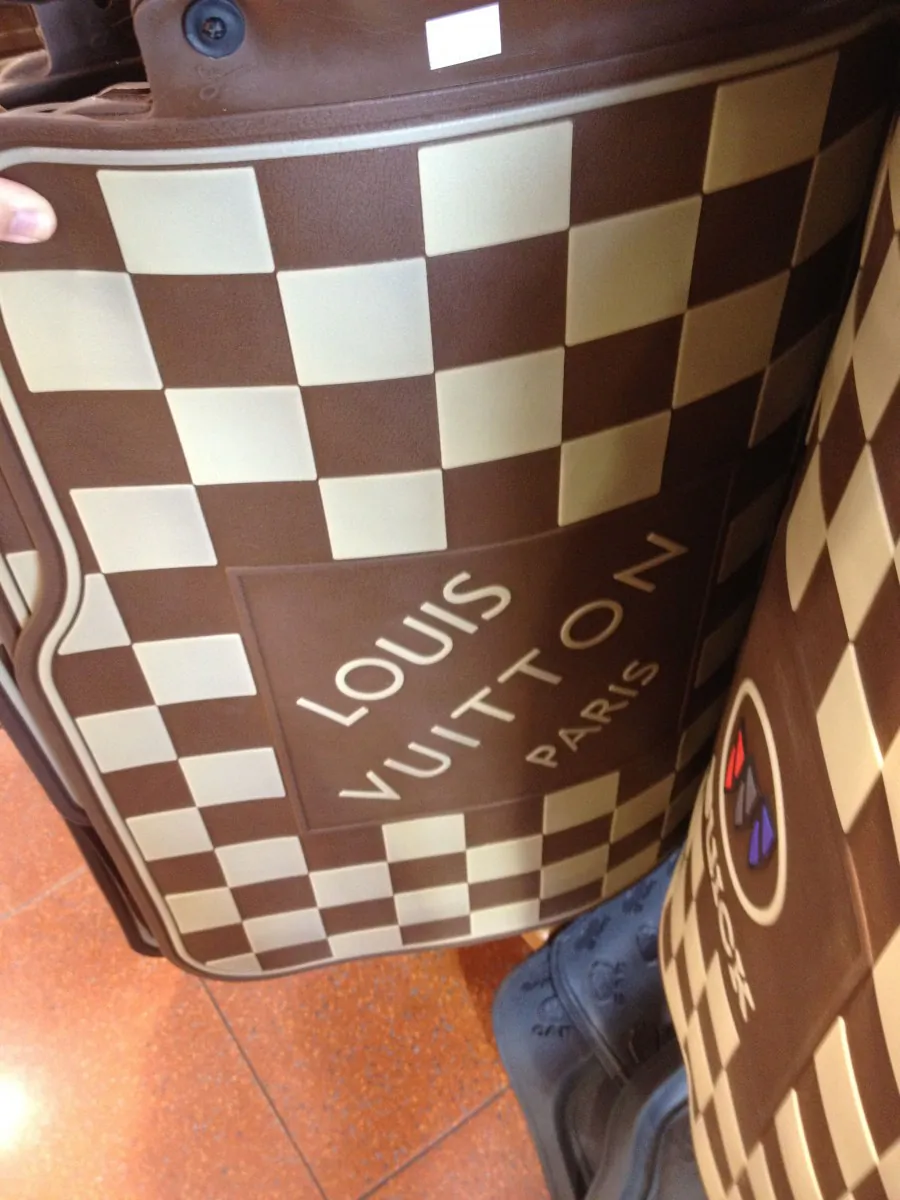
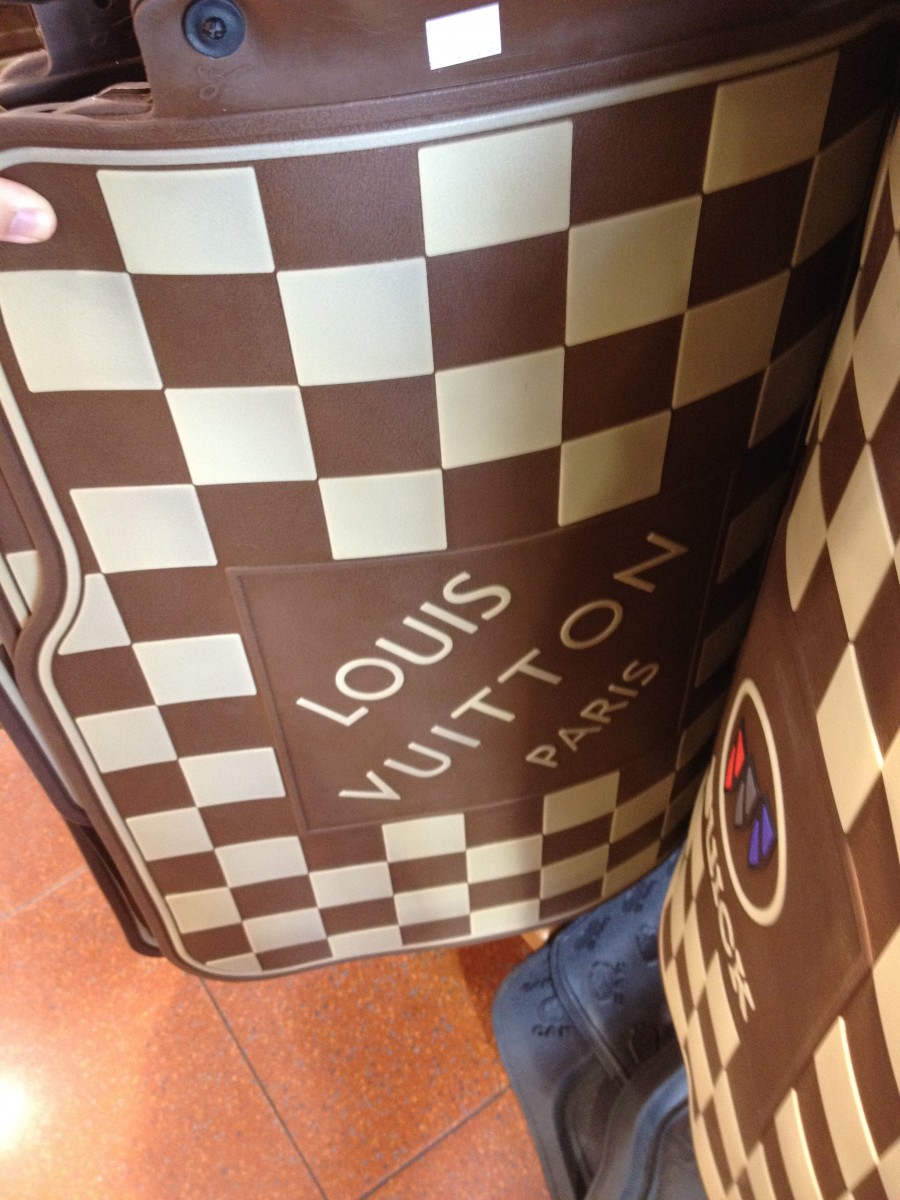
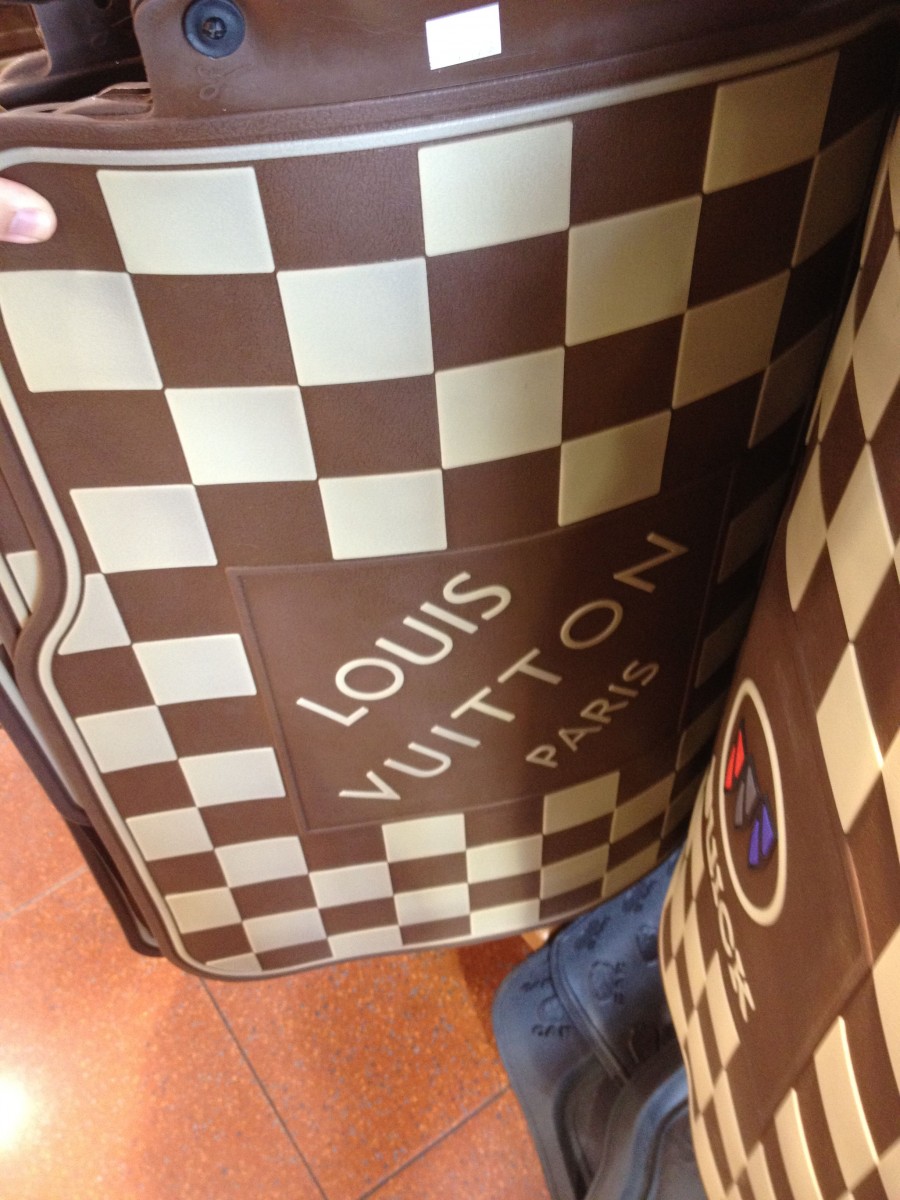
Some stores, however, had obvious counterfeit products, like $60 “Louis Vuitton” car mats. A customer representative from Louis Vuitton later told the Epoch Times, “That would not be a Louis Vuitton creation.”
While most stores seem to be selling genuine goods, it’s hard to tell, as counterfeiters have grown adept at imitation.
According to the Global Intellectual Property Centre, a Feb. 2011 Frontier Economics study estimated that counterfeit and piracy are worth US$650 billion a year worldwide.
The RCMP says seizures have increased from 2010 to 2011. It also estimates that the cases of IP crime it investigated represent only a fraction of the total number in Canada.
Chris Gray, director of the Canadian Intellectual Property Council at the Canadian Chamber of Commerce, says “more and more counterfeit goods are flowing into Canada because we don’t have the resources or the legislative authority to do more to stop it.”
According to the RCMP, “Since counterfeiters spend no money on research and development, marketing, taxes, or quality control, they operate with huge profit margins and can therefore offer their goods at what appear to be bargain prices.”
Funding Organized Crime, Eroding the Tax Base
More serious, perhaps, is where the proceeds of counterfeit crime end up.
Lorne Lipkus, a lawyer and the chair of the Canadian Anti-Counterfeiting Network’s Education and Training Committee, says the overseas factories that manufacture counterfeit are usually “illegal businesses very often controlled or run by organized crime.”
He has found cases of counterfeit product companies using their profit to fund terrorist organizations like Hezbollah or al-Qaeda.
Gray warns that when consumers buy counterfeit, 90 percent of the time the money is going to fund criminal activity.
Gangs are often involved in counterfeit because of the relatively minor penalties, he says. While drug dealers who are caught often face jail time, counterfeiters get a “slap on the wrist, maybe a $10,000 fine, and [are] back in business the next day.”
Governments also lose out on significant tax revenues, he notes.
Counterfeit Hurts Creators and Vendors
Lipkus believes that educating consumers is important, because the average person doesn’t give much thought to the issue of buying pirated and counterfeit goods.
But without IP protection, there would be no incentive to create and innovate, he says, adding that some people probably decide not to go into certain industries due to the proliferation of counterfeit.
Dan Ariely, professor of behavioural economics at Duke University and the author of “The (Honest) Truth about Dishonesty,” says many consumers do not understand that IP has “a high fixed cost but low marginal cost.”
Because IP is something created once and reusing it doesn’t cost much, people do not see the marginal cost and thus have an easier time violating IP rights than, for instance, stealing a bag, Ariely says.
Corporal Judith Falbo from the Kitchener detachment of the RCMP stresses that IP projects still require a huge monetary investment, even if the cost is invisible to consumers.
Video games, for instance, requires years and a lot of money to create. When someone else steals it and sells it, the creator’s profit takes a hit. “That money can’t go back into creating more jobs and more games,” she says.
Sellers of legitimate products who pay taxes and pay their employees decent wages often go out of business because they cannot compete with the cheap counterfeits, Falbo adds.
Stiffer Penalties Needed
According to the RCMP website, the maximum penalties for manufacturing, importing, or distributing counterfeit is $1 million and five years in prison.
However, maximum penalties are rarely applied, Lipkus says. Judges often give minimum penalties that are “not a deterrent” to most criminals, some of whom still turn out profits after receiving court punishments.
Laws have made it “so difficult for rights holders to go after people that are criminals,” he says. He recommends raising the minimum penalties to deter counterfeiters and give rights holders more to gain in court.
Another issue, he says, is that Canadian border agents do not have the right to seize and destroy counterfeit.
The Canada Border Services Agency confirmed this in an email and said border agents contact the RCMP when they suspect counterfeit or pirated goods are crossing the border.
Lipkus and Gray want stiffer penalties for counterfeit importers and increased powers for border agents.
Falbo believes the key lies not in policy but with consumers—one of the best ways to stop counterfeit is if consumers stop buying it, she says.
How to Recognize Fakes
To identify counterfeit, Falbo asks consumers to examine the four Ps: price, packaging, the place where the product is sold, and the product itself.
Price should reflect the product’s value, the packaging should look appropriate, the product should be sold at a place where one would expect it, and the product should be of a proper quality.
She asks consumers to contact the rights holder should they notice something suspicious.
Lipkus recommends checking on the copyright holder’s website for information on counterfeit and getting a receipt with the purchase rather than trying to save a few dollars in tax. The receipt should have information such as store name, phone number, address, and email—and the customer should check to make sure those things are real.
Gray advises consumers to use their common sense. “If a deal is too good to be true, it probably is,” he says.
The Epoch Times publishes in 35 countries and in 19 languages. Subscribe to our e-newsletter.
 Friends Read Free
Copy
Facebook
Tweet
Friends Read Free
Copy
Facebook
Tweet