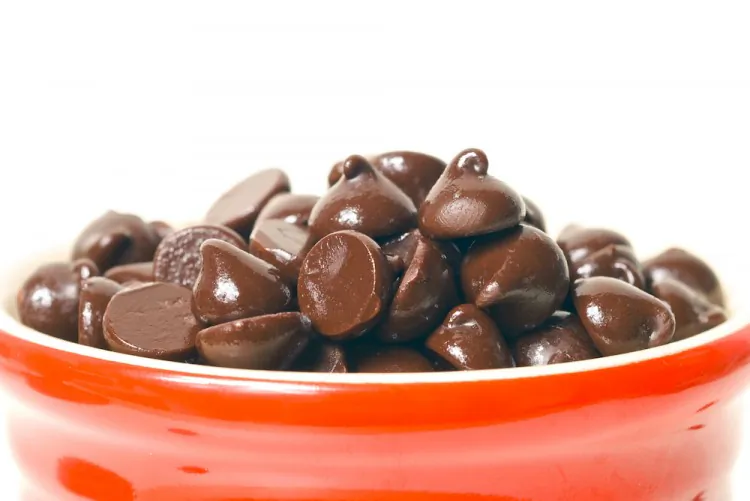

Consuming about one-third of a cup of chocolate per week may reduce the risk of stroke in men, according to new Swedish research.
Over 35,000 Swedish men aged between 49 and 75 took part in the study. They completed a questionnaire about their dietary habits, including how often they eat chocolate. This data was correlated with hospital records on first stroke cases, which revealed 1,995 incidences during 10 years.
“While other studies have looked at how chocolate may help cardiovascular health, this is the first of its kind study to find that chocolate may be beneficial for reducing stroke in men,” said study author Susanna C. Larsson at the Karolinska Institute, Stockholm, in a press release.
The men who ate the most chocolate—63 grams or about one-third of a cup of chocolate chips per week—had a 17 percent lower stroke risk than those who consumed no chocolate. This translates as 12 fewer strokes per 100,000 person-years, the total number of years each person was observed.
“The beneficial effect of chocolate consumption on stroke may be related to the flavonoids in chocolate,” Larsson said. “Flavonoids appear to be protective against cardiovascular disease through antioxidant, anti-clotting, and anti-inflammatory properties.”
“It’s also possible that flavonoids in chocolate may decrease blood concentrations of bad cholesterol and reduce blood pressure.”
A larger analysis of five studies that included 4,260 strokes showed a 19 percent lower risk for men who ate plenty of chocolate versus non-chocolate consumers.
The data showed that with every increase in chocolate consumption of 50 grams per week (about a quarter of a cup of chocolate chips), stroke risk decreased by about 14 percent.
“Interestingly, dark chocolate has previously been associated with heart health benefits, but about 90 percent of the chocolate intake in Sweden, including what was consumed during our study, is milk chocolate,” Larsson noted.
The findings were published online in the journal Neurology on Aug. 29.
The Epoch Times publishes in 35 countries and in 19 languages. Subscribe to our e-newsletter.
 Friends Read Free
Copy
Facebook
Tweet
Friends Read Free
Copy
Facebook
Tweet