
Many of the events that defined 2011 will not dissolve into history when the calendar turns the page. The events that were set in motion this year will continue to play out and shape the year to come. The Epoch Times recaps pivotal moments and movements around the globe that are sure to make the headlines again in 2012.
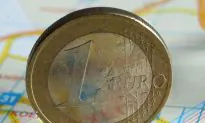
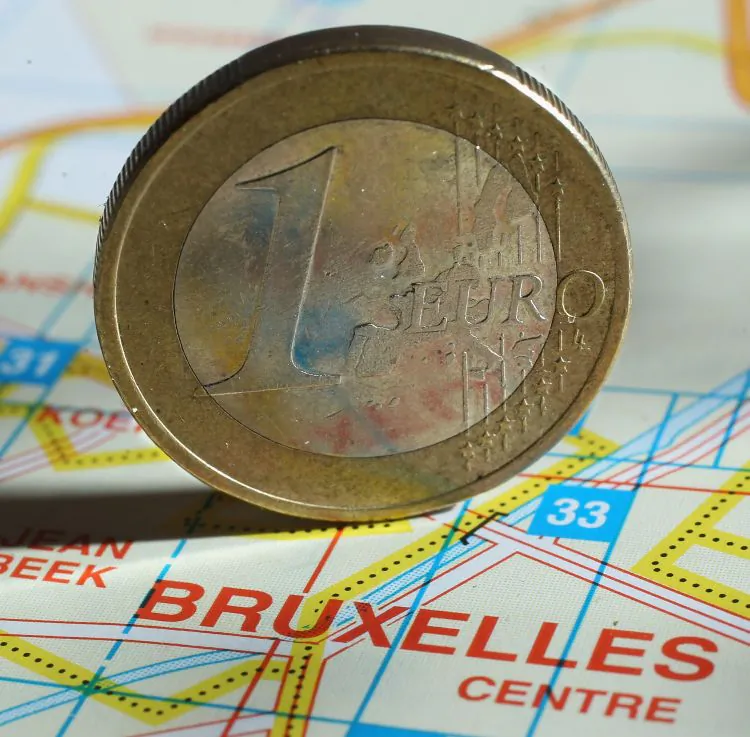
As we approach the 10th anniversary of the euro in 2012, the European currency is fighting for its survival.
The European Union is now divided over building a fiscal union to preserve the euro. A split has emerged with Britain standing on one side and Germany and France on the other. The continental European alliance has decided to move ahead with a separate treaty.
During a session in early December that lasted 10 hours, 23 of the 27 EU leaders agreed on implementing tighter integration, which would result in stricter budget rules for the single currency area. Britain opposed the proposed changes saying they could not accept changes to the EU Lisbon treaty.
Herman Van Rompuy, president of the European Council, said, “For the short term, we agreed on immediate action to overcome the current difficulties. For the longer term, we agreed on a new fiscal compact for the eurozone.”
Rumors are rife in Europe, however, that individual countries’ central banks have contingency plans to revert to their pre-euro currencies if the situation deteriorates.
A recent article in the Wall Street Journal speculated that certain central banks were evaluating securing additional access to printing presses, presumably in case the euro is disbanded or if Ireland and/or Greece are asked to leave the eurozone.
Greece and Ireland—both requiring bailouts that pushed the crisis along—have come under considerable pressure in 2011 to reform their government spending. The Irish Central Bank has denied that it is printing punts (pre-euro currency in Ireland).
Italy’s debt is currently the biggest threat with sovereign bond yields at dangerously high levels. In a Dec. 7 article for Morgan Stanley, Gerard Minack argues that Italy matters much more than a country like Greece, because while “Greece, by itself, could not undo the eurozone; Italy can.”
 Friends Read Free
Copy
Facebook
Tweet
Friends Read Free
Copy
Facebook
Tweet