



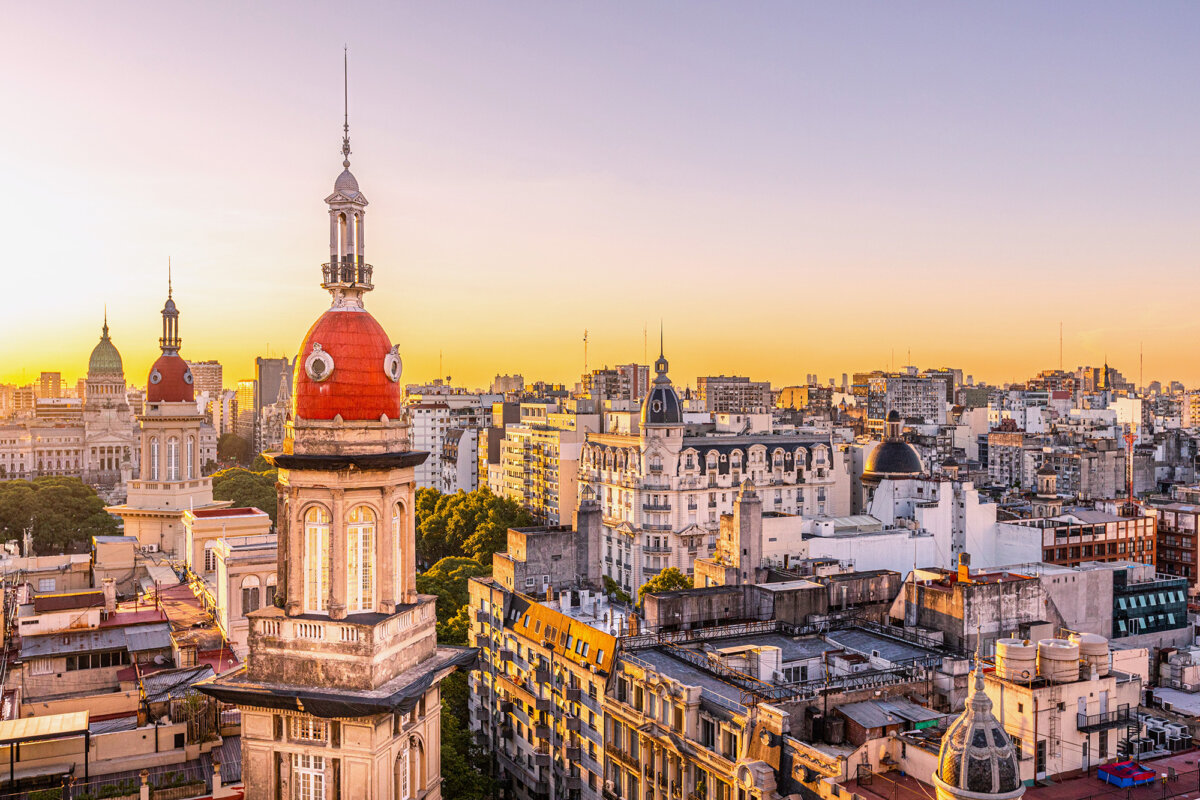
Buenos Aires is definitely a city known for South American sensory pleasures. Think: the passion of tango and the adrenaline-fueled excitement of a soccer match. Plus, there is the taste of a juicy steak, paired with a bold Malbec. In the evening, locals often party and don’t stop until the night is almost through. And of course, there is so much more.
A huge urban center with 15 million in the metro area, first-time visitors often anticipate feeling overwhelmed. They are intimidated by both the size and the pace. But that definitely doesn’t need to be the case, especially because the Argentine capital is actually many places, at once. It is a city of neighborhoods, from well-heeled Recoleta to glamorous Palermo Hollywood to proudly blue-collar La Boca. Each district puts forward its own distinct personality.
I’ve visited perhaps a dozen times, and don’t imagine I’ve even scratched the surface of everything that makes Buenos Aires so special. But over the course of navigating the ins and outs, I have learned a few important things to help make the most of any visit. Here’s my guide to getting the very most out of your trip to Buenos Aires.
Arrival
Ezeiza International Airport (EZE), formally called Ministro Pistarini International Airport, is by far the country’s busiest hub. Named for a former minister of public works, when it opened way back in 1949, EZE was the third-largest airport on Earth. Between 80 and 90 percent of international air traffic to Argentina lands on these runways.
Nonstops connect Buenos Aires with far-off places, including Addis Ababa, Dubai, Madrid, and Frankfurt. From North America, you can fly directly from several cities, including Miami, Houston, New York, and Atlanta. The airport sits about 14 miles southwest of the heart of the city, and ride-shares (like Uber) are an affordable and convenient option to get into town.
The National Passion
So, right off the top, let’s talk soccer (or as most people around the globe know it, football). I’m putting this first, in part because Argentina, just this past summer, came so close to repeating as back-to-back World Cup champions. They’ve won a total of three world titles. Plus, some of the finest athletes to play The Beautiful Game come from this country, including the recently retired Lionel Messi, who is perhaps the greatest of all time.
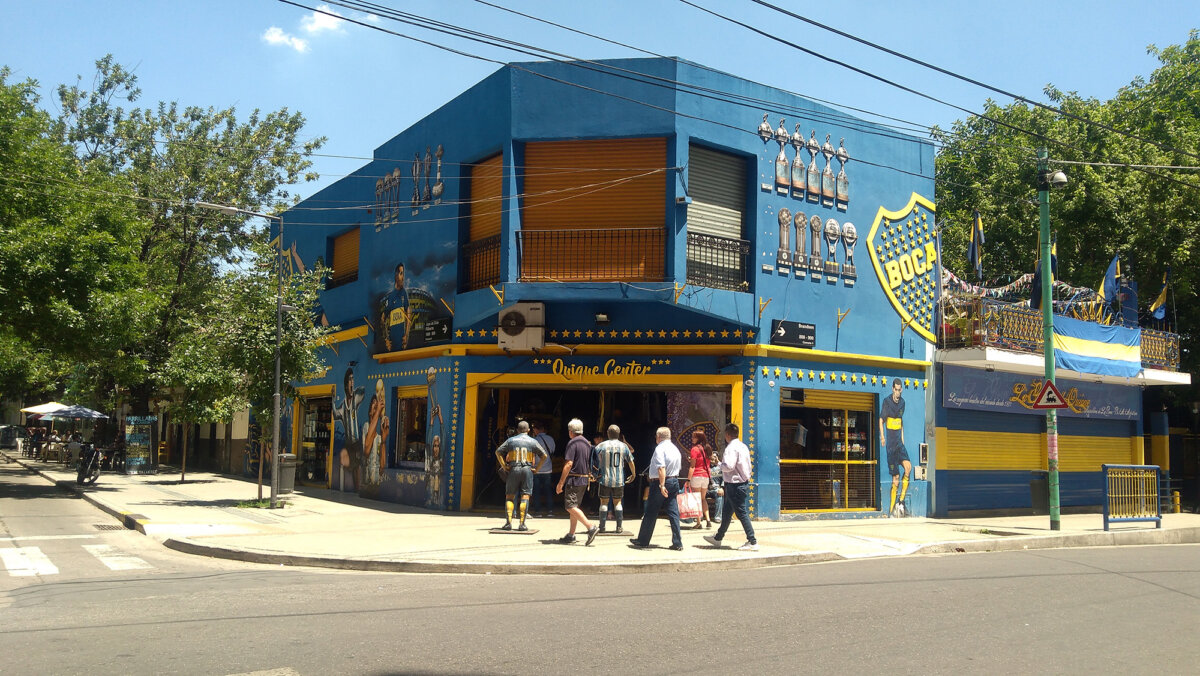
The other icon of Argentine football, Diego Maradona, first made his name the Buenos Aires team Argentinos Juniors before later playing for Club Atlético Boca Juniors (CABJ). (The late Maradona is one of just two players to be honored as FIFA’s Player of the Century.) The Juniors are still a mega-popular team, with a rather rabid fan base.
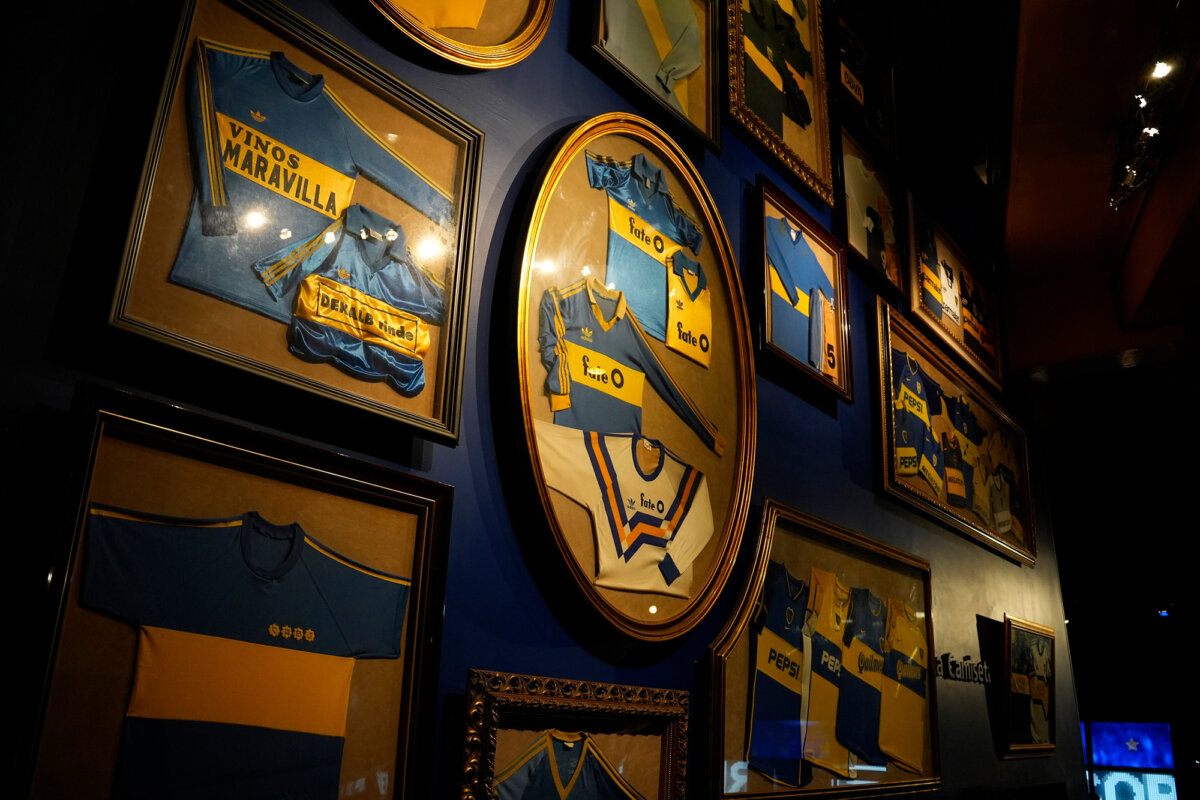
The best way to experience them and the national passion is at Museo de la Pasión Boquense. A guided tour here takes guests through the history of this storied club. It is located inside La Bombonera, CABJ’s home stadium, which sits right in the heart of frenzied La Boca, towering over the surrounding dense urban streets. (More on that below.) Bombonera actually means “chocolate box” in Spanish. Why does the stadium bear this name? Well, ask your guide on your visit, which includes a trip down to the grass pitch and an opportunity to pop into the locker rooms.
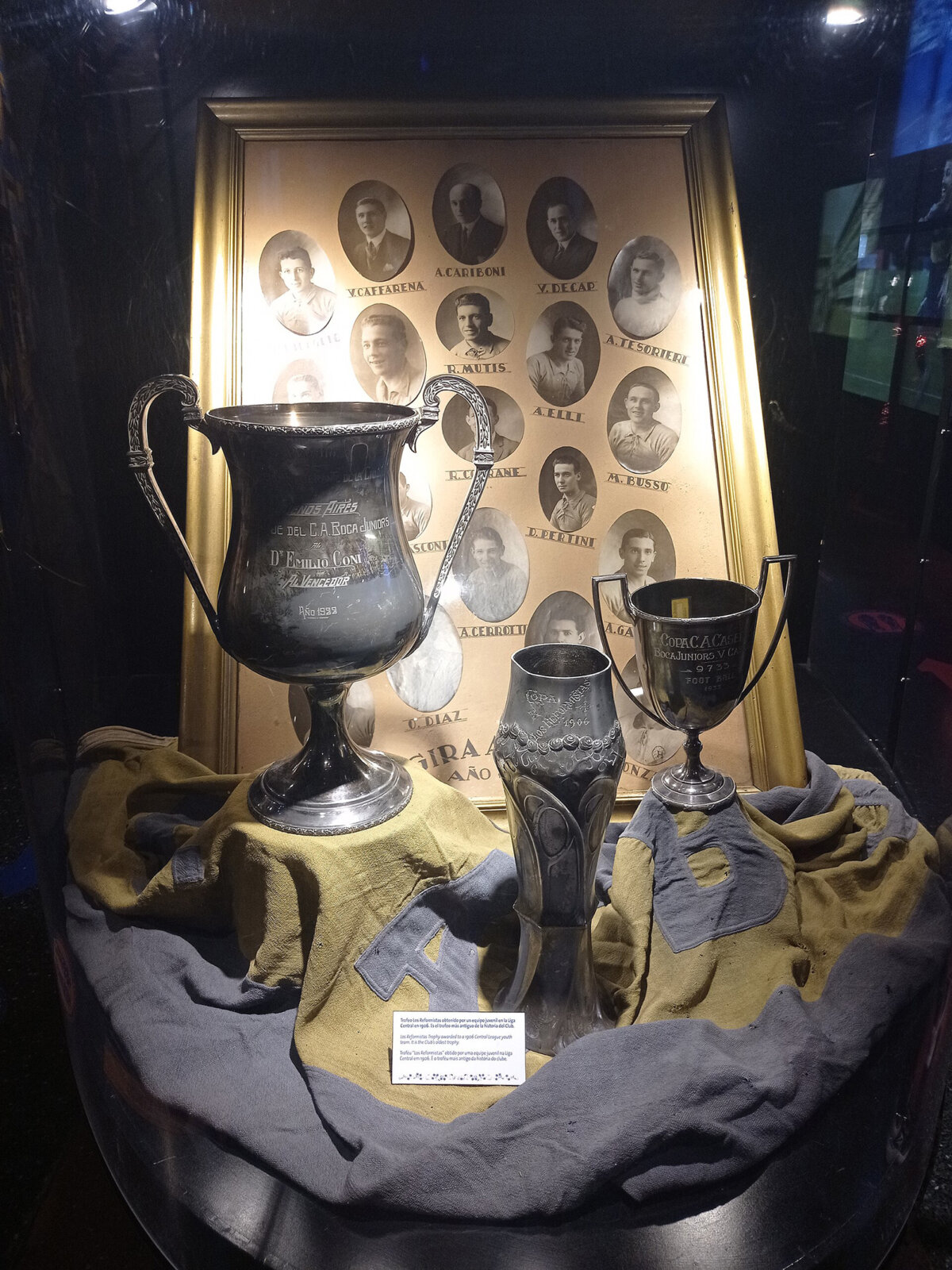
As for actually attending a match, that’s a little more complicated. Crowds can get heated and even violent. It’s best to hire a guide to come with you or attend with a local friend (if you happen to have one in town). They can help guide you through the nuances, from which colors to wear to the security checkpoints you’ll need to pass through before the contest begins.
A Note on Currency
It’s also important to address this topic near the top of the article. The Argentine peso (ARS) has been on a rollercoaster ride for many years. This means that the prices I’ve paid for pretty much everything I’ve purchased on my many trips, from hotel rooms to dinner, have varied wildly with each visit.
Up until a few years ago, the (just barely) underground “Blue Market” rewarded those who brought hard currency (especially U.S. dollars). Back then, if you used a credit card or even withdrew cash from an ATM, you’d pay much more in dollars, which were billed at the official rate. So instead, you’d find a somewhat sketchy guy with an oversized fanny pack, standing on the corner. And he would yell out, “Cambio Cambio Cambio!”
Approaching him, you would then be able to engage the seller and negotiate the exact rate. Once settled, he’d reach into that pack to hand you sheaves of banknotes.
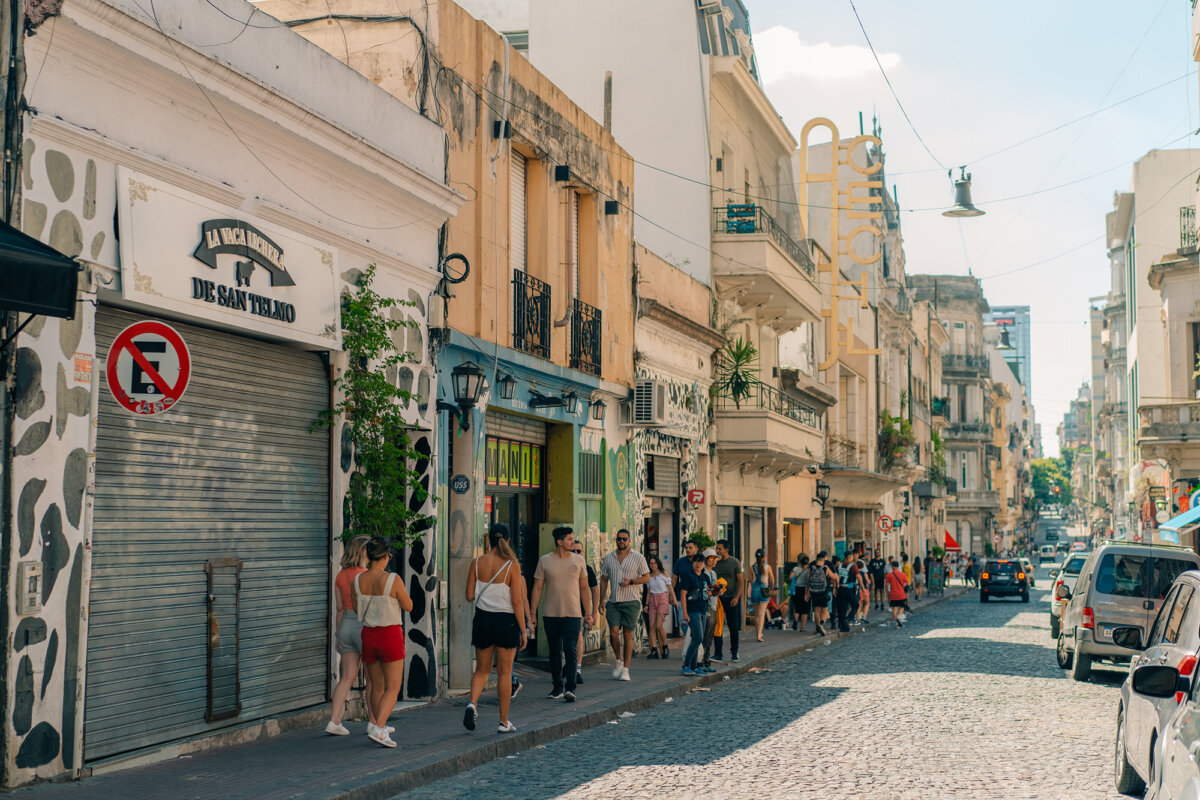
Today, using a foreign credit card will get you a very similar rate to the Blue Market, so there’s no need to bring large amounts of cash in your suitcase. The current exchange rate (as of press time) is about 1 U.S. dollar to 1,500 ARS. That may sound favorable, but it’s not (necessarily). In fact, high inflation has made things more expensive lately. Fortunately, most international hotels price their rooms in U.S. dollars, so at least on that important front, you’ll know exactly what you’re paying when you check in.
So Many Neighborhoods
I could write many articles—or even a book—about Buenos Aires’s many very different barrios (districts). I’ve visited hundreds of cities, and don’t think I’ve ever been to a place like this, where a mile or two can change your whole milieu. You can even plan a whole day, depending on your mood.
I’ll include just a handful of recommendations. During the day, La Boca, home to CABJ and La Bombonera, bustles with incredible energy. Certainly a bit raffish, it is thus not the best place to spend time in the evening or later at night.
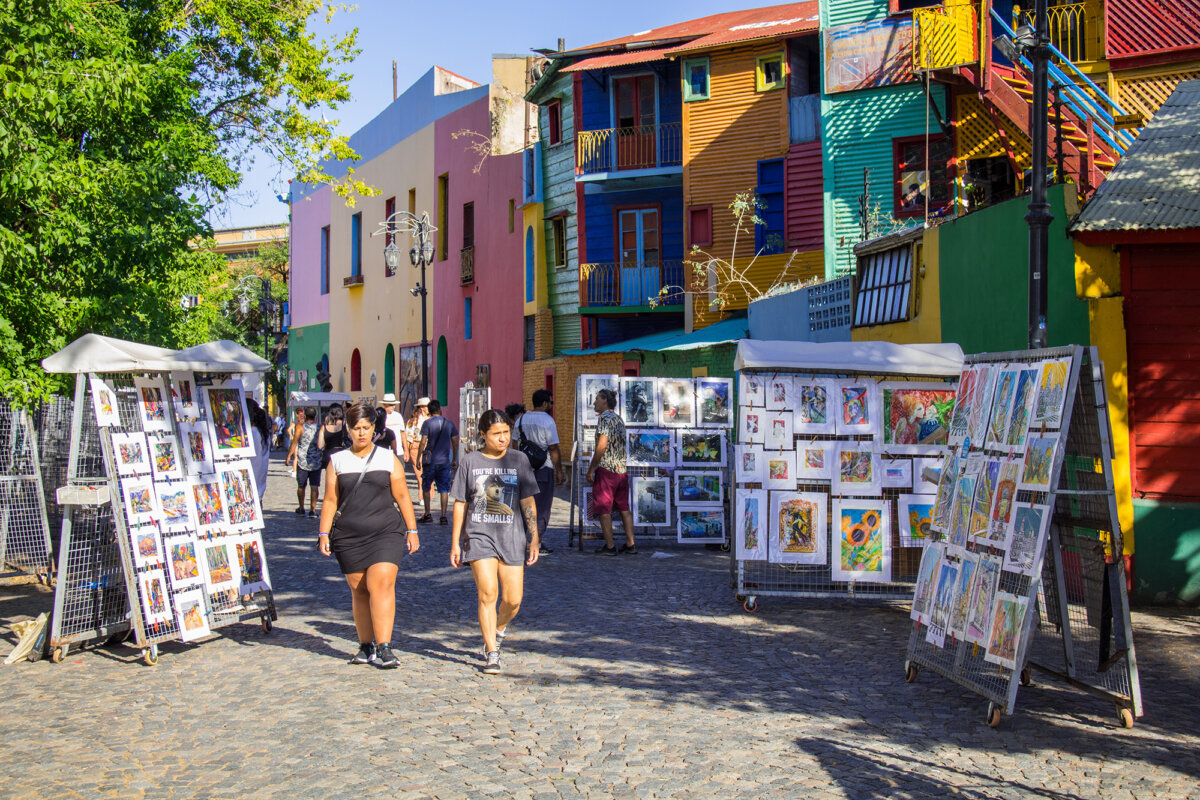
Its location next to the port has long made the area a melting pot. I love wandering past its rainbow-painted buildings and picking a random back lane filled with little stands staffed by artists selling their lovely paintings. (A perfect souvenir to take home.) For whatever reason, campy statues of two national heroes—Maradona and Pope Francis—are also ubiquitous.
And you shouldn’t leave without catching a tango show. This intense dance developed here in La Boca, and sidewalk cafes offer demonstrations for just the price of a beer or a Pepsi. Perhaps it can be paired with a little basket of empanadas, the city’s favorite food.
A couple of other very pleasant places to spend an afternoon include Puerto Madero and Recoleta. The former is the city’s main waterfront district, stretching out along the Río de la Plata. In the late 19th century, the harbor bustled with cargo ships, but the warehouses fell into decay in the 20th century, when a new port was built to accommodate larger vessels.
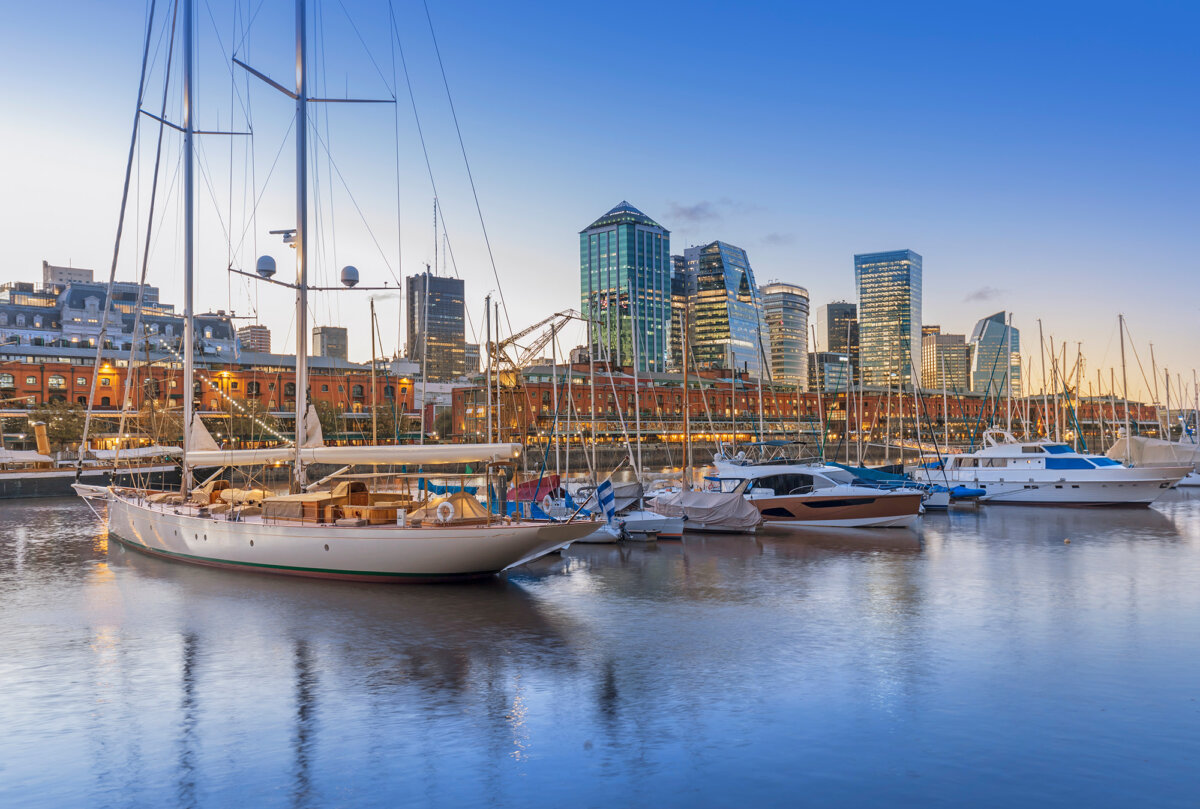
More recently, in just the past couple of decades, city planners undertook a massive renewal project. This attracted designers and architects from around the world. Glassy skyscrapers arose, and those old warehouses were converted into restaurants, museums, and upscale shops. Madero’s condos now attract the highest real estate values in town.
And when the hustle and bustle becomes a bit too much, head to Recoleta. Between the vaguely Parisian architecture and broad avenues shaded by spreading trees, it is Buenos Aires’s best spot for an afternoon stroll. The highlight is, ironically, its cemetery, 14 acres filled with more than 4,000 elevated vaults and mausoleums.
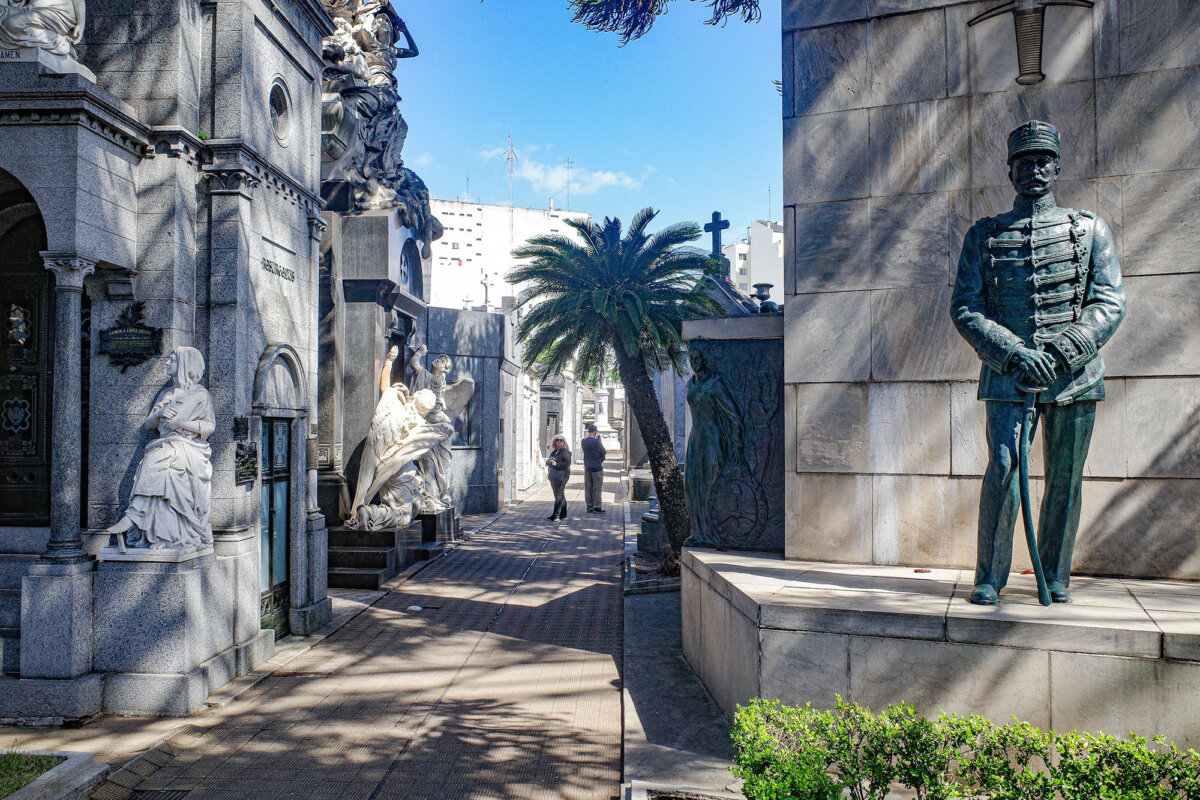
Some of the city’s most famous denizens are buried here, including the celebrated Eva Perón (Evita). A hot tip: The cemetery is very big and an absolute labyrinth, and booking a tour with a local company may be worthwhile.
One more: Palermo Hollywood. When the sun sets, this barrio heats up. The district took its name from the film and television studios in the area. It is a safe and super-fun place to spend an evening.
I always take a taxi or ride-share right to the heart of the barrio, then stroll until I find a pub or microbrewery that’s hopping with local customers. You can also find nightclubs that rock until the wee hours of the morning. (Not my scene, but it may be yours.)
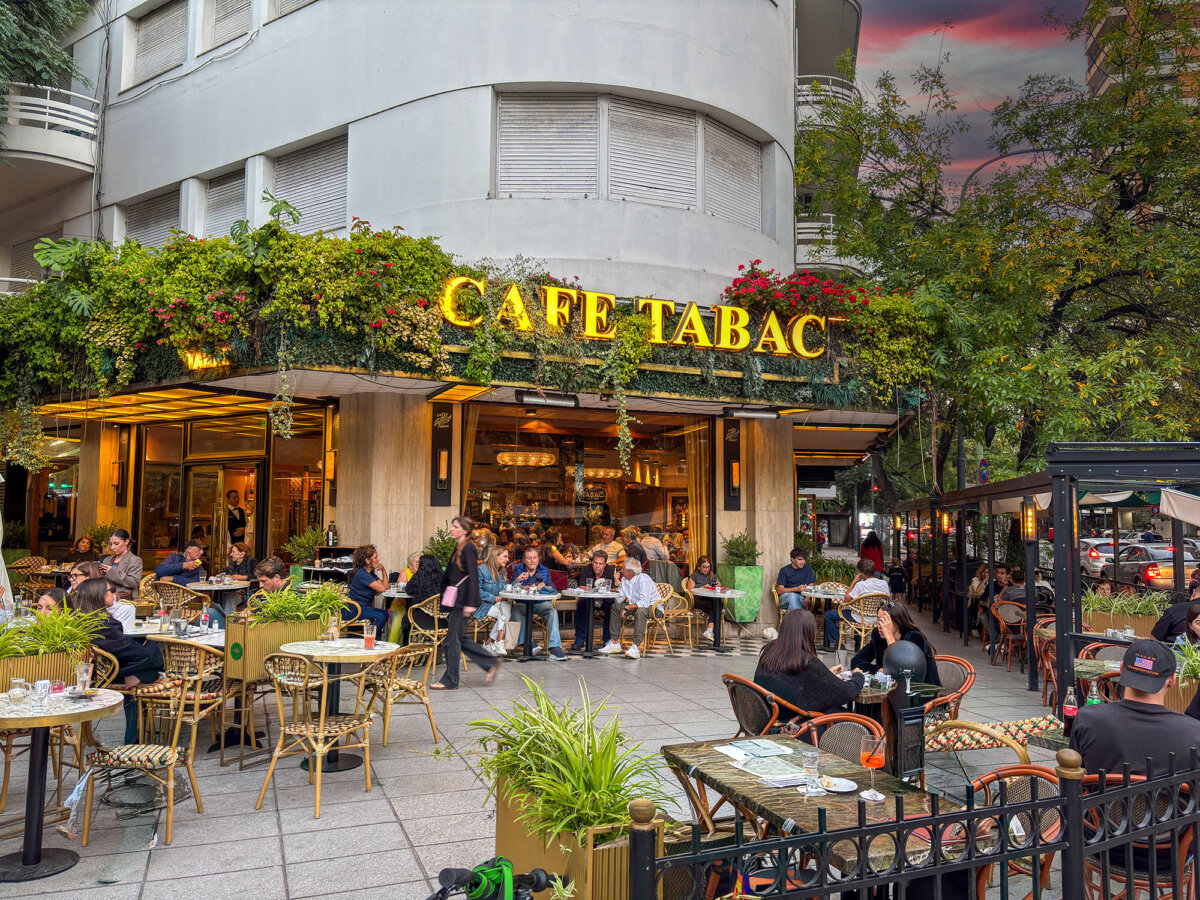
El Español
A quick note on language. While Argentines working in tourist-facing businesses (restaurant servers, hotel clerks) generally speak English, that’s not really the case for the population as a whole. So be prepared with a few friendly words in Spanish, and a translation app on your phone when you, say, jump into a taxi, or just wander a little further afield.
Meat-Lovers Paradise
There is no food that I love more than a really good steak, which is probably why my mouth waters every time I say “Buenos Aires.” Argentines also have an extreme zeal for grilled meats.
I once visited Buenos Aires while researching a culinary travel article and ate nothing but steak for lunch and dinner for five whole days. While I wouldn’t recommend taking it to that extent, if you’re a carnivore, you have so many options here. It feels like there’s a steakhouse on every block.
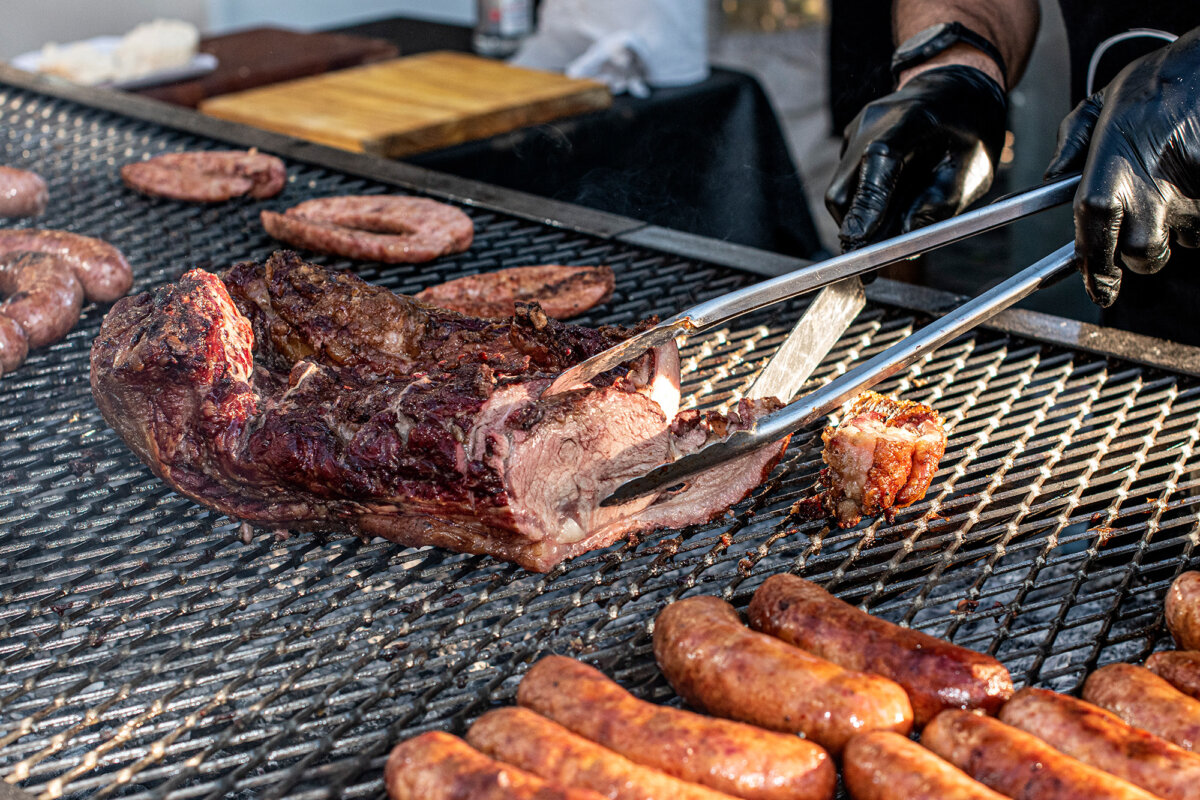
The key is the quality of the meat (according to some reports, Argentines eat more beef per capita than anyone else on earth). Plus, there is the preparation process. The heart of it all is the parilla, pronounced par-eesha. Chefs get the flames going on this wood-fired grill hours before service begins. Using a hand crank, they raise and lower it to the right level over the coals to ensure the steak is just the right temperature.
If you only have the time or inclination for one meaty dinner, head to Don Julio. This is, time and again, ranked among the best restaurants in Latin America and one of the finest steakhouses on earth. It’s always a joy to see the raw cuts in the open kitchen, chat with the staff, and pick your preferred steak.
Whether you go with a ribeye or a (surprisingly great) skirt steak, start things off with provoleta, a firm cheese, cooked right on the grill. It’s the perfect start to what promises to be an amazing dinner. This can be followed, perhaps, by a revitalizing stroll through the lights of Palermo Hollywood.
