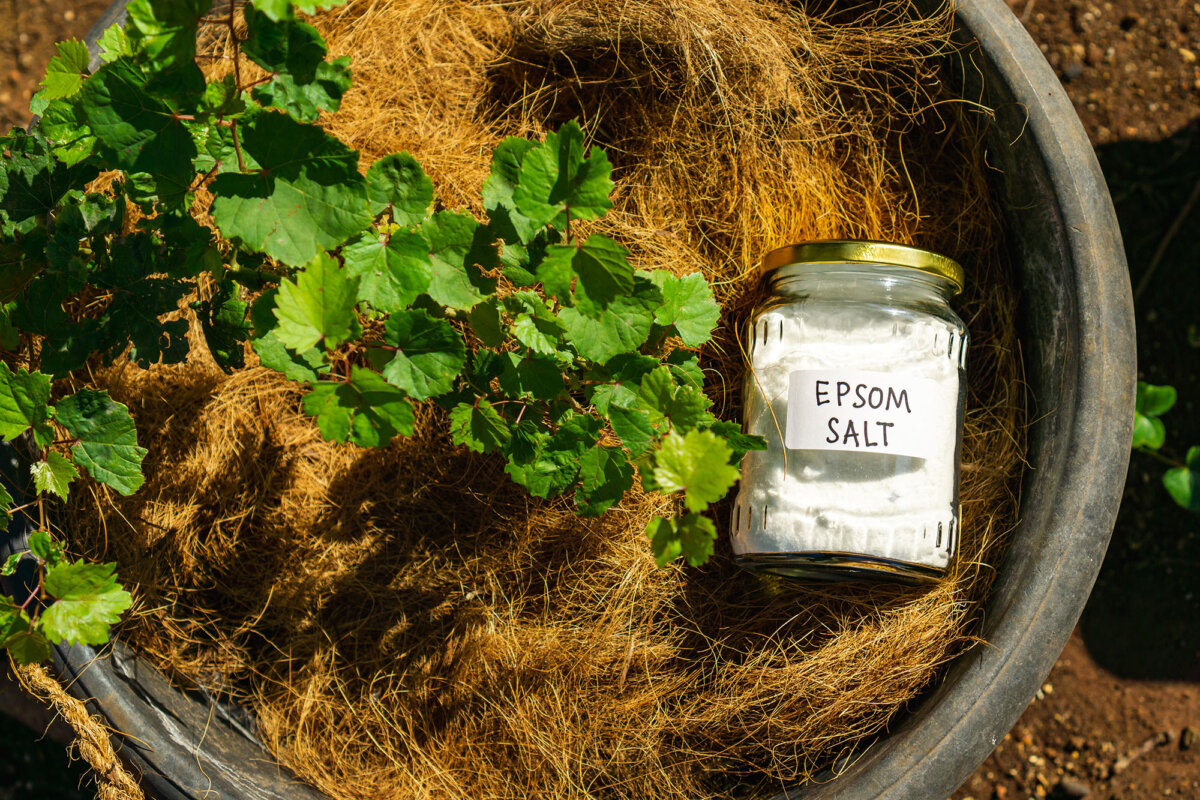
At one point, you may have soaked your tired feet in Epsom salt. But Epsom salt goes beyond the tub—you can take it to the garden as well. It’s a popular supplement in organic gardening.
Epsom salt, also called magnesium sulfate, has a unique chemical structure. Many plants yearn for these components to grow vibrant greenery and produce beautiful flowers. Here’s how to use Epsom salt in your garden and which plants will benefit from it.
Epsom Salt Is Uniquely Beneficial
Epsom salt was discovered in the well water of Epsom, England, in the early 17th century. It’s different from table salt. If you sprinkle table salt on your plants, you’ll kill them. But Epsom salt will act with other fertilizers to aid your plant’s growth. The key is to know which plants will benefit from it.
Epsom salt contains magnesium, oxygen, and sulfur. According to Cynthia Traxler, founder of the website Forged by Salt, one of Epsom salt’s main benefits in the garden is its ability to replenish soil that has a magnesium deficiency and help magnesium-hungry plants such as tomatoes and peppers flourish.
Traxler said that magnesium also plays a key role in photosynthesis.
“Epsom salt can also help plants grow stronger and produce more abundant blooms and fruit,” she said.
According to SaltWorks, the sulfate found in Epsom salt helps in the production of chlorophyll. It combines with the soil to make key ingredients such as nitrogen, phosphorus, and potassium more effective.
But Epsom salt isn’t an organic fertilizer.
“Some people confuse Epsom salt with being a fertilizer,” Traxler said. “It is only beneficial for naturally raising magnesium levels.”
Organic fertilizers contain more nutrients and are more effective than Epsom salt for fertilization purposes.
Signs Your Garden Lacks Magnesium
Your garden may be telling you that it needs magnesium. For example, according to Traxler, stunted growth or yellowing leaves are signs of a magnesium deficiency. She also noted that plants with very few blossoms or fruits that appear small or malnourished could also be deficient.
“That being said, other problems can cause similar signs, so the only way to know if your garden lacks magnesium is to have it tested,” Traxler said.
She warns that “if your soil is not deficient in magnesium, you can risk oversalination of the soil” by adding Epsom salt.
You can have your soil tested by your local university agricultural extension service. Most counties in the United States have one.
Plants That Like Epsom Salt
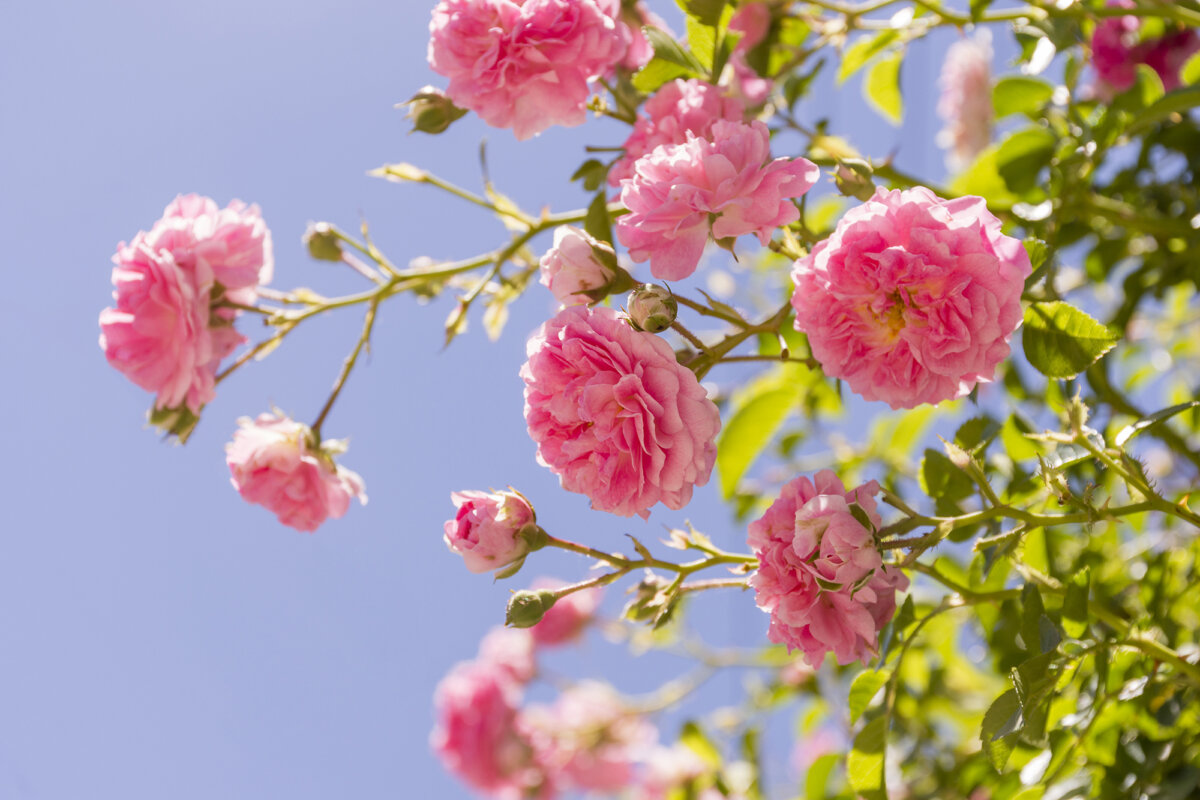
According to Traxler, roses, rhododendrons, hydrangeas, and magnolias are some of the flowers that love Epsom salt.
Tomatoes are hungry users of magnesium, especially in the later growing season. They’ll show yellow leaves and diminished production if they don’t have enough of it. Peppers are also prone to magnesium deficiencies. Epsom salt can be used effectively with both vegetables.
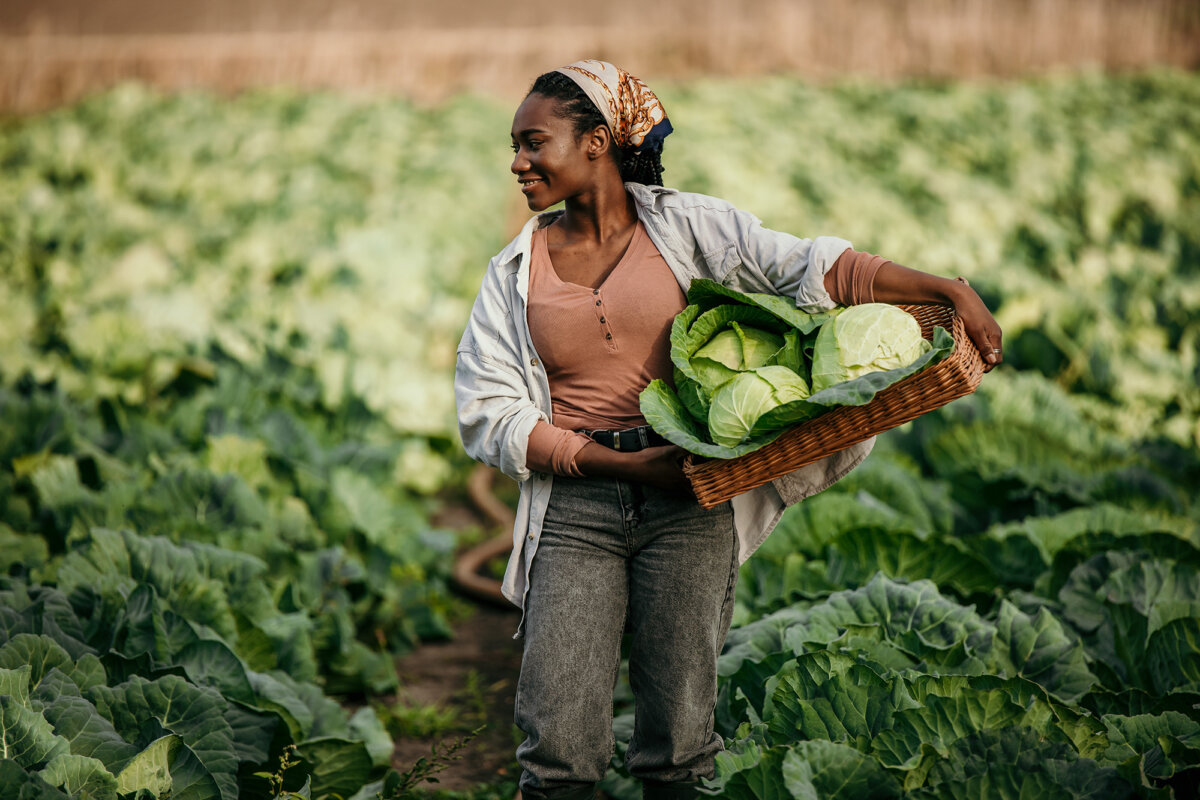
Other vegetables that love and need magnesium are cabbage, cauliflower, and broccoli.
Roses thrive when enriched with Epsom salt. According to The National Gardening Association, rosarians agree that treated roses produced darker foliage and more new canes at the base of the plant. Many saw an abundance of blooms.
Citrus trees can also benefit from Epsom salt. But it’s essential to test the soil beforehand, since overuse can cause toxicity and harm the tree.
How to Use Epsom Salt in the Garden
One of the best ways to apply Epsom salt is to mix it into the ground at the base of the plant.
“For individual plants, especially for tomatoes or pepper plants, you can sprinkle one tablespoon of Epsom salt around the base of the plant and water it in,” Traxler said.
Rose roots become stronger if they’re soaked in Epsom salt before planting. Combine half a cup of Epsom salt per gallon of water. After the roses are planted, work in one tablespoon of Epsom salt at the base of the plant. The rule of thumb is one tablespoon per foot of the plant’s height.
“For wider dispersal, you can just add two tablespoons per one gallon of water and apply throughout a garden bed,” Traxler said.
And although some people recommend a foliar spray with two tablespoons of Epsom salt per gallon, Traxler warns against it.
“Young plants or plants with tender leaves can be ‘burned’ by the process,” she said, “so I always choose to apply Epsom salt at the base of the plants that need magnesium.”
Plants That Don’t Like Epsom Salt
Some plants are not adapted to handle the concentrated magnesium amounts that Epsom salts provide.
Woody plants like pine trees don’t handle Epsom salt well. For example, according to Traxler, “oaks, maple, and evergreens do not tend to benefit from magnesium supplementation.”
Carnivorous plants such as pitcher plants, Venus flytraps, and sundews shouldn’t have Epsom salt. You should also avoid giving Epsom salt to indoor tropical plants. Always research before applying Epsom salt to a particular plant to determine its suitability.
A Tool in Your Garden Arsenal
Epsom salt can help you with magnesium-hungry plants such as tomatoes and peppers. Roses will also benefit. But applying it correctly is imperative. You don’t want to walk through the garden sprinkling Epsom salt all over your plants!