



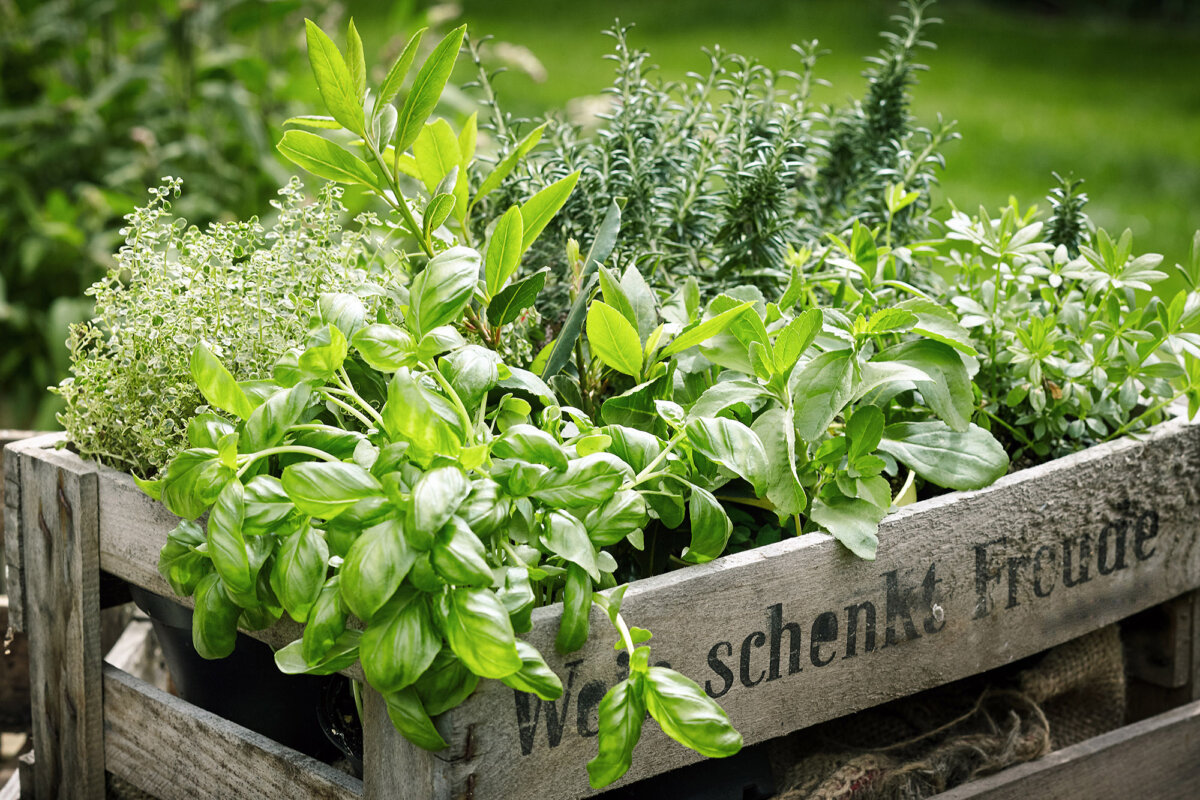
Herbs tend to fall into the low-effort, high-reward category, an exertion level that is ideal for the dog days of summer, when even the most enthusiastic gardener understands the temptation of air conditioning.
Most herbs are sun-lovers, and even in the “high-heat” category, there are plenty to choose from. Many are compact and grow well in a patio container or even in a flowerpot on an apartment balcony. And, of course, they’ll happily take over a garden bed and make great midsummer replacements for tomatoes, cucumbers, and other veggies that didn’t make it. Intrigued? Here’s the high-heat “greatest hits” list.
Best Basils
The staple of many Italian recipes, sweet basil tends to bolt (go to flowers/seed as it shifts from the growing stage to reproductive mode) as the mercury rises. If already growing in the garden, keep pinching back the flowers to help extend its life somewhat.
For the best summer results, opt for spicy-sweet, anise-like Thai basil, which gets its best flavor in elevated temperatures, or holy basil (aka sacred basil or tulsi), which is esteemed in India, where it is believed to purify and ward off misfortune and is used in religious ceremonies. Its peppery, clove-like taste, with a hint of lemon and mint, adds a spicy and slightly sweet undertone to any dish. Both are mildly drought-resistant and can be grown as perennials in frost-free zones.
Tropical Tarragon
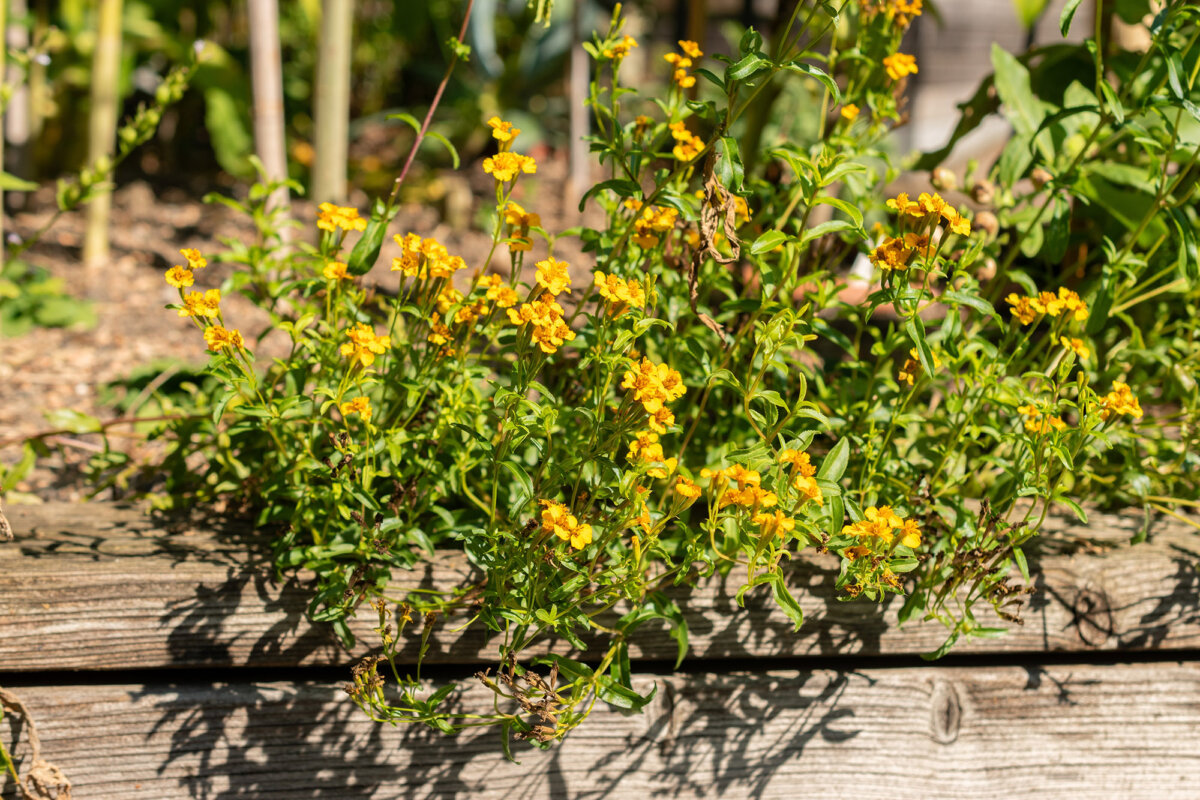
Offering a similar flavor to traditional French tarragon, Mexican tarragon is a proven winner when it comes to heat, drought (once established), and humidity. It is grown as an annual in cooler climates but year-round in Zones 8 to 11. An unexpected hard freeze will kill it to the ground, but there’s a good chance that it will come back in spring. It grows up to 30 inches high with an 18-inch spread, making it a beautiful landscaping plant filled with bright yellow flowers, or it can be kept small with regular harvesting on a patio or balcony.
Oregano Alternative
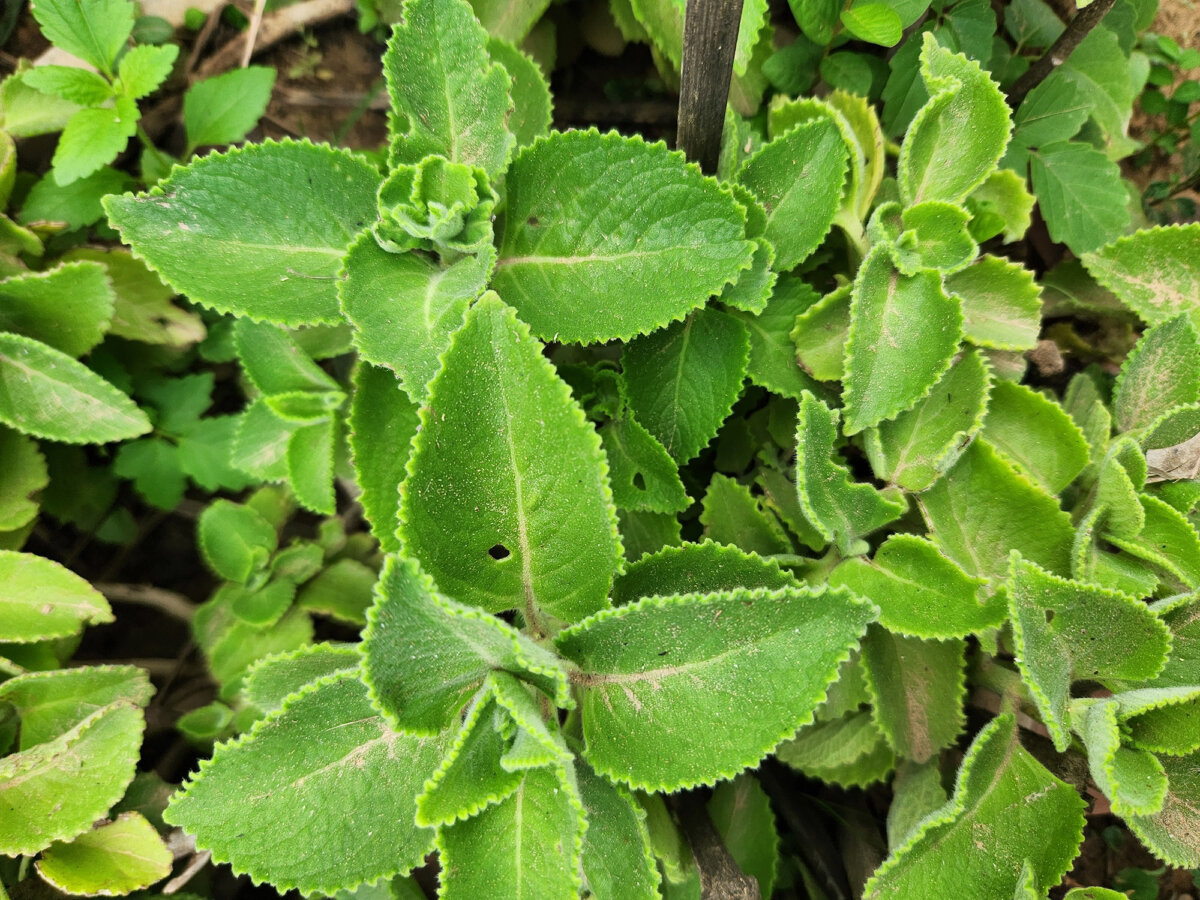
The wide, velvety leaves of Cuban oregano (aka Spanish thyme, Mexican mint, or broadleaf thyme) help it to retain water, making it highly drought-resistant. It has a flavor similar to Greek oregano, with an added hint of mint.
Available in solid green and variegated green/white varieties, it makes a pretty landscape plant that will grow in both full sun and semi-shade. As it grows to about 2 feet tall with a good spread, one plant may be all that a family needs, but if more are wanted, simply take a cutting and stick it in the ground. Water it every day for two weeks, and it will root. This also works for replacement plants when older ones get too woody. A perennial in Zones 9 to 11, it overwinters well in a container set in a sunny window in colder climates.
Culantro (No, That’s Not Misspelled)
While cilantro and coriander’s growing zones are technically 2 to 11, they bolt once the temperature goes above 85 degrees F. The solution? Culantro (aka Mexican coriander, false coriander, Vietnamese Thai parsley, recao, ngo gai, and chadon beni), which boasts longer, thicker, heartier leaves that hold up better in cooking and offer a more intense taste than traditional cilantro.
In its native setting, it grows at the edge of a forest and so prefers partial shade in the garden. Some additional watering during a dry spell is good, but be sure not to overwater culantro, as it is prone to root rot. It propagates easily from cuttings and seeds.
Sweet Smell of Success
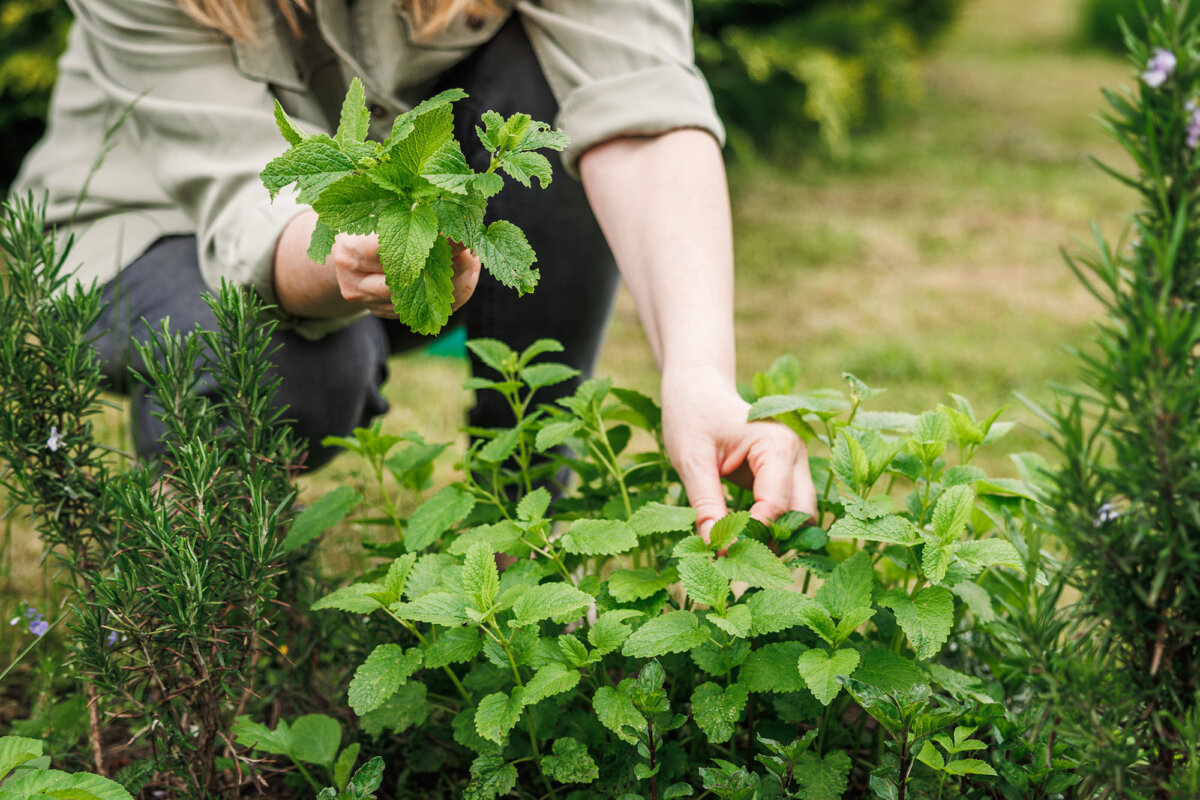
Chocolate mint, apple mint, peppermint, spearmint, and their cousin, lemon balm, will flourish throughout summer if some simple conditions are met.
First, while mints can rebound from a very short period of drought, they do best in consistently wet, well-drained soil. Consider growing them in containers near a water source, which has the added benefit that a container will corral this highly aggressive plant.
Second, while they like full sun, they don’t want to be sunburned, so ideally plant them where they’ll get some afternoon shade. Take cuttings and grow them on a sunny windowsill in winter for fresh herbs at hand and to act as next year’s crop.
Oldies but Goodies
Some other traditional herbs that either will naturally do well in high heat or have heat-resistant cultivars include rosemary, lavender, savory, thyme, lemongrass, lemon verbena, patchouli, and bay laurel.
Be prepared to provide additional water as needed. And be sure to water deeply, as moisture near the surface can evaporate quickly under a baking hot sun. Mulch around the plants helps conserve moisture and keeps the soil temperatures cooler. And lastly, plan for sun protection, such as moving containers into semi-shade or covering in-ground plants with shade cloth overhead or old sheets placed so the plants get morning sun but protection from the hotter afternoon rays, particularly during heatwaves.
Sunny Days
Missing onion chives about now? Garlic chives (aka Chinese chives), with their flat leaves and edible white blooms, actually prefer toasty temperatures.
Culinary and Ornamental
Pineapple sage exemplifies the words “low maintenance,” particularly when it comes to high heat. Mulch to conserve water and keep soil temperatures low. The leaves and pretty red flowers have a pineapple aroma and sweet taste. Use in salads, baked goods, cocktails, and/or to season meat.
Underground Bounty
Healthy and delicious, ginger and turmeric originated in hot, humid climates, growing in full sun to partial shade. They need eight to 10 months of frost-free conditions to produce and do best in Zones 7 to 11. Consider planting in containers in Zones 6 and below so they can be brought inside.
Berries of Life
Native to the hot climes of India, Africa, and the Middle East, ashwagandha (aka Indian ginseng or winter cherry) thrives on neglect (to a point—let’s be realistic here, water them as needed) and full sunlight. The berries are a staple in Ayurvedic medicine, and dried berries make a nice snack or tea.
