



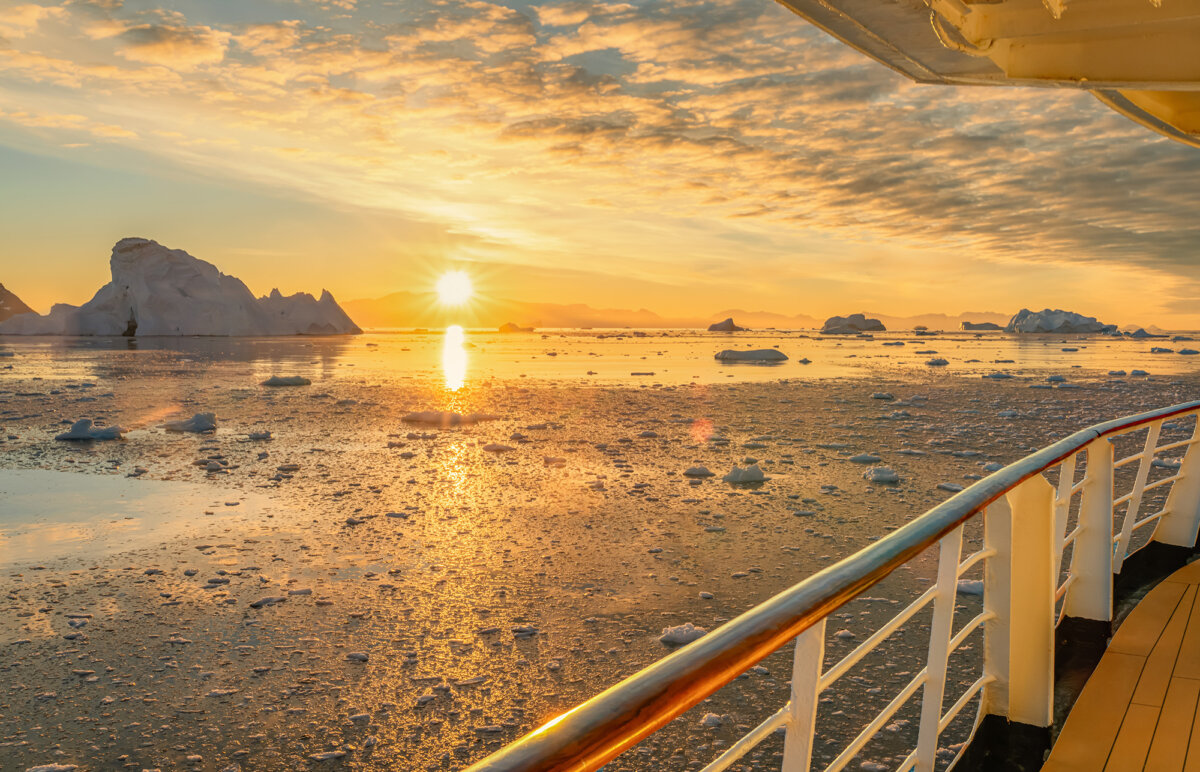
Every time I return from Antarctica—I’ve visited the frozen continent a total of eight times—I always get the same question. The query takes different forms. Sometimes, people make a little joke along the lines of, “Do the penguins know you by name by now?” Others keep it straightforward: “Why, exactly, do you keep going back? Isn’t it the same every time?”
My answer never varies. Antarctica enchants like no other place on earth. I’ve visited (many) more than 100 countries and never been to a destination that even comes close. Heading to the world’s southernmost continent is like boarding a rocket to another planet. You truly feel like an explorer going well beyond the bounds of civilization—even though a hot dinner and a good shower, and maybe even a sauna and a spa, await you at the end of each day.
In fact, Antarctica is never the same place twice. Depending on the weather, month, and specific spots visited, everything from the appearance of the landscape to the amount and types of wildlife will widely vary. But let me just say that no matter where or when you visit, Antarctica always wows.
Even experienced travelers have many practical questions about the coldest, driest, highest, and windiest continent on earth. Some of these are very basic. Like, what transportation is even available to get you there? And where do you stay? Things like that. So it definitely helps when you know how to visit Antarctica. With that being said, here’s what I’ve learned over the course of my eight visits.
Arrival
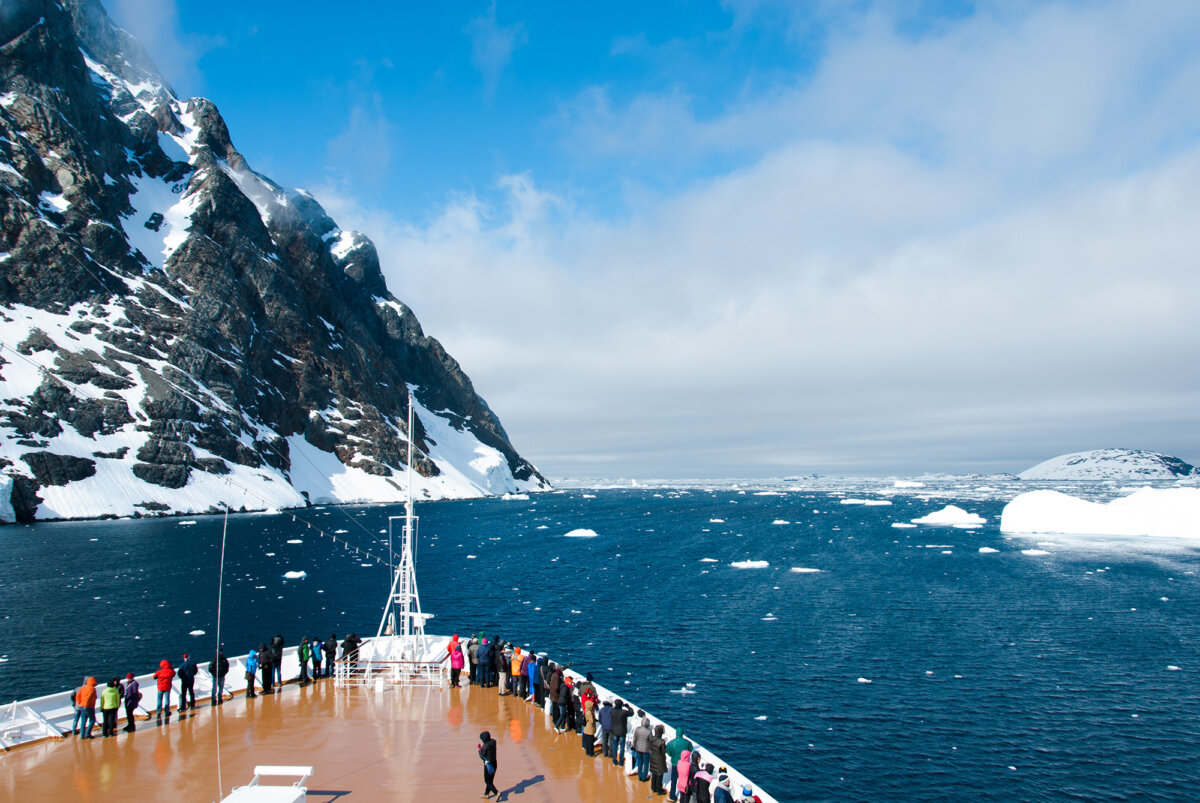
In the vast majority of cases, unless you’re actually working on a national research station, a trip to Antarctica will involve an expedition ship. Most of these vessels set sail from a small handful of ports. The busiest is Ushuaia, a beautiful city hemmed in by snow-capped Andes Mountains in the extreme southern reaches of Argentina. Here, during the austral summer, the pier is generally jammed with passenger ships of many different stripes.
However, Ushuaia isn’t the only departure port. A number of small cities in Chile also send ships, and others sail toward the “far” side of Antarctica from Australia and New Zealand. More and more visitors, often intimidated by the Drake Passage, are opting to hop on an airplane. Most of these flights depart Punta Arenas and land at the Teniente Rodolfo Marsh Martin Airport on King George Island, right on the edge of Antarctica. From there, guests board an expedition ship to proceed through calmer, more protected waters.
When to Visit
Perhaps the most important thing to keep in mind is that you can’t visit this continent during many months of the year. Tourist expeditions only run from October to March, and generally encounter the best weather during the heart of summer in the Southern Hemisphere: December and January. Nobody actually lives permanently in Antarctica—there are no villages, towns, or cities.
Almost all of those who remain for multiple months do so on research stations belonging to a wide range of countries. These include both neighboring nations and great powers. During the austral winter, with its savage winter and 24-hour darkness, most of those stations dwindle to only a skeleton staff, just enough to maintain operations until the calendar flips and the warmer, brighter months return.
The Drake Shake
Perhaps no body of water on earth terrifies people quite like the Drake Passage. Named for the famous 16th-century explorer, and often known just as “The Drake,” this roughly 500-mile stretch is the passage between Cape Horn in South America and the South Shetland Islands. Super-strong Southern Ocean currents whip through, bringing with them awe-inspiring (and for many, stomach-churning) winds and waves.
People talk about the ‘Drake Lake’ versus the ‘Drake Shake.’ The former is characterized by an unnaturally calm sea where it feels like the vessel is skimming along the surface of a little lagoon on a sunny summer day. It’s always nice, but I’ve experienced plenty more of the Drake Shake.
On a few occasions, I’ve encountered towering 30- to 40-foot waves, with gusts reaching hurricane force. It feels like sailing through a washing machine. On one voyage, at dinnertime, our very small vessel was hit broadside by a wall of water so powerful that it cleared every table of glasses, plates, and silverware, smashing everything onto the floor. Another time, while I was trying to sleep in my cabin through a midnight maelstrom, the ship tipped back and forth so much that I dreamed I was flying through a windstorm.
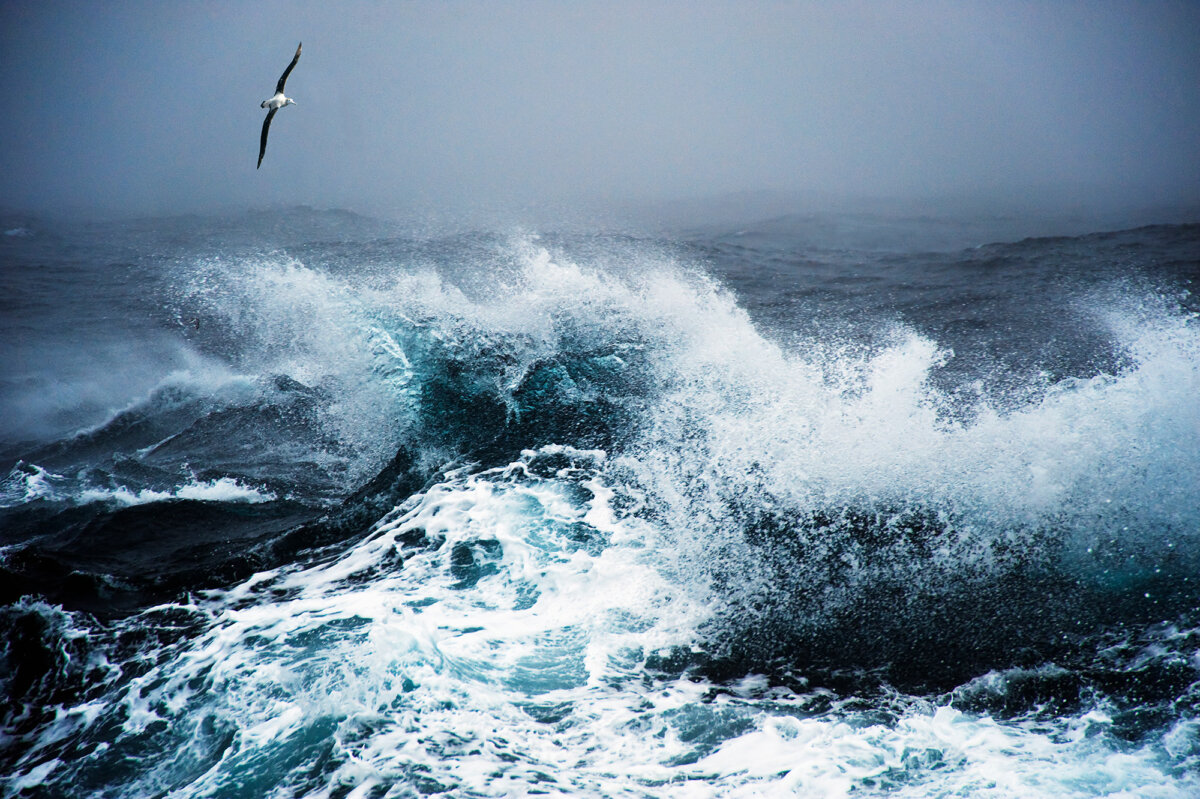
Don’t let it stop you. Just be prepared. Bring seasickness meds and take them before the waters get rough. (They’re of little use after you actually start to feel sick.) And let there be no doubt: A trip to Antarctica is worth facing The Drake. You may even feel like the voyage isn’t complete—not really—without a really good Shake.
What’s an Expedition Cruise, Exactly?
You can visit Antarctica on a big ship. Cruise lines like Princess and Celebrity carry thousands down there every season. This type of trip is often known as a “sail-by,” which alludes to its downside: you can’t actually disembark the ship in Antarctica. But the advantage is that a voyage on these large vessels will cost just a fraction of the price of an expedition trip.
Expeditions are a far different experience. Typically, these ships have ice-strengthened hulls to push through the frozen stuff, plus thrusters and other machinery purpose-built to navigate in the potentially difficult conditions presented by polar waters. They’re also small, with often fewer than 200 guests. That’s in part because the nonprofit that regulates travel here, the International Association of Antarctica Tour Operators (IAATO), restricts each landing to a maximum of 100 passengers to minimize the environmental impact.
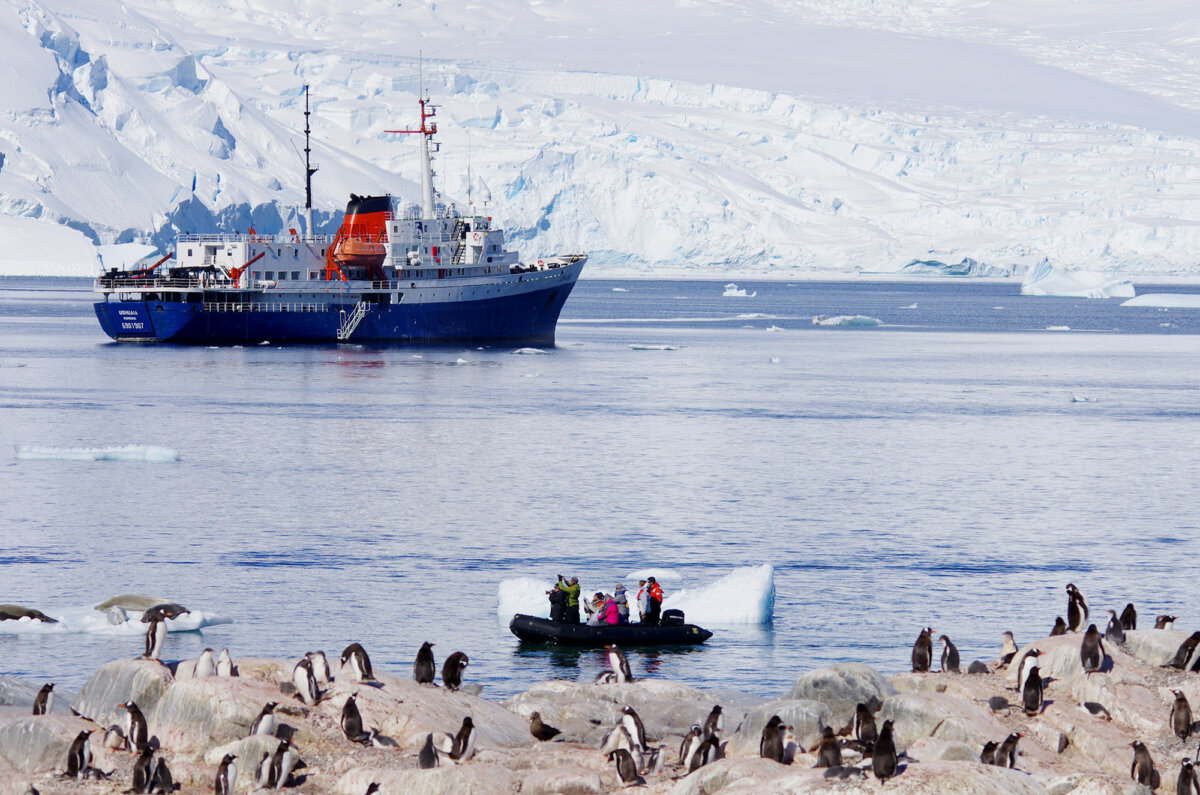
The biggest difference between a traditional cruise and an expedition comes down to scheduling. An expedition leader, working together with the captain, will have an outline of his or her plans before arriving in Antarctica. But weather always dictates excursions and landings. So Plan A might become Plan B, or C, or even D, depending on the conditions.
Luxurious Expeditions
I started sailing to Antarctica more than a decade ago. Back then, ships tended to be rough and ready. One of my first visits was aboard a former Russian research vessel, which had been minimally refitted for leisure travel. Walls still displayed notices in Cyrillic script. Servers in the restaurant spoke no English and never smiled. The bar, where everyone gathered for daily briefings and after-dinner entertainment, clearly hadn’t been renovated since the 1980s.
Somehow, that just added to the charm. It really felt like an expedition, complete with a few privations. With no wifi, everyone got to know everyone else.
You can still sail on ships like that one, although luxury vessels have become a normal sight in the intervening years. Lines on the very high end of the market have built their own expedition vessels. They’re ships that have all the capabilities for polar navigation but also offer round-the-clock room service and butlers and even 24-hour caviar.
Do a lot of research beforehand and choose a line and ship that suit your taste. Some prioritize having the finest guides and experts on their expedition team. Others prefer creature comforts like pools and spas. There are also “toys” like helicopters and submersibles to see all that beauty from different angles. Many options include all of the above. It all depends on your preferences—and, of course, budget.
Touring by Zodiac
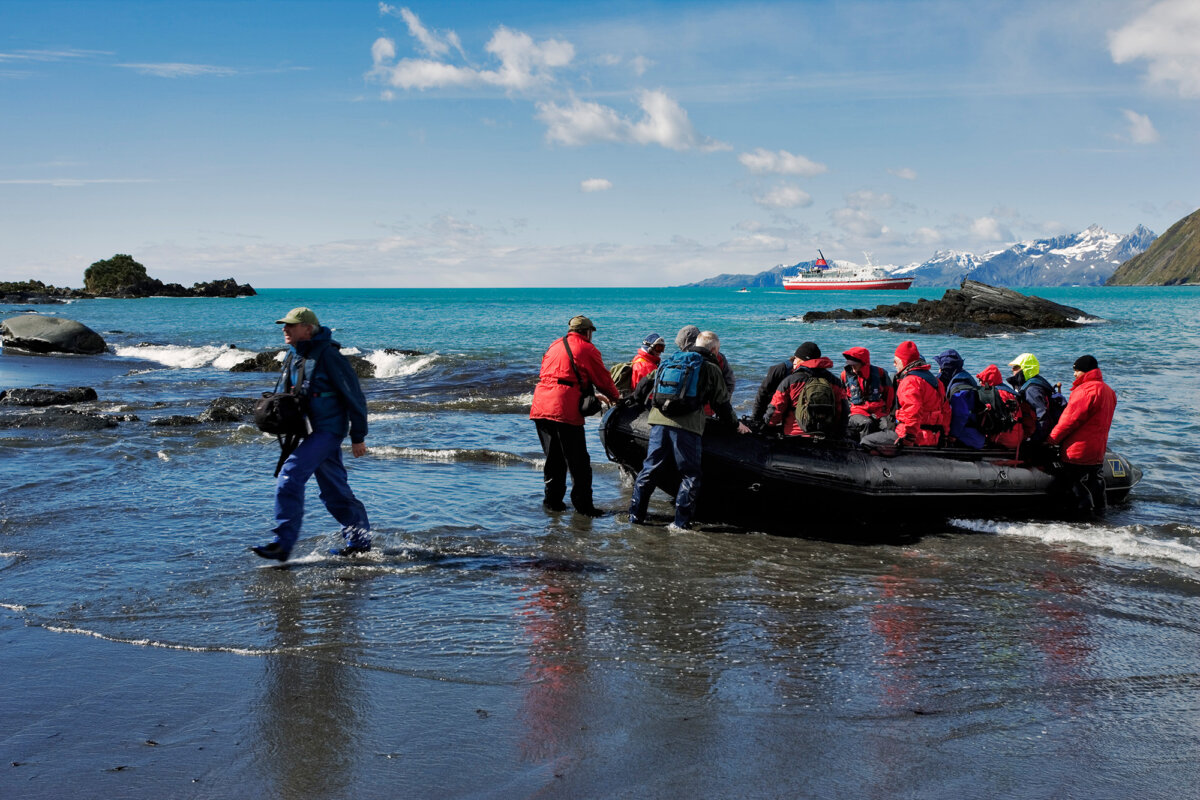
Zodiacs are the workhorses of expedition trips. They are tough boats that are inflatable and easy to maneuver. Guests typically wear waterproof clothing while riding along the pontoons. A briefing beforehand will teach you how to board them from either the stern or side gate of the ship. You might need a couple trips to get the hang of it, but expedition team members and able seamen will help you get in and out.
Excursions tend to be either a “zodiac cruise” or a landing. The former means that you won’t be getting out of the zodiac. Instead, you’ll zoom around and spot whatever’s interesting, in and out of the water. That can include whales, icebergs, seals, glaciers, and all sorts of other cool stuff.
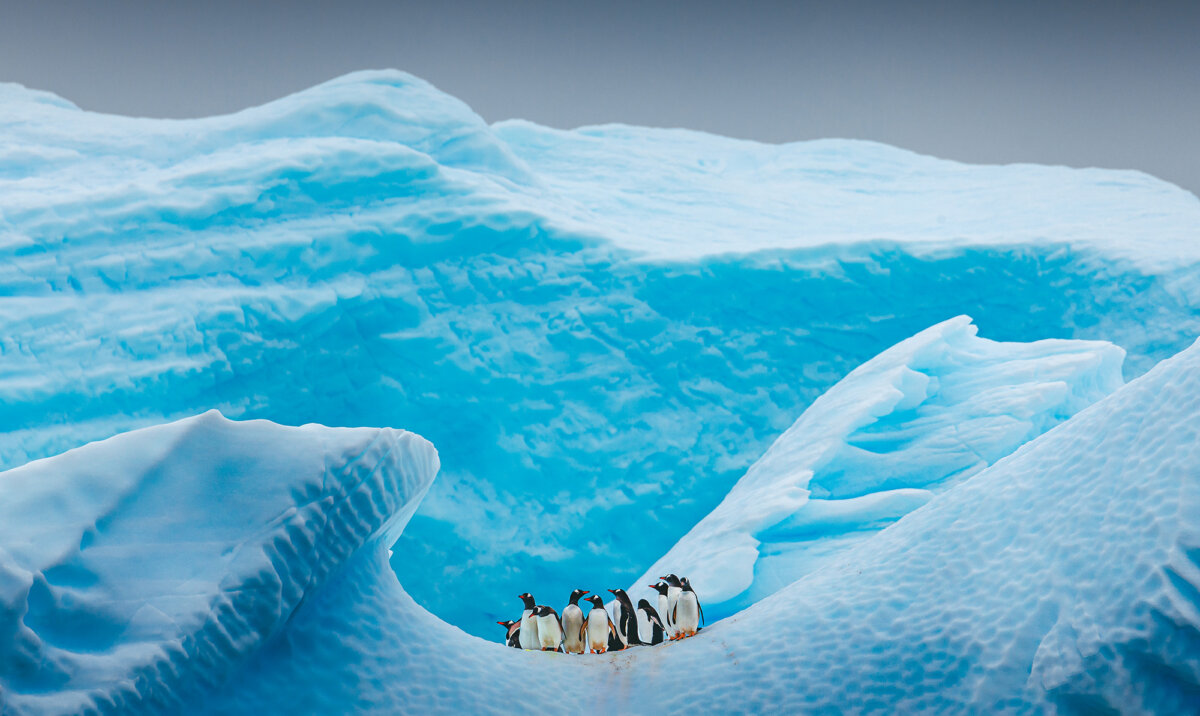
Landings take guests to shore. Often, these will include walks among (but a safe distance from) penguins. Several species of these adorable creatures populate the Antarctic Peninsula. This is the northernmost finger of land stretching out from the continent and by far the most popular destination for expedition ships. Gentoos and chinstraps are common, and further south, Adélie penguins. And if you get really lucky? You might just spot an emperor, the largest of the penguin species.
Polar Plunge, Anyone?
Those who are physically able should definitely do the polar plunge. Most lines offer it at some point of the voyage. This activity involves a leap from the gangway or a zodiac tethered to the side gate into the freezing polar seas. Then, scampering back up a ladder, where staff will stand ready with a warm towel (and often a hot toddy). It’s a moment of extreme cold in exchange for a story you can tell for the rest of your life.
Everyone should see Antarctica at some point in their lives. Whether you choose a big-ship “sail-by” or a yacht-style vessel with a huge suite and daily helicopter excursions, this is an absolutely astonishing destination and one worth visiting, no matter how you get there.
