



The man held a piece of cheese across the counter to me and, when I inevitably took it, he offered me another. Then another, followed by olives and meats and even some little squares of sweet, sweet baklava. “All from Turkey!” he declared with a huge smile.
The market was busy, filled with Anatolian locals buying what they needed for dinner that night. But this particular merchant and, I would find, every other one I encountered in this shopping spot on the far side of the Bosporus, was focused on me. I could’ve stayed all night, being served free food in that bustling back lane.
“Why are you spending so much time with me?” I asked, speaking through the audio feature of the translation app on my phone. The man looked puzzled for a moment. Then, through his own phone, he responded: “We want you to feel safe and welcome, and taste our best.” And perhaps walk out with a few bags of food, although that part remained unspoken.
That’s Istanbul: a city of more than 15 million people split between two continents that can seem sprawling, huge, and, yes, intimidating and unknowable. But at any moment, intimacy and warmth can emerge in Turkey’s largest city. It’s also a place that’s at its best when you know how to visit properly, which is something I’ve learned on more than a dozen trips.
A Colossal Airport
The old IST airport was kind of charming. A major international hub, it was nonetheless compact, easy to navigate, and a little decrepit, but in all the right ways.
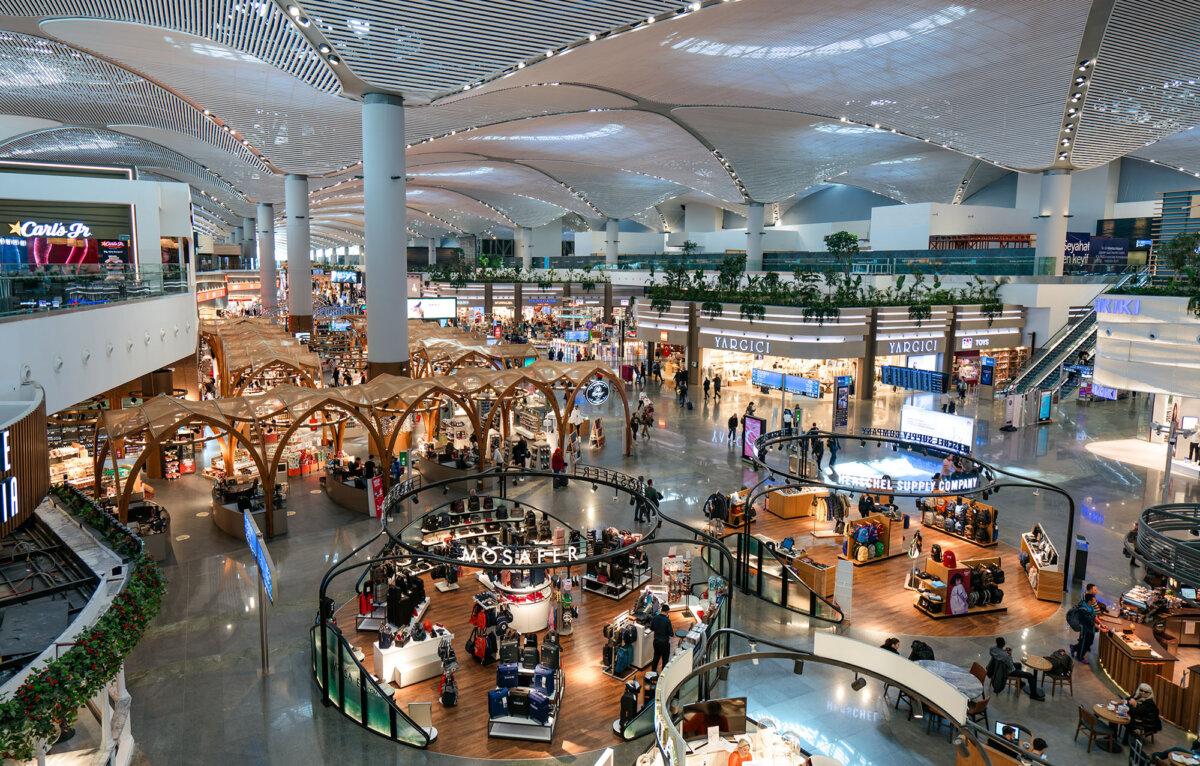
Located on the European side in the district of Arnavutkoy, the new IST airport, which began operating in 2019, features one of the world’s largest airport terminals. The numbers are impressive: 15.5 million square feet, all under one roof, with the capacity to handle more than 80 million passengers each year.
Even those figures don’t quite convey the terminal’s colossal size. On the plus side, the vaulted ceilings feel sky-high, giving an airy feel throughout. On the downside, even with plenty of moving sidewalks, walking between gates can feel endless.
Getting into town isn’t so bad, even though the airport is about 20 miles from the city center. Taxis and airport buses serve the terminal, but traffic in this huge city is legendary, and locals recommend allowing at least an hour if you’re traveling by road. A better option is the subway: Board a train at the airport, and with a single connection at Gayrettepe, you can reach Taksim Square.
A City of Empires
Once called Constantinople, Istanbul was, for many centuries, the beating heart of some of the greatest empires on Earth: first the Byzantine, or Eastern Roman Empire, which lasted more than 1,000 years, followed by the Ottomans, whose reach expanded under Sultan Suleiman the Magnificent.
Ticketed Attractions
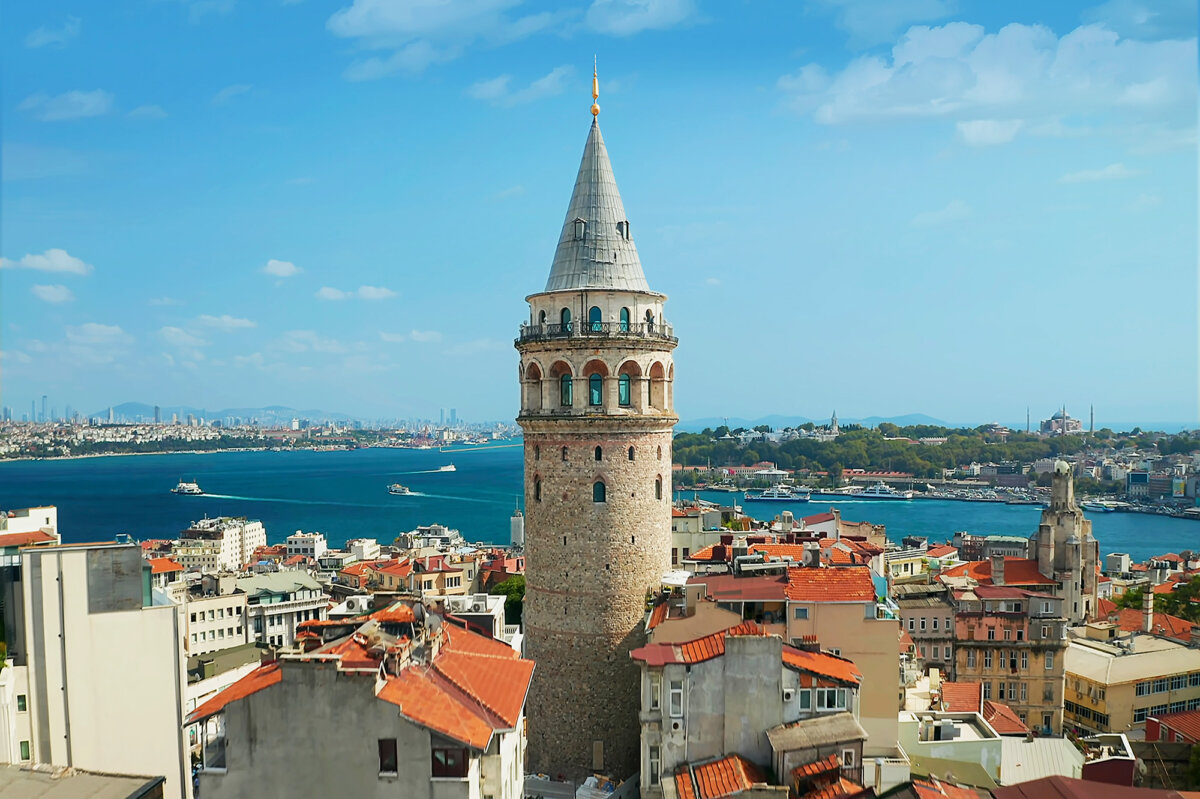
This is where you need a plan. Like many popular landmarks, the main attractions are best visited with a prebooked, prepaid time slot; in many cases, it’s required. These include several museums, as well as the Galata Tower and the sixth-century Basilica Cistern, with its inverted, snake-haired head of Medusa.
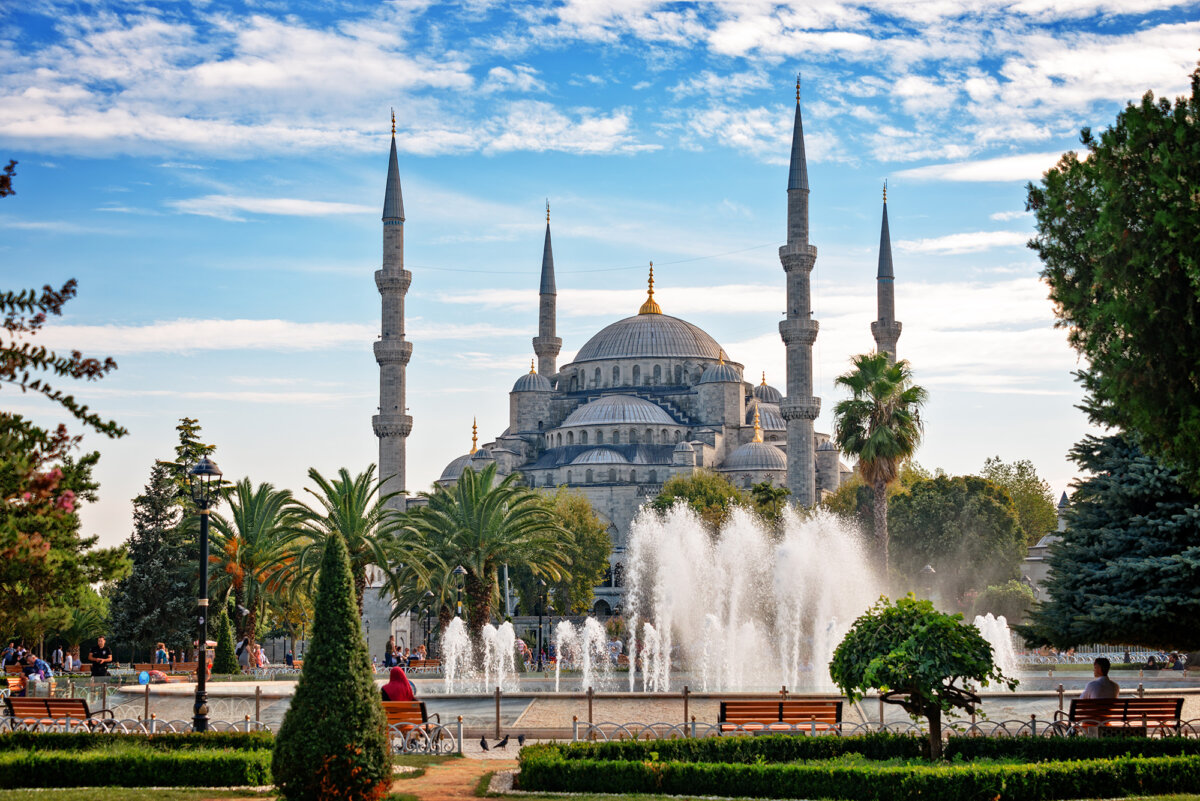
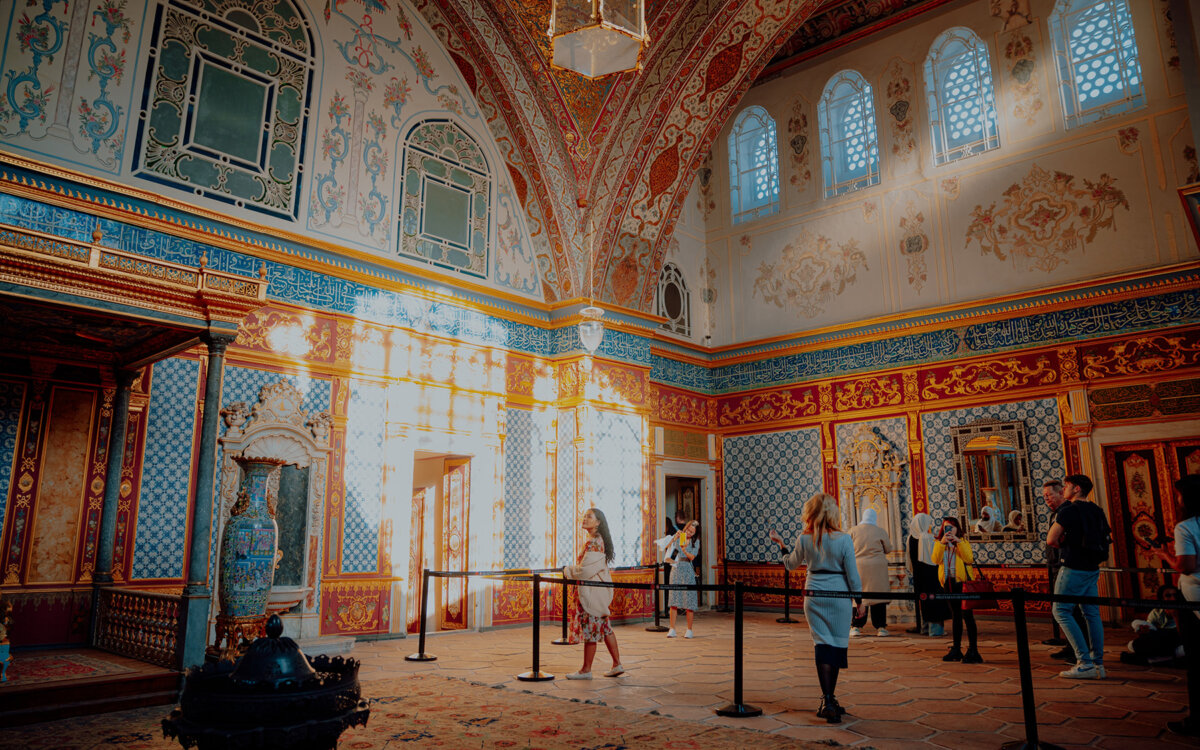
The other is Topkapi Palace, home to Ottoman rulers for four centuries. Here, you should probably hire a guide. The gardens, courtyards, treasury, and harem cover more than 7.5 million square feet, and expert interpretation helps connect this history to modern Turkey. It also helps you avoid getting lost, which is almost certain if you visit solo.
Free Sites
A number of Istanbul’s iconic sites require no admission or advance planning. I usually book ticketed attractions first, then visit these nearby.
If you have time slots for Hagia Sophia and the cistern, stop at the Blue Mosque. The only requirement is removing your shoes before entering this peaceful and beautiful space.
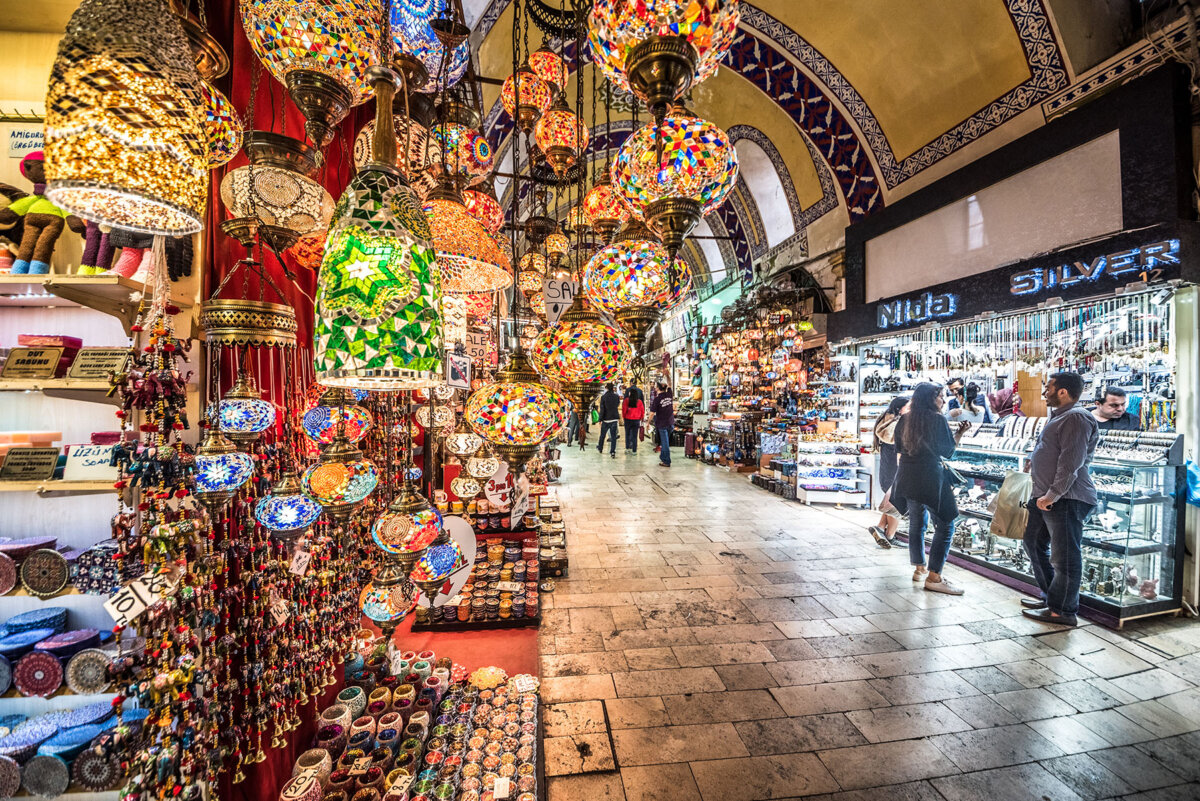
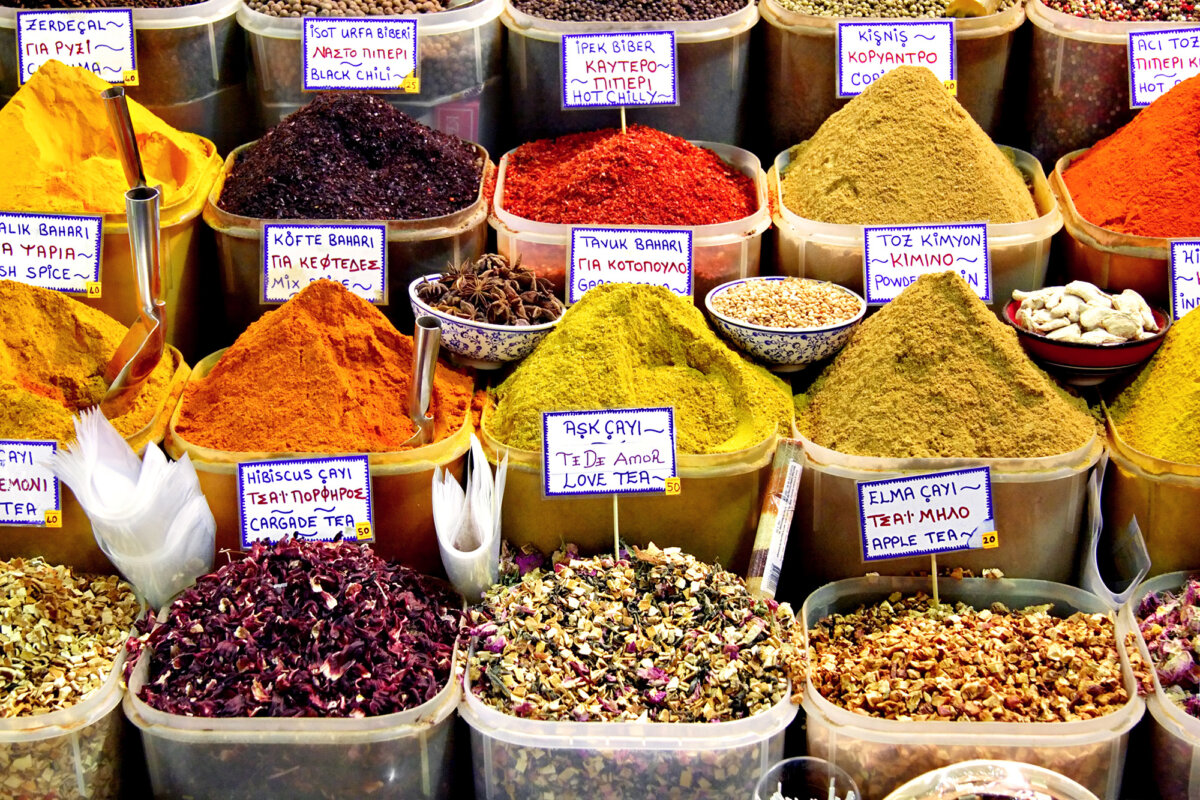
I also love wandering the Grand Bazaar for hours. One of the oldest and largest markets in the world, it has been operating since 1461. Its 4,000 shops line dozens of passageways and feel like another world. If you’re looking to buy a carpet, jewelry, or almost anything else, you’ll find it here. Just be ready to bargain.
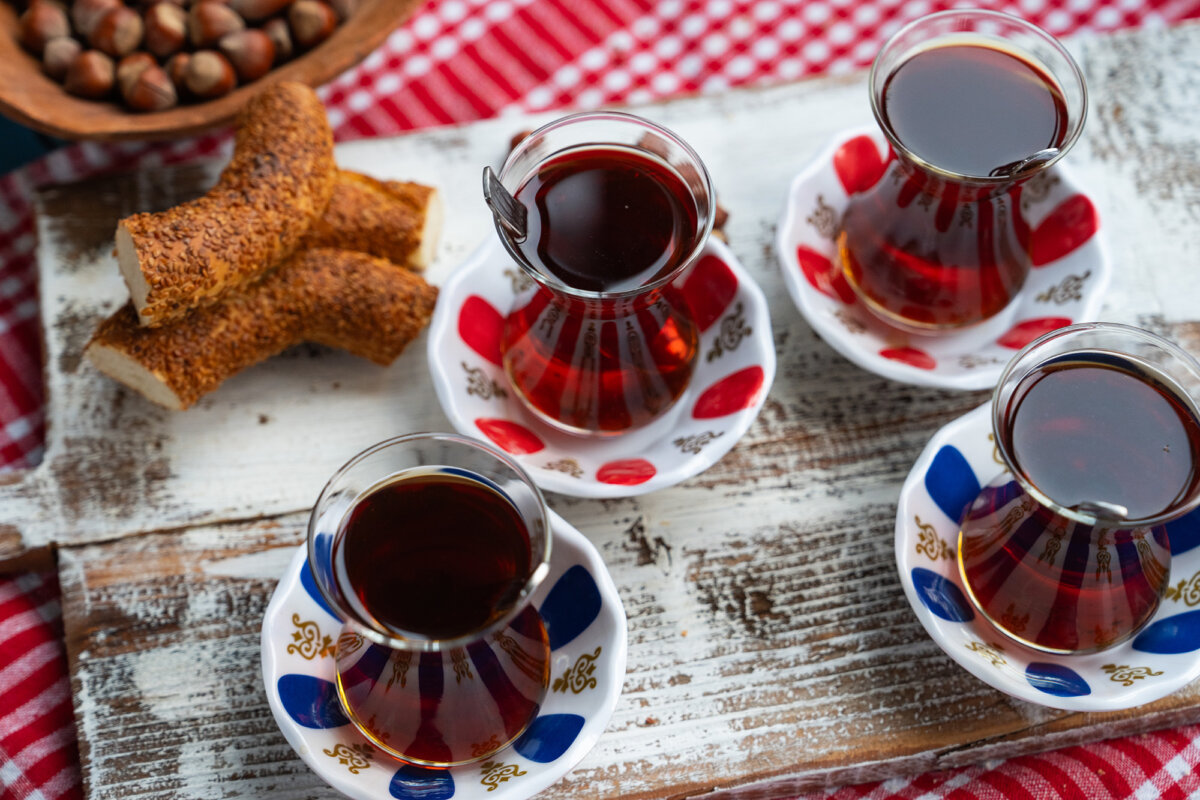
As I sipped the warming drink, he shared the market’s history and its connection to the city. He also gave me directions to Pandeli, one of Istanbul’s culinary highlights.
Crossing to the Asian Side
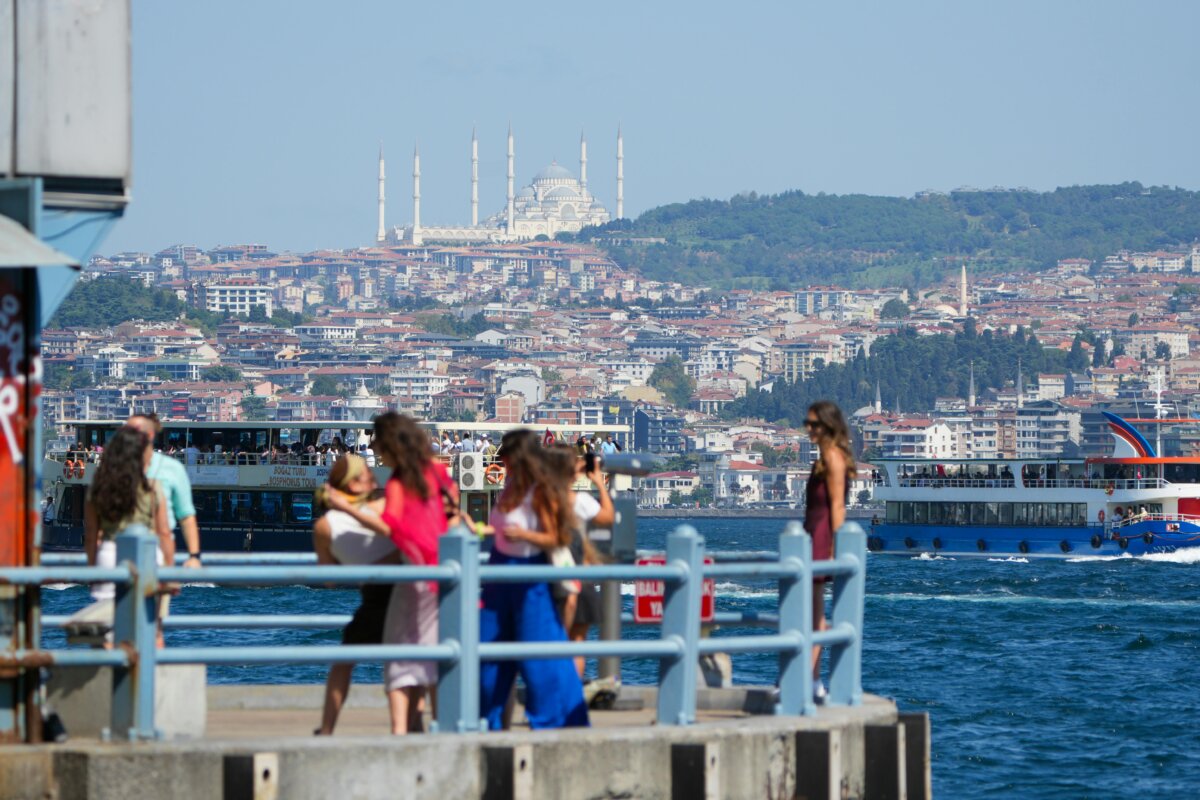
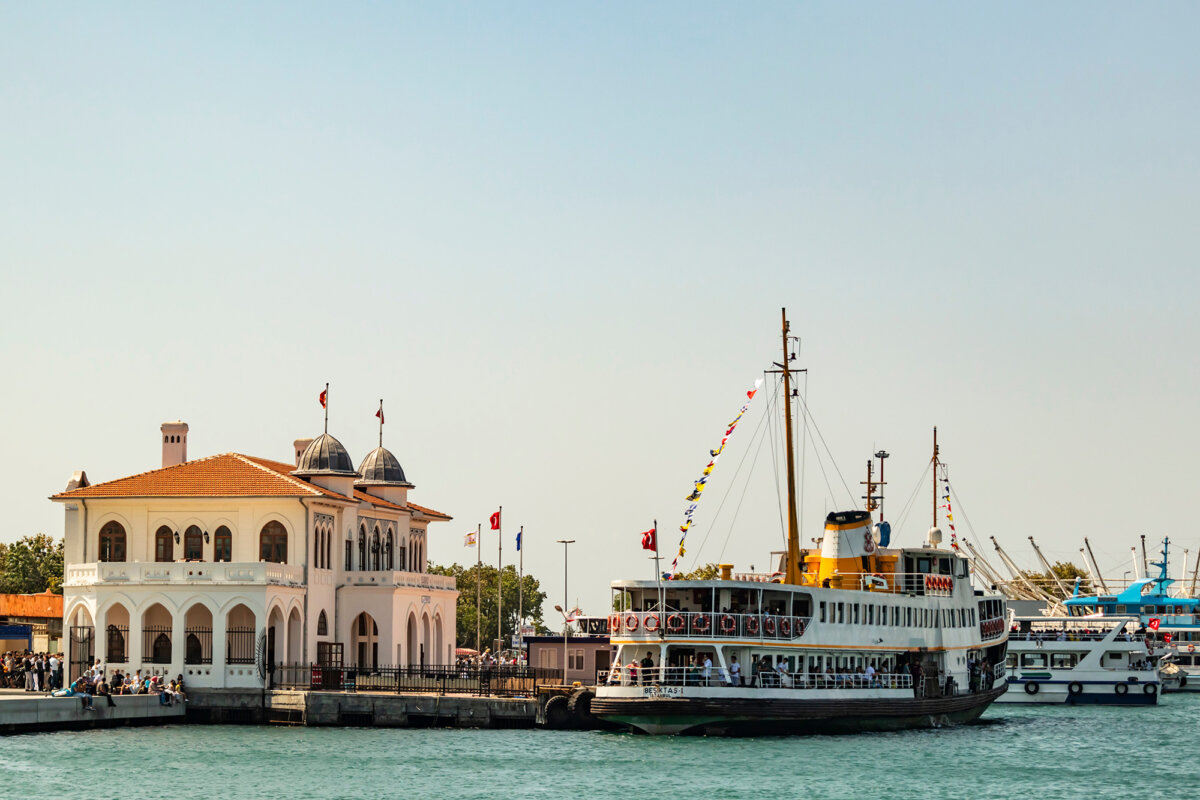
Istanbul is one of the few cities where you can plunk down about a dollar, step onto a boat, and cross to another continent. The Bosporus divides this Turkish metropolis between Europe and Asia. Although the waterway looks like a really wide river, it’s actually a vital strait that connects the Black Sea to the Sea of Marmara, the Mediterranean, and the rest of the world.
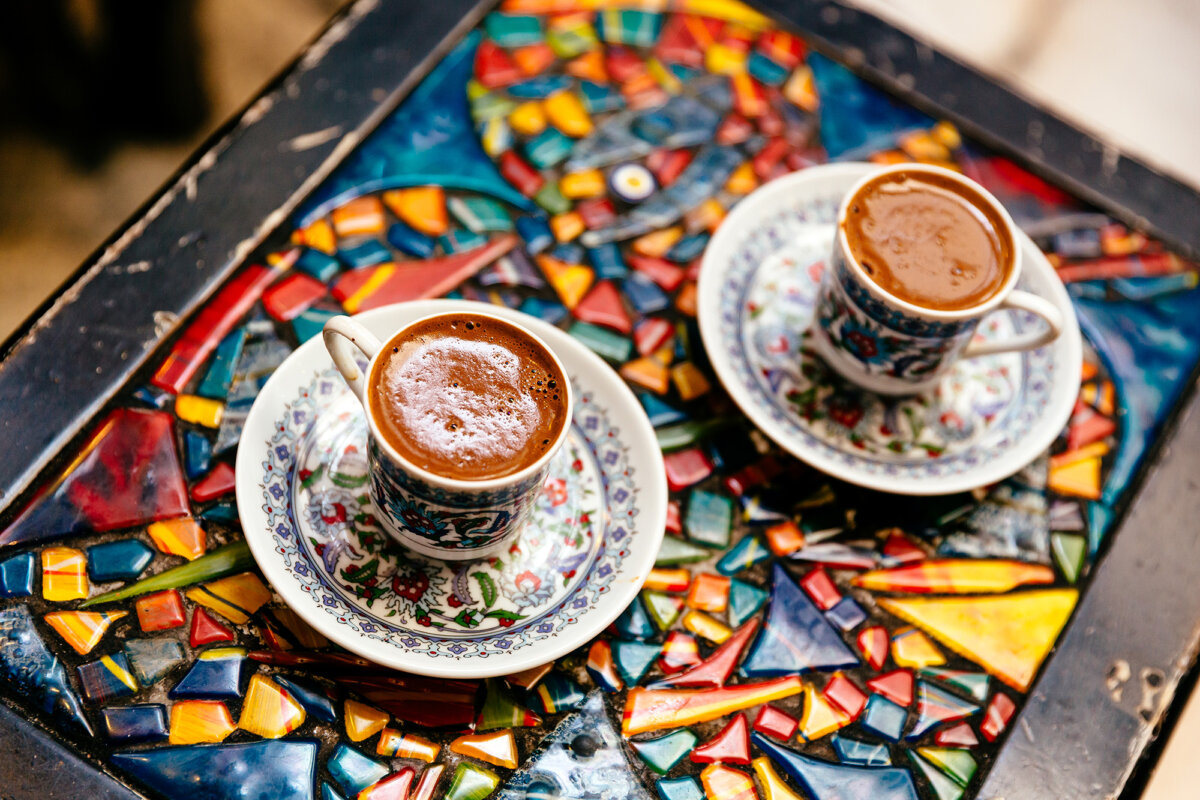
Just riding around is a cheap and easy way to see the city at its best, with domes and minarets rising on both sides. Grab a spot on the open deck and save a few coins for Turkish tea or strong coffee, often sold onboard. Along the way, you’ll see everything from cargo ships to party boats.
Go to Kadikoy
That earlier story about vendors offering free food took place in Kadikoy, a district on the Asian side of the Bosporus that many tourists miss. A guide, who has become a longtime friend, brought me here on my first visit.
Stepping off the ferry, crowds of mostly locals sweep you along into a network of back streets filled with markets selling fish, fruits, veggies, and plenty more. One tiny shop offered 30 different varieties of olives, and nothing else.
Where to Sleep and Eat
I always plan my visit around mealtime so I can eat at Ciya Sofrasi, another standout. The World’s 50 Best Restaurants has called founder Musa Dagdeviren a “culinary anthropologist.” Before opening his restaurant, he traveled across Turkey collecting traditional recipes, often cooking alongside grandmothers to preserve them.
The chef has been featured in prestigious magazines and television shows, but he still spends time in his restaurants, all located on the same block. Whenever I visit, I order a kebab meal, then seek him out. He’s inevitably at a table with friends, smoking and chatting, and happy to talk, often with a waiter translating.
Choose the Right Hotel
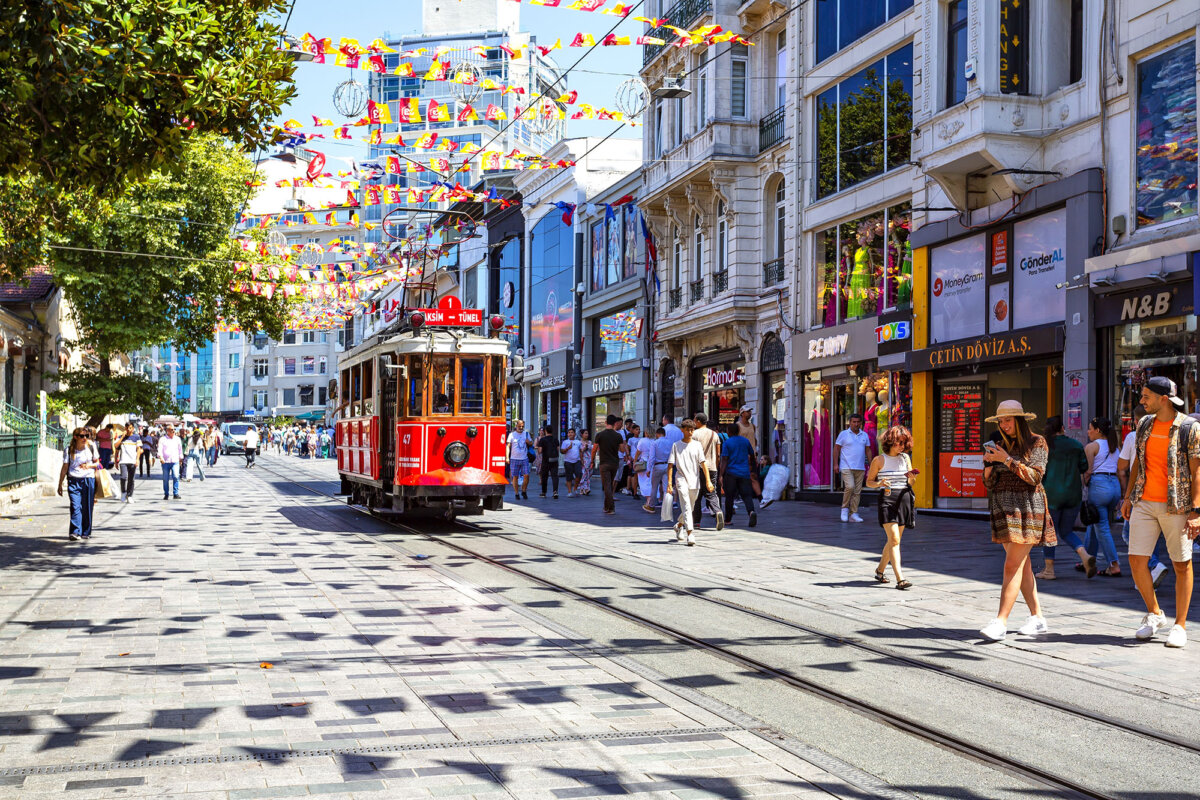
Because of the city’s size, choosing the right neighborhood matters. Many hotels cluster near Taksim Square and the pedestrian Istiklal Street, but I prefer staying near the water. One option is the Kempinski Ciragan Palace.
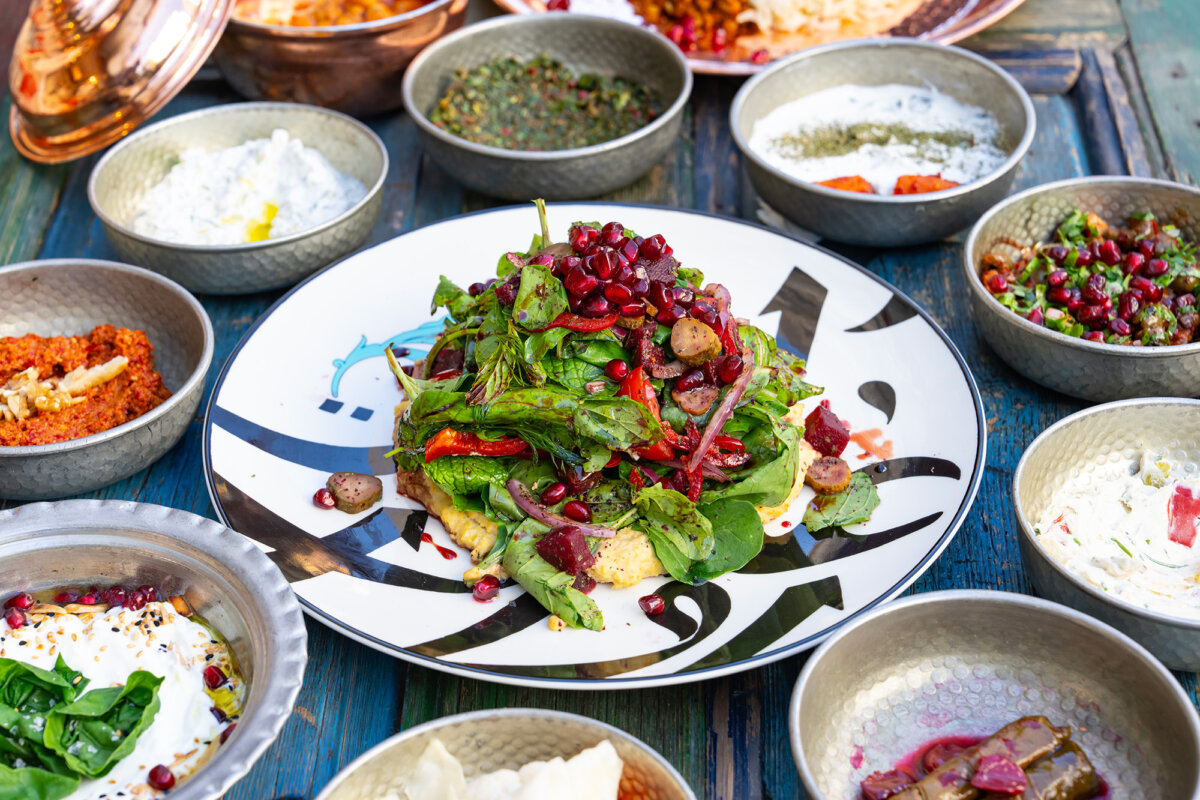
A meal here is, perhaps, the best way to end a visit. Digging into classic dishes, sitting on a patio overlooking the boats out on the waterway, and the illuminated Bosphorus Bridge connecting Europe and Asia, is a reminder of just how unique this transcontinental city is.
