



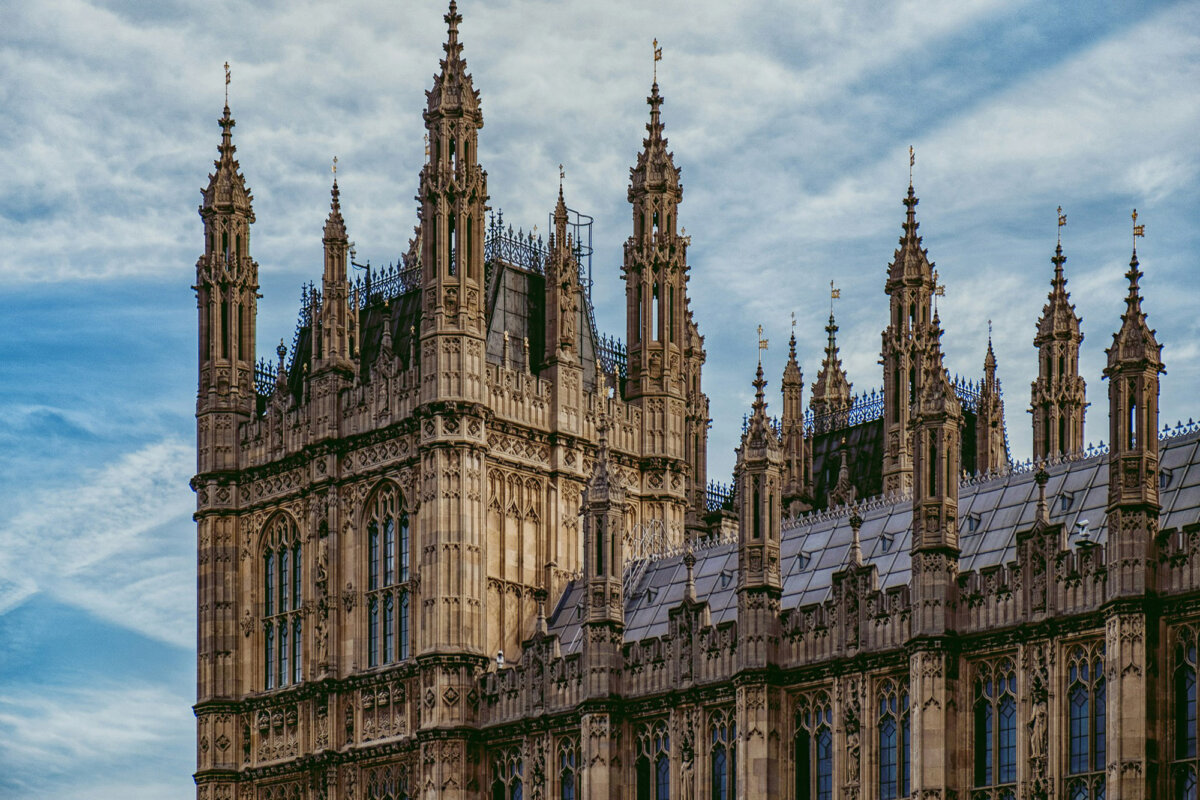
The dapper fellow in the Knightsbridge Underground Station sported a tidy suit, efficient air, clipboard, and rep tie such as I hadn’t seen in years. He was standing near the toll gates I had just exited but was not guarding them.
“Need some help, sir?”
I glanced behind me. No one. He was addressing me. Then I noticed the words on his vivid red vest: Here to help.
“Do I look that confused?” I asked.
He said: “Not at all, sir. I meet lifelong Londoners who sometimes need a little guidance in the tube. How can I help?”
I described my predicament (how to get around a station closure up ahead on the Piccadilly line); it was Sunday, and that’s when repair work happens. The world’s oldest and second-biggest subway system requires constant maintenance. He pointed me up a set of stairs to a taxi stand, apologized for the lack of an escalator, and indicated an elevator I could use, eyeing my suitcase.
After 10 hours in the air from the West Coast to Heathrow Airport, I needed a bit of exercise. So I hauled my bag up the stairs, which were manageable, and emerged into the bright midday sun … in early November.
It was a balmy 56 degrees Fahrenheit.
It took three minutes to hail a cab, and I was at my hotel 20 minutes later.
Hungry, I strolled down the riverside Jubilee Walkway, grabbed a patio table at a bankside pub, and filled up on the UK’s finest fast food: excellent fish and chips. The shimmering ivory dome of St. Paul’s Cathedral shone in the near distance.
This episode wallops three common myths about London: nonstop grungy weather, hard to get around, and awful food. None true. The city is a supreme travel destination: cultural capital of the world, birthplace of the Anglo-Saxon concept of liberty, easy to navigate, walkable, safe, and blessed with superb hotels and restaurants. There’s no need to learn another language. It’s my top choice for an urban trip and I visit at least once a year, almost always in the off-season. Here are my ways and means for the world’s greatest city.
Yes, Your Destination Is LHR
London has five major airports, a distinction it shares with just one other metro area (Los Angeles). Heathrow, Gatwick, Stansted, Luton, and London City. Only Heathrow and Gatwick have flights from North America, though the arrival of narrowbody transatlantic service may change that—Stansted and Luton are much cheaper for airlines to serve, thereby attracting low-cost carriers, and are thus cheaper for passengers too. But for now Heathrow is the place for intercontinental travel, in- and outbound.
Be not afraid. It’s fine. Great, in fact.
Much maligned and widely derided, Heathrow (LHR) is 14 miles west of central London and is the most-connected international airport on Earth, according to commercial aviation statistics company OAG: 89 airlines flying to 214 destinations in 84 countries. Corollary to this preeminence is a global reputation as “difficult,” which in my experience is balderdash. I’ve flown into, out of, and through Heathrow about 100 times, and not experienced a problem once.
It’s easy to get around among the four terminals, transit into London is superb, the terminals are crowded but navigable and efficient, and weather rarely causes shutdowns. The sheer volume of traffic means that there are incoming slowdowns most days, but that’s true at almost all the world’s major airports. If you are flying British Air (half of Heathrow passengers do), its purpose-built Terminal 5 is awesome and its systems are superbly designed to get you in and out efficiently and comfortably.
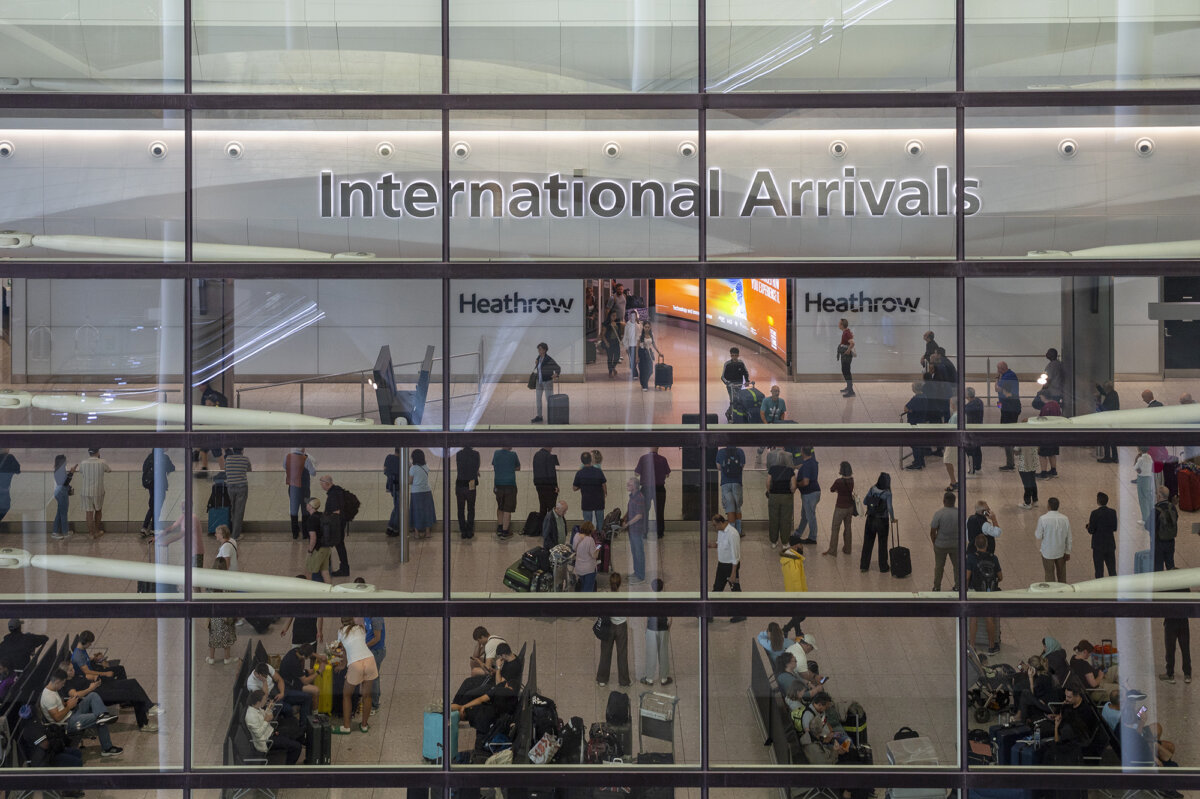
Security is brisk and thorough and fairly quick; most North American flights operate from the quieter satellites B and C, which are easily reached by underground trains. As with all global hubs, you have to keep an eye on the flight screens as gates change frequently.
Except for Dubai, United Arab Emirates, Heathrow is the world’s top spot for plane-gawking, with A380s strewn about the tarmac like jitneys in Hong Kong. You can still spy a 747 or two; newer planes such as A350s are common and there might even be a DC3 out by a distant hangar. Believe me, watching a 380 lift off is awesome.
Heathrow has service from about three dozen North American cities and numerous flights daily from major hubs such as New York City, Boston, Chicago, San Francisco, Los Angeles, Houston, Dallas, Miami, Atlanta, and more.
Bottom line: I like Heathrow, and I’m not afraid to say so.
What Lies Beneath: Mind the Gap!
OK, you’re on the ground in Hillingdon, Heathrow’s home borough, and now what? Simple: Take a deep dive to the Underground (elevators are right outside the arrivals hall) and get on the Piccadilly Line eastbound. This train will take you to the vicinity of most central London major attractions, from Harrods to Buckingham Palace to Covent Garden, not to mention the vast majority of hotels. Buy yourself a reloadable Oyster fare card at the handy kiosks or load it on your phone, and you’ll be at your hotel in 40 minutes, for about $10.
A viable alternative is the new Queen Elizabeth Line, which is slightly more direct and has spiffier cars. Same travel time, same price.
But what about the famous Heathrow Express?
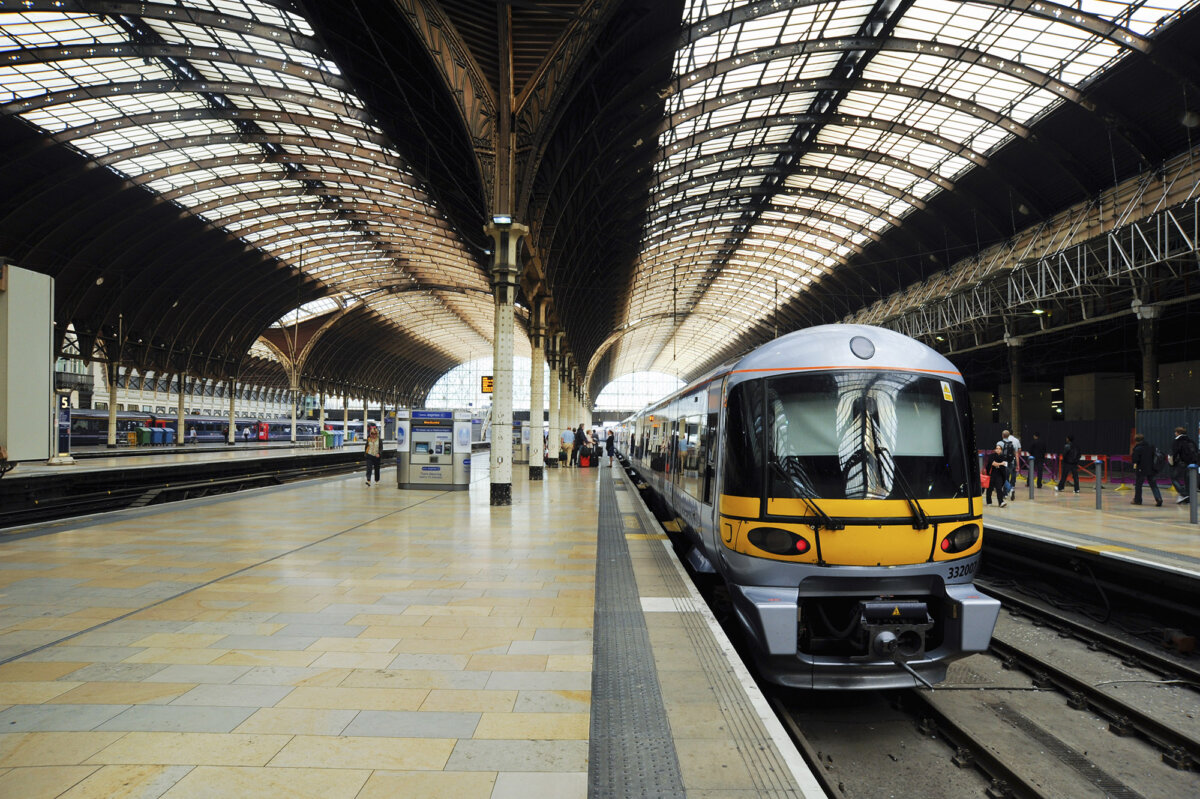
It’s one of the most overhyped tourist conveyances on the planet. Yes, it’s speedier (25 minutes, they say), but it costs more (about $33) and spits you out at Paddington Station, which is near … almost nothing. That’s why there’s a very long line of London’s famous black cabs ready to whisk travelers off to where they actually want to go.
Get a tube pass, study the famous Underground map, and you’ll find that you can get almost anywhere you want to go in a half-hour or so, for $5–$10.
“Mind the gap!” the public address reminds travelers at every tube station. I have a lapel pin with this famous meme on it. I’m still looking for a ball cap. They aren’t as common in London as in Lincoln, Nebraska.
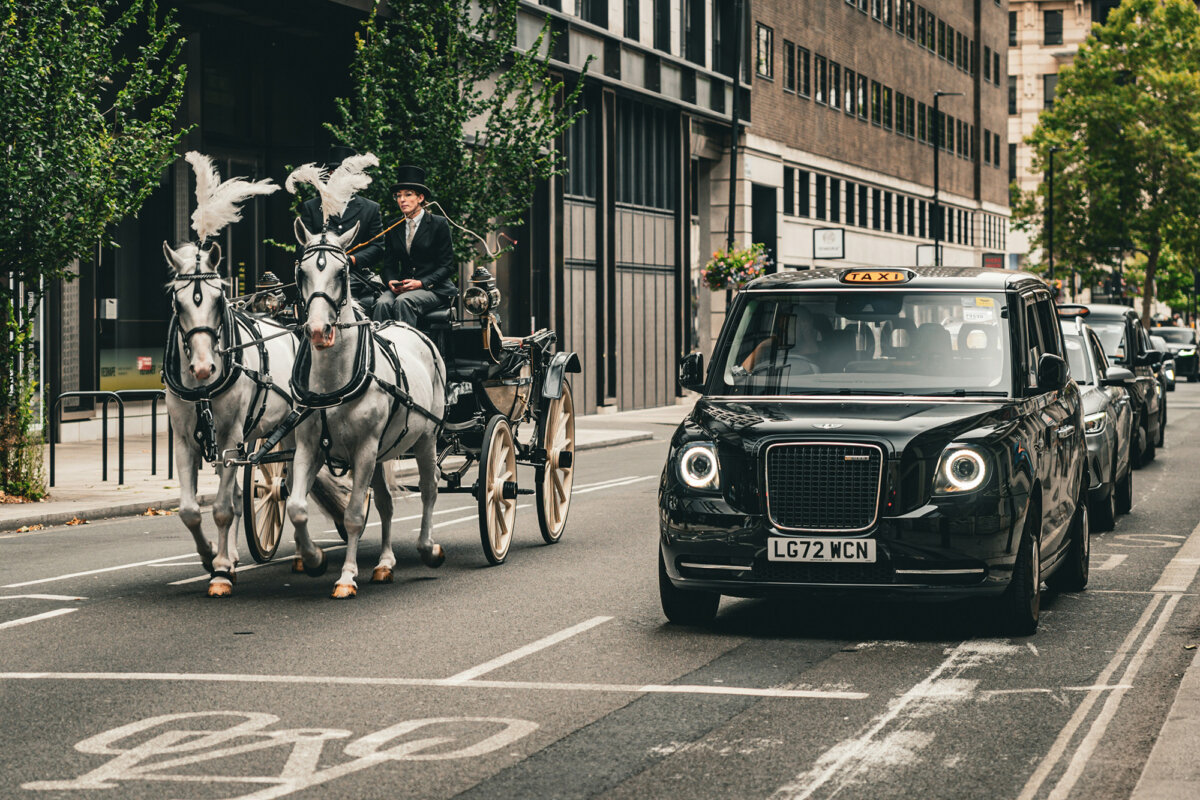
Once in central London, you can walk almost anywhere you’d like to go. Or hop in a cab, the classic black conveyances that have not changed much in a century. They do take credit cards and pay-by-phone now, though. In my experience, London cabbies are garrulous, knowledgeable, and happy with their profession.
Leave Your Umbrella at Home
Have I ever had bad weather in London?
Well, once I poked my head out of the Embankment Underground Station in late March, discovered a spring rain shower pelting the cobblestones, and was forced to wait a whole 10 minutes before I could walk to my hotel.
Sure, I’ve been rained on in London. More accurately, drizzled on; you can walk around in it all day and not get wet. If it’s raining harder, your hotel has umbrellas to borrow. Yes, they still practice the honor system here.
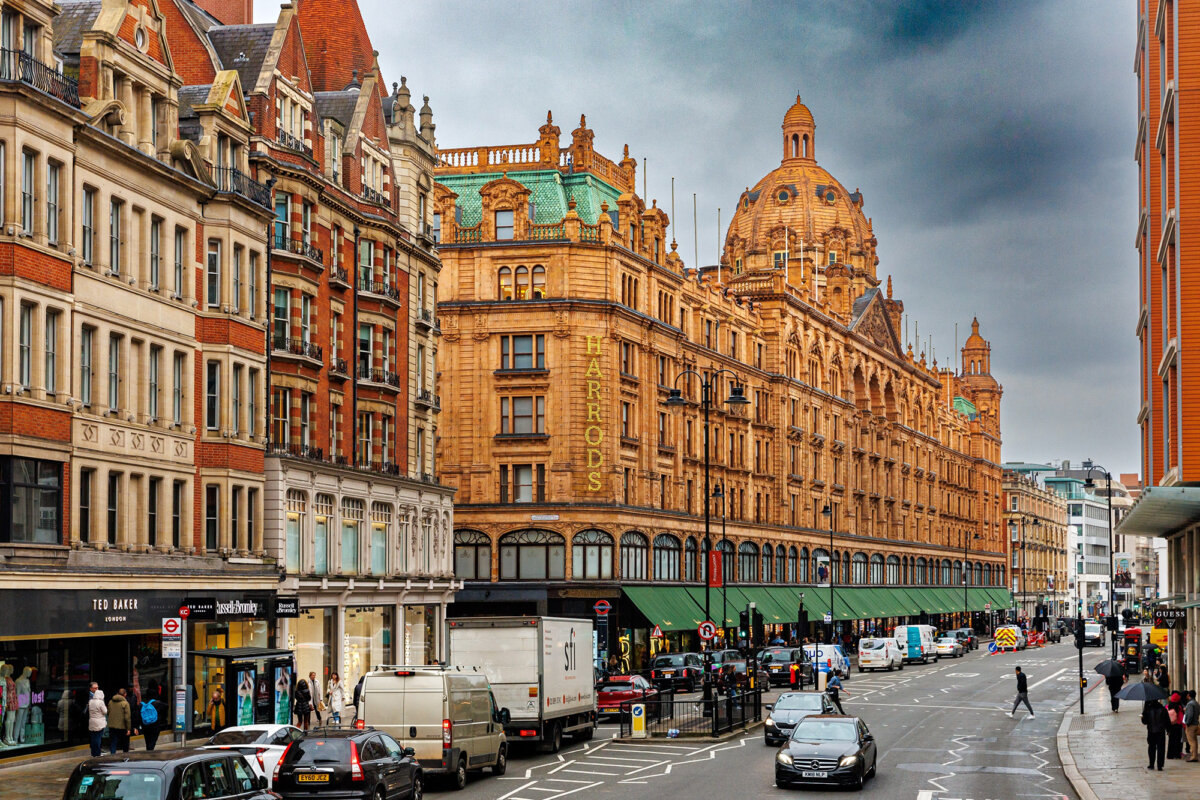
That day last November? I had lunch in the sun beside the Thames with St. Paul’s awesome ivory dome gleaming a half-mile away. I’ve had coffee and scones at a small lakeside cafe in Hyde Park in April, walked across the city in the evening in January in just a light coat, and so on. More than two dozen visits to London, no downpours, no snow, no wicked cold or unbearable heat. In all my years of visiting, I’ve yet to experience the famous pea soup fog. I’d like to, actually.
Best times overall? I advise going in late October or early April. You’ll need a light jacket or town coat; lightweight wool makes sense. The crowds will be thinned considerably from summer madness, when you must shove your way across Westminster Bridge to reach Big Ben, sweating in the heat and humidity.
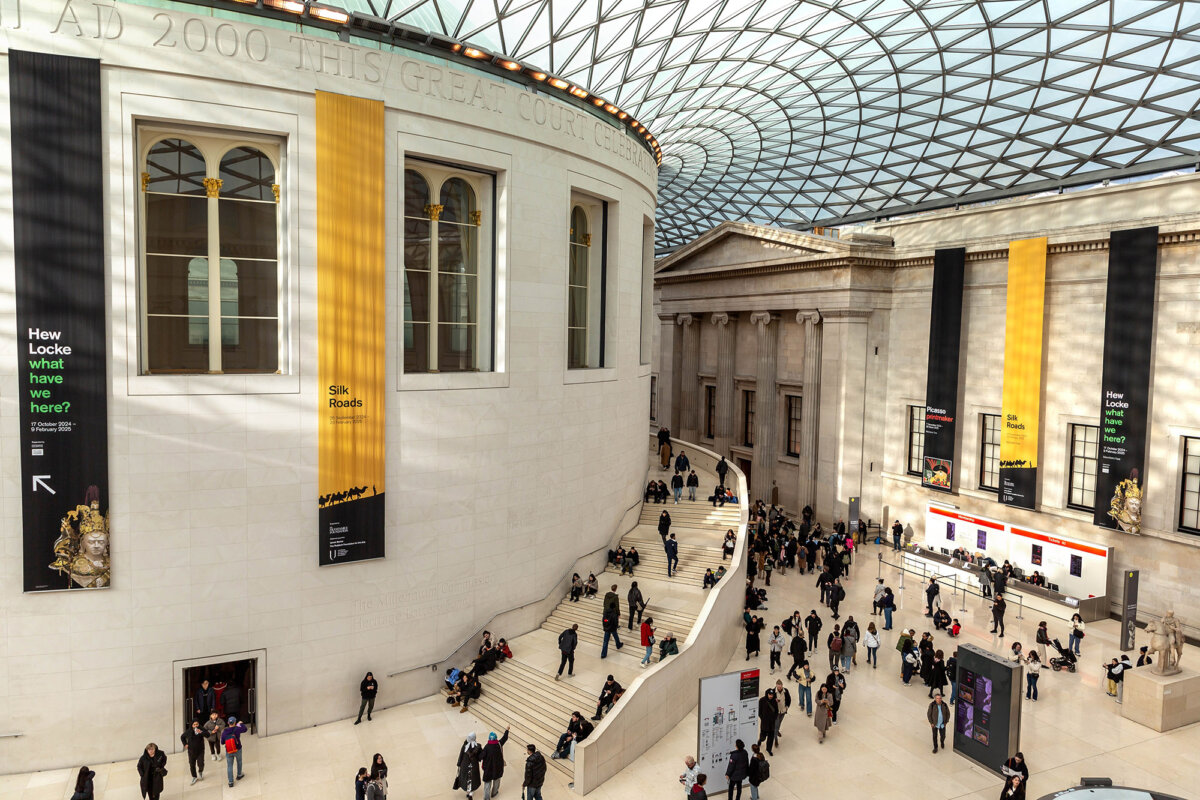
There’s a lot to like in midwinter, when you can have a leisurely breakfast at your hotel, head off to the British Museum or Tate Britain for a couple hours, and stop for roast chestnuts at the kiosk by the main gates. Then find a nearby cafe for afternoon tea, hop on the tube to get back to your hotel, and grab a light supper before heading to the West End to see a play.
Snow is exceptionally rare. Summers range from warm to hot. Flowers start to bloom in February. Annual rainfall, by the way, is 24 inches; New York City gets twice that.
The Play’s the Thing
“I could almost reach out and grab his sleeve!”
My companion and I were in the second row at the West End’s best-known indie theater, Donmar Warehouse, and we were, quite frankly, in awe. It was an edgy production of “Henry V,” Shakespeare’s flamboyant play about one of Britain’s great heroes, whose troops shocked the French at Agincourt, France.
In this case, Henry was garbed in office attire or military fatigues, and in the theater’s intimate space of just 251 seats, the star Kit Harington’s brooding presence was dramatically restrained but still larger than life. And very, very close.
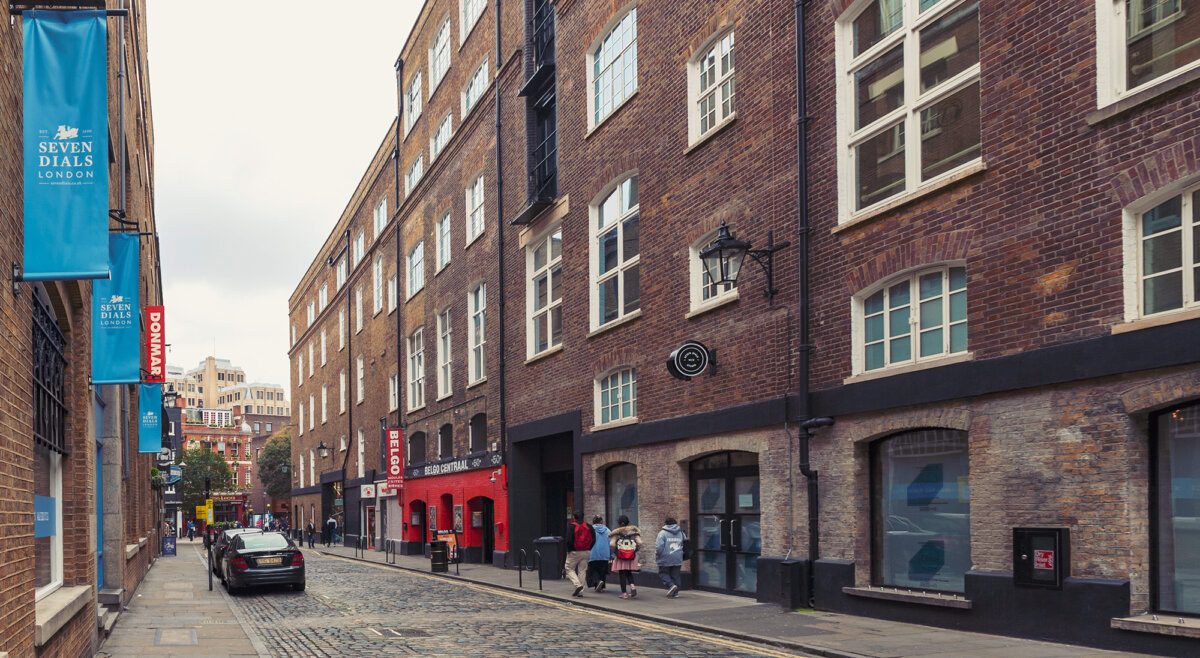
Harington had recently finished a long and wildly conspicuous run as Jon Snow in “Game of Thrones,” making him one of the most famous actors on Earth. The experience was not only memorable, it was quintessential: Nowhere can you see bigger stars in better productions of more interesting plays than in London. They are not just snazzy dramas with celebrities atop the playbill. They are superlatively staged and performed, they dip deep into humanity’s thespian well, and often push the boundaries of performance well outside the mainstream.
I’ve seen a theater-in-the-round production of “Medea,” Euripides’s classic tragedy, with a fire-breathing performance by Sophie Okonedo, star of “Hotel Rwanda” and “Death on the Nile.” Rory Kinnear, costar of four recent Bond films, flung epithets and blood around the National Theatre’s production of “Macbeth.” “Lawmen: Bass Reeves” lead David Oyelowo was a transfixing Coriolanus in Shakespeare’s tragedy about the Roman leader who dealt himself a terrible end.
Last November, it was a mesmerizing production of Samuel Beckett’s “Waiting for Godot,” the 20th century’s most challenging, memorable, and meaningful play.
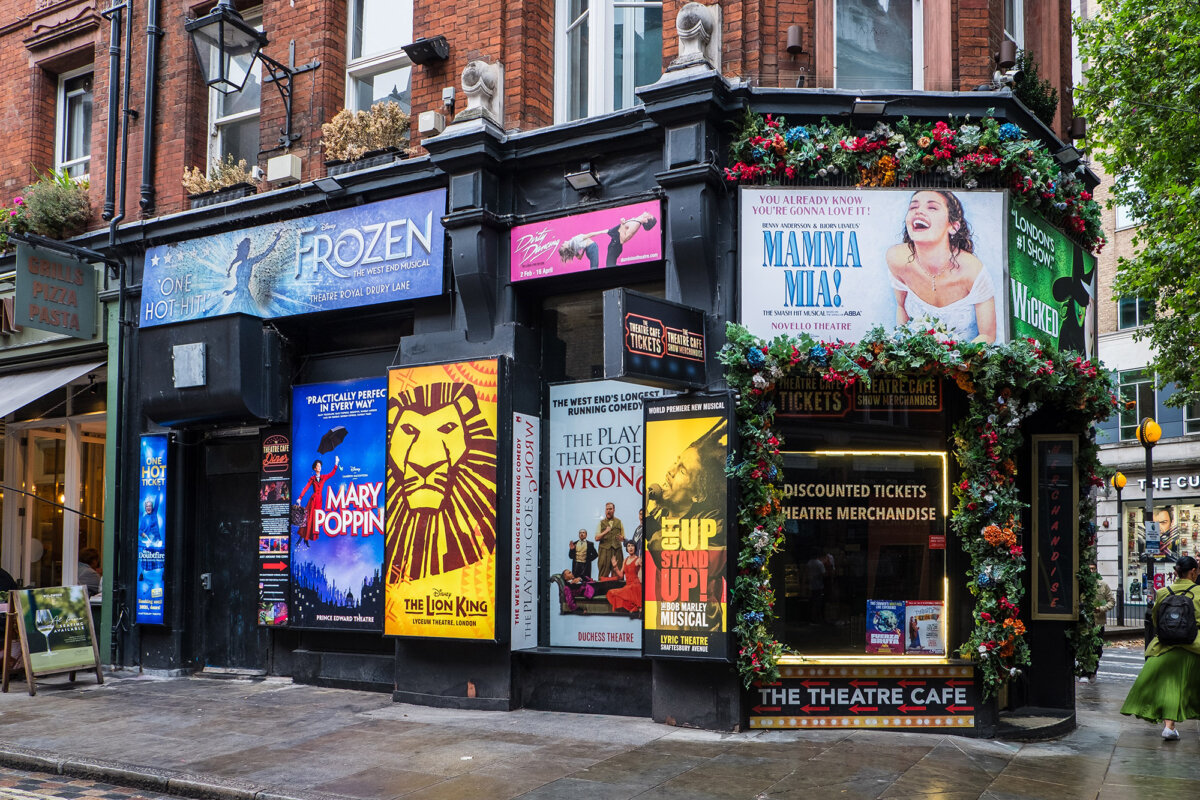
No other place comes close to having London’s colossal bounty of theater. While there are plenty of big, splashy, famous musicals (“Evita,” “Lion King,” etc.), you can see perfectly fine Broadway productions of those back in the United States. You are incredibly unlikely to see “Coriolanus,” “Godot,” or “Medea” there. Do that while you’re in London. These are once-in-a-lifetime experiences.
Naturally, there is almost always a Shakespeare production playing. Shakespeare’s Globe is a faithful reproduction of the theater Shakespeare used 430 years ago, in the same spot and remarkably affordable. Other notable venues include the incomparable three-stage National Theatre, the experimental mecca Donmar Warehouse, the Royal Haymarket, and the Harold Pinter; there are more than 50 in all. The best show aggregator and compendium is LondonTheatre.co.uk.
Which ‘City’ Are You in, Exactly?
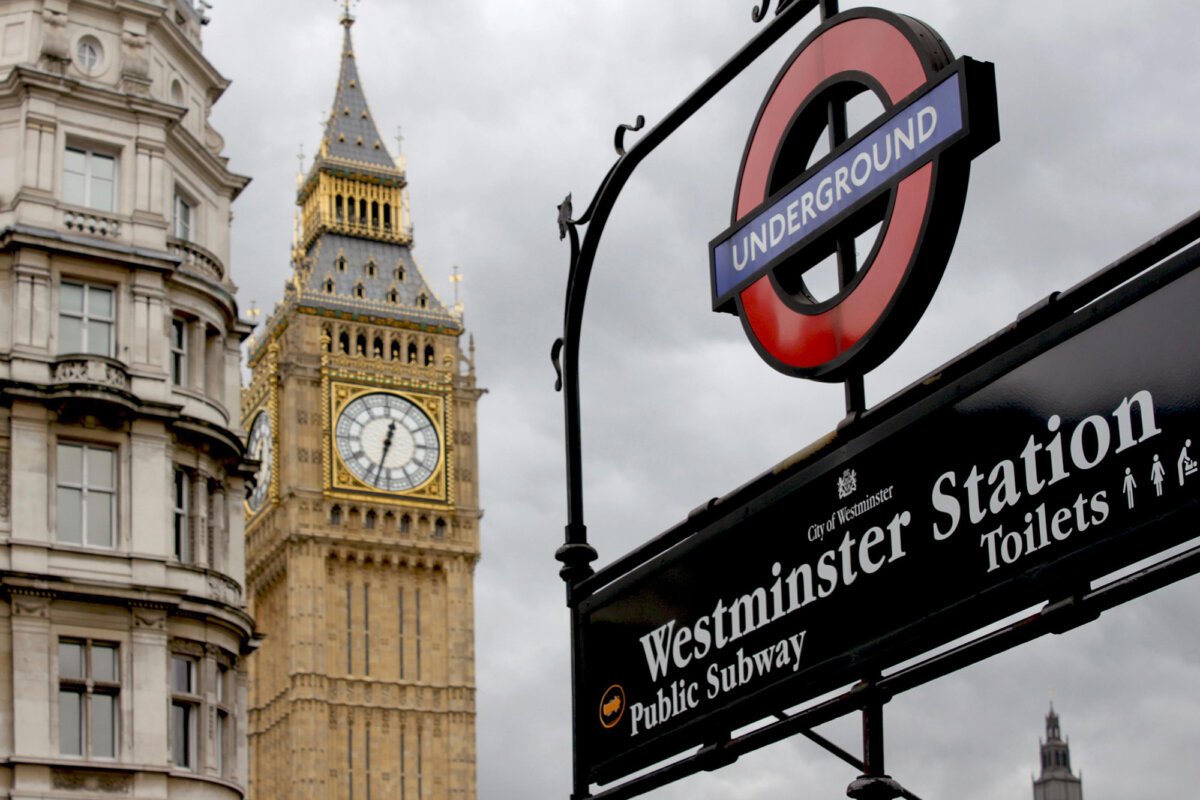
If you’re standing on the Westminster Bridge, gawking up at Big Ben, you are not in the city of London. You’re in the city of Westminster. The city of London is about a half-mile east. However, you are in “Greater London.” It’s 607 square miles and has a little more than 9 million residents.
The “city of London” is roughly a square mile and has 8,800 residents … at night. During the day, 500,000 people work there.
Huh?
Greater London is a vast metropolitan conurbation that consists, logistically, of 32 separate boroughs—like New York City, but with way more than the Big Apple’s five boroughs. Greater London’s city of London, which dates back to Roman times (A.D. 47) is not a borough. It’s a city. When you hear someone in London refer to “the city,” she means that one, which is also what the financial district is called. It’s like Wall Street, but it’s a city, not a street.
Remember: You’re in a country that clings to and celebrates styles and distinctions that seem archaic to Americans, starting with the monarchy—and despite what you may hear, the Windsors are not going anywhere. Catherine, Princess of Wales, has a favorability rating of 74 percent; her husband William, the future king, is also at 74 percent. Any politician, American or British, would be ecstatic over those numbers.
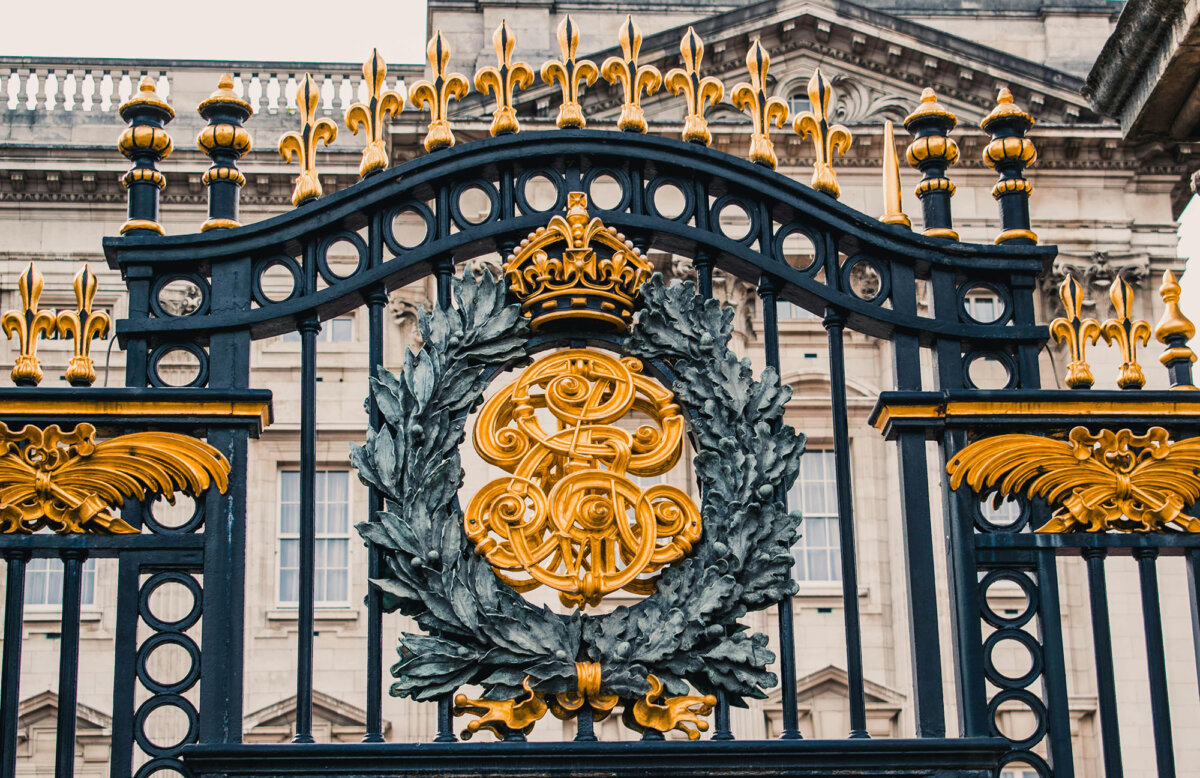
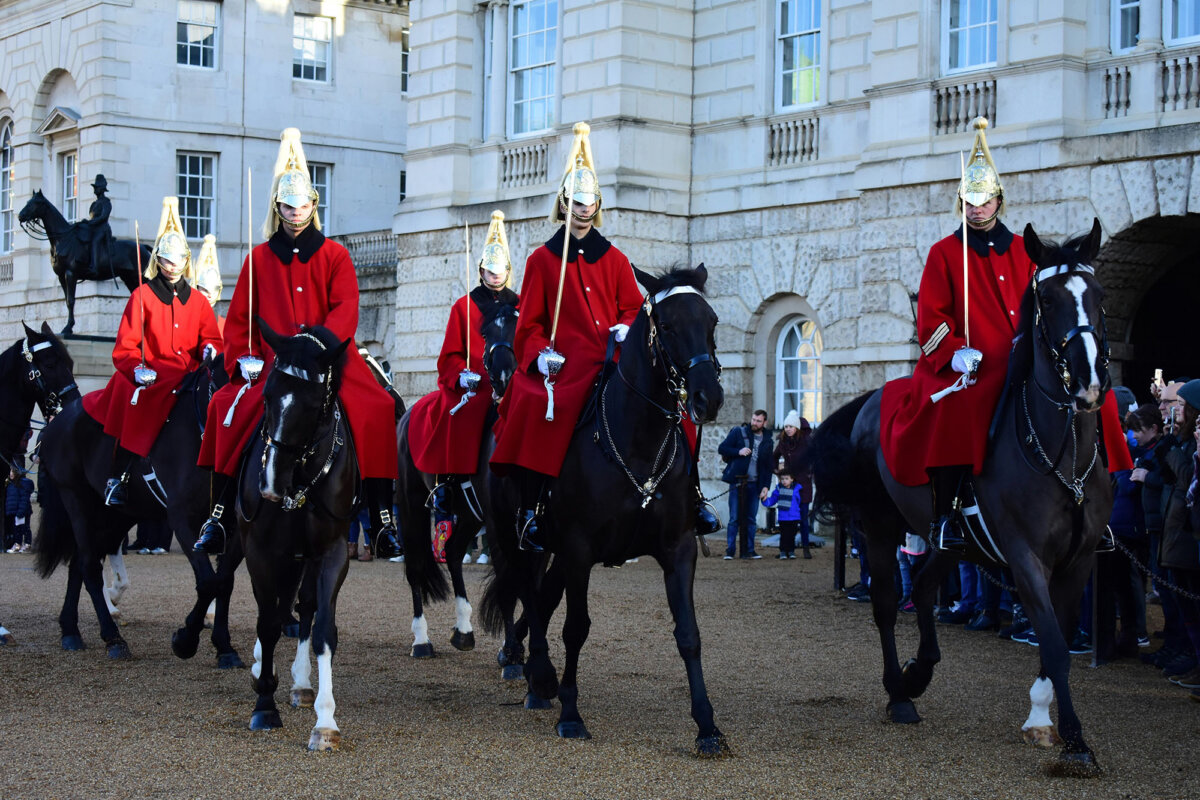
Whoever is king (or queen) is the head of state. But the government is run by the prime minister, to whom the head of state always defers. Walk by Buckingham Palace, the royal residence, still guarded by incredibly upright young men in vivid red uniforms, and reflect on the fact that its 775 rooms are no longer the seat of power.
You can walk near 10 Downing Street, the real seat of power, and ponder the fact that it looks very much like any brownstone in the Upper East Side. It’s about 1/100th the size of the White House.
Confused? Go have some fish and chips, which are actually what we call french fries. What we call “chips” are called “crisps” here. Fun!
Getting Chippy? No, Just Currying Favor
Speaking of nutrition: If a cuisine could sue for defamation, English food would be top of the list. To this day you hear about mushy peas and shoe-leather meat from supposed “experts” who’ve been here a couple times, back when Mick Jagger was a lad.
Forget all that. It’s just wrong.
There are 85 Michelin-starred restaurants in London, more than New York. (Paris has 123; Tokyo, 160.) You can, as I have done, easily spend $500 on dinner for two in Mayfair, the high-octane neighborhood east of Hyde Park, the haute cuisine district. It was an excellent dinner, too, if the atmosphere was a bit stiff and the tables too close together.
But London’s true culinary treasures are traditional British down home foods. Premier among them are fish and chips and curry.
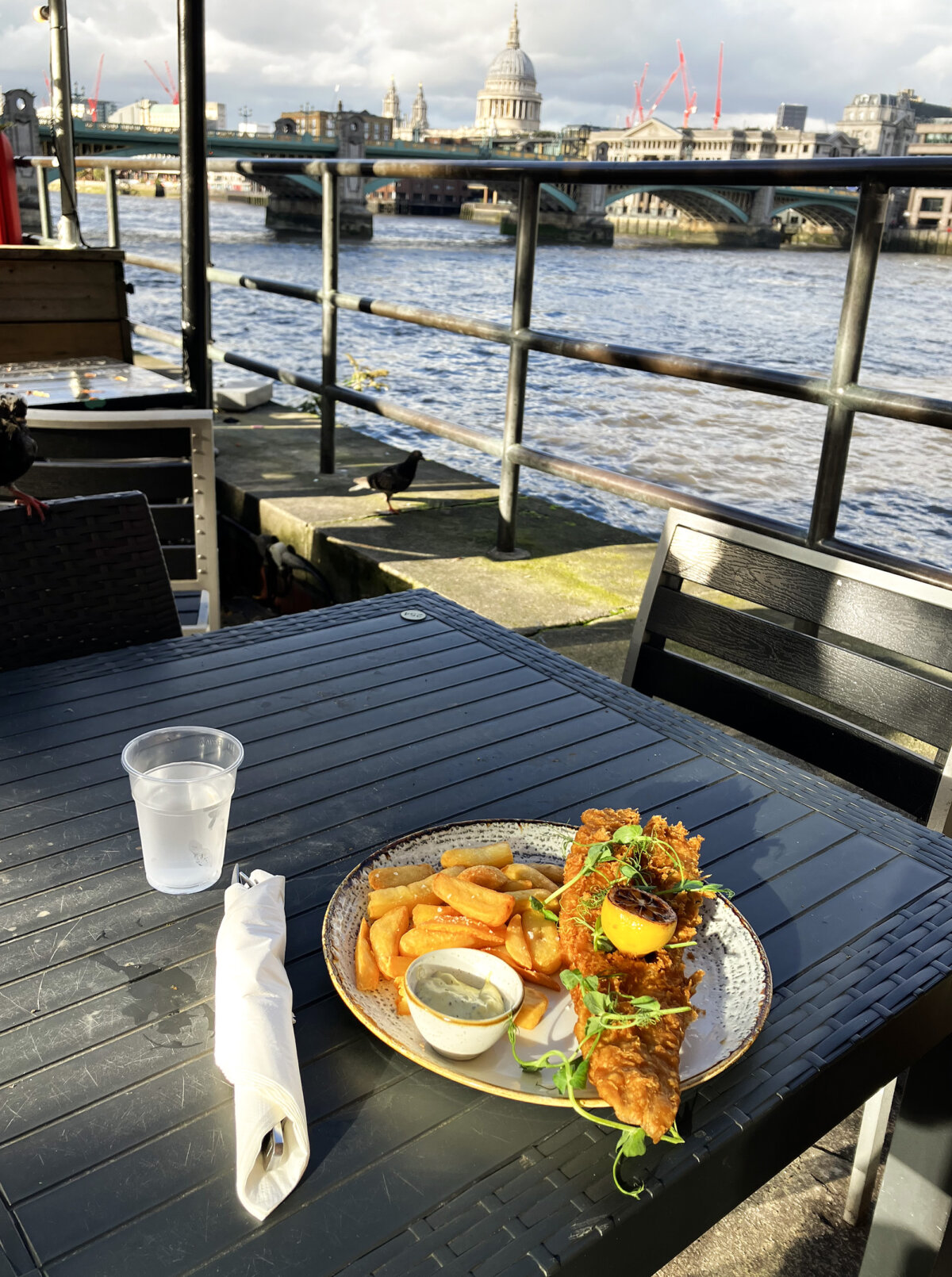
Why? Fish have been a mainstay here for millennia, for obvious reasons. The surrounding sea took British ships to Asia in empire days, and brought home immigrants and retired commonwealth officials who had an avid taste for curry. Every pub has fish and chips on offer. If they are no good, it’s a bad pub.
Curry is a popular pub food, too, but it’s best that you venture off to the famous Brick Lane, an East End street. Bricks were once made here, but now a score of establishments serve fiery Bengali curries by the dozens. Barkers stand on the curb singing the praises of what’s within. Arrive at 5 p.m. and you’ll have a table to yourself, with unflagging attention from a server charmed by your delight in this unique culinary experience. This may be England, but the curry is hot. Naan is the antidote.
But that’s not all.
If you are lucky enough to find a bacon roll for breakfast, have at it. This is a simple sandwich bun, like a hoagie but better, with thick slabs of English bacon, a simple spread such as butter or mayonnaise, and … that’s it. Nothing else needed.
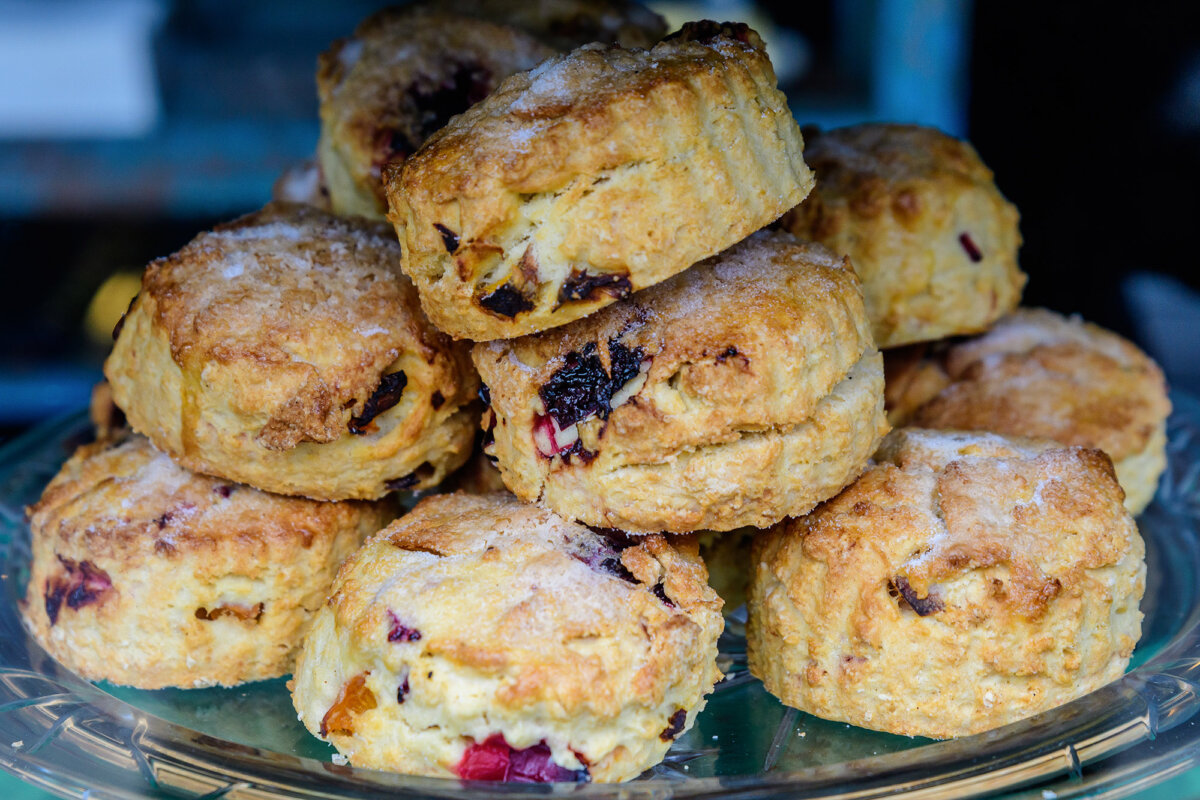
Many Anglophiles, including your correspondent, believe that the pinnacle of English cuisine is clotted cream and Welsh scones. With the consistency of sour cream but tasting much sweeter and richer, clotted cream should be made from Jersey cow cream. It needs no embellishment. The scone is just the vehicle.
Good Welsh scones are never dry, don’t crumble into bits in your hand, and are cooked on a griddle, not baked. Most coffee bistros offer clotted cream and scones. It’s a divine midmorning pick-me-up.
Fish and chips aren’t just pub mainstays. One famous East End emporium, Poppies, brings in its fish and potatoes fresh from docks and farms each morning and fries everything in peanut oil. If you’re feeling adventurous, you can add a side of jellied eels. Go ahead, do it; it’s as English as you can get.
Yes, There Is a Free Lunch. Sort of.
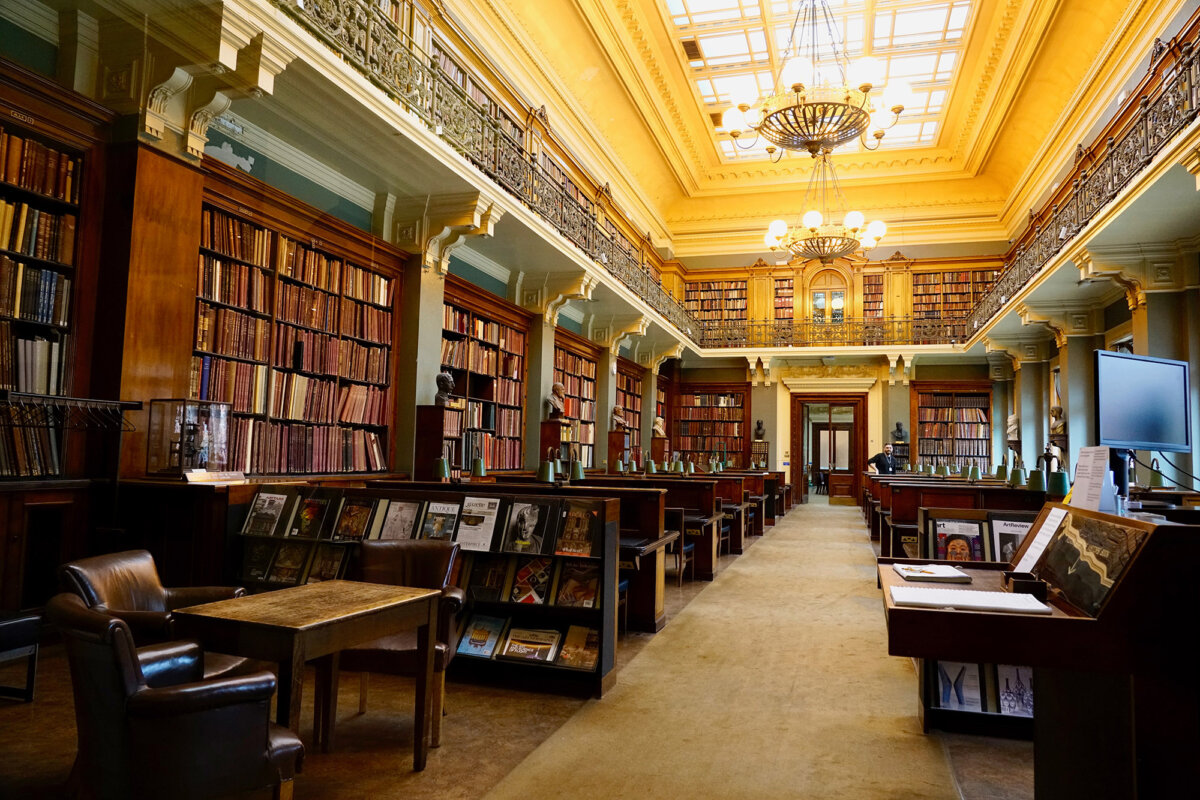
As in New York City, several of London’s major attractions were founded on the condition that they remain free and open to all. And they are … for those with the spiritual constitution to stroll by a gauntlet of pleas for “donations” and reminders about how expensive it is to run the world’s leading museums. Visitors do have to pay for special exhibitions.
If you’re just there for the free stuff, can’t hurt to drop a couple pounds in the donation cups. I’m such an Anglophile that I maintain an annual membership in the Tate galleries (the Tate Britain, the traditional art museum, and the Tate Modern).
While New York City’s art museums are bigger and better, London is a peerless museum city. Many world-famous items are here, including the Rosetta Stone, J.M.W. Turner’s “The Fighting Temeraire,” the world’s oldest carpet, and much more.
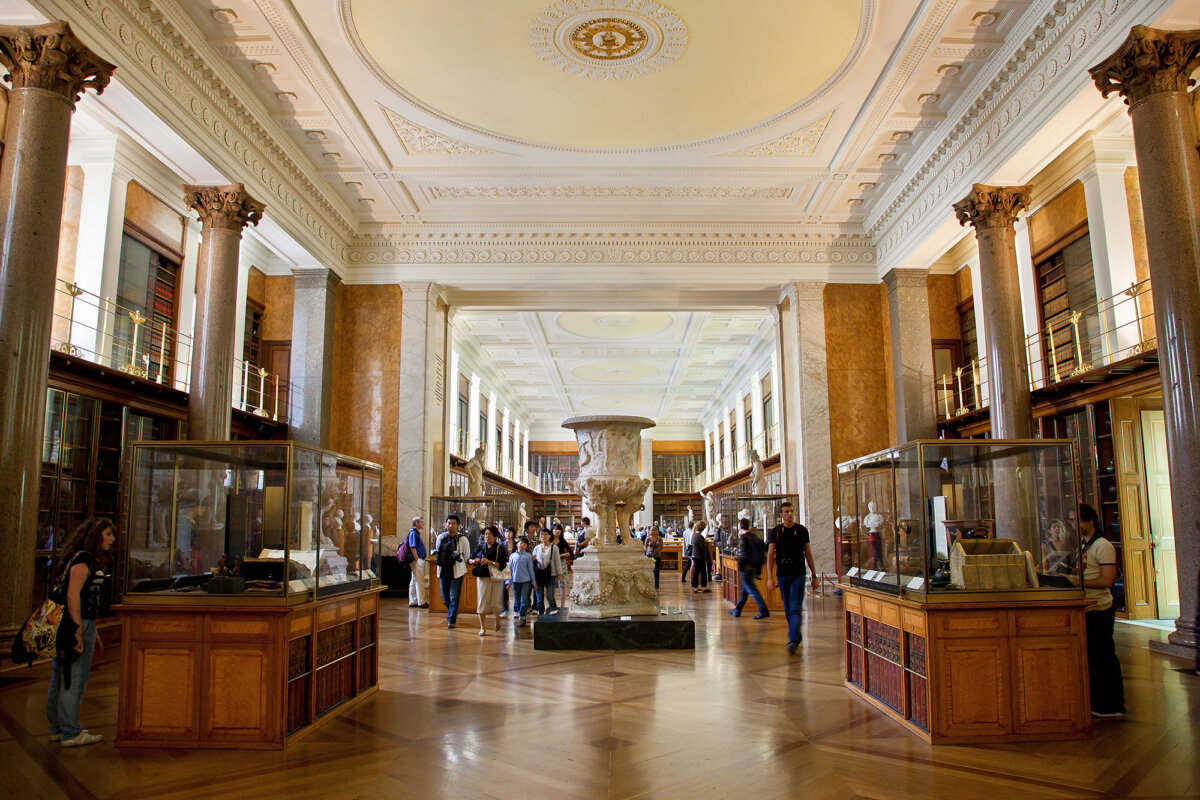
The British Museum, British Library, Tate galleries, National Gallery, National Portrait Gallery, the Victoria and Albert, Natural History Museum, and Tower of London (home of the crown jewels) are among the best-known. Smaller but just as worthy and more manageable are the Imperial War Museum, Churchill War Rooms, and yes, the Sherlock Holmes Museum, which is indeed at 221B Baker Street. There are more than 60 museums in all, which is pretty mind-boggling and far beyond the grasp of any visitor in one trip.
My personal favorite illustrates in a small side room the vast scale of British significance in the human story. Walk into the British Library, head toward the back, and you can get a close-up look at one of four original copies of the Magna Carta, the 800-year-old document considered the foundation of liberty in Western culture. Not far away is Paul McCartney’s handwritten page of lyrics to “Yesterday,” the most popular song in music history. Both are awesome artifacts of the human condition, both quintessentially British, right there before you.
Several of the museums are also notorious for acquiring and keeping historic artifacts not surrendered voluntarily. Most controversial are the Elgin Marbles from the Parthenon, stolen in the middle of the night from Athens, Greece, more than 200 years ago. They are on display in the British Museum, surrounded by large panels offering elaborate arguments for why they should stay put. Greece wants them back; ditto for the Rosetta Stone, which Egypt wants. The Koh-i-Noor Diamond, acquired nefariously in India, is set in a crown on display at the Tower of London.
“London is a city of contradiction and chaos, but that’s what makes it so thrilling and alive,” actress Emma Watson once said.
Do great importance and achievement intrinsically carry dubious baggage? Visiting London offers the opportunity to think about it, in a city that simultaneously celebrates liberty and royalty, past and present, and … fish and chips.
