



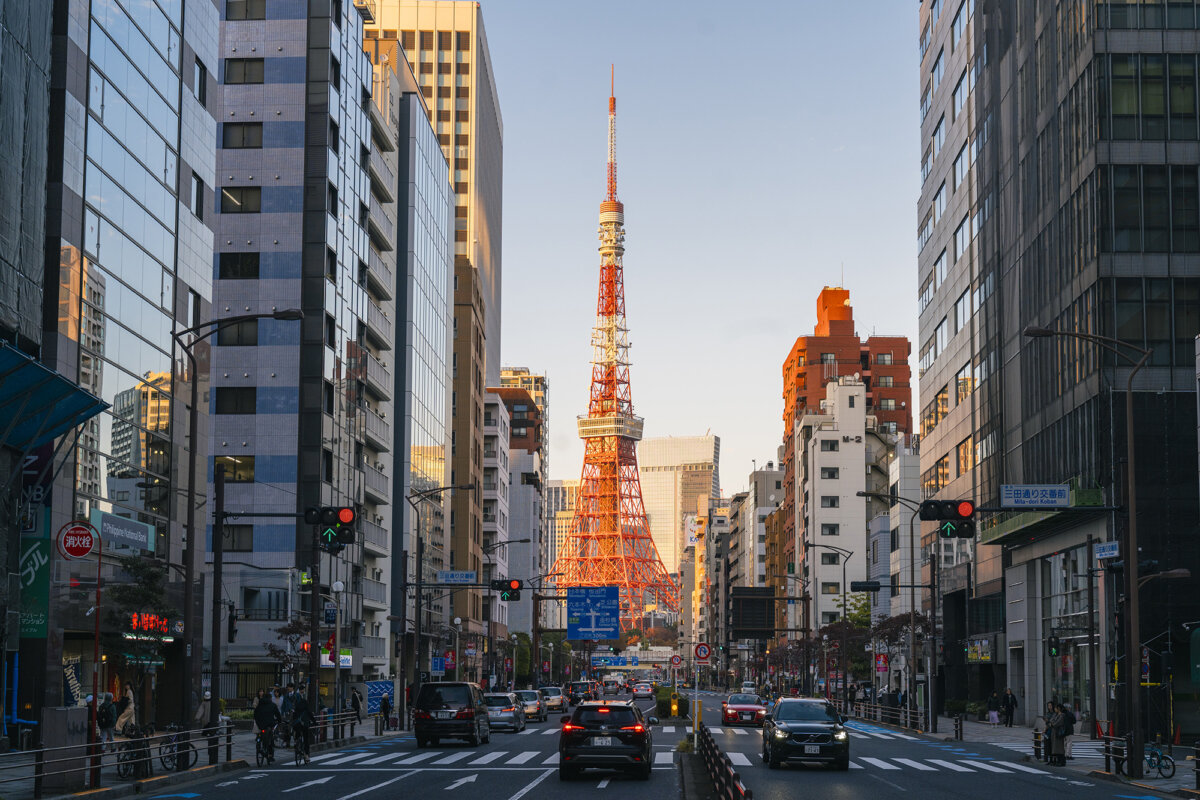
My first visit (of many) to Tokyo came as a complete surprise, which made those first few days in Japan’s capital equal parts baffling and fascinating. But here’s the thing: Once you figure out what makes this massive metropolis tick, everything just makes sense.
For me, my ongoing love affair with Japan began with an overbooked flight. Connecting back to Canada through Narita International Airport (NRT) after an extended trip throughout Southeast Asia, I chanced upon a conversation with the gate agent. Perhaps I was checking on my seating for the long flight over the Pacific—I don’t really remember.
“You know, sir, we will be looking for volunteers to give up their seats,” she said. I shared that I was, in fact, not in a rush to get home.
She said: “Well, there will be significant compensation. Shall I add you to the list?”
Yes. And less than an hour later, I was riding the smooth, contoured track into town aboard the Narita Express. I had a confirmed booking back to Toronto four days later and more than enough cash in my pocket to cover my expenses for this fun little side adventure. The first thing I learned? It’s that all the things you don’t expect are the ones that make Tokyo so special.
Travel by Public Transit
Yes, the first time you stand in front of a Tokyo transit map can be rather intimidating. Trying to understand how to, say, travel from the Imperial Palace to Mizumoto Park can seem like trying to figure out some unsolvable mathematical equation. But like everything in Japan, there’s a method to the madness.
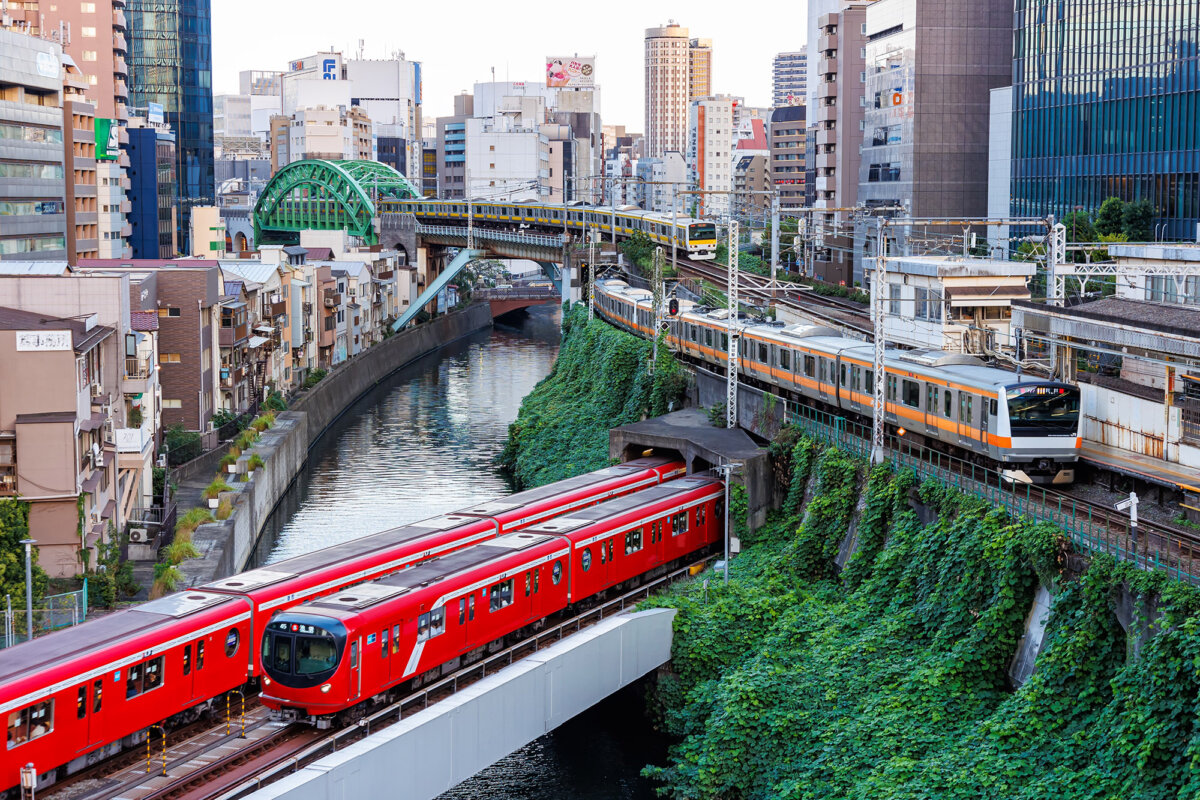
A number of different companies (Tokyo Metro, Japan Railways, Toei) operate some 900 interconnected rail stations across the metropolis. Most of them have “departure melodies” or fun little songs, unique to each station, that signal arrival and closing doors. (Much nicer than a buzzer or a conductor barking into a microphone.)
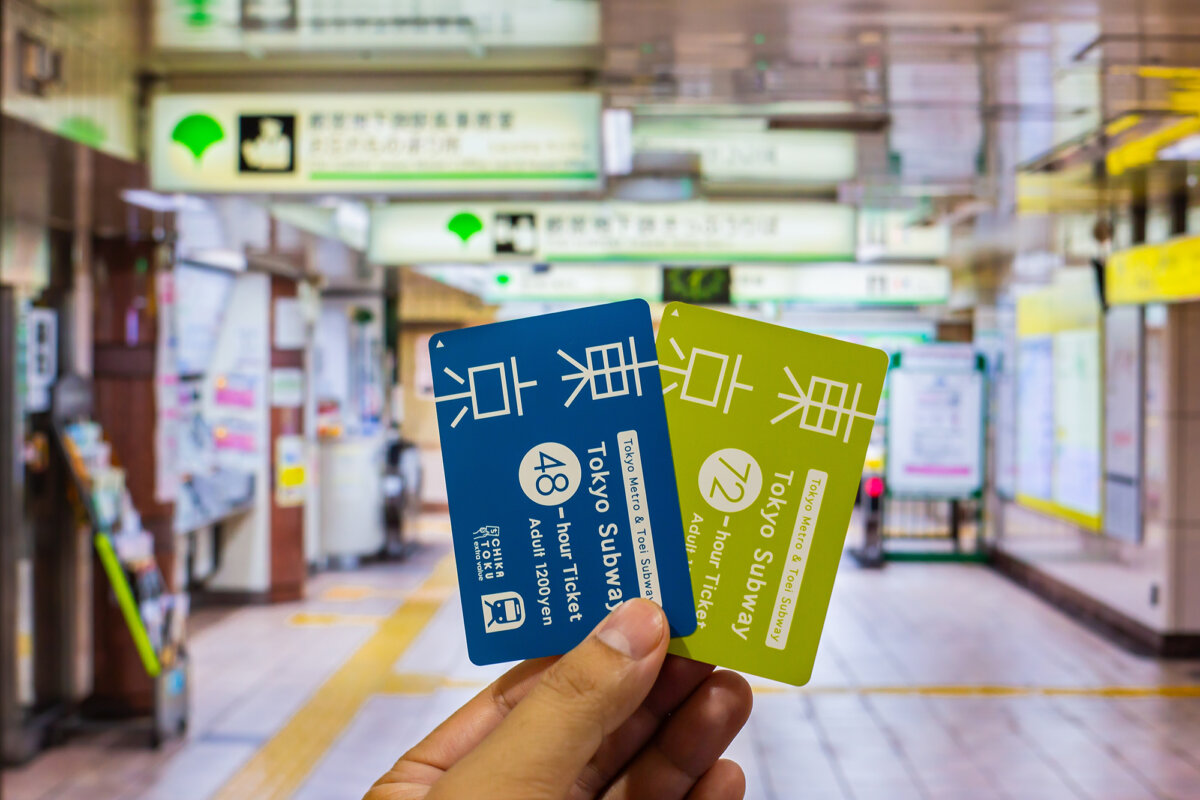
There are thousands of miles of track in total. Using all the different systems, you can find some sort of train to deliver you to within a block or two of wherever you need to go. So, hot tip: If you’re moving around a lot, buy a Tokyo Combination Ticket, which, for about $10, will let you move seamlessly between the lines during a 24-hour period.
And if you get confused? Just ask. I’ll never forget the time I got turned around at Tokyo Central and approached an unsmiling police officer for directions. He unzipped his bulletproof vest and, to my utter amazement, produced a small book of laminated maps. Tracing my route with his finger and flipping between pages, the man had me on my way in no time.
Take a Taxi, Even Just Once
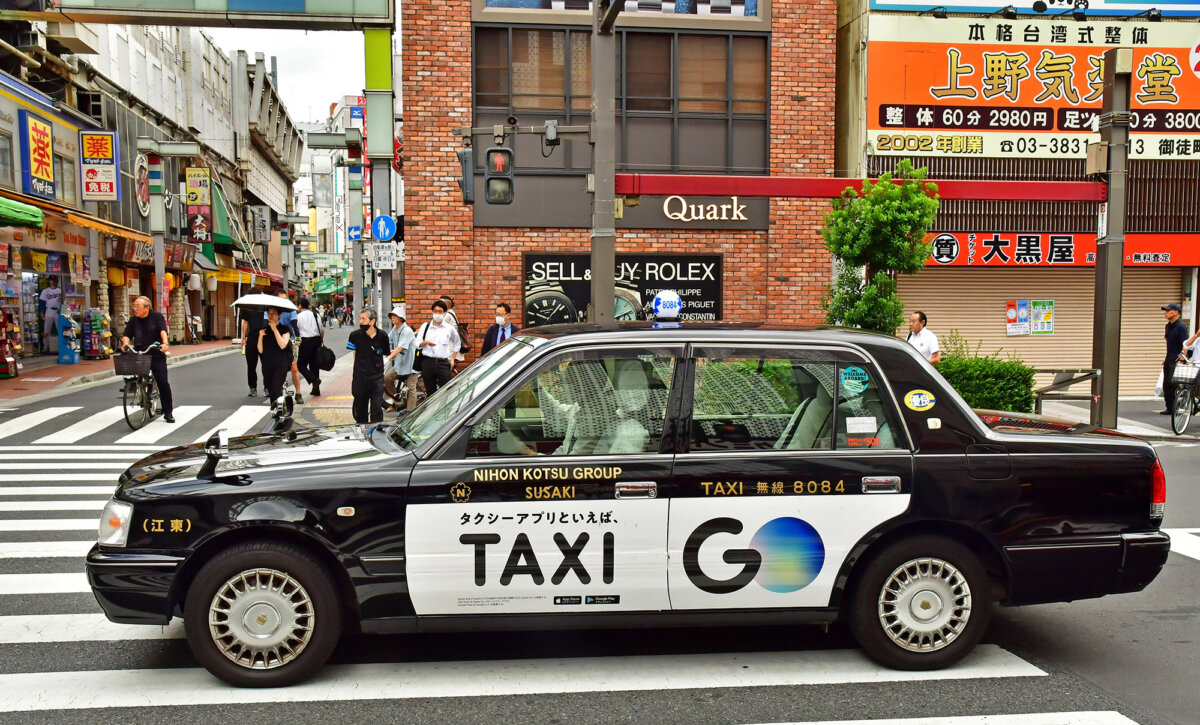
Want to feel like a king in Japan? Take a taxi. Seriously. Unlike yellow cabs in New York City, where I inevitably seem to sit in some sticky substance covering the back seat and have the smelly, unshaven guy behind the wheel drop me off in the wrong spot, Tokyo taxis are a dream. They are spotless and steered by an impeccably uniformed, white-gloved driver, who—no joke—uses some sort of magical mechanism to open and close your rear door. And he never expects (or accepts) a tip.
Join the Japanese in Their Passion: Baseball
Baseball is casually called “America’s pastime,” and maybe it was at some point in history. But these days, it’s the Japanese who truly love this game. Men, women, young, old—the passion cuts across demographic lines. The greatest player on Earth, Shohei Ohtani, is considered a national hero, and Japan won the 2023 edition of the World Baseball Classic.
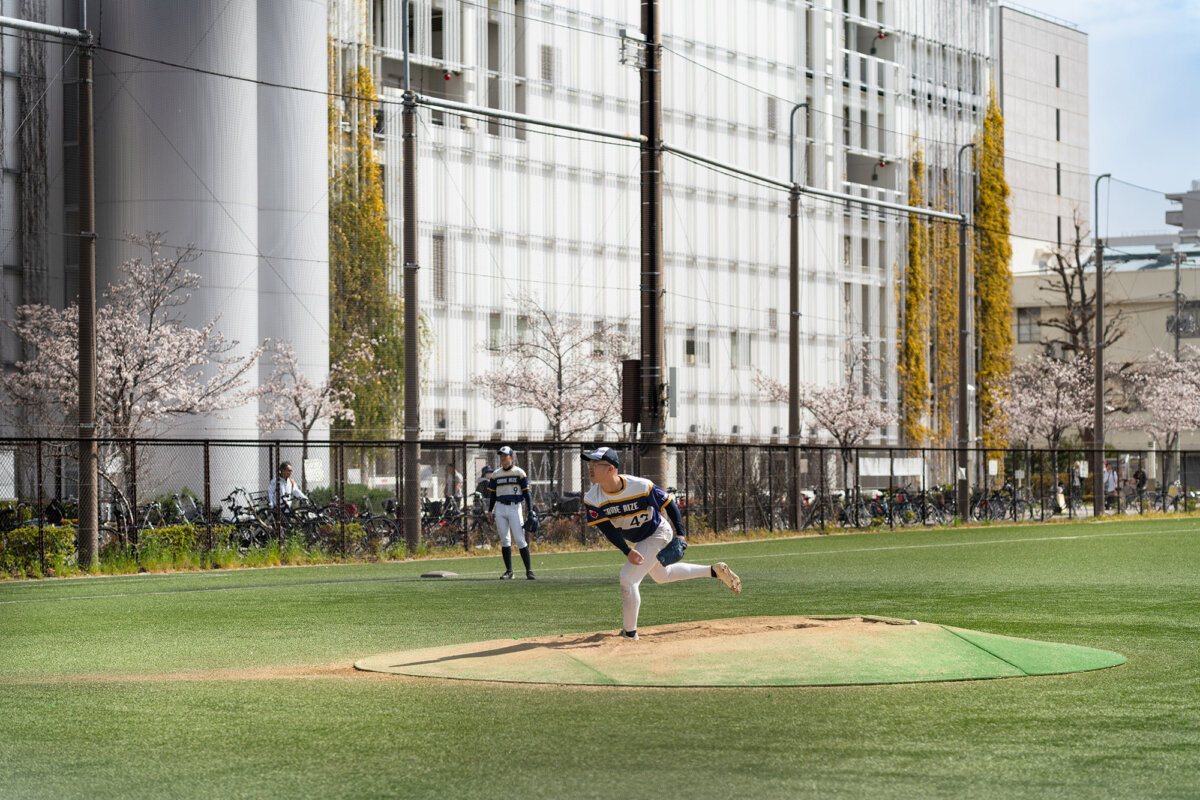
Attending a game in Tokyo really is a must, even if you don’t know (or care) about the sport, which the Japanese have played since the second half of the 19th century. Watching the fans is an ultimate cultural experience, something I’ve done in both the open-air stadium in Yokohama and the enclosed Tokyo Dome.
Between innings, cheerleaders run onto the field and whip up the spirit, no matter what the scoreboard says. Designated cheering sections wave flags, blow trumpets, and bang drums. Chants resonate through the crowd, and each player’s own designated tune is sung when he comes to bat. The noise and energy are unrelenting. Trust me: It’s awesome.
Follow the Rules (as Much as You Can)
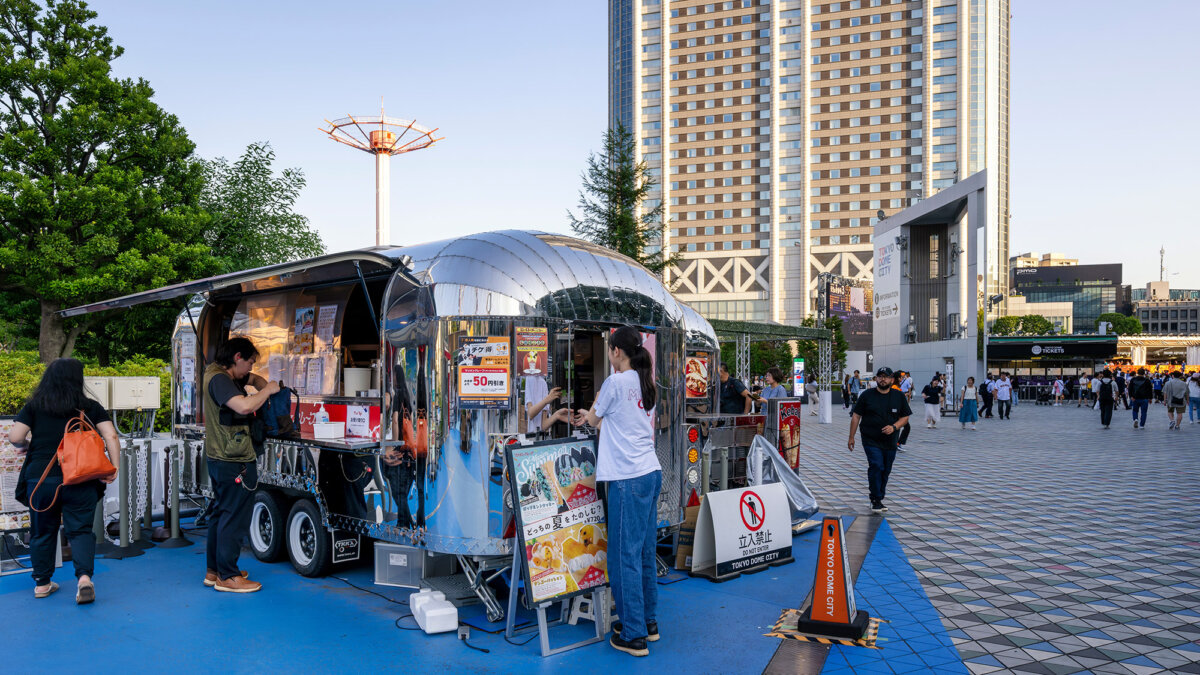
Westerners—even those who have lived here for many years—have a very difficult time understanding Japan’s intricate and extremely complicated social order. There’s seemingly a rule for everything, something the locals learn from birth. These range from the appropriate angle of your bow to the tone of your voice to, importantly, when and where you can eat.
It’s how a nation of 123 million people living on a mountainous series of islands roughly the size of California functions so efficiently. The good news: Japanese people won’t expect you to know everything. But here are a few basics to follow.
Never cross against the light—“don’t walk” means “don’t walk,” even if there’s not a car in sight. Take care of your own garbage. If you can’t find a bin, carry that trash with you until you can. Learn a few words of the language—greeting someone with a bright “Konnichiwa!” will open a lot of doors. Line up in a straight line, whether you’re waiting to board a train or enter a restaurant.
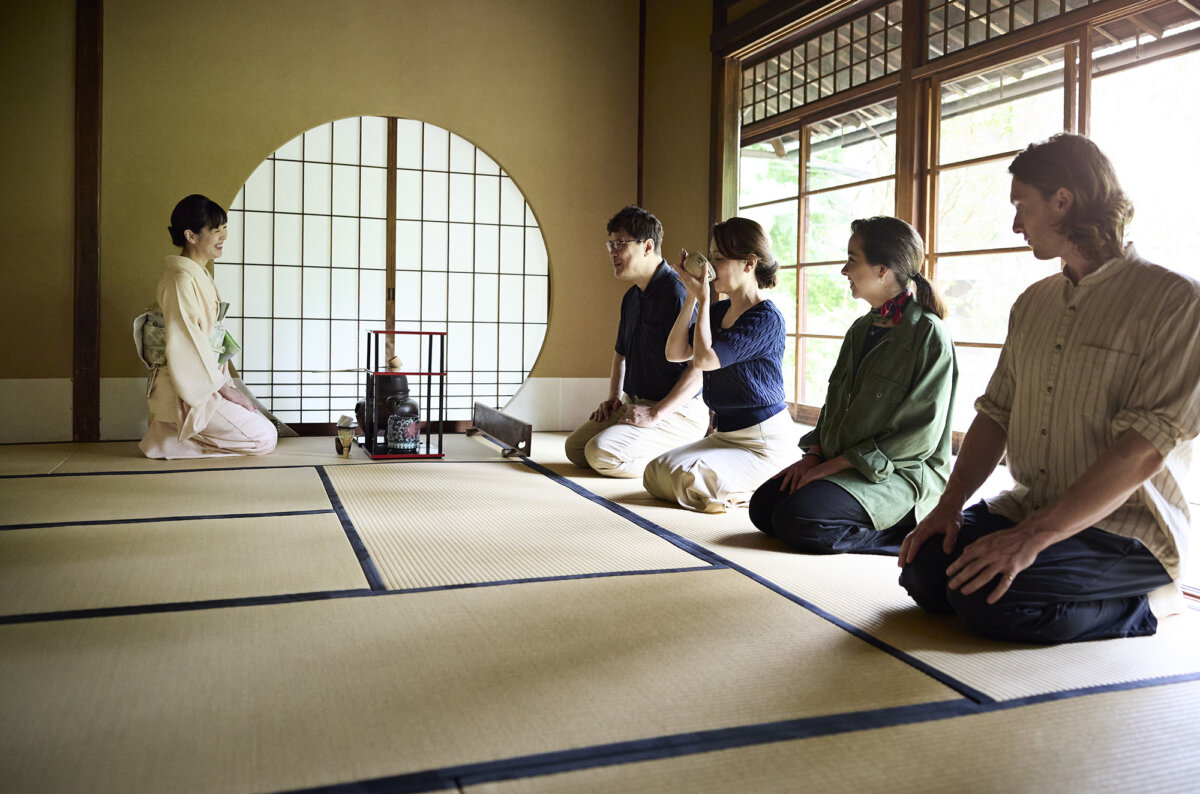
And never, ever eat while you’re in motion or in a place not designated for consuming food. Even strolling with an ice cream cone isn’t cool. I’ll never forget the time I needed a light lunch (I had an early teppanyaki reservation for dinner) and bought a sandwich from a grocery store. Normally enough (I thought), I went into the adjacent mall and proceeded to sit down on a bench to eat it.
Slowly but surely, one by one, shopkeepers emerged from their stores to stare. And then it dawned on me. I was breaking the rules. Sure enough, a slight turn of my neck revealed a sign, in three languages (including English), forbidding a variety of activities on the bench. No sleeping or placing your feet on the seating area. And yeah, certainly no eating allowed, either.
Eat at the Mall (Just Not on the Bench)
Tokyo is certainly a city of towers, seemingly endless glassy spires stretching the imagination. But a lot of this city’s life is lived underground. When I say “mall,” I really mean the miles and miles of subterranean concourses where many millions of Tokyo-jin shop and work and, especially, eat.
These often adjoin train stations, which are, for all intents and purposes, the hubs of life here. A place such as Shinjuku, the world’s busiest train station, has literally thousands of tiny bars and yakitori joints and sushi spots and wagyu restaurants and so much more. You can literally walk for hours and never reach the end of them. (Trust me: I’ve tried.)
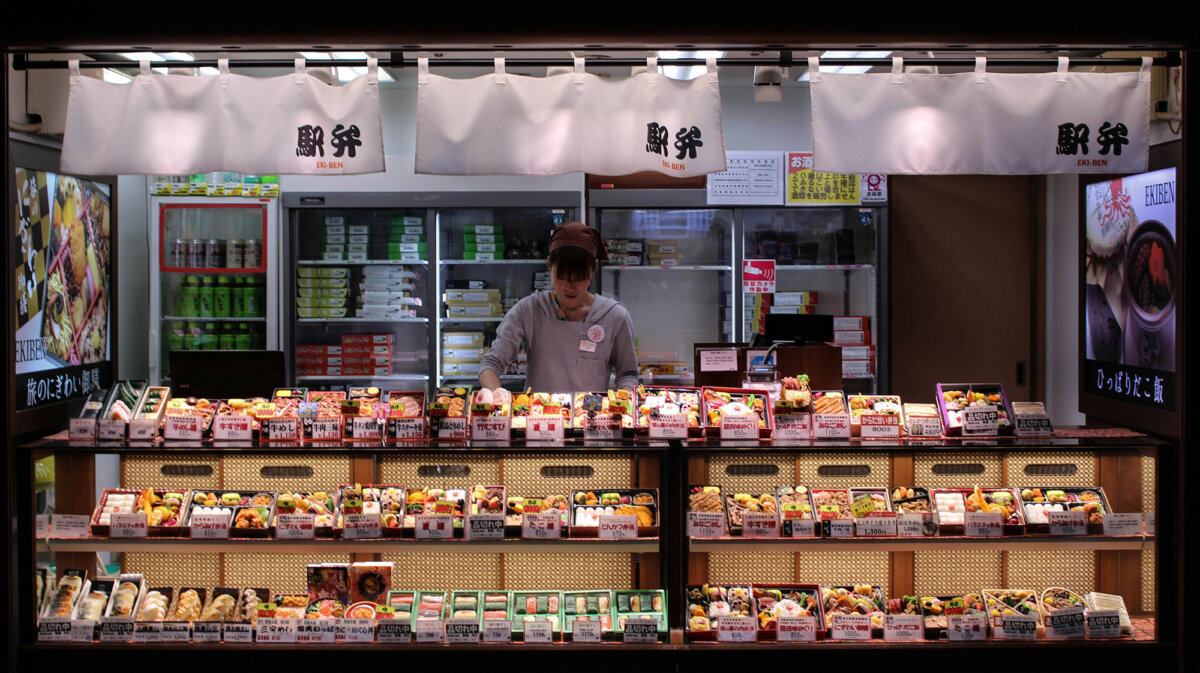
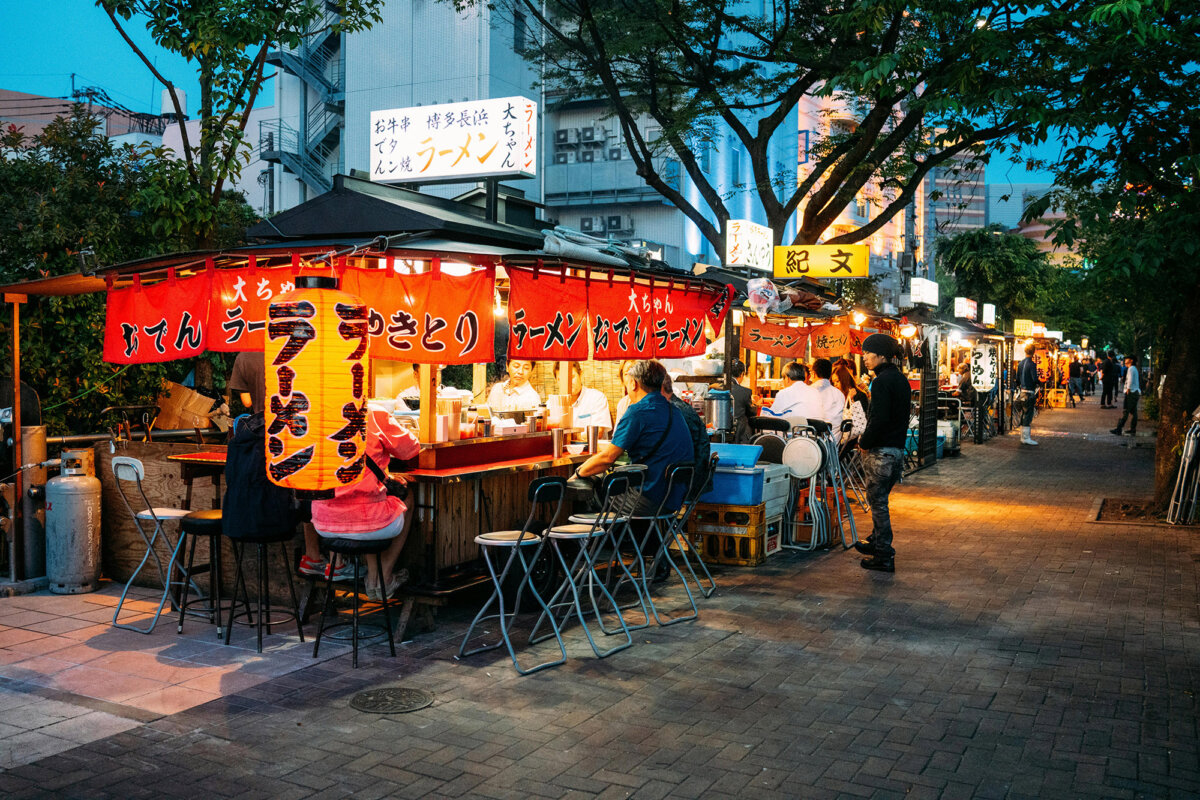
Helpfully, most have plastic models of the food they serve out front, a nice preview of the meal ahead. The biggest challenge is finding the right spot to settle down for a katsu curry or a steaming bowl of ramen. But Tokyo is a city where culinary pride runs deep, so you’ll rarely (ever?) get a bad meal. Eat, follow the melody to hop back on the Japan Railways line or the Tokyo Metro, and get ready for another fascinating day tomorrow.
_______
Getting There: HND or NRT?
Japan’s capital has two main airports—and it’s very important to know where you’ll be landing. Haneda Airport (HND) is south of the city and much closer to most of the stuff you’ll want to visit (as well as the cruise port at Yokohama). It was opened in 1931 and was once the only airport here. Haneda still handles the majority of domestic traffic for both Japan Airlines and All Nippon Airways, but also many nonstops from North America—Chicago, Toronto, Detroit, Los Angeles, and a lot more.
However, strangely, in my experience, it’s not particularly easy or simple to get from HND into town. This might be the one time you try a taxi in Tokyo. Despite Tokyo’s legendary public transit system, I always seem to need a complicated series of connections to reach my hotel.
Including, in my recollection, the only monorail that serves as a primary form of transport to a major airport. The last time I stood, weary and unsteady, leaning on my luggage, sweating hard through my shirt while riding that monorail after a 14-hour flight, I swore that I’d never do it again. (And I promise you: I haven’t.)
Now, NRT is far away from the city center but, in my experience, easier. It opened in 1978 and was once called New Tokyo International Airport. If you’re transiting through Tokyo to another destination, this will probably be where you’ll do it. But if NRT is your point of entry into the country (and again, many airlines fly here nonstop from North America), the 37-mile trip into the city center is made much simpler by the Narita Express, or N’EX. The train leaves from all terminals and services some of the city’s main train stations (including Shibuya, Shinagawa, and Shinjuku).
