
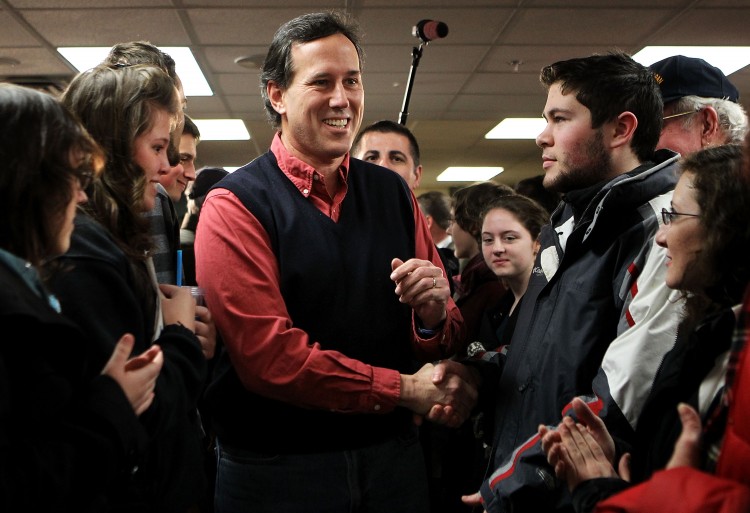
The wheel continues to turn in the GOP presidential campaign, with former Massachusetts Gov. Mitt Romney edging out former Pennsylvania Sen. Rick Santorum at Tuesday’s Iowa caucuses, but without a convincing win to ensure a straight run for selection.
In the aftermath of Iowa, there were a couple of surprise moves. Minnesota Rep. Michele Bachmann announced her retirement from the race despite hinting that she would continue on the night of the caucuses. Meanwhile, Texas Gov. Rick Perry announced he will continue and declared he would retreat to Texas to assess his position, despite gaining only 10 percent in the Iowa caucuses.
Mitt Romney struggled to take the lead throughout the night in “America’s heartland,” with Texan Rep. Ron Paul at one point leading the pack as early votes came in.
Early Wednesday morning, the final results put Romney slightly ahead by 8 votes at 30,015 and 24.6 percent of the vote.
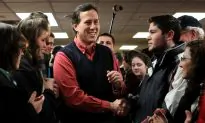
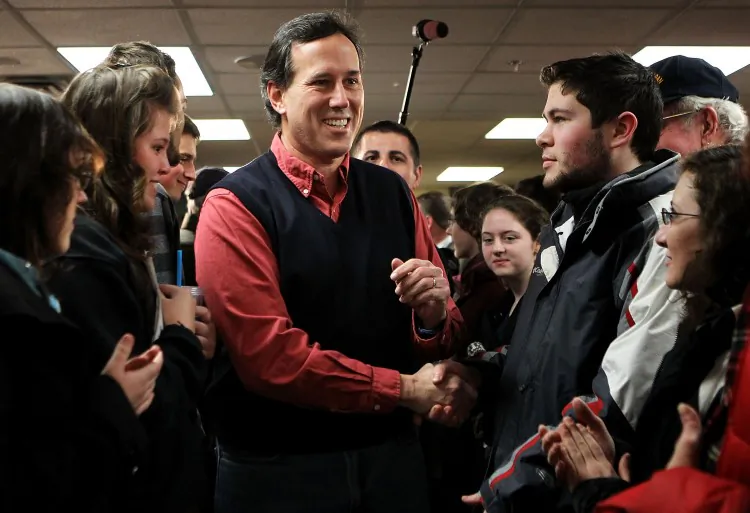
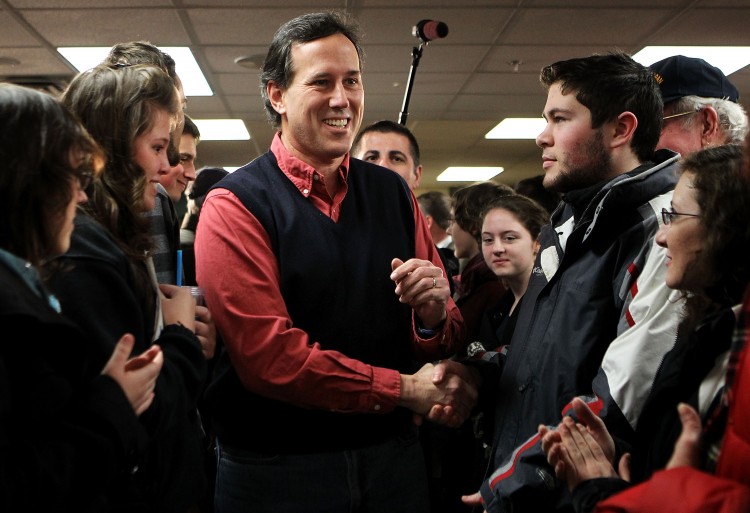
Rick Santorum was second at 30,007 and 24.5 percent. Ron Paul came in third with 21 percent, while Newt Gingrich fell well back with 13 percent.
Texas Gov. Rick Perry, who spent $4 million on Iowa, came in fifth with 10 percent of the vote. Disappointed, he initially indicated he would retreat to Texas and “assess the results” only to bounce back Wednesday, tweeting on his personal account, “Here we come, South Carolina.”
Rep. Michele Bachmann, despite being born in Iowa, was able to garner only 5 percent of the vote, taking sixth place.
Bachmann indicated Tuesday night she would initially continue, but conceded on Wednesday, saying the people of Iowa had spoken, “and so I have decided to stand aside.”
While the Romney camp is upbeat about the win, the former governor conceded it was not decisive.
“I think landslides are terrific,” Romney told reporters later that evening, the Washington Post reported, “I just didn’t see that in last night’s figures. I’m not sure about you.”
Romney campaigned hard in Iowa and won despite a much smaller roll-out than the 2008 election, where he was trounced by Mike Huckabee. He had ten times the staff in that campaign and spent $10 million. Political analysts were surprised at his razor-thin margin, however, and are divided over the extent of his success.
William Galston, political analyst with the Brookings Institution, says the result in Iowa was good for Romney, as the two real challengers, Newt Gingrich and Rick Perry, had done poorly. Galston believes Rick Santorum and Ron Paul have little chance of receiving the Republican Presidential nomination, leaving the field wide open for Romney.
“Romney is in a good position to win early and begin unifying the Republican party around his candidacy,” he said in an analysis of the Iowa caucuses.
Jonah Goldberg, author and blogger with the America Enterprise Institute (AEI) agreed, saying Romney achieved more with less this time, and on the numbers Romney looked good. Yet without a strong win, Romney still did not have the confidence of the majority of the Republican community, he said, noting Romney’s failure to fulfill his own expectations despite being a successful businessman and governor.
“He appears more like a man who can’t close a deal than he would have, had he come in a respectable second—but had declined to seem like he was competing at all,” he wrote on the AEI blog.
Romney looks good in the long run, however, polling 47 percent in New Hampshire. He has a growing list of endorsements, not only from over 61 lawmakers but also from the likes of New Jersey Gov. Chris Christie, South Carolina Gov. Nikki Haley, and on Wednesday, Sen. John McCain.
Next…Santorum Steals the Limelight
 Friends Read Free
Copy
Facebook
Tweet
Friends Read Free
Copy
Facebook
Tweet