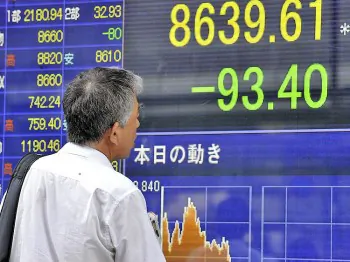

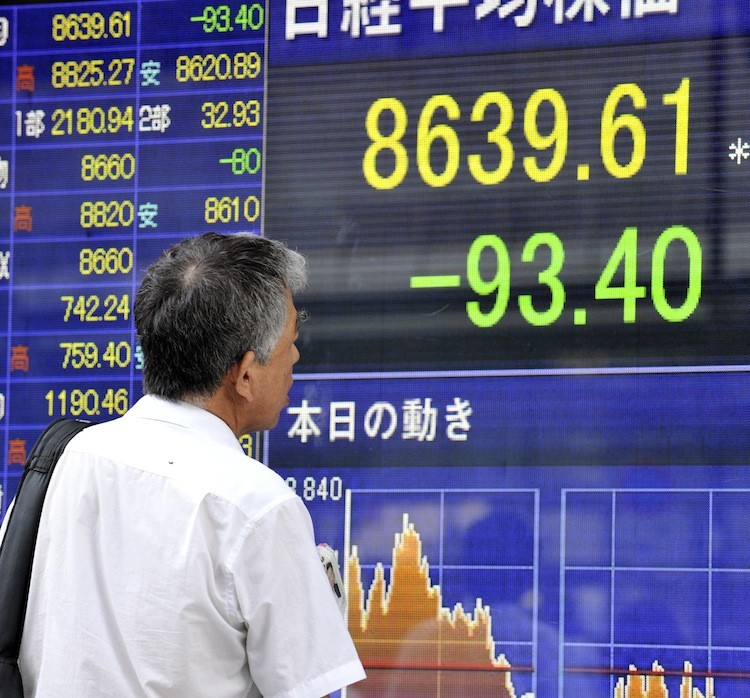
Moody’s Wednesday cut Japan’s rating from Aa2 to Aa3, with outlook stable—three levels below Aaa—due to a large deficit and high governmental debt since the 2008 recession.
The move was not unexpected. In May, Moody’s announced that it would put Japan’s bond on review for possible downgrade. Now, Moody’s rating is in line with the other two ratings agencies, Standard & Poor’s and Fitch Ratings, both of which rates Japan’s debt three notches below triple-A.
“Over the past five years, frequent changes in administrations have prevented the government from implementing long-term economic and fiscal strategies into effective and durable policies,” Moody’s said in an announcement of rating change. “The March 11 earthquake and tsunami, and the subsequent disaster at the Fukushima Daiichi Nuclear Power Station, have delayed recovery from the 2009 global recession and aggravated deflationary conditions.”
Currently, Japan has a 233 percent debt to GDP ratio, by the International Monetary Fund standards, which is one of the highest among major economies.
Moody’s also said that effect of the March earthquake is still playing out, and it is too early to tell the full financial impact of the disaster.
Another leadership shuffle is expected in the island nation, which has the world’s No. 3 economy. Prime Minister Naoto Kan and his cabinet will reportedly resign next week, with new leadership expected to be elected from the ruling political party.
 Friends Read Free
Copy
Facebook
Tweet
Friends Read Free
Copy
Facebook
Tweet