
The Olympics is a celebration of the human spirit, where men and women from around the globe gather to test their skills and determination, experiencing triumph, despair, and camaraderie.
The host of this celebration is the Olympic Stadium; the focus of activity. Competitors and audience members alike have come to expect the best facility to give them the most enjoyable time.
“It’s about theater, it’s about performance, it’s a magical moment in time,” said Janet Marie Smith, an expert on stadium design currently based in Los Angeles.
The common stadium accommodates regular events for a local culture. The Olympics, however are temporary; by nature they move from one country to another. “It doesn’t lend itself to permanent architecture,” said Smith.
The challenge—to the host country and the chosen architects—is to: accommodate large Olympic audiences; create the desired atmosphere for the event; represent the host culture, while still being environmentally appropriate and fitting for post-Olympic needs.
Atmosphere
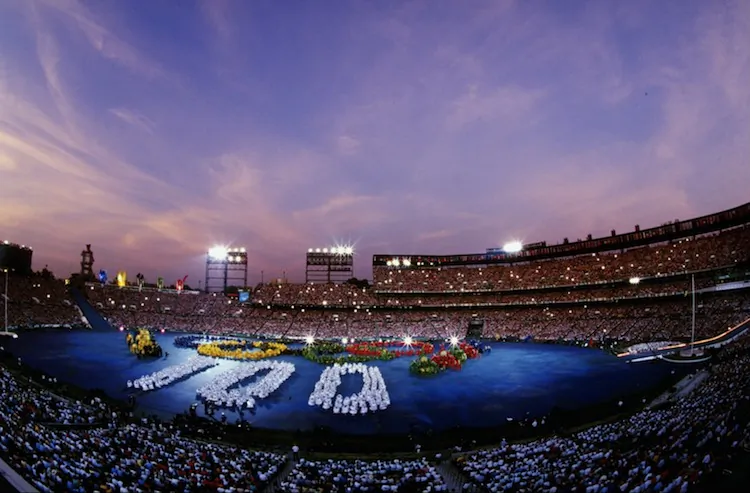
Creating atmosphere is crucial to ensure a lively and engaging event and a memorable experience. Good event organization and athlete performance will draw the attention of the crowds, however it is the stadium design that can heighten the atmosphere.
“All fans of all sports appreciate the intimacy that is provided when seats are close to the playing field,” said Smith. “It generates more fan energy, keeps your interest and enhances the overall sense of community.”
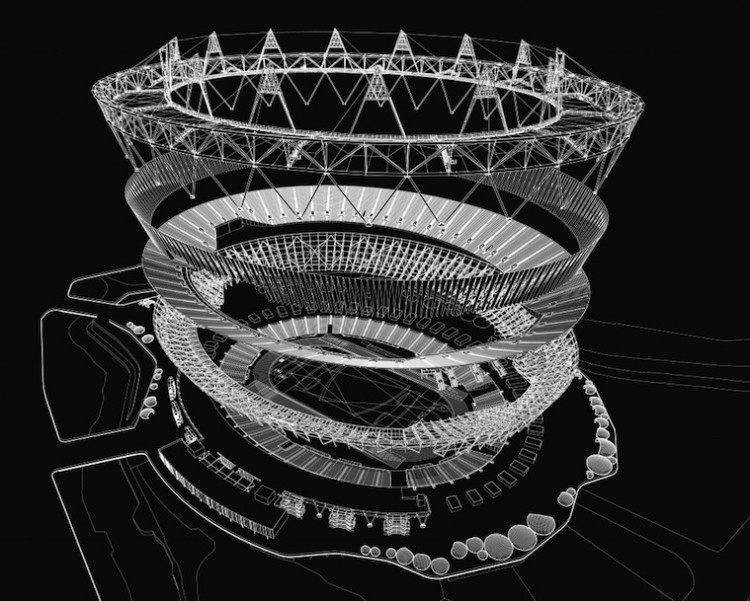
That is exactly what the Populous design has achieved. By tightening the usual seating arrangement the audience is closer to the action.
“This then helps to generate noise in the stadium from the crowd cheer, which in turn helps the athletes perform. The intimacy propels the athletes,” said Philip Johnson, principal at Populous London, the architectural firm that designed Olympic stadium.
Host Culture
The Olympics is very much an opportunity for the host country to show off its culture, its cities, and its significant places. The Populous design team set out to orient the Olympic venues throughout London in a way that would best showcase the city to the rest of the world, Johnson said.
The beach volleyball arena was strategically placed on Horseguards Parade—a storied square in the heart of London’s Westminster. The arena brought attention to the government district while taking advantage of the classical architecture backdrop.
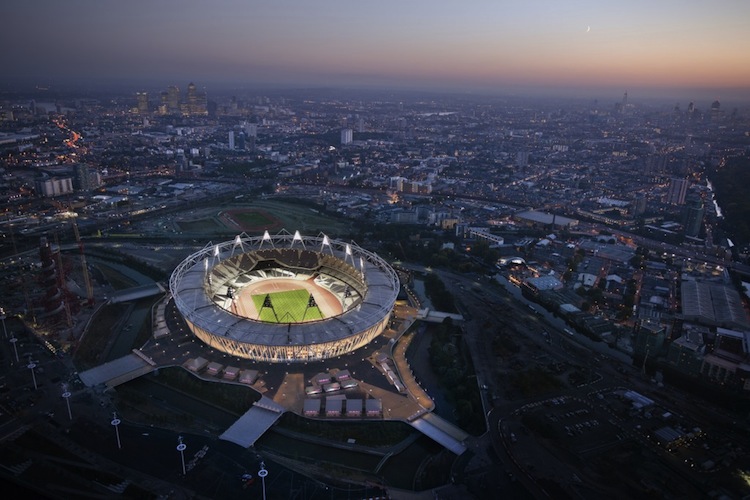
The Olympic Stadium was placed at the head of the Olympic park, which was in turn craftily located in Stratford, in close proximity to the city centre. The stadium is well suited to the London context, “This is a very confident design, which reflects the confident city that London is; we didn’t feel we needed to do anything particularly flash,” Johnson said.
Johnson isn’t alone, it seems architects around the world have taken by the design.
 Friends Read Free
Copy
Facebook
Tweet
Friends Read Free
Copy
Facebook
Tweet