



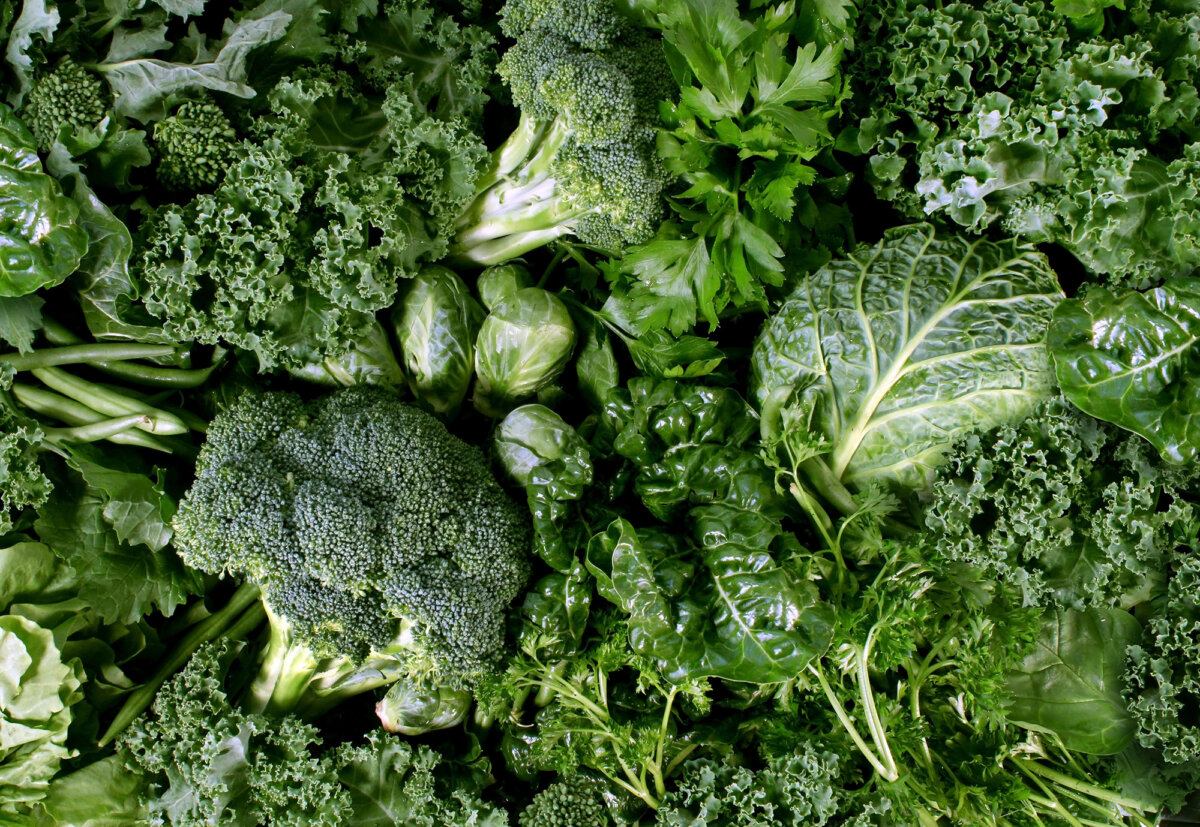
Leafy greens pack a nutritional punch and are an ideal crop for both newbie and experienced gardeners. They sprout quickly, require minimal care, and are extremely economical, as most seed packets contain enough seeds for several plantings, even into next season.
That brings up the next topic: Many greens have a short time to harvest, which allows for multiple succession plantings and nutritious, crunchy goodness year-round. Change up the selection periodically to keep your taste buds tantalized.
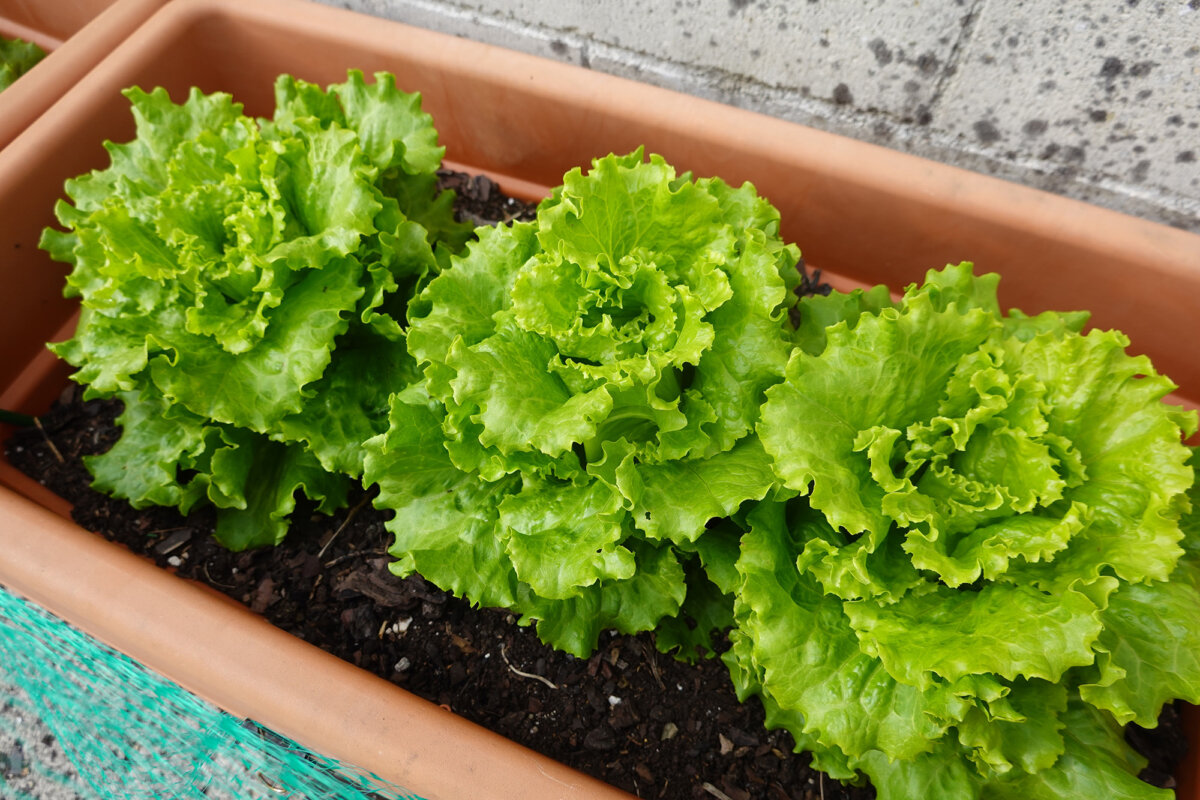
Some loose-leaf lettuces can even be grown in planters as shallow as six to eight inches deep, making them ideal for apartment balconies or even a sunny windowsill. Unlike most other garden vegetables, many greens can make do with six hours of sun per day, and most can tolerate some shade. Gardening doesn’t get easier than this.
Top Lettuce Choices
Lettuce falls into several categories. The easiest and fastest to start with are loose-leaf types, which form an open rosette with flat or curled leaves. Simply plant the seeds according to the package directions, and begin harvesting the exterior leaves as soon as they are big enough to pick (usually in three to four weeks).
Butterhead, bibb, and Boston varieties are popular low-maintenance choices that can be ready in as little as 55 days. Opt for small-head varieties for the fastest results and the best succession planting.
Be Adventurous
Romaine lettuce is less commonly grown by home gardeners because it takes 80 days to mature and isn’t as well-suited to intensive succession planting, but it’s a worthwhile addition to the menu.
Iceberg lettuce is also less often found in the home garden because it requires a long, cool season and will bolt (go to seed) as soon as the temperature rises. The solution is to opt for a slow-bolting variety and start seeds indoors in late winter for a late spring harvest (50 days to 90 days, depending on the type).
Temp Tips
Most lettuces are cool-season crops that prefer temperatures under 85 degrees F and can even endure a light frost. There are heat-hardy varieties as well, such as the loose-leaf tropicana, salad bowl, Grand Rapids, green ice, new red fire, oakleaf, merlot, red salad bowl, and ruby.
In the butterhead/bibb category, there’s Adriana, buttercrunch, marvel of four season, summer bibb, and White Boston. There’s also the cimarron romaine, coastal star, Jericho, little gem, and Parris Island. Determined to grow a summer crisphead or iceberg? Try Great Lakes 118, Ithaca, Hawaiian Anuenue, or Calmar.
More Green Team Members
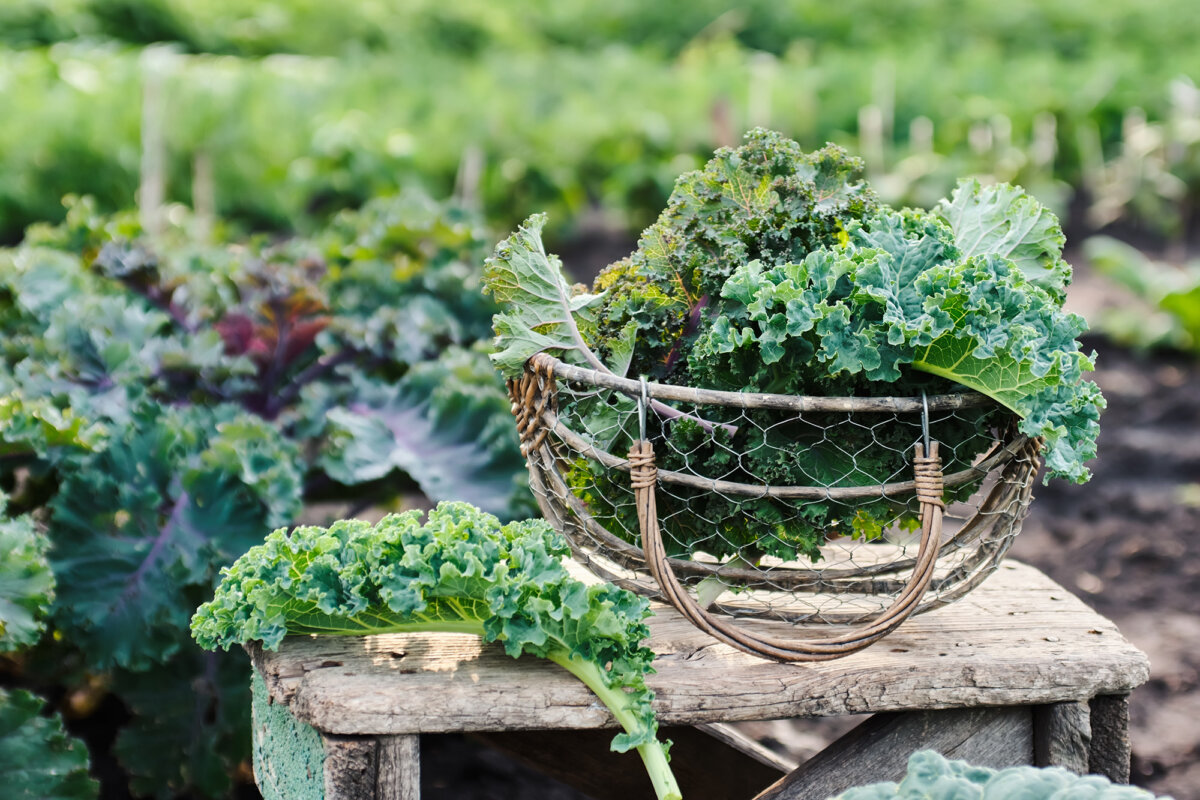
Swiss chard, mustard, arugula, and kale—grown for their tasty, vitamin- and mineral-packed leaves—are typically started in late winter indoors for a late spring to early summer crop or planted in midsummer for a fall crop.
Swiss chard is the exception. Technically in the beet family even though it doesn’t grow an edible root, it can be harvested all summer long.
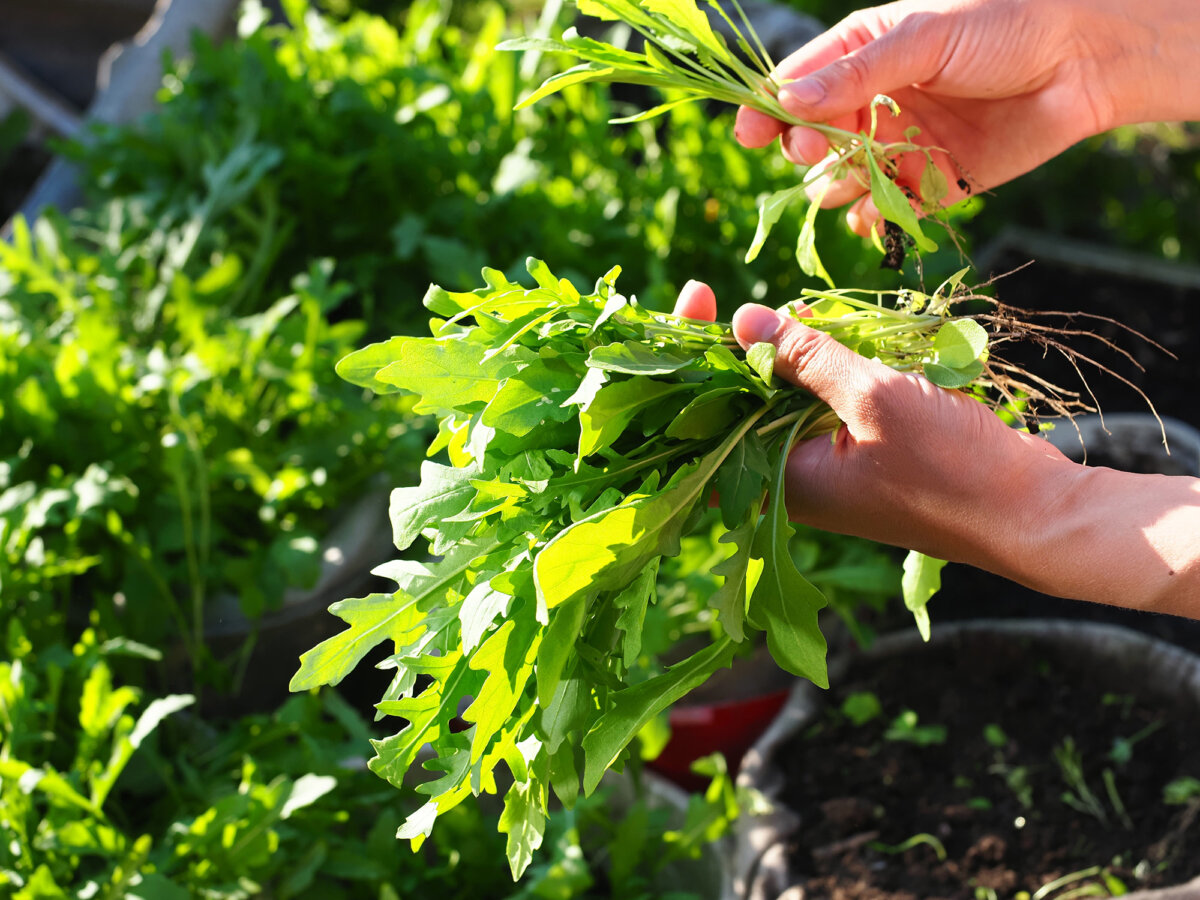
Mustard adds a mild spice to life and recipes and is produced in as little as 30 days. Arugula, which adds a nutty flavor to dishes, is ready in three to six weeks. Plant both in mid-to-late August for a fall crop. Kale should be planted in mid-July to mid-August and can be cut-and-come-again (harvesting the exterior leaves) starting in 60 days. While always tasty, it will have its best flavor after a light frost.
Popeye’s Favorite
Talk about speedy! Fast growers, such as carmel, emperor, hammerhead, kookaburra, and kolibri spinach, can be ready in just 25 days to 29 days and excel at succession planting.
Many gardeners will say that spinach is only a cool-weather crop, but Bloomsdale longstanding, Catalina, Indian summer, and oceanside are all slow to bolt and handle summer heat well, although ideally, they’re fully established before a heatwave. Fall plantings should be started indoors in July or August, as spinach seeds won’t germinate as well if the soil is over 75 degrees F.
Tropical Alternatives
Gardeners in Zones 10 to 13 face additional heat challenges during the summer, which has led to the following exotic alternatives that, while not actual members of the spinach family, make a good substitute in salads and recipes and work in nontropical gardens as well.
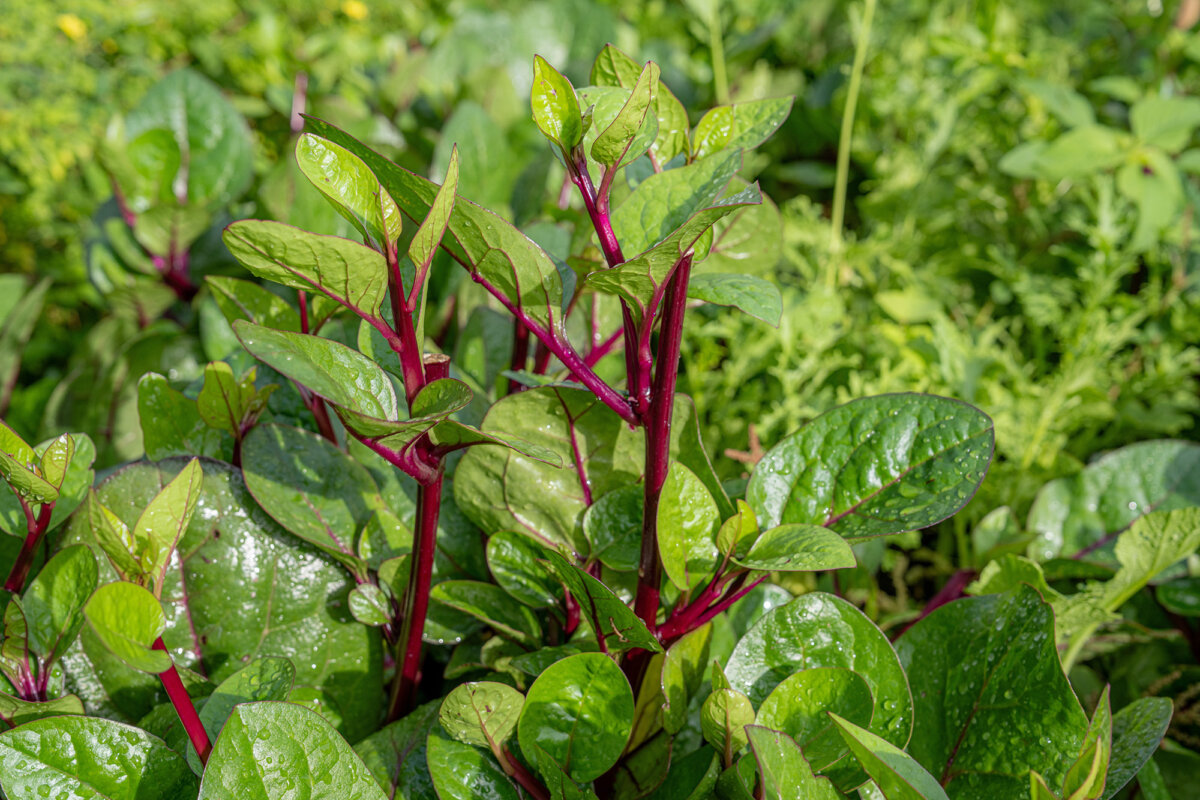
Malabar spinach (Ceylon spinach) is a lovely vine available with large red or green edible leaves that are as ornamental as they are healthy and taste just like regular spinach. The green and purple-leafed Okinawa spinach is a member of the sunflower family and makes a wonderful ground cover that is tasty when consumed fresh, steamed, juiced, stir-fried, and more. Sissoo spinach (Brazilian spinach) forms a thick, dense ground-covering mat. Use the crunchy leaves in salad, quiches, and more.
Or, while growing sweet potatoes below ground, harvest some sweet potato leaves to add to a salad, or sauté with butter and garlic. They’re full of vitamins and minerals, too.
Leafy Best Friends
Resilient bok choy and pak choi are hardy in Zones 3 to 11 and prefer conditions similar to spinach. Now’s the time to order seeds for them.
Meet Escarole
With a slightly bitter flavor reminiscent of radicchio, escarole (Batavia) is a staple of Mediterranean cuisine, where it is eaten raw and used in stews, sautés, and as a bed for grilled meat or fish. It prefers cooler temps (below 80 degrees F) and is ready in 50 days to 70 days.
The Endives
Belgian endive is available as a milder green variety or a tangier burgundy/red, while curly endive takes the bitterness up a notch, yet is balanced with a uniquely sweet element. Endives require the same growing conditions as their closely related cousin, escarole.
Dandelion Greens
No, these aren’t the same as the lawn weeds (although those are surprisingly nutritious as well). Gourmet choices include French dandelion, Amélioré à Coeur Plein, and Improved Thick-Leaved Dandelion. Grow in the shade to reduce bitterness.
