



Lawns are much more than just pretty patches of grass. They allow you to connect with nature, enjoy some physical activity and fresh air, and foster a sense of pride and community.
They can also be a lot of work.
Winter provides a well-deserved respite, even in warm regions where grass still grows, albeit more slowly. Proper care now, however, is critical to ensure the lawn’s long-term well-being.
The Good and Bad of Snow
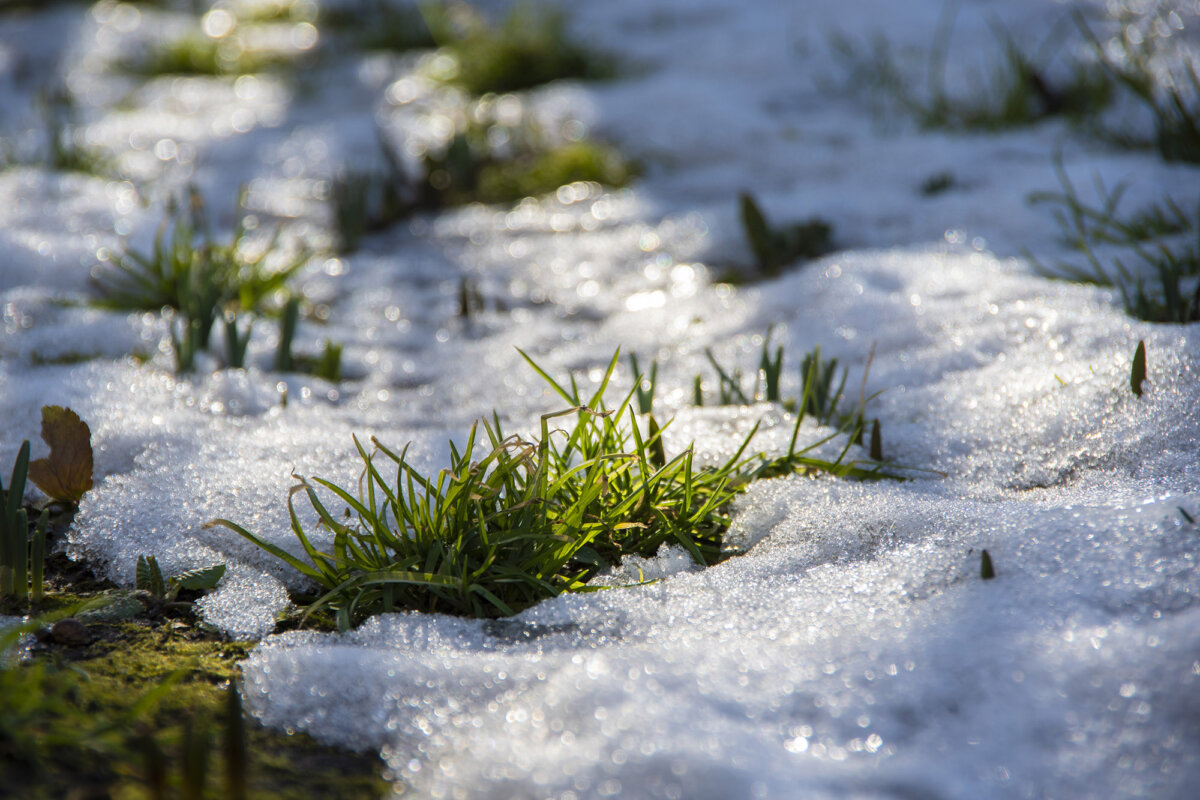
Snow insulates grass by keeping the soil warmer and protecting its roots and crowns from freezing winds. It also helps prevent early seed germination on those unexpectedly warm days in winter, when any sprouting seedlings would be killed during the next freeze. Plus, snow is a source of slow-drip irrigation and atmospheric nitrogen (but don’t adjust the fertilizing schedule; the nitrogen is enough to be helpful but not enough to overfertilize).
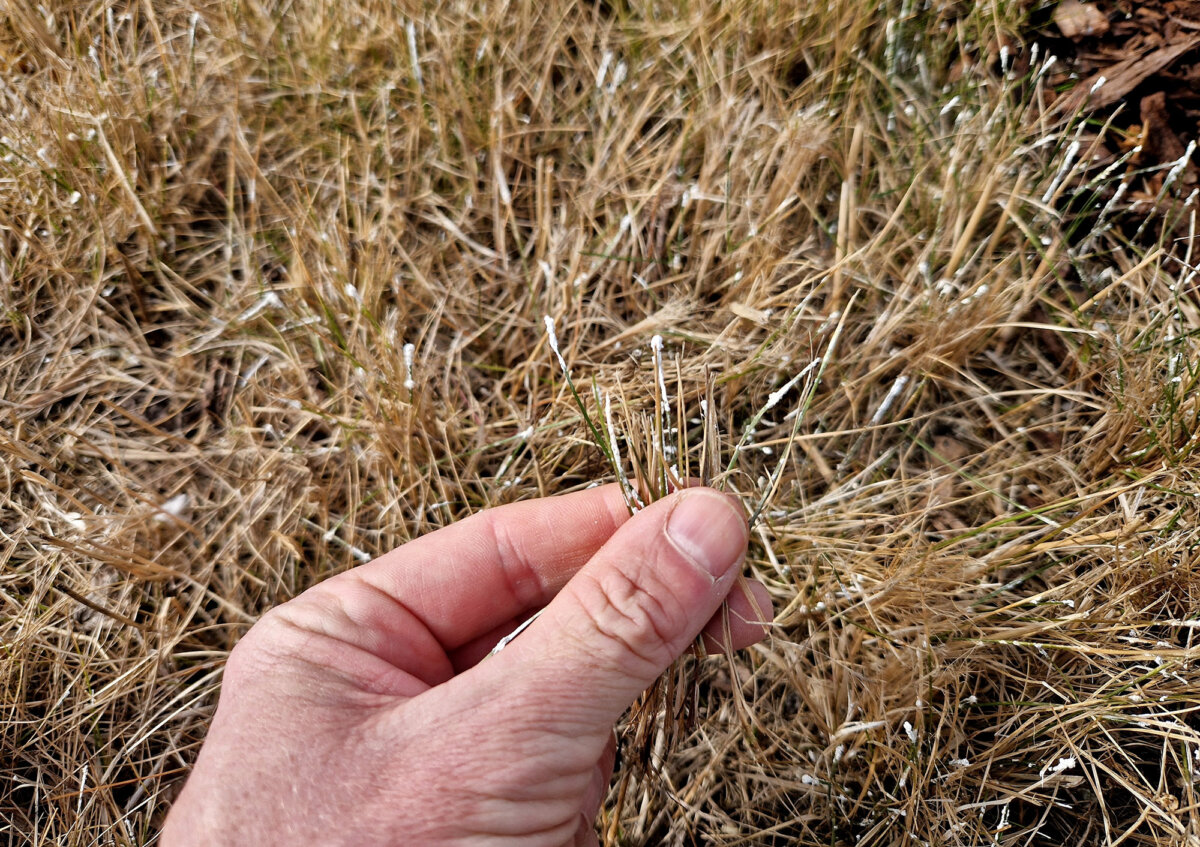
On the downside, snow can play host to snow mold, a common fungal disease characterized by circular patches of matted, discolored grass. But don’t worry, the higher temperatures of early-to-mid-spring will cause the fungi to die off. Rake off the matted grass, add some nitrogen, and the lawn should be good to go.
One way to help avoid snow mold and damage in general is to avoid blowing large drifts of snow onto the lawn. Likewise, don’t walk on snow-covered grass; this will compact it and exacerbate any problems, particularly if the snow freezes into ice.
Ice Alerts
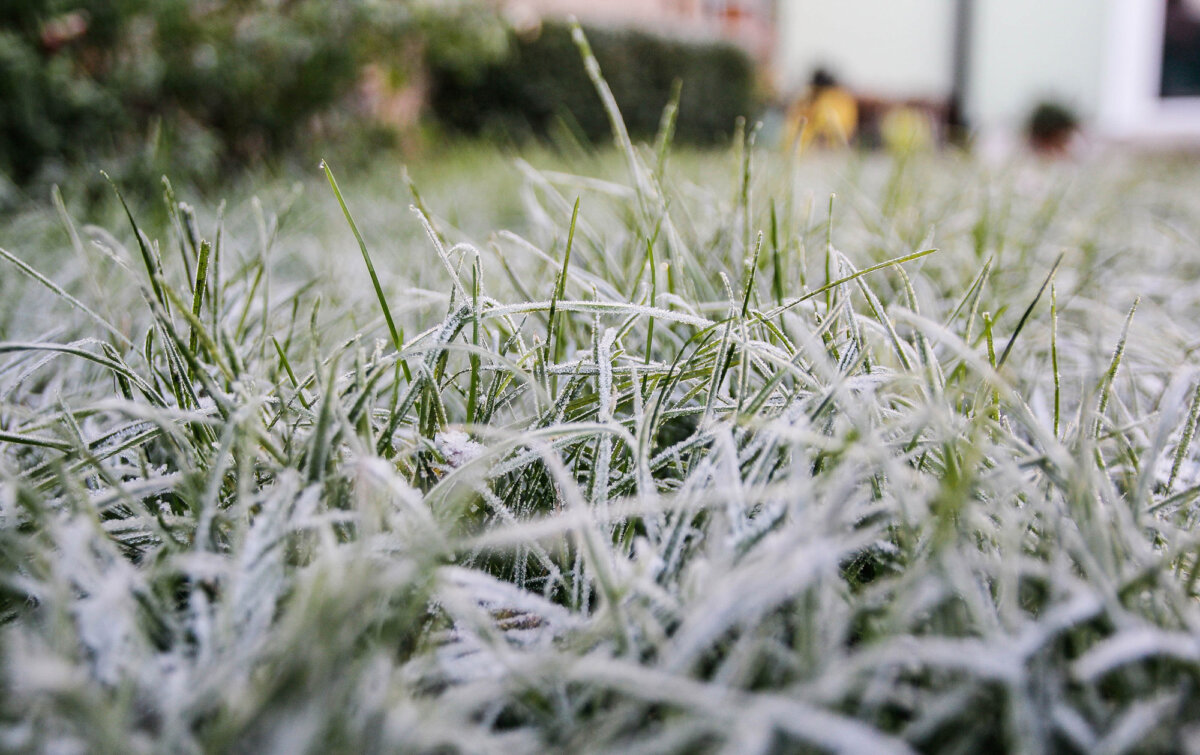
Freeze-thaw cycles can quickly turn snow into ice, particularly in low spots, which can suffocate the dormant grass. But don’t remove it, as this will expose the defenseless grass to winter winds and arctic temperatures that are actually a greater danger. The good news is that most northern grasses are designed to survive a bit of time under the ice.
When the temperature is cold enough to freeze water into ice, it can desiccate (dry out) the lawn, especially when combined with cold, sunny days and high winds. Windbreaks, such as trees, shrubs, and fences, will help mitigate the situation. Next fall, consider top-dressing the lawn with a thin layer of sand.
Clean Walkways
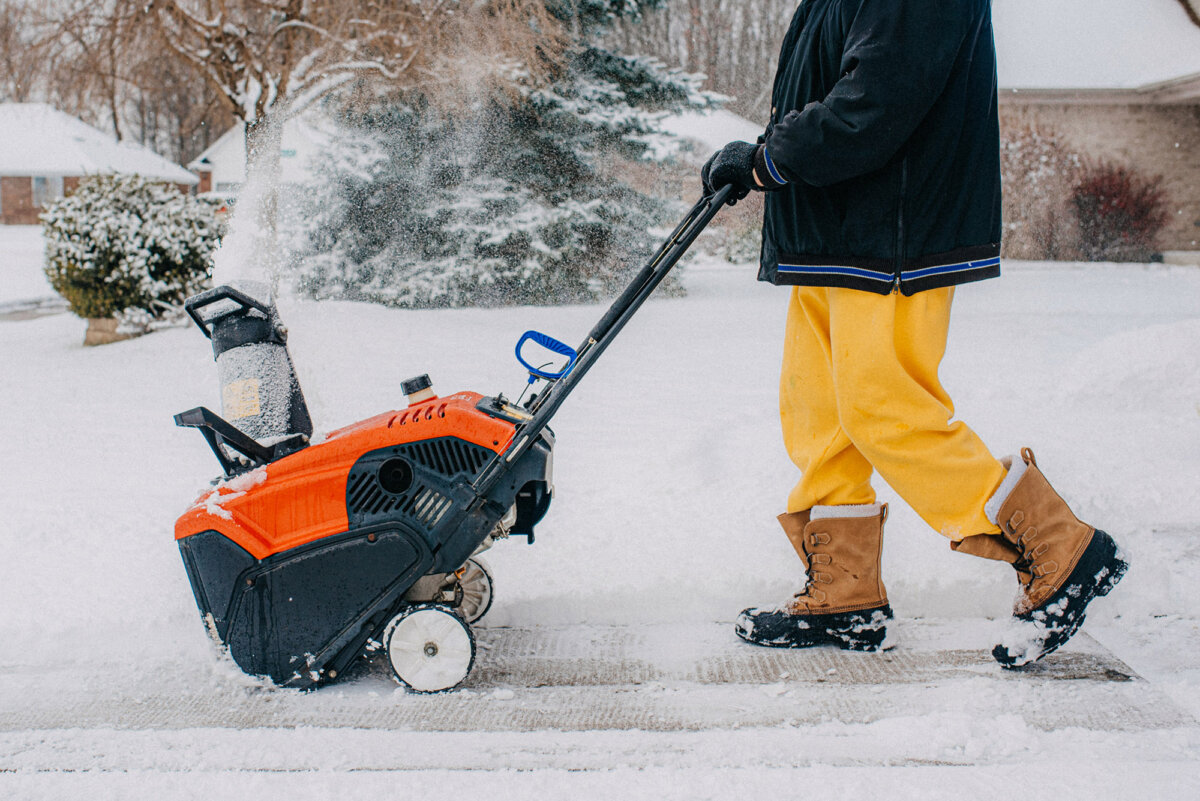
De-icers, used after the snow or ice has formed, and anti-icers, which work proactively, are valuable tools to help keep walkways, driveways, and sidewalks clear to help restore safe traction and mobility.
However, de-icers—particularly salt-based products—can build up in the soil or draw moisture out of grass leaves and roots, burning them. Ideally, use them away from the lawn, use them sparingly, and flush the area with water when the temperature has risen sufficiently to prevent ice buildup.
Wise Watering
Winter grass may be dormant, but it still needs water. A half-inch to an inch, once or twice a month, should be sufficient. Water when the soil is not frozen, temperatures are above 40 degrees, and it’s midday—the warmest part of the day. Resist the temptation to overwater, as this can lead to snow mold, fungal diseases, and root rot.
Those in warmer climates should water more often, keeping in mind the slower growth rate. Even in South Florida, where grass stays verdant green year-round, things slow down. An inch to an inch and a half, once or twice a week, is a good start. Adjust as needed, keeping in mind that the warmer the temperature, the higher the evaporation rate.
Frosty Fertilizing
The United States has two main categories of grass. Cool-season grasses cover the top two-thirds of the country. Warm-season grass is found in zone 8 and warmer, i.e., South Carolina and states to the south. There is some overlap of grass types in the border zones.
Warm-season grass will benefit from an application of fertilizer in mid-to-late winter to get a jump on new growth after dormancy. Opt for a low-nitrogen slow-release fertilizer, as it is less likely to cause excessive growth too early on. Apply when the soil temperatures are consistently above 50 degrees two to three inches deep (typically March or April). Soil thermometers are inexpensive. Consider adding a liquid soil conditioner to loosen winter-compacted soil and make the nutrients more accessible to roots. This can be used with or without a mechanical aerator.
Cool-season lawn owners should also wait until soil temperatures are 50 degrees. You should fertilize with a balanced mix such as 10-10-10 or 20-10-10, which is higher in nitrogen for a burst of green. This is also a good time for a soil conditioner or mechanical aeration.
If the lawn is cold, drought-stricken, or disease- or pest-stressed, hold off on the fertilizing until the situation is addressed.
Leaving grass clippings on the lawn will help protect the ground from still-chilly weather through summer heat and add valuable nutrients back into the soil.
_______________________________
Snowy Plans
Winter is a great time to test the soil. Kits start under $20 online. Better yet, send a sample off to the local university agricultural extension.
Poor Drainage
It may be too cold to work, but it’s never too soon to inspect and plan. Look to see where water pools or ice forms. Fixing drainage issues can be as simple as adding soil to low spots or aerating the lawn. Other options include re-grading the lawn (away from the house!) or installing a drainage system.
Excess Thatch
If the drainage problem is thatch (a layer of dead and decomposing grass and other organic matter), it can be hand raked, power raked (power rakers look and act like a lawnmower), or handled with a tow-behind de-thatcher on a riding mower. Rake up the disturbed debris with a leaf rake.
Evergreen Choice
Want 365 ambience and no mowing? Consider installing artificial turf, which can last up to 20 years. It does require periodic vacuuming to remove debris and will need occasional sanitizing if you have pets. But the neighbors will be green with envy, especially in winter.
