
Unions and industry groups are criticising Fair Work Australia’s (FWA) announcement of a 2.9 per cent increase of the minimum wage on June 1.
Following the FWA’s annual wage review, based on a 39 hour work week, workers will receive a minimum $606.40 per week or $15.96 per hour.
Representing a weekly increase of $17.10 for Australia’s lowest paid workers, the announcement falls short of union expectations.
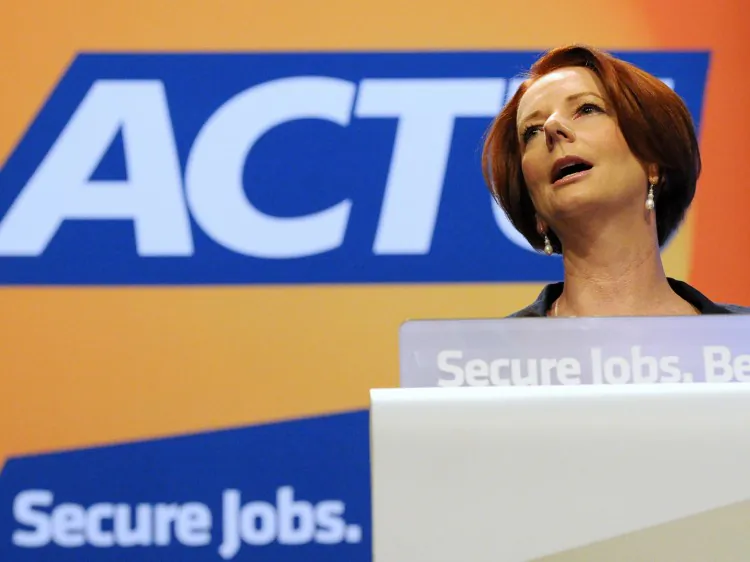
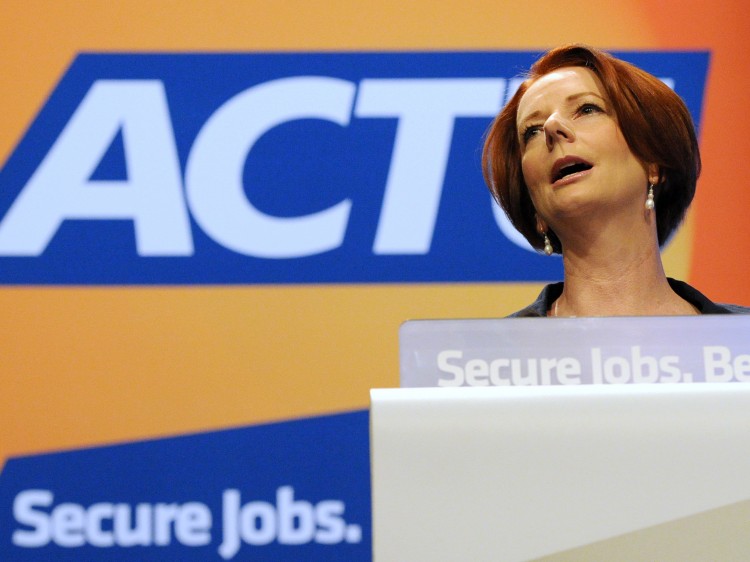
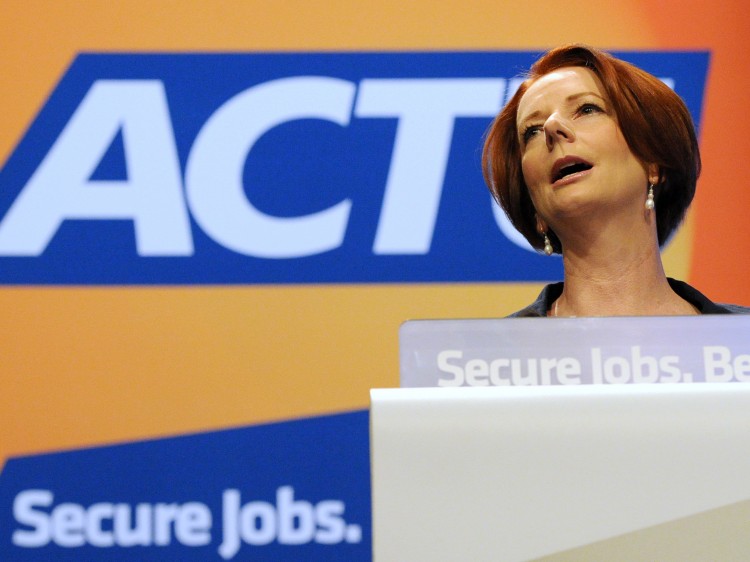
The Australian Council of Trade Unions (ACTU) Secretary Dave Oliver said low paid workers continued to fall behind the rest of Australia.
“This is a very disappointing decision by Fair Work Australia that means the one-in-six workers who are dependent on award rates of pay will barely keep pace with the cost of living, let alone the rest of the workforce,” Mr Oliver said in a media release by the ACTU.
FWA’s decision was shy of the ACTU’s request of a 3.8 per cent increase of $26 per week.
“This year’s decision will only widen the gap between minimum wage earners and the rest of the workforce. Over the past half-a-decade the incomes of the 1.4 million workers who depend on award wages have virtually stood still, after inflation is taken into account.”
Meanwhile, industry groups representing businesses did not welcome the announcement.
The Australian Chamber of Commerce and Industry (ACCI), the nation’s peak body of business organisations claimed the rise as a “costly impost” in a two speed economy where non-mining businesses were “doing it tough”.
In a statement by Greg Evans the Director of Economics and Industry Policy at the ACCI, small and medium businesses in the retail, hospitality and construction sectors, as well as manufacturing and tourism, “will find the added wages and labour costs the most difficult.”
These concerns were echoed by Australian Industry Group (AIG) CEO, Innes Wilcox who in a statement said, “FWA’s decision to grant a wage rise that is significantly higher than current productivity growth rates will push Australia’s already relatively high unit labour costs even further above our international competitors.”
The wage rise will be implemented on July 1—the same day Australia’s carbon tax legislation comes into effect.
The Epoch Times publishes in 35 countries and in 19 languages. Subscribe to our e-newsletter.
 Friends Read Free
Copy
Facebook
Tweet
Friends Read Free
Copy
Facebook
Tweet