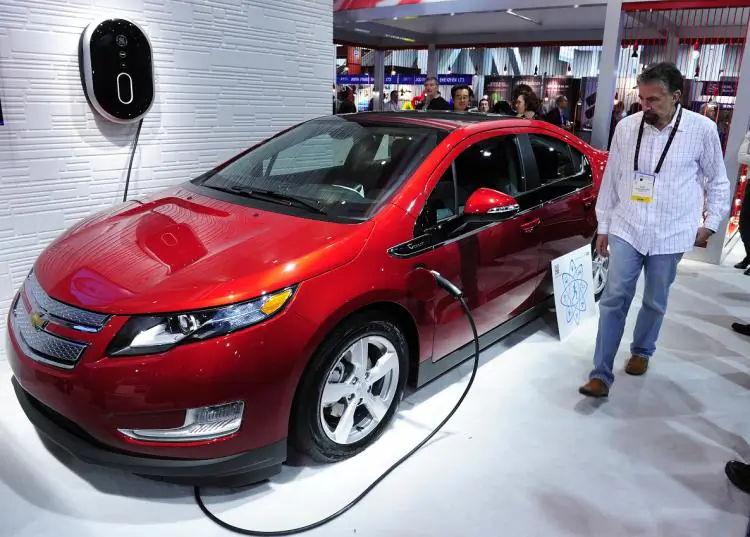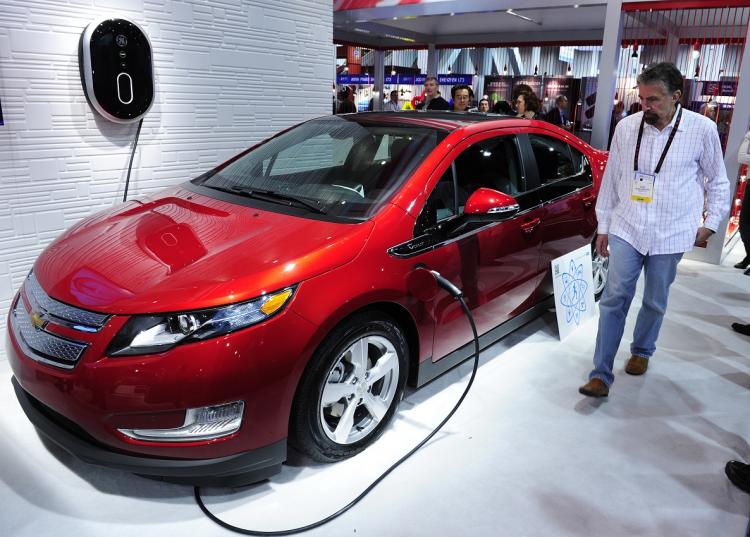

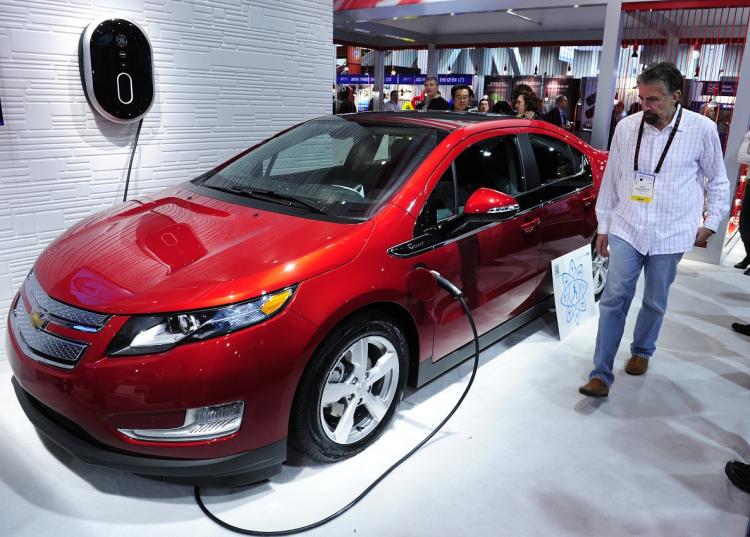
The National Highway Traffic Safety Administration (NHTSA) has finally closed the months-long investigation into unusual post-crash battery fires occurring in GM’s Chevrolet Volt.
The NHTSA investigation into Chevy Volt’s battery centered on a seemingly spontaneous fire that erupted from the vehicle’s battery pack weeks after the vehicle was tested in a full crash test on May 12, 2011, in the agency’s New Car Assessment Program.
The agency began experiments to reproduce the fire in July, and determined the fire originated from the Volt’s battery pack. In subsequent collision tests conducted in September, NHTSA concluded that the vehicles battery coolant, which was leaking out of the ruptured battery coolant reservoir, caused an electrical fire over several days or weeks of leaking.
Following that experiment, the NHTSA, together with the Department of Energy, started its official probe into the cause of the fire in late November, to investigate post-severe crash battery performance in the line of Chevrolet Volts.
“Based on the available data, NHTSA does not believe the Volt or other electric vehicles are at a greater risk of fire than gasoline-powered vehicles. In fact, all vehicles both electric and gasoline-powered have some risk of fire in the event of a serious crash,” said a statement issue by the National Highway Traffic safety Administration in November, at the start of the investigation.
According to GM’s website, owners of the Chevy Volt drove an estimated combined total of 20 million miles without a report of a similar incident. Nevertheless, GM stated on Jan. 5 that it will be issuing enhancements to Volt consumers and future models to minimize the risks of these fires.
“The Volt has always been safe to drive,” said Mary Barra, GM senior vice president of Global Product Development in a GM press release. “Now, we will go the extra mile to ensure our customers’ peace of mind in the days and weeks following a severe crash.”
Part of a Customer Satisfaction Program, the modifications will include structural enhancements to the vehicles battery pack assembly, the addition of a sensor to the reservoir of the battery coolant system to monitor the coolant level, and the addition of a tamper resistant bracket to the top of the same reservoir to prevent overfill.
“These enhancements and modifications will address the concerns raised by the severe crash tests,” Barra continued. “There are no changes to the Volt battery pack or cell chemistry as a result of these actions. We have tested the Volt’s battery system for more than 285,000 hours, or 25 years, of operation. We’re as confident as ever that the cell design is among the safest on the market.”
GM conducted their own tests involving the Volt’s new modifications in December 2011, and found no coolant leakage, battery punctures, or electrical fires.
“We’re focused on one thing right now: doing what’s right by our customers,” said GM North America President Mark Reuss, in the same press release. “We’ll live up to our commitment to make sure our customers are delighted with their purchase.”
 Friends Read Free
Copy
Facebook
Tweet
Friends Read Free
Copy
Facebook
Tweet