
This article is the third of a three part series on counterfeit goods in Canada.
TORONTO—It looks like a Rolex watch but sells for half the price. You may not even need to pay tax on it. Sure, it might break within a year (no warranty if it does), but it’s bound to impress a few friends.
But deep inside it might not impress you yourself. Worse, it could compromise your moral compass.
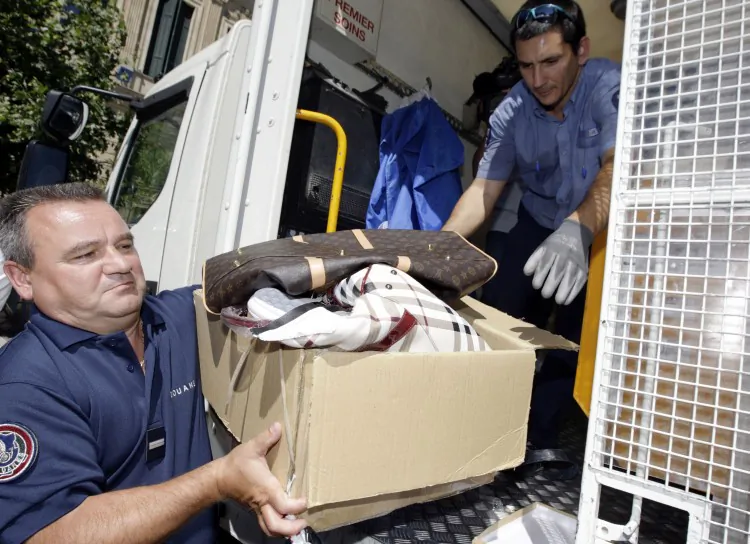
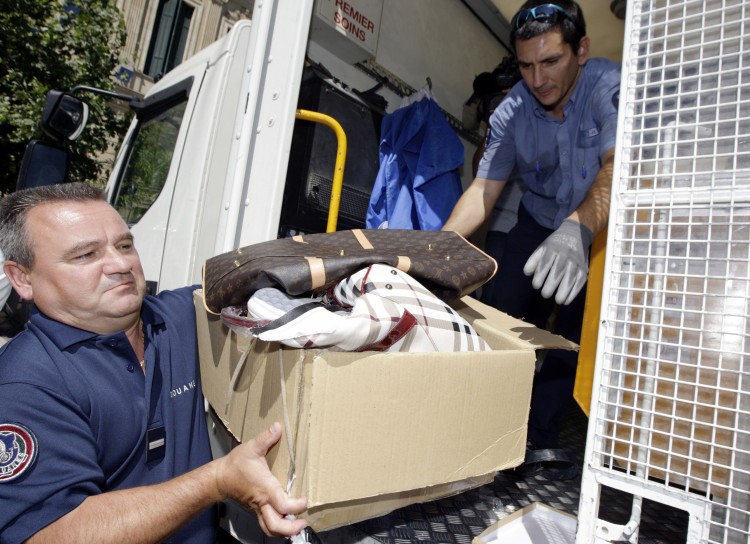
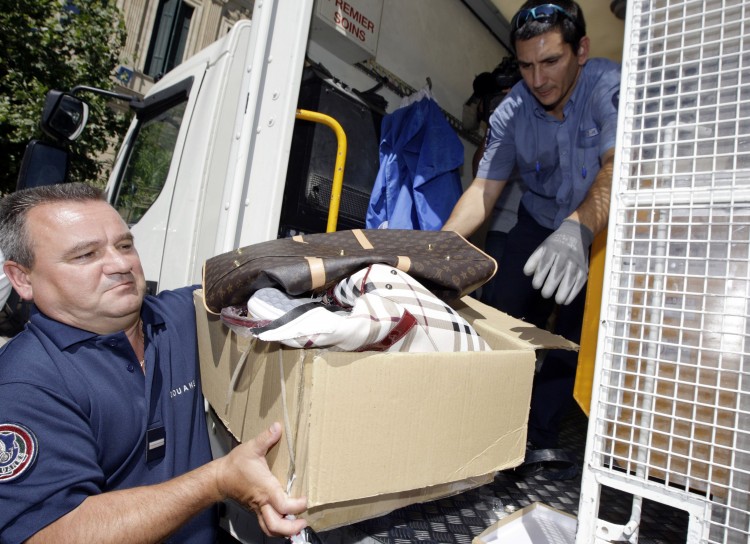
Counterfeit is growing in Canada and worldwide. The RCMP reports that the value of seized counterfeit goods rose from $24 million in 2010 to $67 million in 2011.
Corporal Judith Falbo from the Kitchener detachment of the RCMP says the Internet and the ease of modern shipping contribute to the growth of counterfeit.
Counterfeiters sometimes manufacture things in pieces, shipping labels separately so that the product would look like a no-name brand at customs, Falbo says.
She has also seen purses with a cover sewn over them, hiding the counterfeit brand name. For medication, cigarettes, and smaller items, counterfeiters hide them in shipments of other products.
Lorne Lipkus, an attorney and the chair of the Canadian Anti-Counterfeiting Network’s Education and Training Committee, says only around 2 to 3 percent of shipments are looked at by customs. The odds of being caught are fairly low, he says.
But while counterfeiters can fool customs, it is much harder to fool consumers. Louis Vuitton purses sell for a premium in part because of their exceptional quality—an aspect cheaply made fakes can’t match even if they look genuine from a distance.
That means many consumers knowingly purchase fake goods, perhaps to seek esteem and a status they do not actually possess.
Psychological Impacts
Dan Ariely, professor of behavioural economics at Duke University and the author of “The (Honest) Truth about Dishonesty,” says counterfeits can have a significant impact on the people who purchase them.
When people buy counterfeit, “at the moment that they’re doing it, it looks like a good deal.”
However, his studies show that psychologically, people don’t feel the same way about a counterfeit item as they would about the real thing. They may not realize this as they are buying the product, but will eventually, he says.
Ariely’s studies also found that “when people start being dishonest, it’s easier for them to take the next step in being slightly more dishonest.”
This is especially true for counterfeit fashion products, he notes.
With pirated music, it is the same music file and people don’t think about it when they listen. But counterfeit fashion products are different from the original, made by different people with possibly different materials. Furthermore, consumers wear it and surround themselves with it.
These factors make consumers more aware that it is counterfeit, and cause counterfeit fashion to have a greater effect on behaviour, Ariely says.
By purchasing counterfeit, consumers are taking a step down a slippery slope. “And then the question is, what other steps will they take?”
Some consumers, however, might escape this morality shift by being duped into thinking they bought the real deal.
Lipkus notices a growing trend of counterfeit goods that are so similar to the real product that they sell for the same price. During the Vancouver 2010 Olympic Games, he noticed fake Team Canada hockey jerseys selling for the same price as real ones.
Convincing counterfeits could have longer-term consequences, however.
“The moment there are too many counterfeits out there, the value of the real thing is highly devalued,” Ariely says. People would find no merit in buying the real thing, because others would think it was fake.
Consumers Must Reject Counterfeit
There are several ways to address counterfeiting. Advocates call for stiffer penalties and tighter border controls, with border agents gaining the right to seize and destroy counterfeit.
But the real battlefield is in the human mind, where the willingness to buy fakes creates a market for counterfeit.
“In the end, unless the market isn’t there, the counterfeiters are going to keep doing what they’re doing regardless of what the laws are,” Falbo says.
Consumers should realize that counterfeiters are evading tax, hurting rights holders, and sometimes using their profit to fund crime, she adds.
Ariely says there are two ways to discourage consumers from buying counterfeit. One is to get them to think of it as immoral, which is difficult because “there’s a wave of making it more acceptable and [they] have to fight that wave.”
The second way is to make consumers realize they are not buying a copy of the real thing at a cheaper price—they are buying something different. Consumers must realize that fakes would not give them the mental satisfaction that the genuine article would, Ariely says.
Kevin Fahey, staff sergeant and national intellectual property rights coordinator for the RCMP, says the force is working on educating the public about the adverse effects of counterfeit.
Detachments are sometimes sent to trade shows, seniors’ homes, and schools, and the RCMP issues press releases whenever it makes a criminal charge, to “reinforce the messages” against counterfeit.
He believes that if Canadians knew about the risks and negative economic effects of counterfeit, “it could change their behaviour.”
With files from Matthew Little and Patrick Li
The Epoch Times publishes in 35 countries and in 19 languages. Subscribe to our e-newsletter.
 Friends Read Free
Copy
Facebook
Tweet
Friends Read Free
Copy
Facebook
Tweet