
Press freedom groups are raising alarm bells over an unprecedented clamp down on journalists in the breakaway territory of Somaliland on the Horn of Africa. Over the past week, 25 members of the press were arrested, including 21 who were demonstrating outside of the presidential palace in the capital, Hargeisa, over the shuttering of a local television station, Horn Cable TV.
Although 21 journalists have now been released, the station remains closed and four people are still in detention.
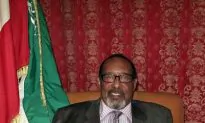
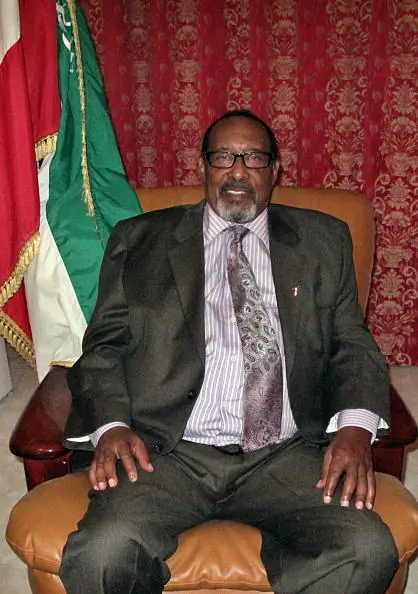
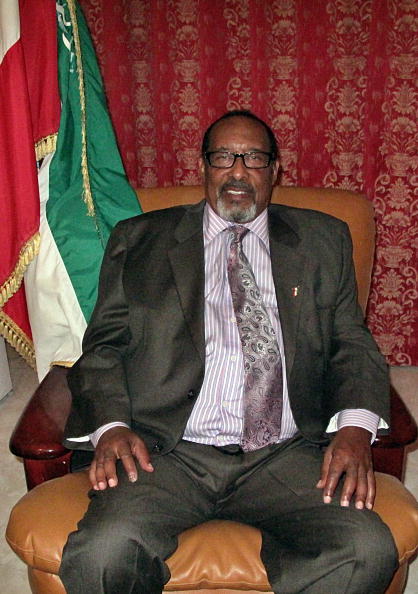
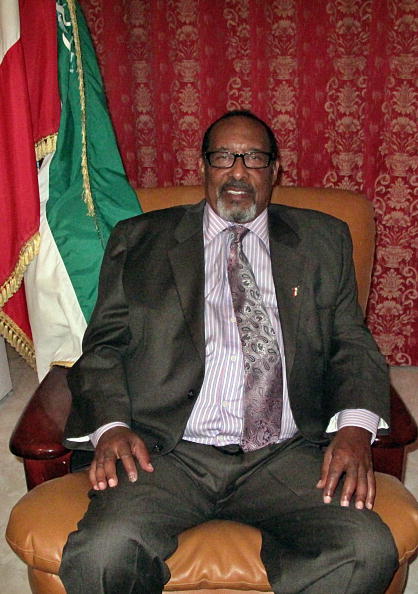
Horn Cable was shut down over the weekend after Ahmed Mohamed Siilaanyon, the president of Somaliland who came to power in July 2010 called the station “nation destructor,” according to Reporters Without Borders (RSF).
Somaliland is an unrecognized and self-declared de facto state that broke away from Somalia.
When journalists with Horn Cable initially held protests, they were beaten and were attacked by presidential security forces and eight were arrested on the spot, according to the National Union of Somali Journalists (NUSOJ).
As word spread, 13 other journalists from the station and other media groups joined the protest, were arrested, and the head of Horn Cable was brought to the president’s palace and interrogated.
Omar Faruk Osman, the head of NUSOJ, said that the union is “relieved that Somaliland authorities have granted 21 of our colleagues their freedom,” according to a statement. “They committed no crime that warrants this unjust detention.”
Eleven of the 21 who were detained are employees with Horn Cable and the rest belonged to other media outlets, including the editors-in-chief of two newspapers.
Worrying New Trend
RSF called the arrests and shuttering of Horn Cable a worrying trend for press freedom in the region.
“This wave of arrests of journalists is without precedent in Somaliland,” said the media watchdog in a statement.
“This will further intimidate journalists who already have to cope with tough conditions in this region of Somalia,” it added. “We urge the authorities to free the four journalists still being held and to reopen Horn Cable TV without delay.”
On Jan. 14, approximately 100 Somaliland police officers went to the office of Horn Cable TV in armored vehicles, ordered the staff to leave, permanently sealed the doors and disabled the station’s transmitter. The officer in charge said he did not have a warrant but said his superiors told him to carry out the raid.
President Siilaanyon on the same day made a public address and accused Horn Cable of disseminating anti-government propaganda. Later, the interior minister said the station was shut over its broadcast of “anti-Somaliland propaganda,” according to RSF.
There is growing concern over the four journalists who remain detained. They were arrested in several incidents between Jan. 8 and Jan. 11, according to NUSOJ. The union said that currently, “this number of journalists in jail is [the] largest number ever detained in the history of Somalia.”
A reporter for the weekly Waheen publication, Ali Ismail Aare, was arrested during that time span for photographing a building and service station belonging to the vice president, the union said. Another reporter, Mohamed Omar Sheikh, who works for the Saxafi weekly, was arrested for producing articles that were deemed sensitive by the government.
Universal TV reporter Abdqani Hassan Farah was arrested for “exaggerating reports of a meeting that created instability in the Sool, Sanag, and Eyn regions,” according to RSF. London-based Royal TV reporter Yusuf Abdi Ali was arrested for making false allegations about management problems and corruption in Somaliland’s development projects.
In the past year, the Somaliland Journalist Association, via the Somaliland Press news portal, said the government attempted to file lawsuits against various media groups operating locally in an attempt to stifle press freedom.
Somaliland is located within Somalia, a country with no central government since 1991, and is governed by the Republic of Somaliland, maintaining some relations with foreign governments. However, the African Union and the United Nations do not recognize it as a sovereign state.
 Friends Read Free
Copy
Facebook
Tweet
Friends Read Free
Copy
Facebook
Tweet