
The tablet market still consists of first-generation devices, although there are still some good gadgets in the mix. The Apple iPad is currently on top. Aside from strong hardware features, it has a rich selection of apps built-in and downloadable from Apple’s robust App Store. With everything from games, to eBook readers, productivity tools, it can cater for both business and leisure needs.
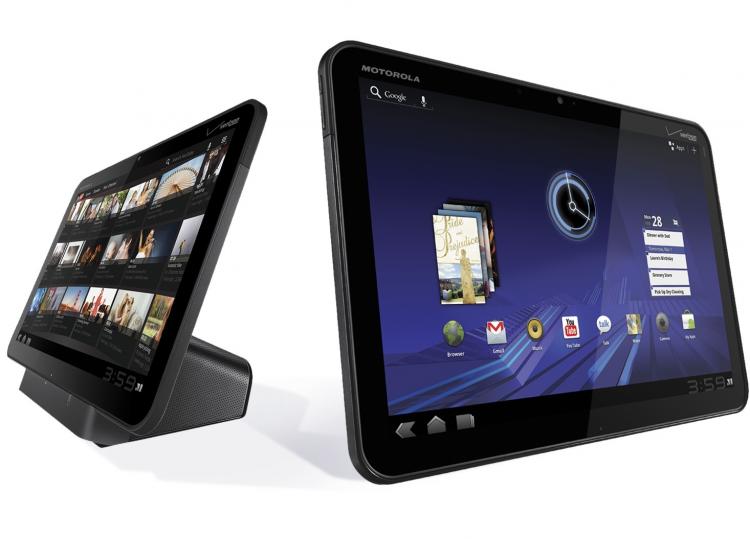
There is also a large selection of Android tablets available, and the number is set to grow even larger since Google announced the development of the new Android 3.0 operating system (OS) designed specifically for tablets, codenamed “Honeycomb.”
There is a general consensus that the current Android tablets are just scaled-up Android smartphones, since they use the Android 2.2 operating system, codenamed “Froyo.” The Android 2.2 OS, and all versions prior to it, are designed and optimized for smartphones.
Like the iPad, a large number of built-in and downloadable applications enable these devices to be used for a variety of functions. There is a problem, however, which is that since most of the applications available for Android are also designed for smartphones—with a maximum screen resolution of 854 by 480—those applications may not display or function as intended for tablets that have larger screens and higher screen resolutions.
Like the Android smartphones, however, the Android OS has some serious perks, specifically that the operating system is more open and allows for more customization. There are also a lot to choose from, which gives a broader range of sizes and specifications that can better suit the needs of each user. Among them are the Viewsonic ViewPad 7, Viewsonic gTablet, NextBook Next2, NextBook Next3, Archos 7, Archos 101, Samsung Galaxy Tab and Notion Ink Adam.
Whether to Wait
With the market still budding, and the next generation of devices just around the corner, some would-be-buyers are holding out for the next releases before jumping on the bandwagon. The real back-breaker is whether holding out for next-generation devices could turn into a never-ending waiting game, since there is always something new around the corner.
Apple has an unfortunate culture of holding information about products it is developing, which makes it hard to tell whether it’s worth waiting. Thankfully, however, Android and BlackBerry devices are much more open.
What is certain is that the whole tablet market is on the verge of a new wave of devices.
 Friends Read Free
Copy
Facebook
Tweet
Friends Read Free
Copy
Facebook
Tweet