




The first step to an abundant harvest is to decide what the family likes to eat; there’s no point in growing basketfuls of produce that no one wants. The next step is planting at the right time, particularly since “summer” and “winter” squash can be somewhat misleading. Both types are actually started within a few weeks of each other in the spring or summer, but winter squash has a longer growing season.
Summer Stars
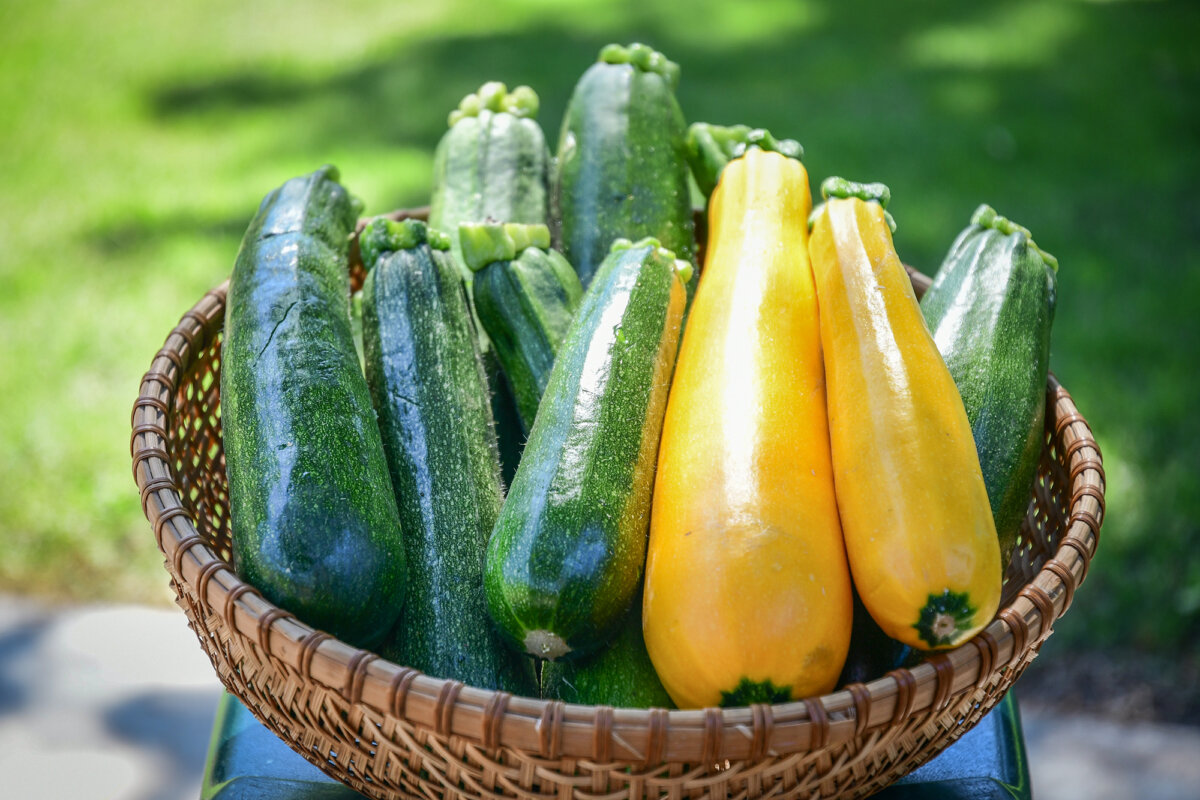
Zucchini, yellow, crookneck, pattypan, and other summer squash are typically planted first, right after the last frost when soil temperatures are consistently over 65 degrees F (April to June, depending on the agricultural zone).
They are bush-style plants. The fruit can be harvested while they are young and tender, typically in about 50 to 60 days (June to August). The more frequently they are harvested, the more they’ll produce.
Winter Staples
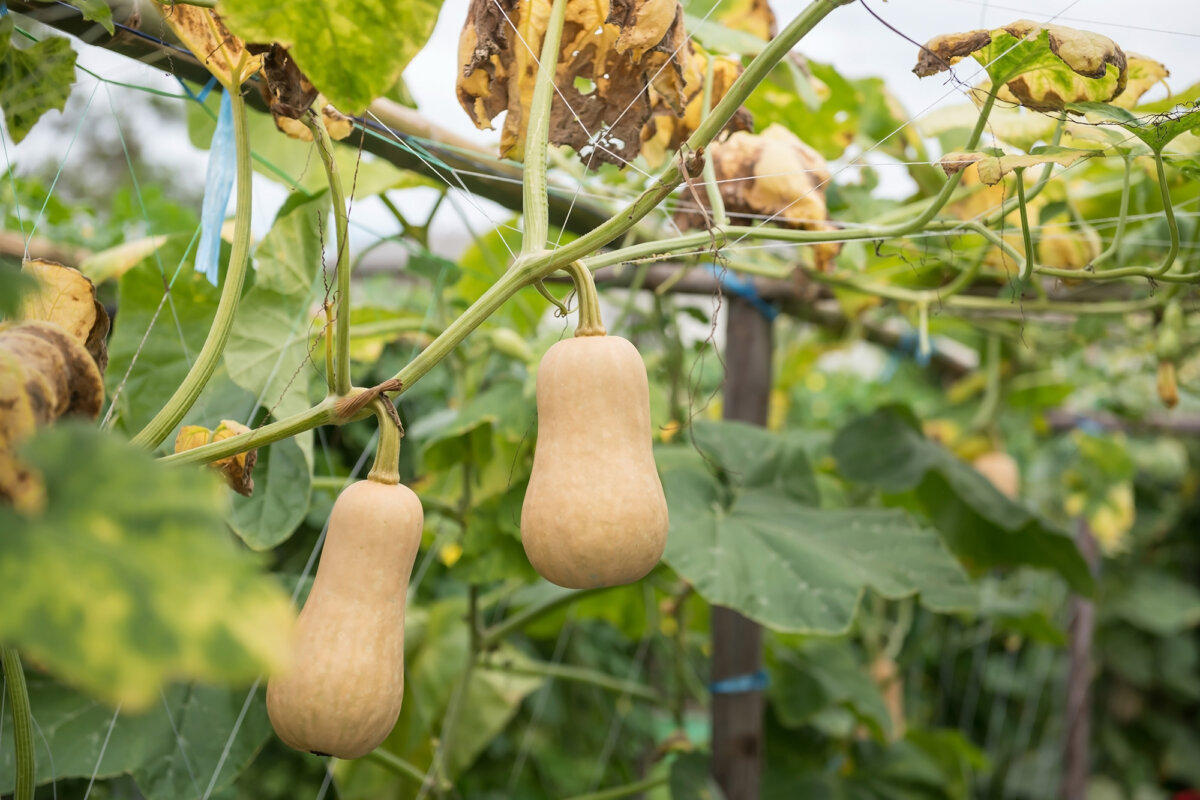
Winter types—butternut, acorn, delicata, spaghetti, banana, sugar pumpkin, and kabocha, to name a few—are hardy in cooler temperatures. Because of this, they form hard skins that allow them to be stored for several months, whereas summer squash is best eaten fresh. They are vining types, so plan on giving them lots of room to grow.
Winter varieties are typically planted from May to July since they need 90 to 120 days before harvest. This puts their harvest season around September, October, or even November in more southern climes.
Winter Exceptions
The long growing season of most winter squash can be a problem for short-season northern gardeners or those who got a late start this year. Don’t fret—there are some fast-growing early-winter beauties.
Bush-style Goldilocks acorn squash can be ready to harvest in a mere 70 days. Early acorn and butterbush will be ready in 75 to 85 days. First Taste and Pinnacle are ready in 85 days, with early butternut coming in at 85 to 90 days. You can choose the variety that works best for your space, be it a bush, semi-bush, or vine.
Build Upward
Heavy producers have a hearty appetite, so incorporate two inches of compost or balanced purpose fertilizer such as 10-10-10 (as directed on the bag) into the garden soil.
Form small hills or mounds four feet apart, as this will increase airflow and prevent wet feet (waterlogged roots). Place two to four seeds per mound, and only keep the two healthiest plants when they start growing.
If planting in raised rows, plant seeds or transplants two feet apart with four feet (at least) between rows. One of the most common reasons for squash underperformance is not giving them adequate space.
Food and Drink
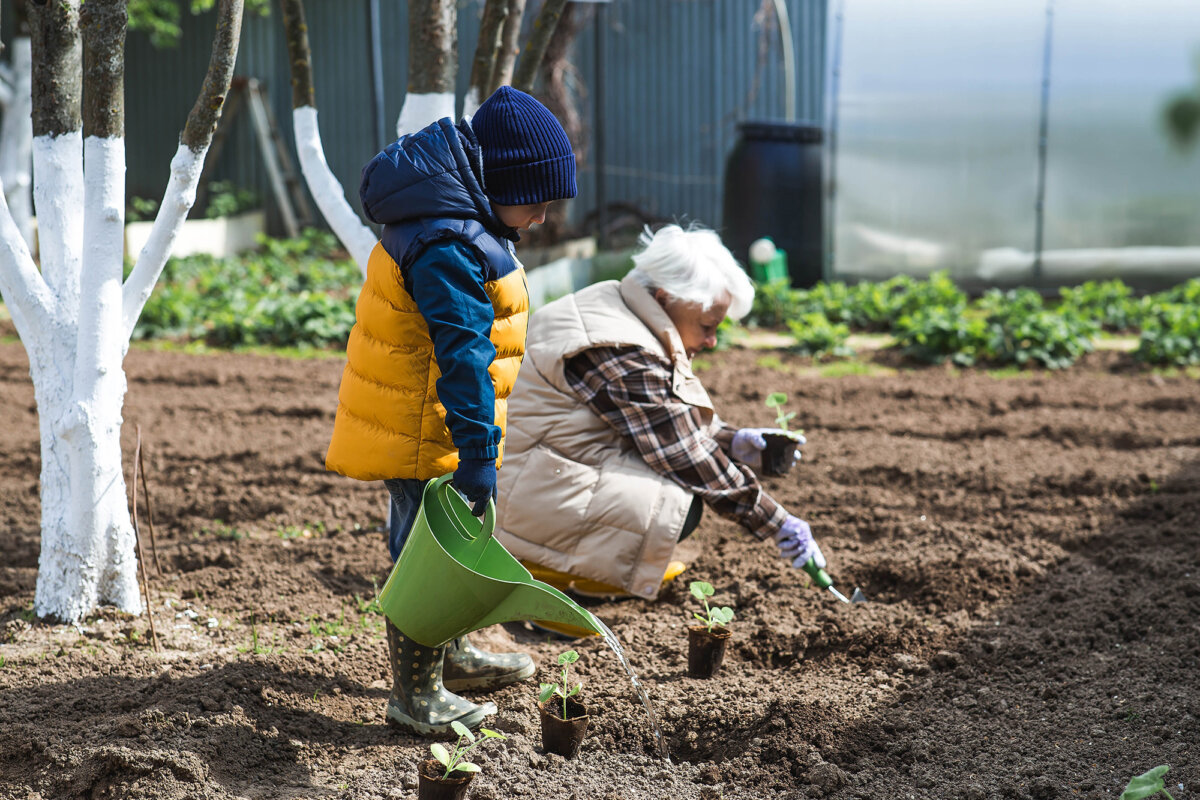
One meal won’t be enough for squash’s voracious appetite, so plan on fertilizing again once the plant begins to bloom. Use a balanced fertilizer at half the ratio as before, because it is being top-dressed (laid on top of the soil over the root zone) this time instead of mixed into the soil. This can be followed by a quarter-dose of fertilizer every two weeks. Water deeply after every fertilization.
In fact, squash needs to be watered deeply on a regular basis to encourage stronger roots and healthier plants. It’s better to water for longer every few days rather than shallowly daily. Water early in the day at the base of the plant (never from overhead!). Watering in the morning allows the leaves to dry thoroughly while significantly reducing the chance of fungal diseases. Drip irrigation and soaker hoses are handy automated solutions.
Pests Happen
Squash can run into several pest problems, so be ready. Deal with situations immediately before they get out of hand. Green or black soft-bodied aphids congregate on the bottom of leaves, curling them. Blow them off with a strong spray of hose water, or use an insecticidal soap for a larger infestation.
Brown or gray half-inch-long squash bugs suck sap, leaving telltale speckled leaves in their wake. Put a board, shingle, or newspaper on the ground at night where the bugs will gather underneath. Check each morning, and at the same time hand-pick any young bugs, adults, and eggs still on the leaves. Drop them into soapy water to kill them.
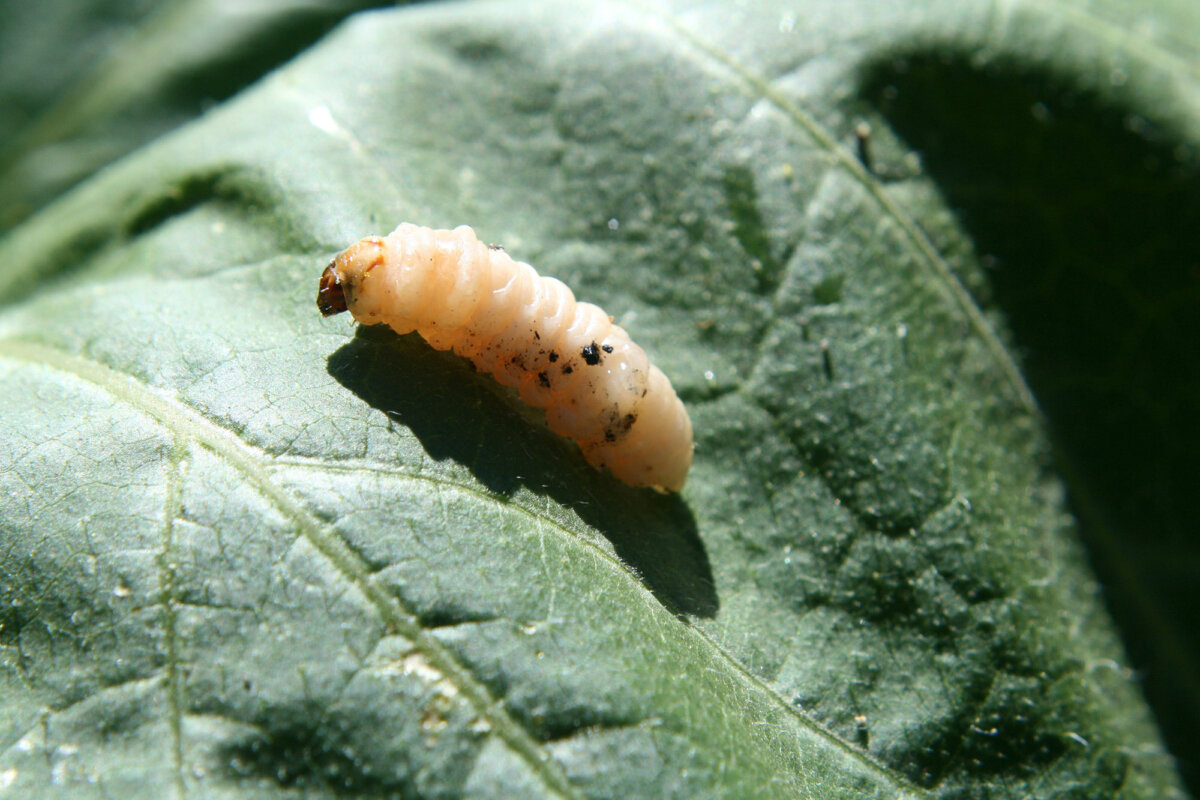
Striped or spotted cucumber beetles feed on leaves and vines, causing the plant to look wilted, while their larvae feed on roots and stems. Catch them with sticky traps, or use an organic insecticide with pyrethrin, which is derived from chrysanthemums.
Lend a Hand
Are your plants looking robust and healthy, but the flowers are dropping without setting fruit? Try adding some pollinator-attracting flowers to the garden as a long-term solution. In the short term, hand pollination works extremely well on squash. Use an artist’s paintbrush to take the pollen (yellow dust) from the stamen of a male flower and apply it to a female flower (the one with a tiny, baby, as-yet-unpollinated fruit at its base).
A second option is to remove the male flower, peel back the petals, and pollinate the female flower directly. In fact, seed savers wanting to avoid cross-pollination will intentionally bag the female flower before it opens, then pollinate manually, even if there are plenty of bees around.
_________________
Mistakes to Avoid
While most gardens are in a sunny spot, squash are particular sun lovers. Make sure they get full sunlight for at least six hours a day, with more being the better.
Snip, Snip
Prune a squash vine as the first frost approaches so it will focus its remaining energy on larger fruit. Likewise, cut back a vine that’s overgrowing the yard (it’s OK!). Trimming off the bottom leaves of a bush squash will improve airflow and overall plant health.
Summer: Don’t Wait
While supermarket zucchini seems to get more massive every year, it’s best to harvest home-grown summer squash when it’s four to six inches long and 1 1/2 inches wide for the sweetest, most vibrant taste. It’ll store in a fridge for up to a week.
Winter: Be Patient
When harvesting winter squash, wait until the stem dries and turns brown. Press a fingernail lightly into the skin—it shouldn’t nick easily. Harvesting after a light frost can help sweeten up the fruit. The exceptions are if the plant becomes diseased or critters are eating the crop.
