




“Dad, I’m going to be in first class!”
The young lad in Seattle-Tacoma International Airport looked up at his father, eyes alight. He couldn’t have been more than 7 or 8, but kids are precocious these days: He was watching the upgrade request reader board above our departure gate, and his name had flashed in one of the columns. It was Christmas week, so maybe Santa would be kind.
“Right?” young Marco Polo asked, when his dad didn’t respond at first. After a minute, the sad truth was delivered with the calm compassion fathers employ with children as they discover the ins and outs of modern life. And nothing in modern life has more ins and outs than travel.
“Josh, that’s just the list of people who have asked for an upgrade,” the father said. “You’re number 36 on the list. There are only 16 seats up front.
“You’re not going to get in first class.”
Josh said: “Why would they have me up there if it was impossible? There’s still a chance.”
Actually, there wasn’t. None. Zero. Zip. The situation was even more dire than Josh’s dad knew. First class (and business class, on international flights) is a treasure as eagerly sought as franchise quarterbacks. The very, very few flights that may have a very, very few unsold up-front seats distribute those to high-status frequent flyers—if the seat isn’t bought in the new phenomenon of last-minute upgrade auctions. It’s such a racket these days that stories abound about actual high-status customers taking their upgraded seats only to be harshly evicted 20 minutes before takeoff when a fellow passenger shells out $200 for that choice seat. I’ve personally witnessed this.
So, are upgrades for average travelers a myth? Yes, Dorothy, we’re not in Kansas anymore.
But this is just one of numerous travel myths that persist like cold fusion, rumored to exist but never found in real life.
1. You Can Get in 1st Class by Dressing Well and Asking Nicely
No, you can’t. This old wives’ tale is as hard to stamp out as vampires, still showing up in internet collections of fantasy travel secrets. It’s been around since Calvin Coolidge was president, and it hasn’t been true for decades.
This fable dates from the Pan American World Airways era of aviation, when air travel was glamorous and airlines actually competed on service. Now the skies are ruled by cost structures, quarterly earnings reports, algorithms, and loyalty programs. Airlines grant front cabin seats to a select few: customers who actually buy first-class tickets, passengers cashing in miles (huge numbers of miles), super elite frequent fliers, and the CEO’s sister’s dentist. The auctions for first class described above are just the latest iteration of mercantile exclusivity.
So, asking? Try asking for special odds in Las Vegas.

2. The Hotel Room Safe Is a Good Place for Valuables
Most hotel rooms have a personal safe on the shelf in the clothes closet—and most are about as safe as blank checks.
Why? Can’t you just pitch the family jewels in there, set your own code that no one else knows, and head down to the gym for a workout? Easy-peasy.
The problem is that every safe comes with a preset default open code, so the hotel can rescue the guest’s crown jewels when he forgets the code he entered an hour ago. The hotel is supposed to reset the default code on each safe when it’s installed, but guess whether that actually happens.
So these codes are usually something choice such as 1-2-3-4. Yes, thieves know that. Knowing such things is their profession. If they get into your room, they’re going to check out your safe. The hotel itself has dozens of people who know how to get into your safe.
As for traveling with valuables … why? Celebrities and other savvy mucky-mucks carry fancy costume jewelry when they travel just for this reason. Wads of cash? Seriously?
“Don’t take valuable stuff with you on vacation,” a Los Angeles police detective who moonlights as a travel security expert once told me. “Don’t do it. Don’t.”
3. You Can Save Money by Wise Currency Exchange Shopping
There are only 10 humans who truly grasp international currency trading. You’re not one of them. I’m not, either.
But I constantly see wannabes holding a fistful of dollars in one hand, a calculator in the other, spending a half-hour at a Travelex kiosk in Paris Charles de Gaulle International Airport, say, searching for some magic .002 percent margin that will pay for a demitasse in the 16th arrondissement once they ride-share their way into Paris.
The exchange booths in the airports don’t offer the very best rates. They also glom fees on top of the transaction. But unless you are transporting really large amounts of currency (don’t do this; I mean it), the incremental advantage you might find somewhere else only amounts to a few simoleons.
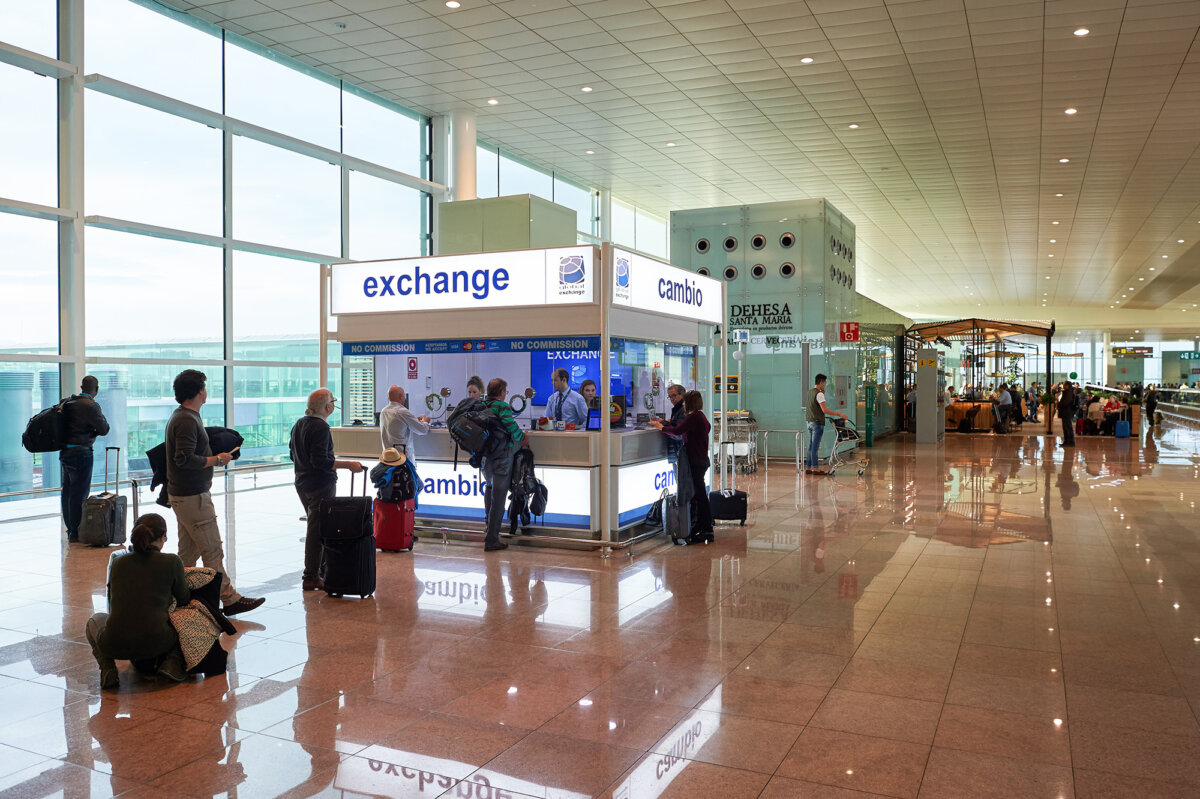
Travel is complicated enough. Simplify: Use your ATM card and credit cards for cash and payments overseas. Your bank back home will provide a decent exchange rate (this isn’t how banks make their profits), and you can spend your time and energy trying to figure out the Paris Métro.
Of course, you do have one of the numerous bank cards that don’t charge foreign transaction fees. Right?
4. One Credit Card Is Plenty for Travel
What’s your plan, pilgrim, when you lose the card, or your bank’s artificial intelligence algorithm decides that you don’t belong in Warsaw, Poland? Or Texas, for that matter. That happened to me. Luckily, even in Grapevine I had my usual three cards, and I didn’t have to wash dishes for two hours in the back of the mini-mart where I’d pumped $60 of gas only to have my bank decline the charge.
“It’s outside your usual territory,” those at my bank said blithely when I called to remind them that Texas is in fact part of the United States.
Why do I have three cards? One’s an American Express, and while that’s OK most places now, the extra merchant fee means that some coffee shops and neighborhood bistros don’t take it. My other two cards are Visas, so even if American Express is a no-go, and something’s wrong with one of my Visa cards, I still have a backup.
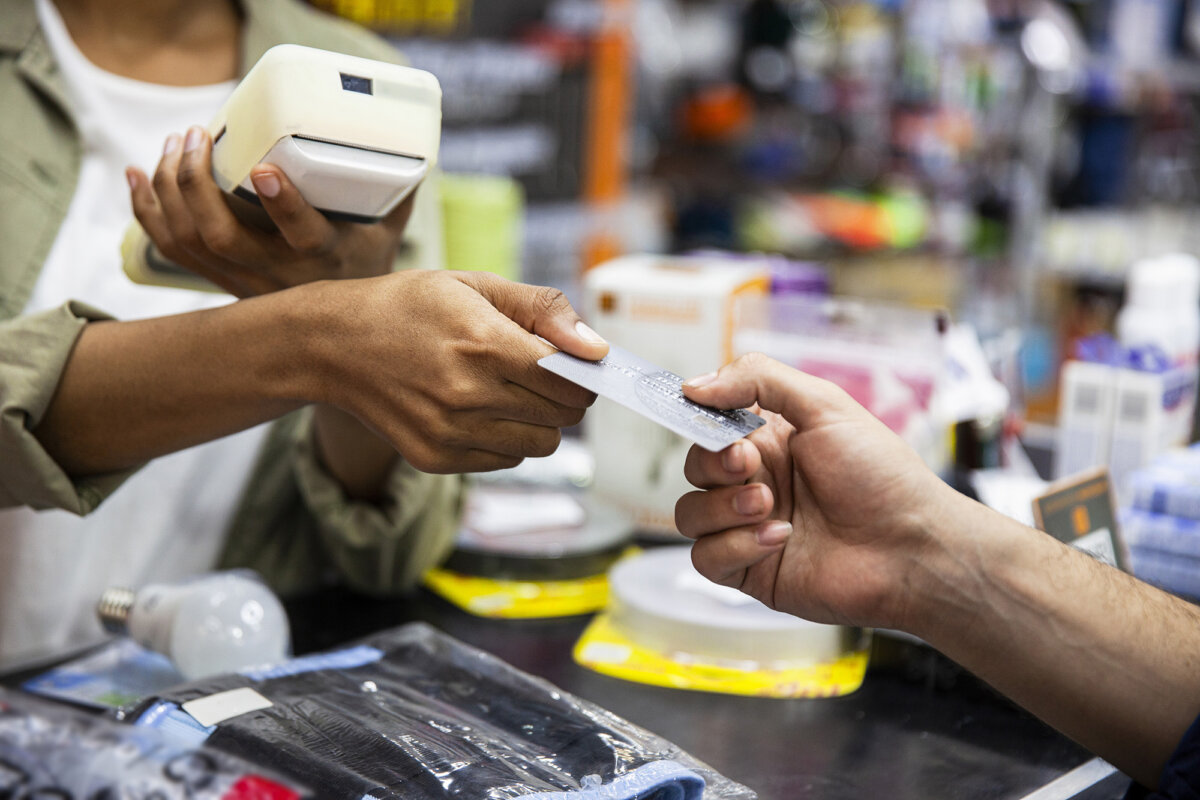
Yes, I earn points on all these cards. That’s a true no-brainer. It’s how I get in first class. Just pay your balance every month, friends.
By the way, many, many vendors in many, many places now refuse cash. Bring out a piece of paper currency, and they’ll look at you like you just crawled out from under a rock. I’ve encountered this in the UK, Switzerland, Austria, and other countries. So you’ll need payment cards, digital apps such as Apple Pay, or both.
5. Trains Are the Best Way to Get Around Europe
My dinner companions in Birmingham glanced at each other with wry expressions. No, not Birmingham, Alabama—the one in England, just a couple hours by train from London. I’d asked how often they hop on the railway to visit the big city.
“Actually, it’s as easy to hop on a plane to Spain,” one of them said. “Cheaper, too. I probably haven’t been to London in two years.”
So sad when old, fabled traditions die! The truth is that air travel is by far the best way to get around Europe now. It’s the world capital of low-cost airlines: Ryanair, the granddaddy of ’em all, is now the biggest airline in Europe, so large that its famously irascible CEO, Michael O’Leary, thinks nothing of having a feud with Tesla CEO Elon Musk, the world’s richest person.
For instance, my UK friends can take a $52 round-trip flight to Málaga, Spain, on Ryanair; a return train trip to London is more than twice that, although it takes a few hours more to get to the Costa del Sol and all its sun and warmth.
This same equation holds throughout Europe. Want to go from Vienna to Paris? A sleeping compartment on an overnight train runs up to $200 and takes 14 hours; a flight costs $70 and takes two hours. You see the Alps either way.
Some noncompetitive markets are outliers: No low-cost carriers fly between Vienna and Zurich, so that ticket costs $500, while the overnight train is $200 for a sleeping compartment. That’s why I’ve done it, twice. Very evocative. Like in the movies, sort of.

The one place where European trains still shine is between most major airports and their cities: London; Stockholm; Zurich; Vienna; Madrid; Paris; Berlin; Frankfurt, Germany; Amsterdam; Copenhagen, Denmark; and more all have direct trains to the city center that whisk travelers along speedily and economically. Like all modern cities, these places have extreme traffic congestion; you can sit in your comfy train seat and watch the cars lurch slowly along on urban freeways as you breeze by.
6. Duty-Free Stores Offer Bargains
This is one of the biggest retail hoaxes on this planet. There is no store on earth where buying something excuses you from paying import duties when you arrive back home. U.S. Customs agents don’t care that you bought six bottles of really great rum at the Dufry in Dubai, United Arab Emirates—you owe duty on five of them. Period.
What you do escape is paying local tax back home, although duty requires me to point out that technically, you should voluntarily send your state an excise tax payment on those “duty-free” bottles of rum. You’d do that, right?
The catch is that, except for in a few ultra-high-tax jurisdictions, the local levy you escape is superseded by the markup in the duty-free stores. They charge you more to stiff your local tax at home. Trust me, I’ve price-checked this in duty-free stores in Dubai, London, Zurich, and the Caribbean. Never have I found an item actually cheaper, especially those fabled bottles of rum.

My UK friends tell me that they do save money on cigarettes and candy, so if those are such significant parts of your lifestyle that you are happy to line the pockets of French billionaires, have at it. Alternatively, you can pay taxes back home and they might fix the pothole on your local boulevard. Either way, to borrow ancient human wisdom, there’s no free lunch.
7. Extra Legroom Seating Is Superior
On most airlines this amounts to two to four inches, which is enough to squeeze in a thick wool sock, but you might be asked to fork over $50 or more. However, there is no extra room sideways, which is the bigger problem in an overfed world.
What can average travelers do? Exhaust every avenue to get in the exit row, which usually has six inches of extra room. Here’s where status in a frequent flyer program does the most good, as it usually provides advance seat selection that includes exit row seating. Yes, on occasion asking nicely at the gate ahead of time might win you a prize—airlines often have unclaimed seats in the exit row, as they must reserve these for passengers who fit the government criteria for age, ability, etc.
8. Airlines Have to Compensate You for Canceled Flights
This fable is based on the so-called “Rule 240,” which disappeared a lifetime ago—thank the Reagan-era deregulation frenzy. Today, there is no government requirement covering canceled flights. What happens to passengers depends on the particular airline’s “contract of carriage.” These vary widely and require a strong magnifying glass to read. You may or may not be rebooked on another airline; you may or may not be offered a hotel if you’re stuck overnight or a meal if it’s an all-day meltdown.
Most U.S. airlines, at least begrudgingly, provide some level of recompense. At the very least, they have to honor their contract and get you to your destination, when possible. Want reimbursement for missing the first night of your honeymoon? Go ask your Uncle Vito.
The Biden administration imposed compensation rules a few years ago, but the Trump administration wiped them out recently. So, no compensation is required. Caveat emptor!
Better treatment is found in Europe, where European Union regulations demand that airlines take responsibility for almost all cancellations, delays, and other travel snafus. That even includes refunds.
9. Jeans and Sneakers Brand You as an American Rube
Modern humans from the Baltic to Bangkok all wear jeans and comfortable shoes (“trainers,” in Europe) while they are out and about during the day, save government, finance, and luxury goods workers. However, you won’t see most Europeans or Asians clad this informally for evening events, so put on some slacks and a jacket for dinner. Want to make sure that you look like a rube? Wear a polyester track suit. Or pajamas.
10. Street Food Isn’t Safe
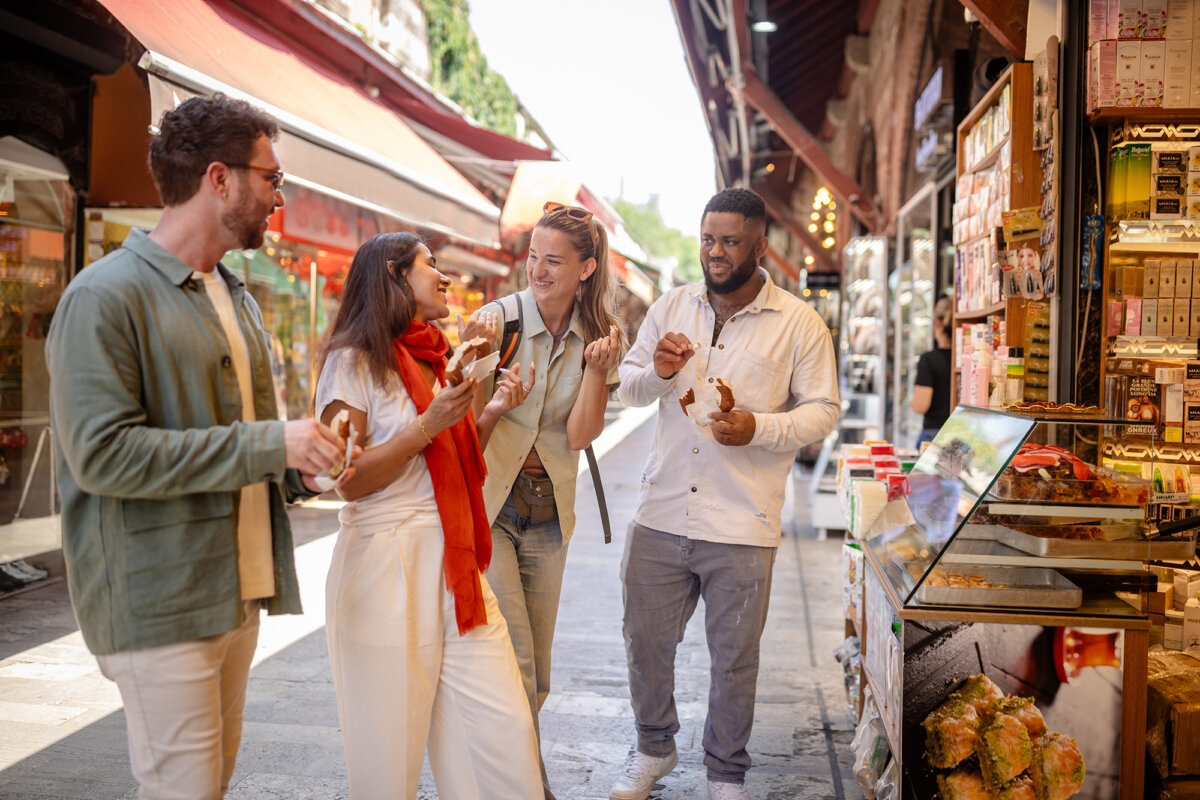
Poppycock. In street markets and at food carts, you can personally watch the food being cooked, and stringent modern handling requirements have lessened foodborne illness in most countries. I’ve eaten street food in 60 foreign countries and not been sick once; add in the rest of my family, and we’ve ingested street food in more than 100 countries, all safely. Wandering through markets and sampling local foods is a superb way to save money, experience local culture, expand your culinary horizons, and enjoy the genuine adventure of travel.
Actual bacterial food poisoning is a quite rare affliction, marked by extreme digestive distress. Mild symptoms such as light diarrhea and tummy rumbling are usually caused by simple differences in water and foods around the world. If you have a delicate stomach, it’s best to bypass raw fruits and vegetables.
11. Savvy Travel Shoppers Can Fly for $10 on Budget Airlines
No. Never. Only when pigs fly. Yes, there have been occasions when various low-cost carriers advertise $9 fare sales, especially in Europe. Ryanair was famous for this—tickets were advertised as 9 pounds (about $12), in one case. The UK press slaughtered the event with great glee, booking theoretical tickets all around Europe that, when the fees, taxes, surcharges, and other extras were added in, often came to 100 pounds (about $137).
Some budget airlines have pushed the fee frenzy to the point at which they charge for making the purchase, a bizarrely devious tactic: Yes, the fare may be $9 one-way, but you have to pay an extra $10 fee to buy that $9 fare. In other words, you have to pay to pay. P.T. Barnum is laughing wildly up in heaven.
12. You Need an International Driving Permit to Drive Overseas
My U.S. license has been sufficient in Germany, Austria, Finland, Sweden, Ireland, France, Mexico, and the UK. Visitors to most developed countries may drive with a legal license from their home country, as long as they are there less than six months. However, it’s a good idea to just pay the $40 that AAA charges for an international driving permit—it’s an extra layer of documentation that might ease the suspicions of the local traffic officer in Krakow, Poland, who believes that you were driving 20 kilometers per hour over the speed limit. Surely you wouldn’t do that.
What you should not do is drive into a major European city, especially London and Paris. Don’t do it. Take the train.
13. The Best Time to Buy Travel Is About 6 Weeks Beforehand
The universal advent of automated sales algorithms has tossed all such general principles out the window. Airplane seats, rental cars, hotel rooms, and other travel items such as tours are time- and demand-sensitive commodities, especially now that 8 billion people worldwide can buy anything online. Travel commodity prices fluctuate in ways even Albert Einstein wouldn’t be able to predict. These days, they can even change hourly.
Airlines, hotels, and such price their seats and rooms in retail fantasy land when they are first posted 11 months ahead of time—high but not stratospheric. This is rarely the time to book anything. After that, prices largely adjust according to demand, with some influence registered by seasonality, holidays, local events, news events (ever thought of visiting Greenland?), and more.
There used to be slack times in the travel calendar, such as the first two weeks in December, but a proliferation of articles such as this one has sent “savvy” shoppers into the gaps and, oops, now everybody knows.
You can sometimes find bargains six weeks ahead, and sometimes six months ahead or six days ahead if there are unsold seats or rooms. It all depends on who else wants to go where you do when you do. The best strategy is to keep checking, teach yourself the demand profile of a destination, and hop on a booking when it looks good. Sign up for notices about sales, keeping in mind that “sales” sometimes represent discounts on prices artificially inflated just for the sale. You won’t be fooled, though, because you’ve studied the market.
The one truism that remains true, largely, is that Saturday, Tuesday, and Wednesday are the best days to fly. And in-city business hotels are generally cheaper on weekends, while you may find it best to start a resort vacation on a Sunday night.
Aside from that: Shop and study, shop and learn, learn and book.
And once you’re educated, by all means: Get going.
