
Classic literature has attained, especially in our time, a reputation for being either dull and irrelevant or formidable and impenetrable, an elitist interest, existing mainly to be dissected by bespectacled professors. As a result, a thicket of intimidation often sprouts up between “ordinary” readers and literary classics.
But to appreciate classic literature, you don’t have to be an academic. You don’t have to be a book snob. You don’t have to have a doctorate, or drink tea and live with 19 cats. You need only be human. The classics are a universal inheritance; they have endured precisely because of their irreplaceable power to reflect, interrogate, and reveal the riddles and intricacies of the human condition—a condition that belongs to us all.
This article is for anyone who has been convinced of the indispensability of classic literature for a well-rounded life and mind but, for whatever reason, feels ill-equipped to begin reading the Western canon. The titles below offer an easy gateway into the realm of classic literature, and once you read a few of these, you won’t want to stop. You’ll realize that you need the classics.
And, they need you: A robust argument can be made that the appreciation and understanding of the classics grows best when these works are placed into the hands of “common readers” rather than “experts.” They were, after all, written for people like you and me.
Without further introduction, then, here are four classics to begin your journey. You’ll find them accessible and delightful, even if you’ve never before picked up something older than a Stephen King novel.
‘Animal Farm’ by George Orwell
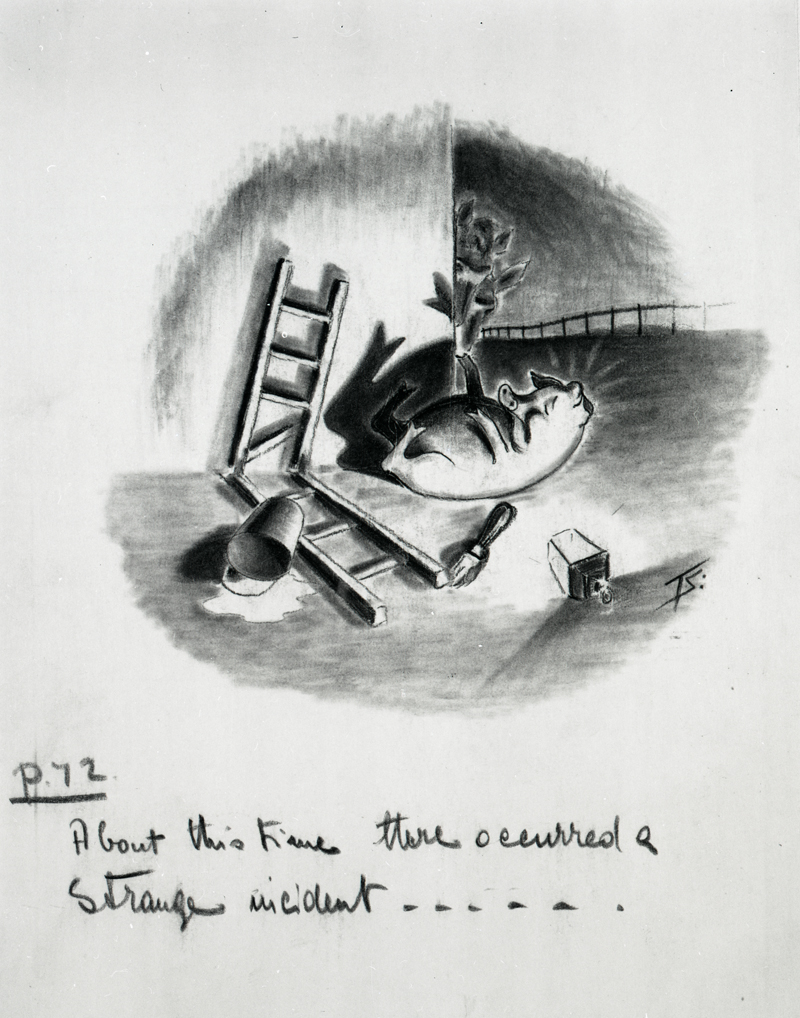
By turns humorous and horrifying, this reimagined fable uses animal characters to explore the development of totalitarianism, particularly as it manifested in communist Russia. Orwell published the book in 1945 as a political satire on the Russian Bolshevik revolution and subsequent Soviet dictatorship. The prose is extremely readable, and the story moves at a fast clip. The train wreck of the animals’ attempt to cast out the farmer and establish their own animal utopia grips the attention even as it brilliantly—and courageously—encapsulates the horror of what was taking place in Russia around the time the book was written.
Orwell aimed to show people what the Soviet regime was really like at a time when its atrocities and hypocrisies were not clear to everyone. Orwell said of the book, “’Animal Farm’ was the first book in which I tried, with full consciousness of what I was doing, to fuse political purpose and artistic purpose into one whole.”
At about 30,000 words, this book can be read in an afternoon or two if you set your mind to it, making it an easy place to start and gather some momentum.
‘A Christmas Carol’ by Charles Dickens
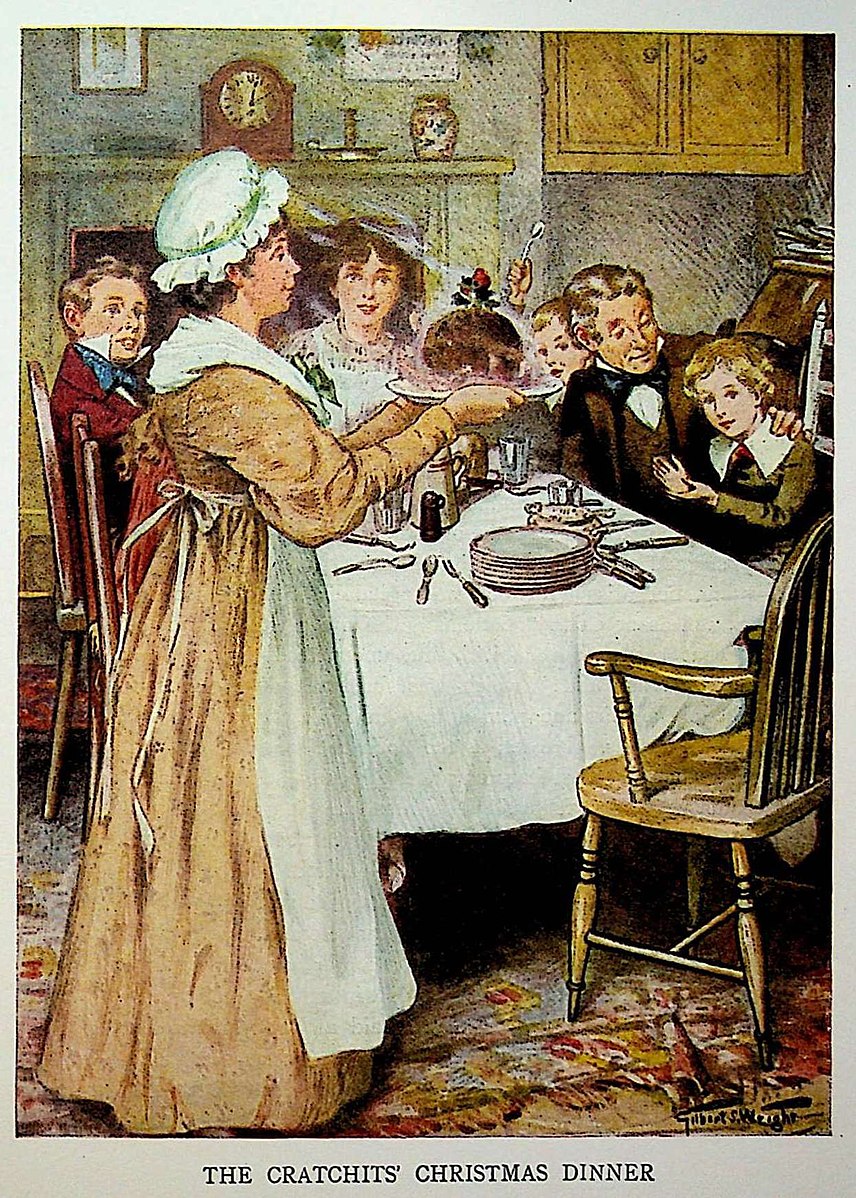
Another work of a similar, brief length, this tale’s supernatural and moral elements make it immediately engaging to a wide audience. The first edition was published on Dec. 19, 1843, and it sold out by Christmas. Dickens’s prose is more complex than Orwell’s but not too challenging for most readers.
Most of us have a general familiarity with the plot of the novella because it has saturated our common culture. But don’t make the mistake of thinking that knowing the plot is at all the same thing as reading the book. A plot is not the same thing as a full, incarnated story any more than a skeleton is the same thing as a human being.
The charge of sentimentality has been laid at Dickens’s feet more than once and not without some justification. Still, a serious moral vision, complex psychological awareness, and a genuine delight in words and in people undergirds his work. The vibrancy of his characterization alone makes Dickens indispensable.
‘Pride and Prejudice’ by Jane Austen
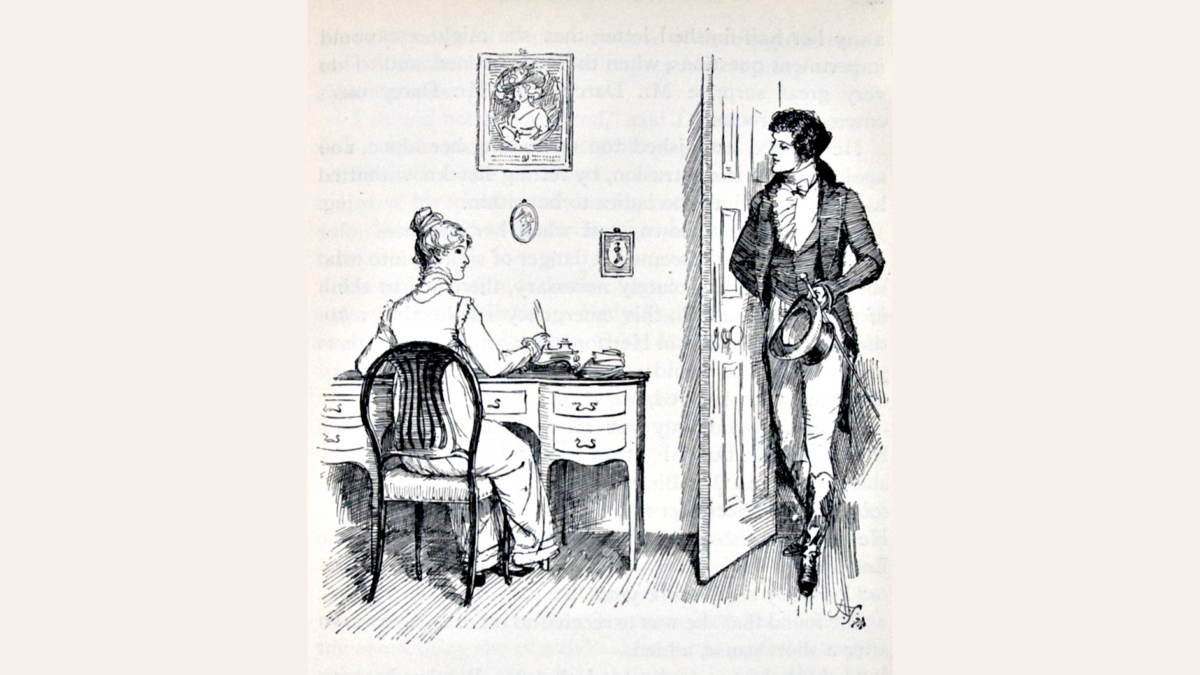
Once you’re ready for a slightly longer work, pick up a copy of Jane Austen’s timeless romance “Pride and Prejudice.” It’s written in highly readable prose, much of it composed of dialogue. It’s rich with irony, wit, and social commentary. But even more importantly, Austen is an excellent study of character and a brilliant literary portraitist.
Her characters live and move and breathe with absolute believability. She uses these portraits to explore the difficulty we have in truly knowing and understanding other people and particularly how that complicates the process of courtship and marriage. At its core, the novel is, I would argue, a study of what makes for a good (or bad) marriage—and how rash judgements impact the pursuit of marriage.
At about 120,000 words, the novel is certainly longer than previous entries on this list but still not a behemoth like some Russian novels.
‘The Odyssey’ by Homer
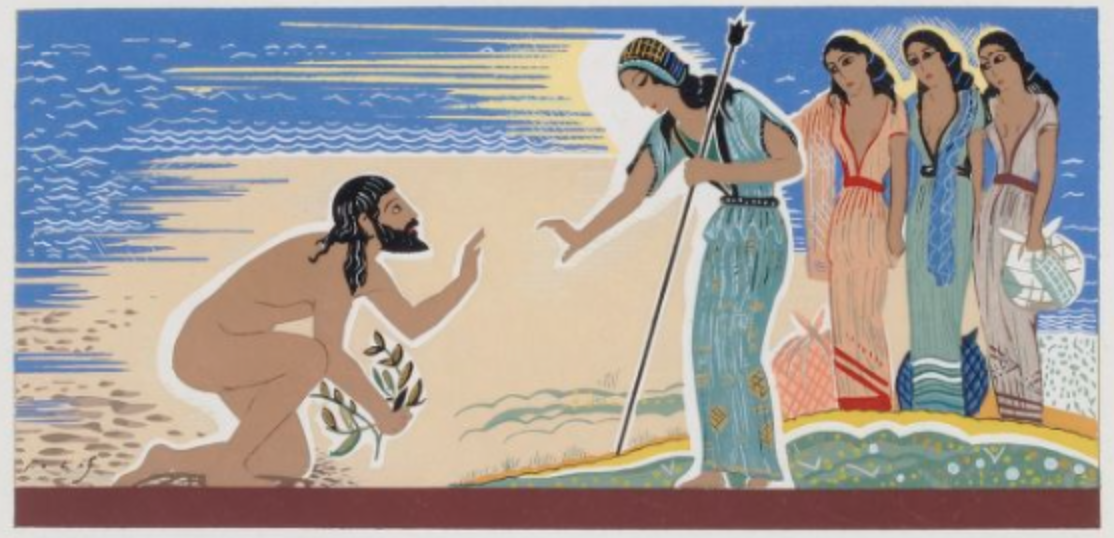
The “Odyssey” is of a similar length to “Pride and Prejudice,” but it’s hard to imagine two more radically different works. One is the embodiment of polite English drawing rooms; the other is among the oldest works of literature we have, surging up with a wild and potent energy from before recorded history, uttering hypnotic verses about myths, monsters, goddesses, and heroes and what it means to be a man, doomed to die, yet always grasping for things to hold onto: greatness, glory, but also hearth, home, and family.
A readable and riveting adventure story, a celebration of domesticity and civilization itself, a love story, a tragic account of man’s mortality and his struggle against the alien forces of the universe—the “Odyssey” is all this and more. It is foundational for Western literature. More than that, Western civilization itself rises on the foundation of the poetry of Homer. In my opinion, this one is the highest art of the works on this list. I recommend the translation by Robert Fagles, which is very readable and adapted well to a modern audience.
It is my sincere hope that you will not be satisfied by this little reading list—that is, I hope your appetite for the glories of our literary heritage will not have been satiated, but rather intensified. There’s a world of great reading out there beyond these titles. Enjoy the journey.
What arts and culture topics would you like us to cover? Please email ideas or feedback to features@epochtimes.nyc.