



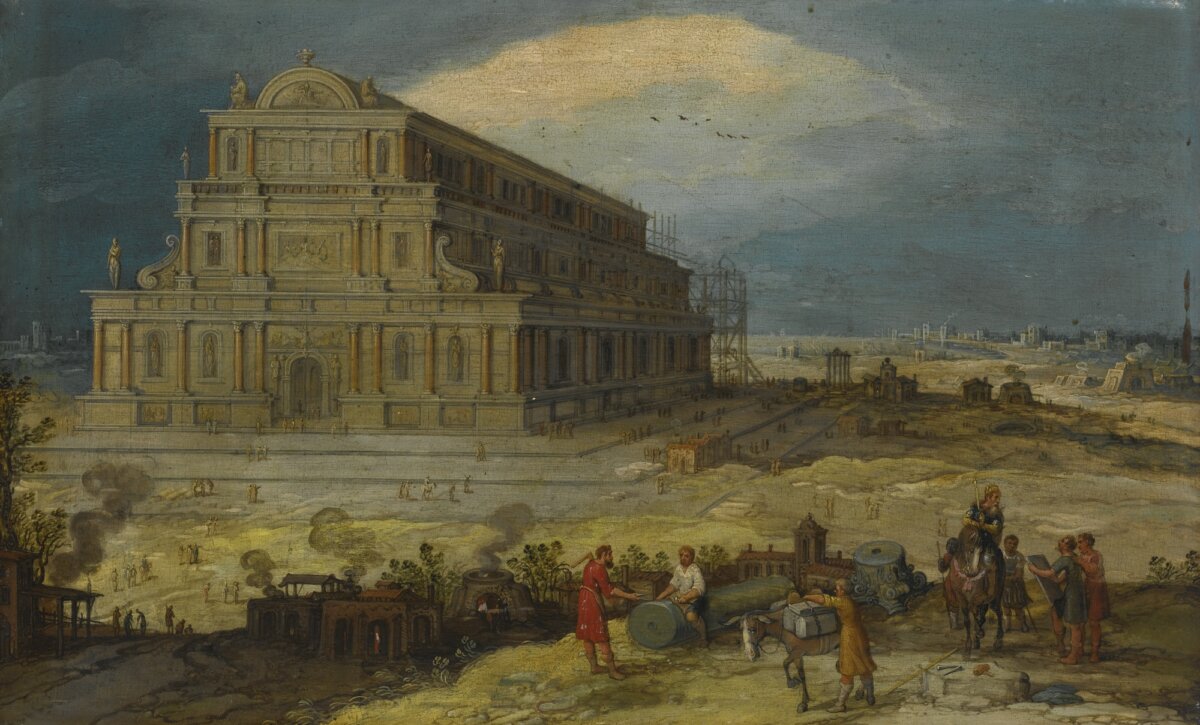
For more than 1,000 years, and throughout multiple destructions and reincarnations, the Temple of Artemis at Ephesus was a widely known and cherished pilgrimage site. Destroyed first by water, then by fire, then by plundering Goths, and finally by Christians repurposing its stone for new cathedrals, the temple’s beauty and grandeur outlasted many of the empires it blessed. Few monuments can hold a more pivotal place in blurring the lines between the Bronze and Iron Ages’ historical and mythological evolutions.
Rooted Deep in Myth
The temple’s earliest incarnation was inseparable from the legendary accounts of the Amazon warriors. Appearing as far back as Homer’s “Iliad” composed in 800 B.C., these fierce women who fought on horseback and forbade men from having any prominent positions in their society were said to have settled from Scythia, north of the Black Sea, all the way to Libya. Archeologists have since discovered remains of female Scythian warriors buried with bows, maces, and horses giving plausibility to the legends.
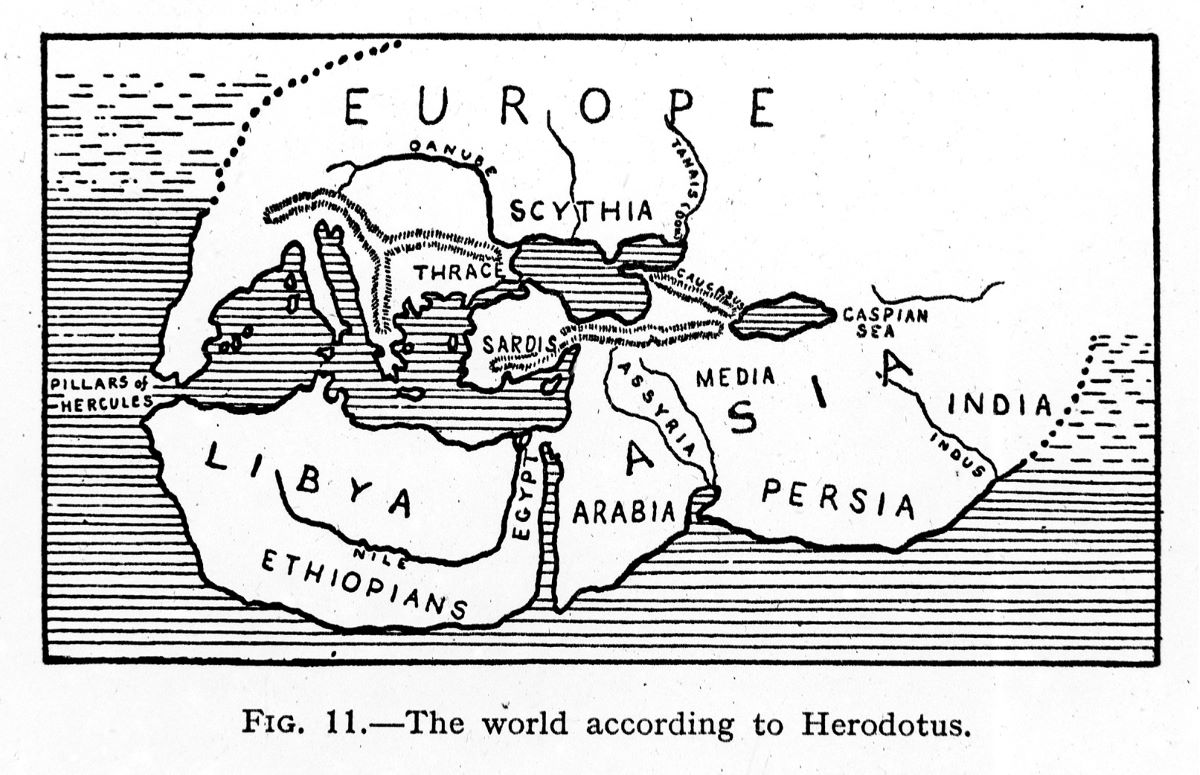
Beloved ancient Greek poet Pindar described the Amazons’ battles with Hercules before the Trojan war, around the 12th century B.C. He credited the temple’s initial founding directly to the Amazons. However, Greek geographer Pausanias (circa A.D. 110–circa A.D. 180) corrected Pindar’s claim, arguing that it was well-known that the temple site predated both the Amazons’ and Ionians’ arrival in Ephesus around 1,000 B.C.
The most vivid description of the Amazons’ connection to the temple comes from Hellenistic poet Callimachus. In his “Hymn to Artemis,” he describes the Amazons’ annual dance ritual around a large statue of Artemis. His description includes the same Queen Hippolyte who had previously battled Hercules, now punished by Artemis for her refusal to dance in the ceremony. While the Amazons’ presence in Ephesus is well preserved in these accounts, archeological proof remains inconclusive, possibly due to the massive 7th century B.C. flooding that destroyed the first version of the temple.
The Marble Age
When the wealthy King Croesus of the Lydian empire conquered Ephesus around 560 B.C., his gesture of diplomacy was to sponsor the rebuilding of the beloved temple. Eager to secure his rule by gaining the Greeks’ favor, he generously rebuilt the columns with marble rather than wood. Scholars believe this was the first monumental peripteral—a colonnade-style temple with a single row of pillars surrounding the building—of this size to be built entirely out of marble.
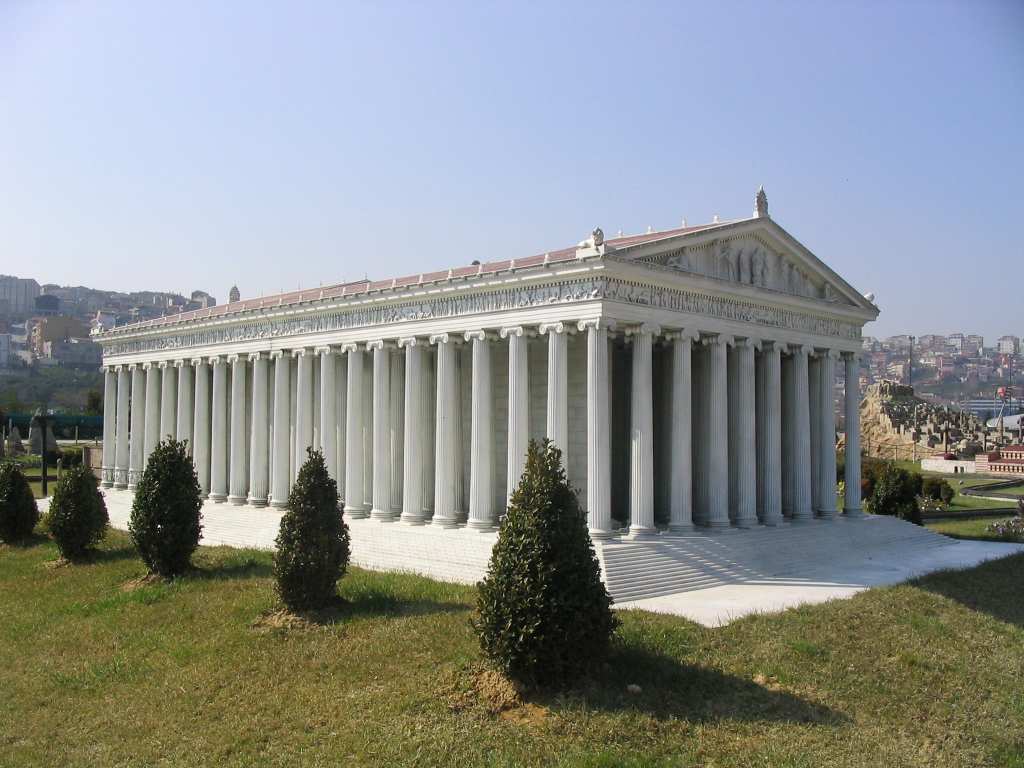
The temple was finally completed 120 years later, though the Lydian empire no longer existed. The original design with a single row of columns had been upgraded to a double row featuring 127 columns in total. Spanning 377 feet by 180 feet, it was nearly three times the size of the Parthenon and nearly 20 feet longer on each side than a football field.
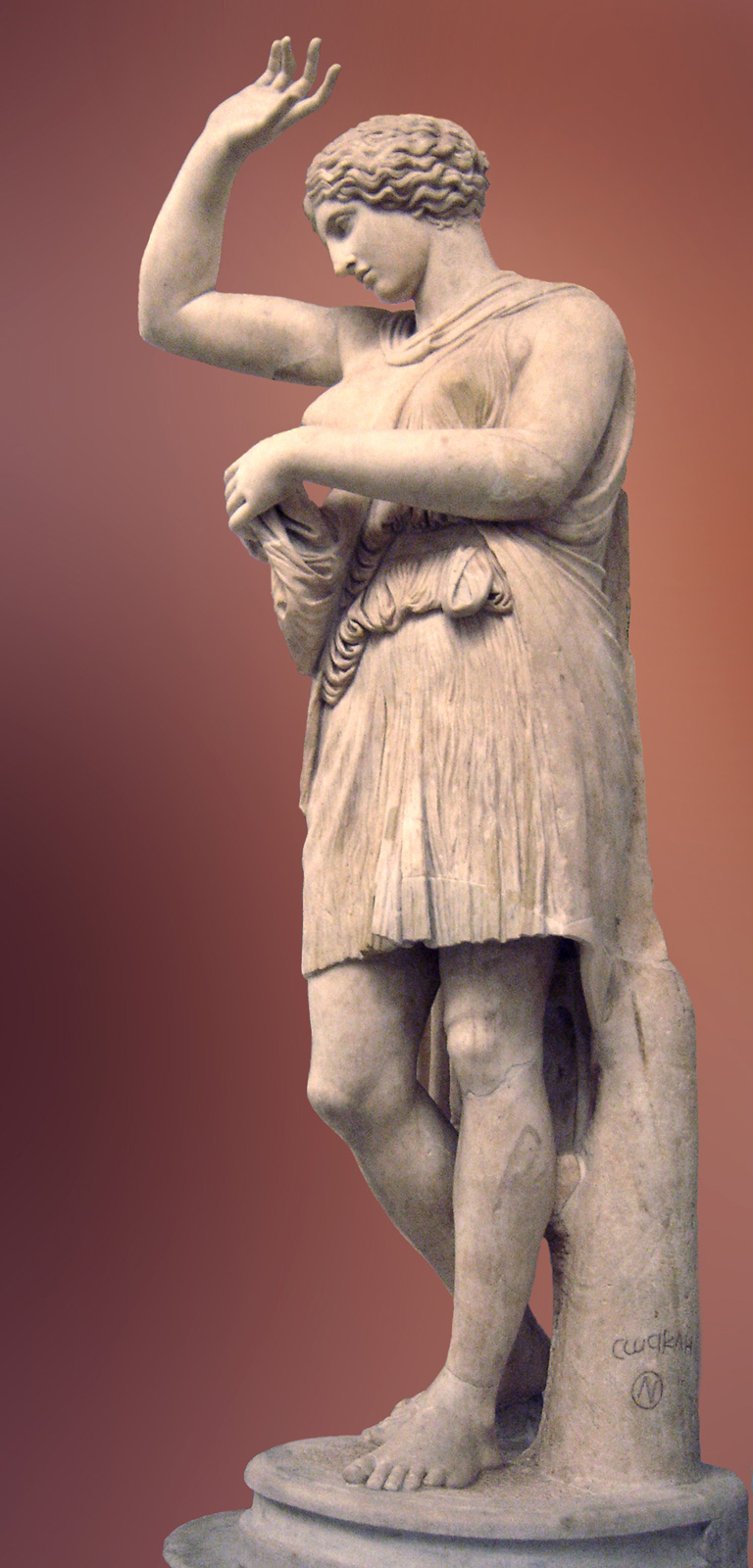
Pliny the Elder (circa A.D. 23–A.D. 79) recounts that the completion of the temple inspired a competition between the five greatest sculptors of the day to honor the temple’s history with a statue of an Amazon warrior. One of these five was Phidias, who would later sculpt another of the seven ancient wonders—the Statue of Zeus at Olympia. While none of the original Amazon statues remain, several Roman copies have survived.
The temple remained in this form for nearly 75 years until 356 B.C. On the night that Alexander the Great was born, the roof’s supporting framework mysteriously caught fire and collapsed. History has preserved the sentiment that the disaster happened in the goddess’s absence while she was away, tending to Alexander’s birth. Scholars remain skeptical of the accounts that a lone vandal sought to destroy the temple simply for his own notoriety. Suspiciously, the culprit is said to have only confessed his desire for fame under torture. As punishment, Ephesus decreed that his name be forbidden to be spoken or written down. It is only thanks to the Greek historian Theopompus, who defied the official order and recorded the vandal’s name, that we know him to be Herostratus.
The Final Rise and Fall
In 334 B.C., Alexander the Great (356 B.C.–323 B.C.) visited Ephesus and, like Croesus before him, offered to finance the complete reconstruction of the temple if his name could be inscribed in the stone. According to historian Strabo (circa 63 B.C.–circa A.D. 24), the Ephesians politely declined on the grounds that it would be improper for one god to make tribute to another. The Ephesian citizens pooled their own resources for the reconstruction, and the continued prestige of the temple ultimately gave rise to a tourism industry of silversmiths mass-producing small statues of Artemis for pilgrims and visitors.
These same silversmiths figure in the Biblical accounts of apostle Paul’s third missionary trip to Ephesus. Around A.D. 57, Paul’s preaching and his denouncement of the worship of Artemis and the making of her shrines created a significant enough decline in revenue for the smiths that one, Demetrius, proclaimed:
“There is danger not only that our trade will lose its good name, but also that the temple of the great goddess Artemis will be discredited; and the goddess herself, who is worshiped throughout the province of Asia and the world, will be robbed of her divine majesty.” (Acts 19:27)
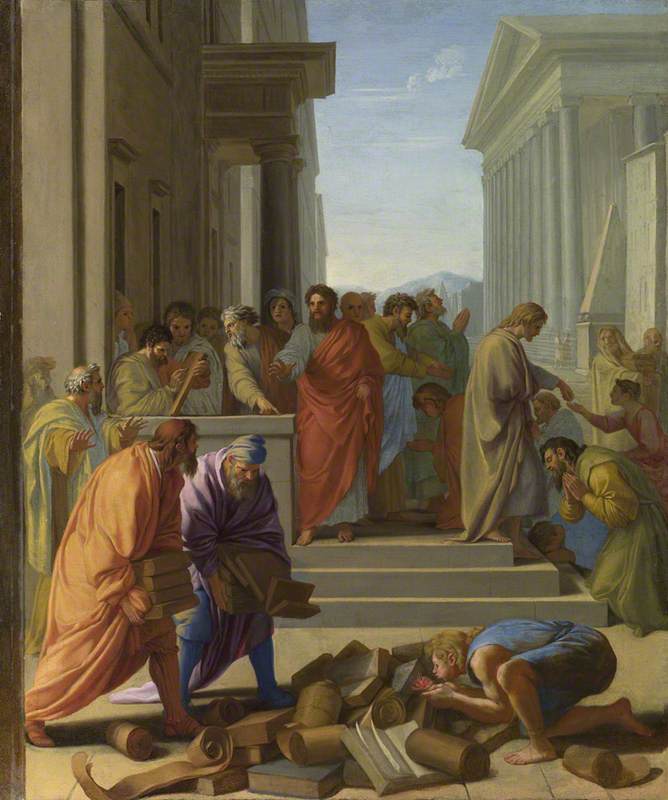
Contemporary records show that the growing Christian presence in Ephesus remained a minority in the following century. The next assault on the temple did not come from Christians but from the raiding Goths who plundered Ephesus and the temple, stripping all traces of gold and silver from both its statues and priests. The city would never again possess the resources to rebuild and managed only to preserve what remained.
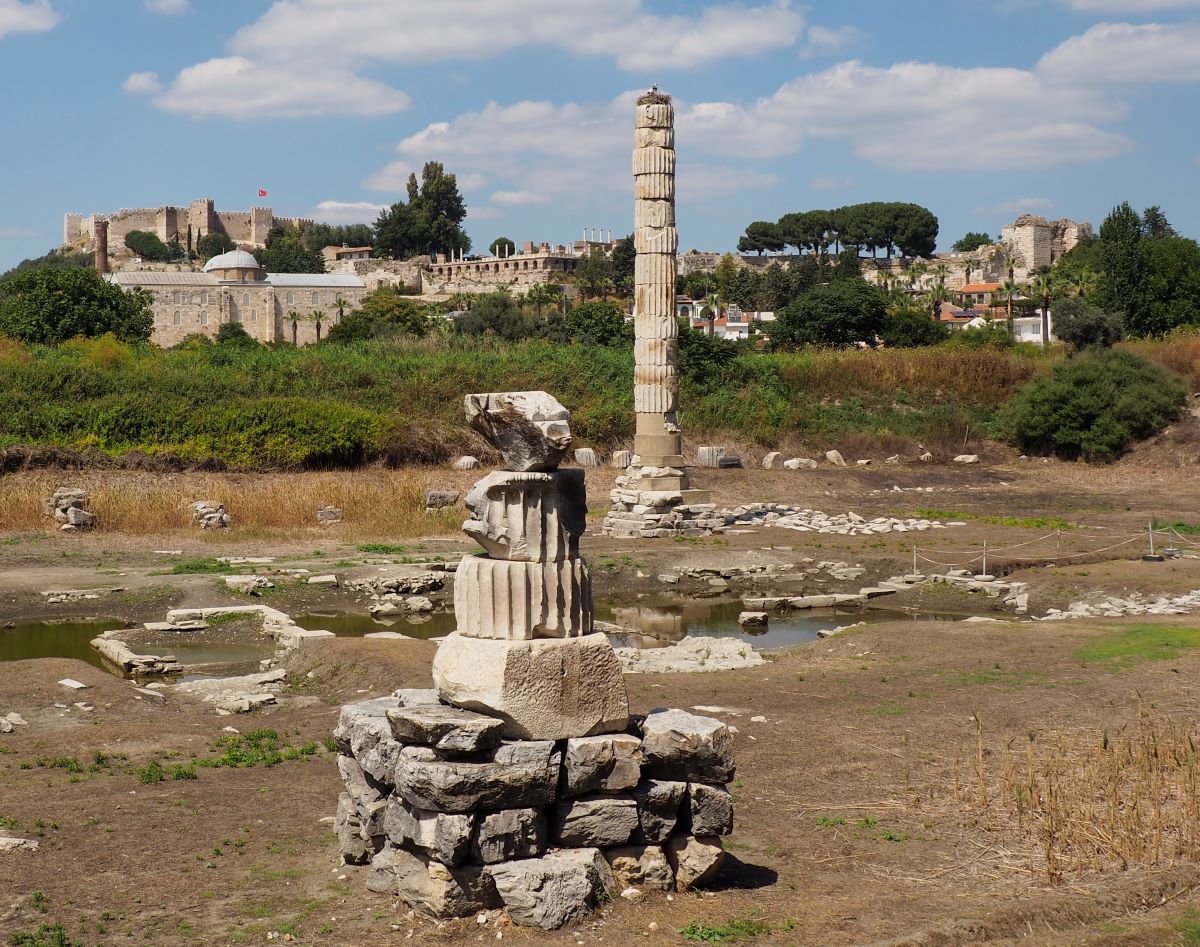
The final blow came in after Roman Emperor Theodosius I’s decree banned all pagan worship. St. John Chrysostom, archbishop of Constantinople, ordered the ruins of the temple be dismantled. Many of its columns were later repurposed for the nearby Basilica of St. John.
For all its incarnations, the temple’s greatest legacy came from historians Pliny the Elder, who described its architectural grandeur, and Antipater of Sidon, who called it the most beautiful of all the seven ancient wonders.
The quotation from the Bible is from the New International Version.
What arts and culture topics would you like us to cover? Please email ideas or feedback to features@epochtimes.nyc.
