When most people think of a happy retirement, they think of number crunching. They focus on whether their financial assets and retirement accounts are sufficient to provide them with a “good” retirement. But that may only be half the story. There are numerous factors that influence whether a retiree is happy. Here are eight of them.
Work or Play
Money isn’t as enjoyable if you don’t have good health. A study from the National Library of Medicine shows that physical activity and nutrition are essential for a healthy lifestyle. These can influence energy balance, support overall mobility and strength, and improve immunity.
More specifically, the Office of Disease Prevention and Health Promotion recommends that older adults engage in 150 minutes of moderate-intensity physical activity per week. Even walking 4,400 to 7,500 steps per day proved beneficial, according to a study in JAMA Internal Medicine.
A simple habit of walking every day, be it on the golf course or around your neighborhood, could contribute to a healthier life.
Strong Social Connections
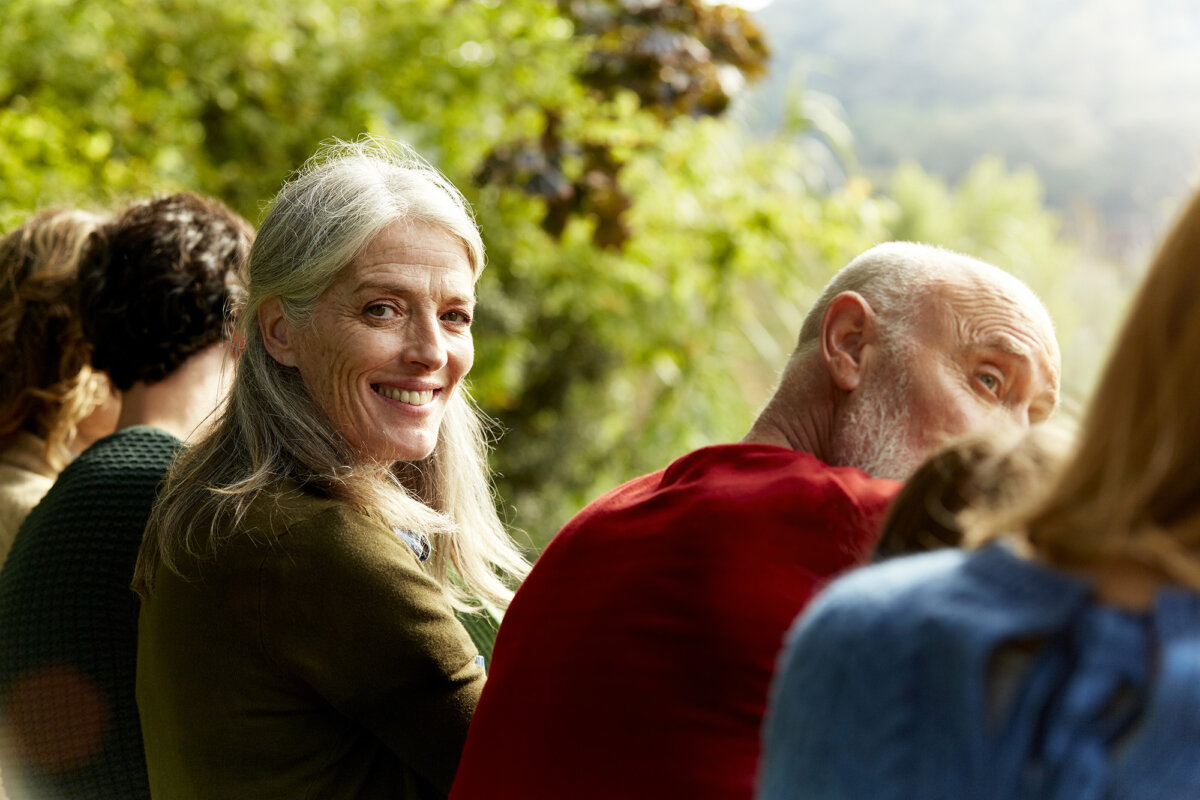
Activities with people we like boost life satisfaction, but this becomes harder to find for retirees as their social networks shrink.
Cassidy Blair, clinical psychologist and founder of Blair Wellness Group, told The Epoch Times that the “suffering of sudden social isolation after leaving the active working life leaves a vacuum that television or passive hobbies cannot fill.”
She said the loss of a daily tribe often leads to a phenomenon she called social atrophy. This can increase the risk of depression. According to the Institute for Healthcare Policy and Innovation at the University of Michigan, feeling a lack of companionship was 40 percent more common among those who reported only fair or poor mental health. Isolation has also been linked to higher rates of heart disease, stroke, and an increase in dementia.
“This is why creating a social road map is equally as important as having a financial portfolio,” Blair said. It’s important to replace professional networks with intentional community groups.
It can be tough to forge new friendships in retirement, but there are ways to stay connected. Participate in social events such as game nights or weekly outings to movies or a museum. Many senior centers offer book clubs, if you’re a reader. Use technology to stay socially connected with friends and family far away.
Structured Routines
“Structured routines will provide a psychological anchor to avoid the impression of drifting,” Blair said. She said this is especially true in the first year of retirement.
“I once worked with a CEO who struggled until we considered his volunteer work a startup venture with weekly metrics,” Blair said.
Blair said this small change lessened her client’s anxiety by 30 percent in three months.
Financial House in Order
According to 2023 statistics from the Centers for Disease Control and Prevention, men have an average life expectancy of 75.8 years, while women have an average life expectancy of 81.1 years. In other words, some people could spend 20 years or more retired.
Estimating what you’ll need for both planned and unexpected expenses is important. Many happy retirees took the time to realistically assess what they could afford to live on and adjusted their retirement date. These retirees know what they have to work with and plan accordingly.
You don’t need to have a huge nest egg, but you do need to be honest with yourself about the lifestyle you want to have in retirement.
Good Communication
If you are married, it’s important to have the same vision of retirement. This is especially true if one spouse worked and the other didn’t.
Happy retirees find ways to strike a balance between time together and time apart. They make outside friendships in addition to their time together.
It’s important to start conversations before retiring. This is the time to discuss dreams, including separate and combined bucket lists. Ensure that you’re on the same page with financial goals.
Newfound Purpose in Life
If you’ve raised a family, you’ve had structure and purpose in your life. Your profession can also provide this, along with a sense of identity. But after the kids move out and you retire, your life’s focus may change.
Happy retirees find new ways to identify themselves and shape their lives with fulfilling activities. Developing a satisfactory post-retirement lifestyle is an important part of adapting to their new life.
Staying Engaged and Adaptable
It’s hard to think about inevitable health issues. But many face them as they age, thanks to medical care and longer lifespans.
Retirees with the most fulfilling futures take their well-being seriously. They have an upbeat outlook combined with frequent exercise and activities. They keep their brains active. This helps them feel good and improves their overall health.
Know Where Home Is
Happy retirees consider how and where they want to age. For example, although it’s not easy to uproot a life, they realize that relocating to a smaller home that needs less maintenance may be the better choice for them.
Being close to family, neighbors, public transportation, and other facilities is also a factor in determining happiness.