



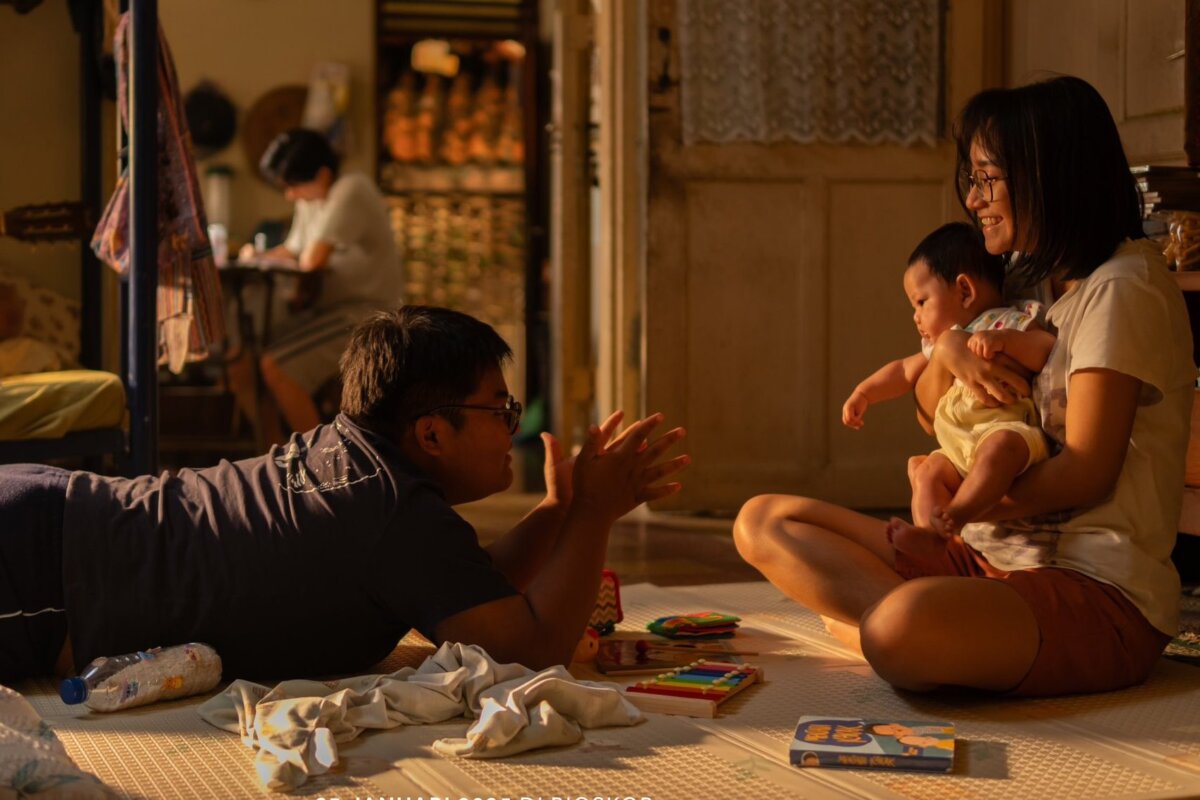
Screenwriter and director Yandy Laurens’s Indonesian melodrama “A Brother and 7 Siblings” presents the family as a test case for personhood. This 2024 film shows that wholehearted embrace of family allows those who’re merely human to do what’s considered superhuman.
A star in architectural school, gentle Moko (Chicco Kurniawan) postpones his plans for a master’s degree and a career in architecture after a tragedy. His sister Agnes dies in childbirth following the sudden death of her husband, Atmo, from heart failure.
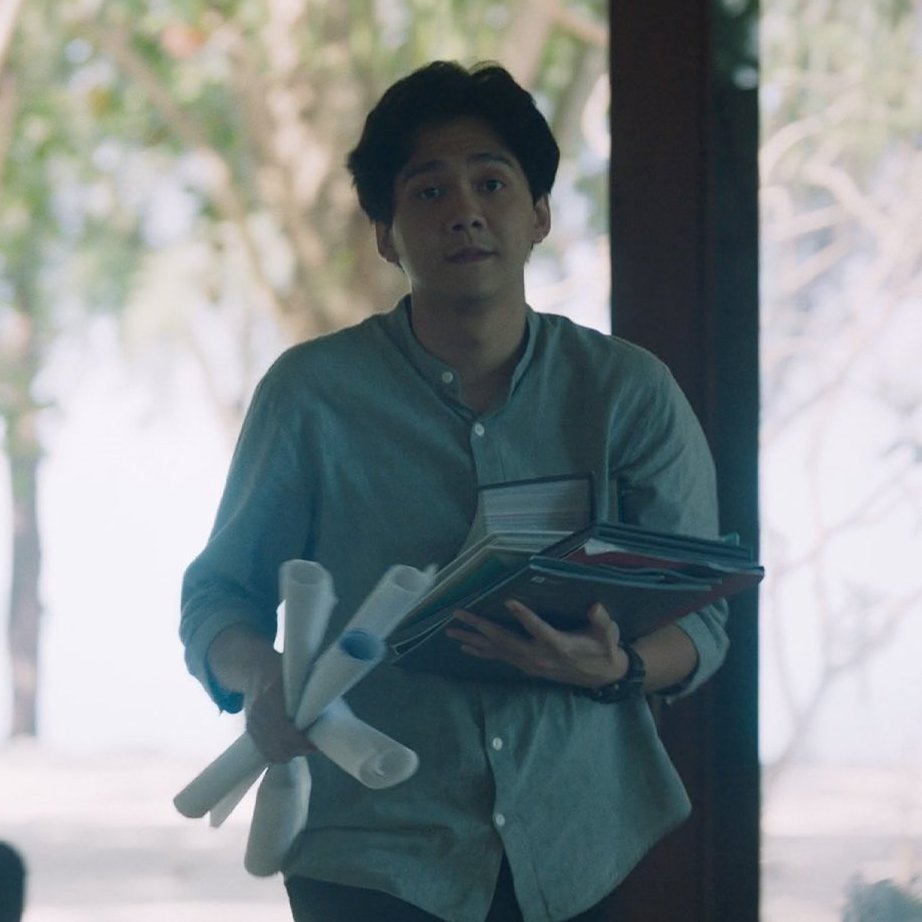
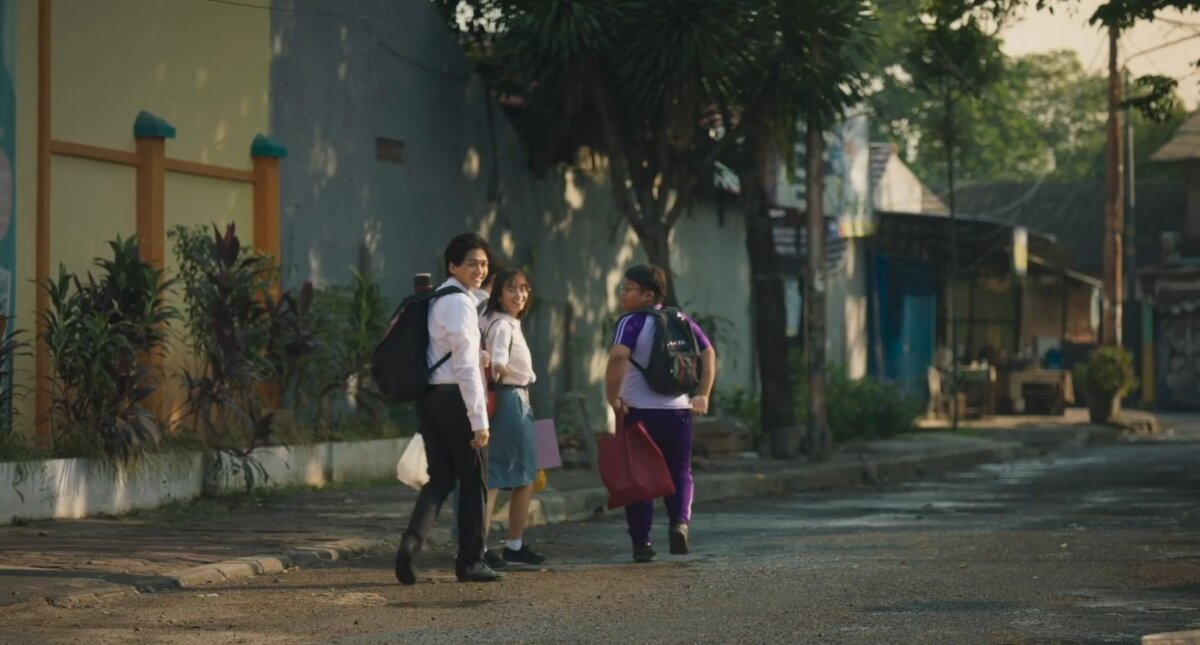
Barely an adult himself, Moko is thrust into caring for Agnes and Atmo’s orphaned children, Woko (Fatih Unru), Nina (Freya JKT48), and baby Ima, plus Atmo’s nephew, Ano (Ahmad Nadif). Soon, Moko is also sheltering his other sister, apathetic Osa (Niken Anjani), and her feckless husband, Eka (Ringgo Agus Rahman). Worse, Moko’s childhood piano teacher abandons his school-aged daughter, Ais (Kawai Labiba), to his care.

Familial duties quickly overwhelm Moko both personally and professionally. He becomes distant with his girlfriend from school, Maurin (Amanda Rawles), as she begins a career as an architect.
He’s forced into odd jobs to keep the family afloat, too preoccupied with household duties to hold a full-time architectural job. When Eka sows division at home, it’ll take all of Moko’s resilience to keep the family together.
Moko’s so young that his nephews and nieces might pass as his siblings, hence the title’s awkward reference to “7 siblings.”
‘Sandwich Generation’
Laurens’s screenplay fleetingly references “the sandwich generation,” a phrase that plays up the plight of those shouldering familial responsibilities. However, his concern isn’t the age of caregivers in this trend but the trend itself. Instead of criticizing it, he criticizes the mindset that frames familial care as a burden in the first place.
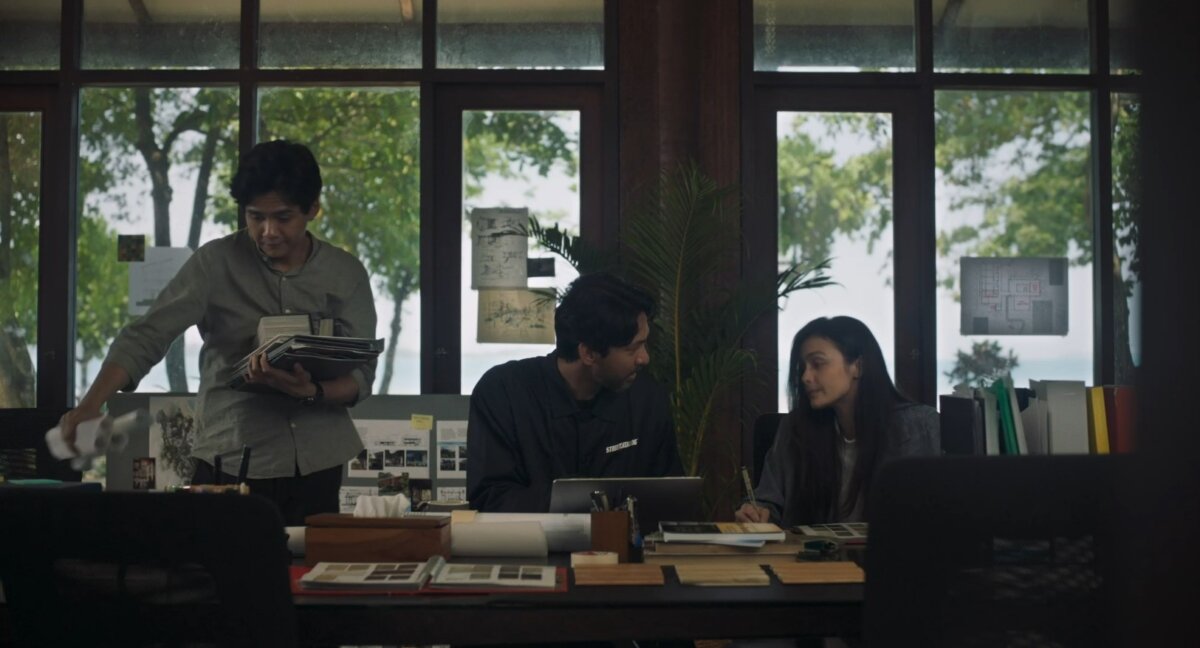
Laurens challenges the characterization of familial care as unpaid labor. In a loving environment, he proposes, no one’s a burden, even if he or she may feel like one. Moko’s at pains to convince colleagues and clients that in the architecture of the family, love is its own reward. No one should be looking for payment (or repayment).
Perhaps for melodramatic purposes, Moko’s predicament is overdone. However, by exaggerating what it takes to care for seven human beings, Laurens hopes to spotlight what it takes to care for a single human being. Through the family’s fussing over Ima, for instance, Laurens shows that a baby isn’t an “investment” but a commitment to go beyond one’s capacity.
Family Love
At its finest, a family represents the emptying of oneself for the good of the beloved other or others. In it, the idea of being a burden ought to be inconceivable. Nevertheless, many parents and children alike who have no trouble giving love seem to struggle with gracefully receiving it. Moko struggles with this, as do his nephews and nieces. Hard, emotional knocks help them cultivate that grace.
Eka’s selfish fear prevents his giving love, while Moko’s fears prevent his receiving it. Moko distances himself from Maurin because he fears his tribulations will drag her down, destroying the promising life ahead of her. Thankfully, she thoughtfully pushes back. He’s chastened when the children start distancing themselves from him because they likewise fear being a burden to him.
The manipulative Eka tries to pervert Moko’s superhuman kindness. He tries to make him feel like a self-pitying victim and the children like a burden. He wants Moko to keep score, blame someone for opportunities that pass him by, and not take ownership of choices he makes, however reluctantly.
Many like Eka, armed with cynicism, foist their transactionalism on exhausted, vulnerable caregivers. They see school runs, clean bathrooms, bedtime stories, and home-cooked meals as avoidable indignities. They believe ballooning bills or a baby’s demanding feeding, sleeping, and cleaning routines are wrongs that must be righted. Laurens seems to ask: righted by what? Neglect? Me-time?
Is Moko faultless? Not quite. Childishly submissive, he’s unable to set boundaries on his space and time. Those matter. What good will he be if his very personhood disappears, as it briefly does?
His capacity to care for others hinges on his capacity to care for himself; one needn’t always be at the expense of others. Care doesn’t have to be self-flagellation.
There’s a fine line between being a caregiver and being exploited. As Moko finds out, it’s part of growing up—to be able to walk that line without ruining relationships.
Check the Internet Movie Database website for plot summary, cast, reviews, and ratings. You can watch “A Brother and 7 Siblings” on Netflix.
These reflective articles may interest parents, caretakers, or educators of young adults, seeking great movies to watch together or recommend. They’re about films that, when viewed thoughtfully, nudge young people to be better versions of themselves.
What arts and culture topics would you like us to cover? Please email ideas or feedback to features@epochtimes.nyc
