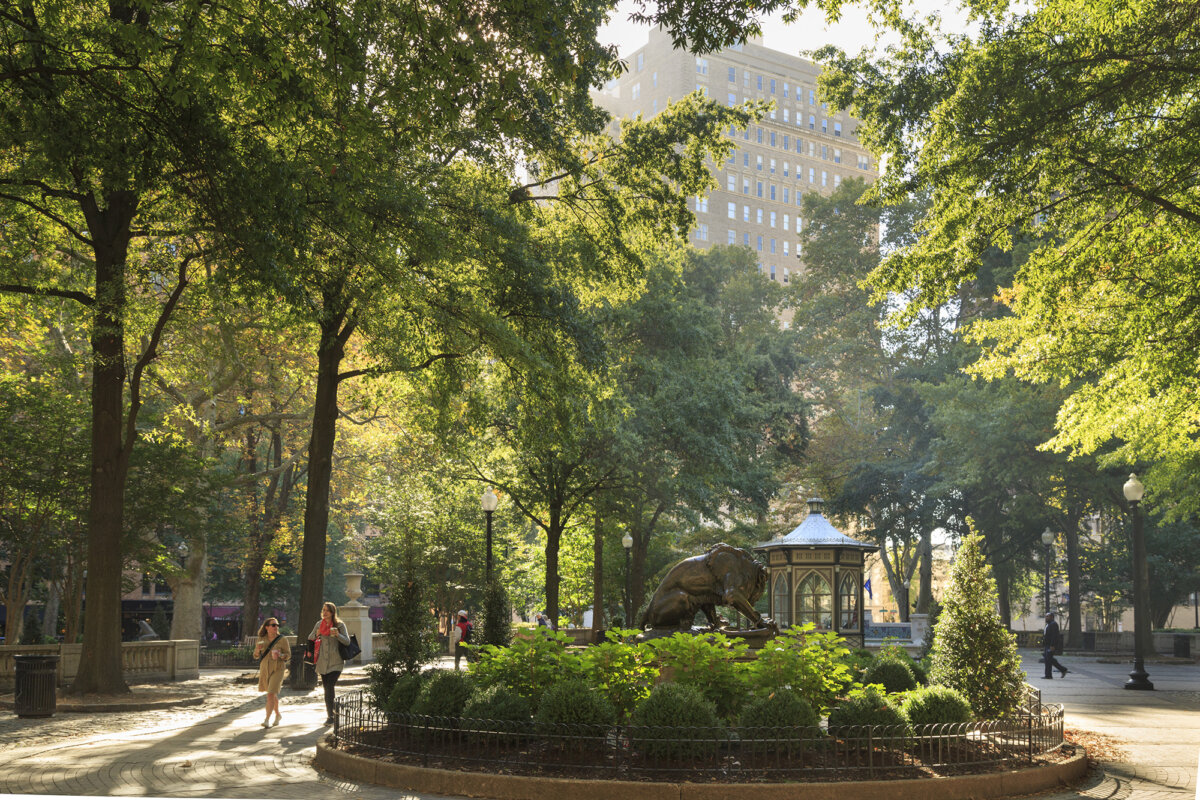
“A thing of beauty is a joy forever,” poet John Keats wrote.
The human heart naturally gravitates toward beauty, finding in it joy, rest, and inspiration. One wonders, then, why our public buildings and spaces, at least in the United States, so often lack this quality. The public infrastructure we interact with on a daily basis in the United States has not been designed, as a general rule, with an eye toward beauty. Modern architecture and city planning have veered away from the aesthetic principles that underpinned the design of buildings and cities from ancient Rome all the way through the early 20th century.
In the 1920s and ’30s, the German Bauhaus art and architecture movement emphasized function and affordability instead of beauty, designing and constructing buildings that contrasted starkly with the classical architecture it sought to replace. The movement was influenced by Marxism, with many members being communists. It essentially made a direct assault on the traditional “bourgeois” notions of beauty and design behind the world’s buildings and cities in favor of a more “egalitarian” form of architecture and furniture for the working class that could be industrially produced using scarce resources. When the Bauhaus movement was stifled by the Nazis, many of its figures fled to other countries, spreading their ideas about art and architecture internationally.
The Brutalist architectural school of the 1950s pushed the Bauhaus utilitarian mindset even further, arguably. Exposed concrete, steel beams, pipes, abstract geometrical shapes, and the systematic rejection of any aesthetic considerations seem to define this type of architecture. In a word, these buildings were (and are) ugly.
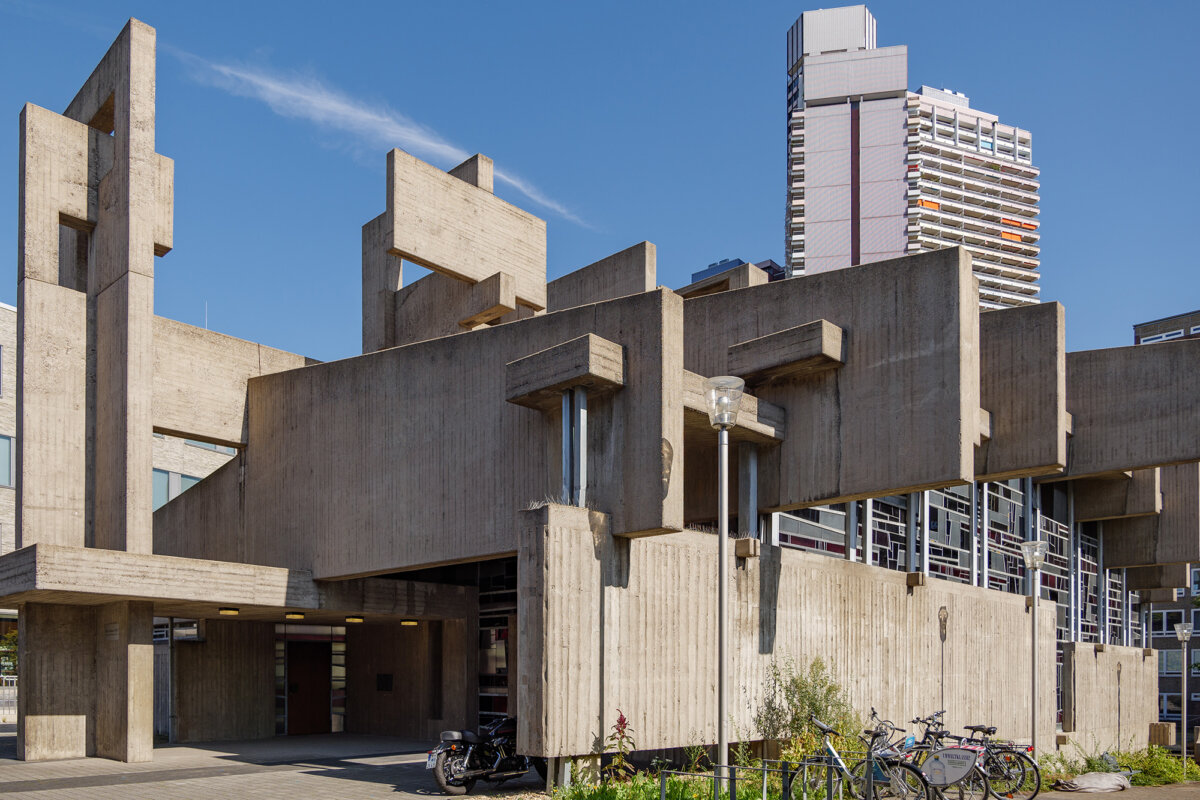
Building Without Beauty
The Marxist influence behind Bauhaus architecture helps to explain its ugly, utilitarian quality. A materialist philosophy obsessed with machinery and systems for managing society will tend to deny the spiritual and artistic side of humanity and focus instead on our economic nature and the usefulness of the individual to the larger community. Where, in the past, buildings, furniture, tools, and public spaces were made to be both practical and beautiful, their modern counterparts focus almost solely on functionality. Philosophies and economic systems focused on productivity, efficiency, and profit have little patience for the traditional notions of symmetry, balance, harmony, and visual appeal tied to the concept of beauty because these are, allegedly, “useless” qualities.
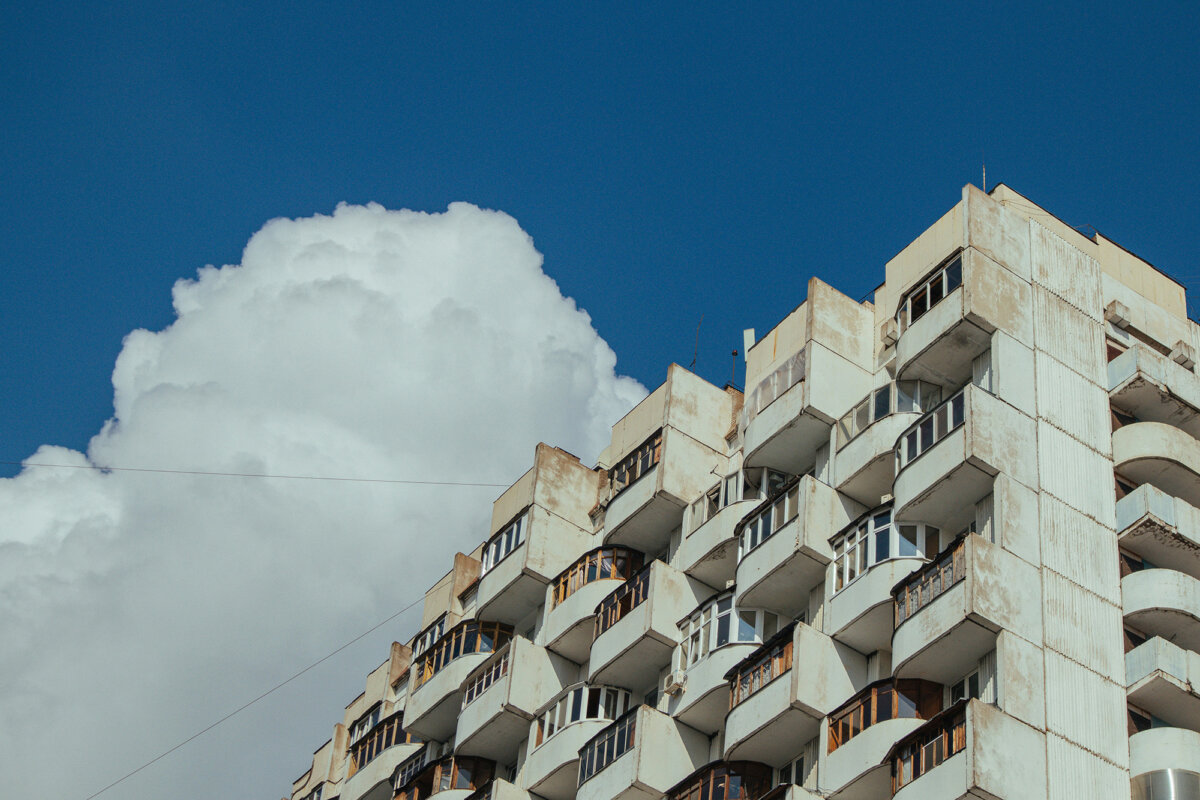
Of course, they are only useless if one does not recognize the human soul’s need for beauty. Modern architecture often feels soulless because the philosophy behind it denies the human soul.
Add to this the industrial and technological revolutions and the transition away from an agricultural economy, and it’s easy to see why we’ve drifted away from natural forms in our cities and toward the mechanical, the mathematical, and the robotic. Most of the buildings we find in a modern city—the glass or concrete boxes of various sizes and shapes—do not reflect any form found in nature. You cannot find perfect, shiny boxes in nature. On the other hand, many features of classical architecture are tied to nature: The Greek or Roman column reminds us of a tree; an archway resembles curving branches or the mouth of a cave; and the materials of traditional architecture—stone, marble, or wood—are found everywhere in the natural world, in contrast to the glass and steel that predominate in modern buildings.
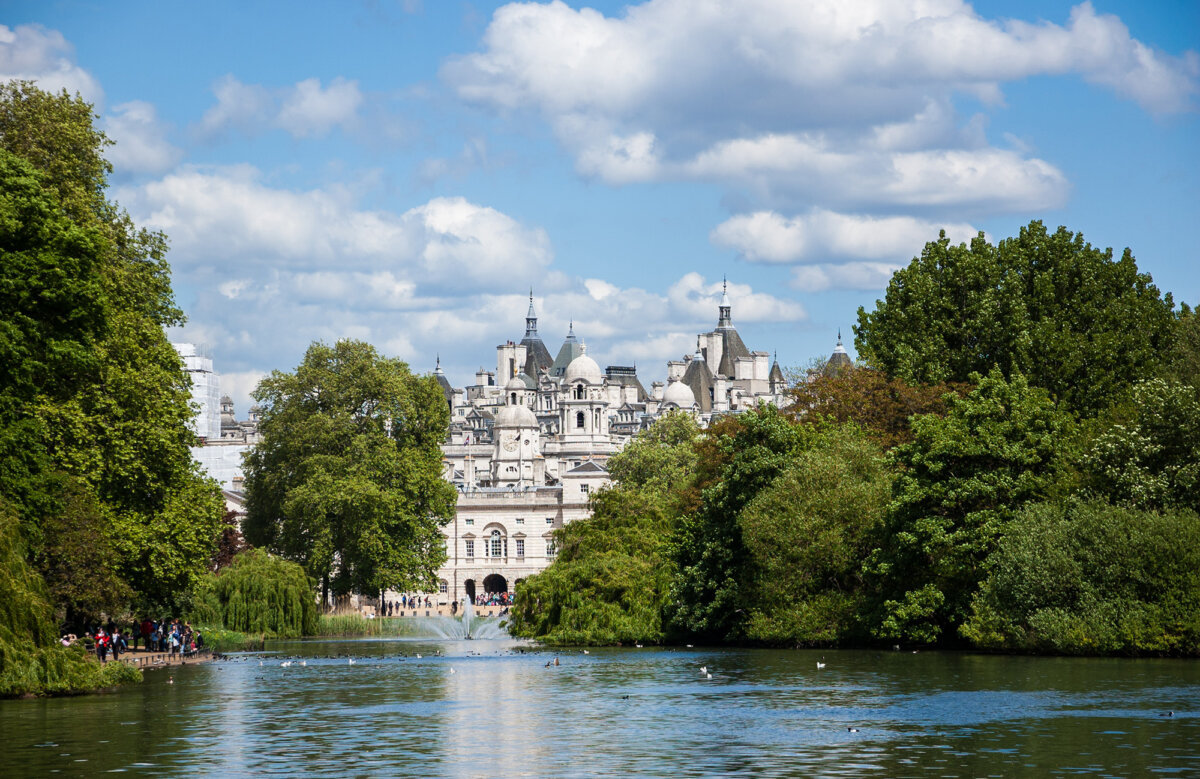
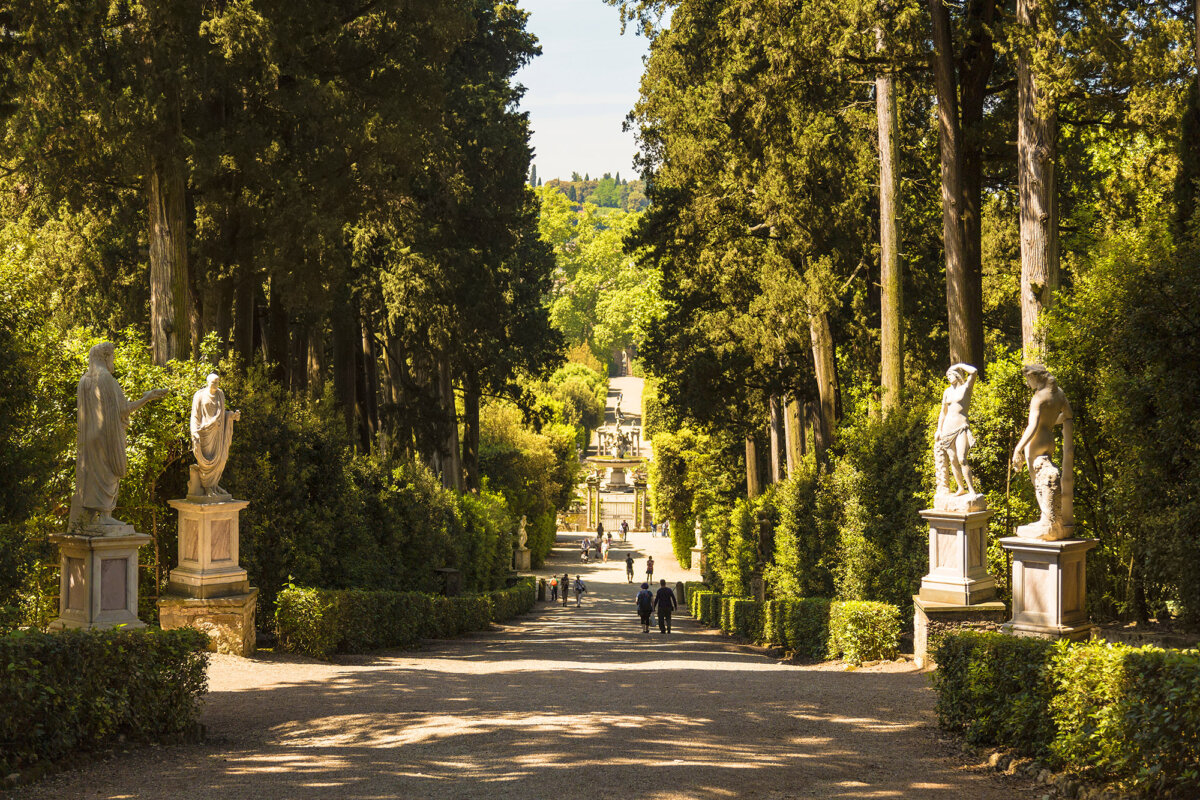
Further, the old cities of Europe frequently incorporated the natural world through groves of trees, gardens, parks, terraces, and streams—whereas the typical modern inner city lacks these features. Greenery is hard to come by. The cityscape stretches out as far as the eye can see, a jumble of grays and silvers, a concrete, monochrome monolith, illuminated here and there by giant, flashing advertisements. It is a wholly artificial environment. It is wholly manmade.
The Heart Deprived
Yet as more and more research indicates, human beings yearn for the greenery of nature. Even our physical health begins to suffer when we’re deprived of it, to say nothing of mental health. Because we’re more than economic units, because we’re more than biological machines, it’s impossible to deprive humanity of beauty—whether natural or manmade—without serious psychological and moral effects. We’re formed and shaped by our environment more than we realize, and a visually sterile environment sterilizes the heart.
When human beings live inside artificial environments devoid of beauty, streamlined for efficiency and utilitarian purposes, they absorb an unspoken message: Your value is utilitarian, your purpose is to be economically productive, and you’re a cog in a machine—a circuit in a computer chip.
But that subliminal messaging is not only a lie, but a demoralizing, discouraging lie. Every human being knows on some level that they exist for more than utilitarian purposes and that their horizons cannot be so narrowed.
One of the strongest arguments for beauty in public spaces, then, is precisely that it serves no purpose. It is “useless,” in the sense that it exists for its own sake and has value for its own sake, not for the sake of what it accomplishes or produces. And when human beings are surrounded by beauty, by something that has inherent value and no utilitarian function, they’re reminded that the same is true of themselves: A human being is also beautiful and valuable for his or her own sake, not for the pragmatic “function” he or she fulfills.
A human being is not a machine. The very fact that we can appreciate trees and gardens and galleries—which have no attraction for a machine—proves the fact.
Turning the Architectural Page
Fortunately, some architects and designers are pushing against the dominant, utilitarian mindset in architecture and city planning. New Urbanism is a movement of architects and designers who seek to restore some of the traditional principles of cities that we’ve lost sight of, principles such as beauty, order, and a human scale.
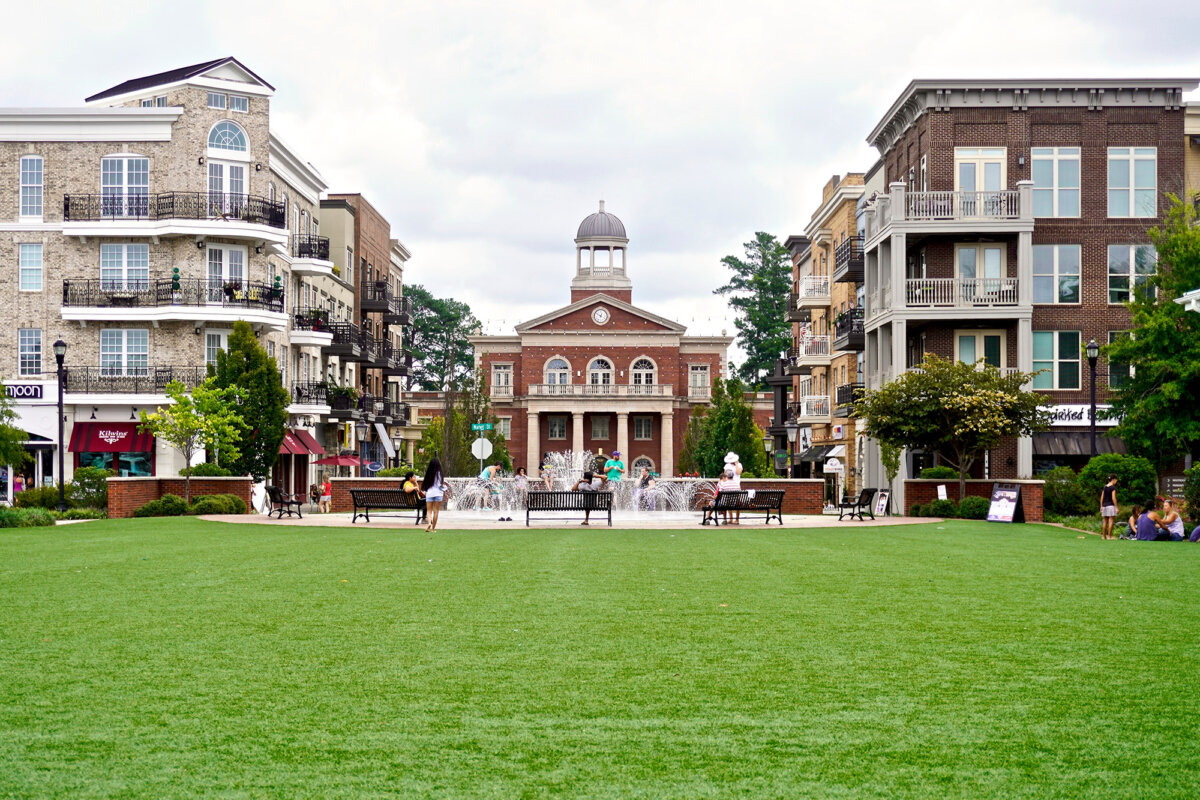
When it comes to scale, modern cities are built at the scale of the machine—usually the car—not the scale of the human being. They’re not walkable in the way that old cities were walkable. New Urbanism advocates smaller, human-scale neighborhoods, towns, and cities that encourage walking and community interaction. Inviting public spaces—beauty—help encourage inhabitants to come together, talk, and interact. A tree-lined and sculpture-adorned plaza surrounded by two- or three-story buildings of a classical design encourages this kind of community far more than a sidewalk lined with skyscrapers.
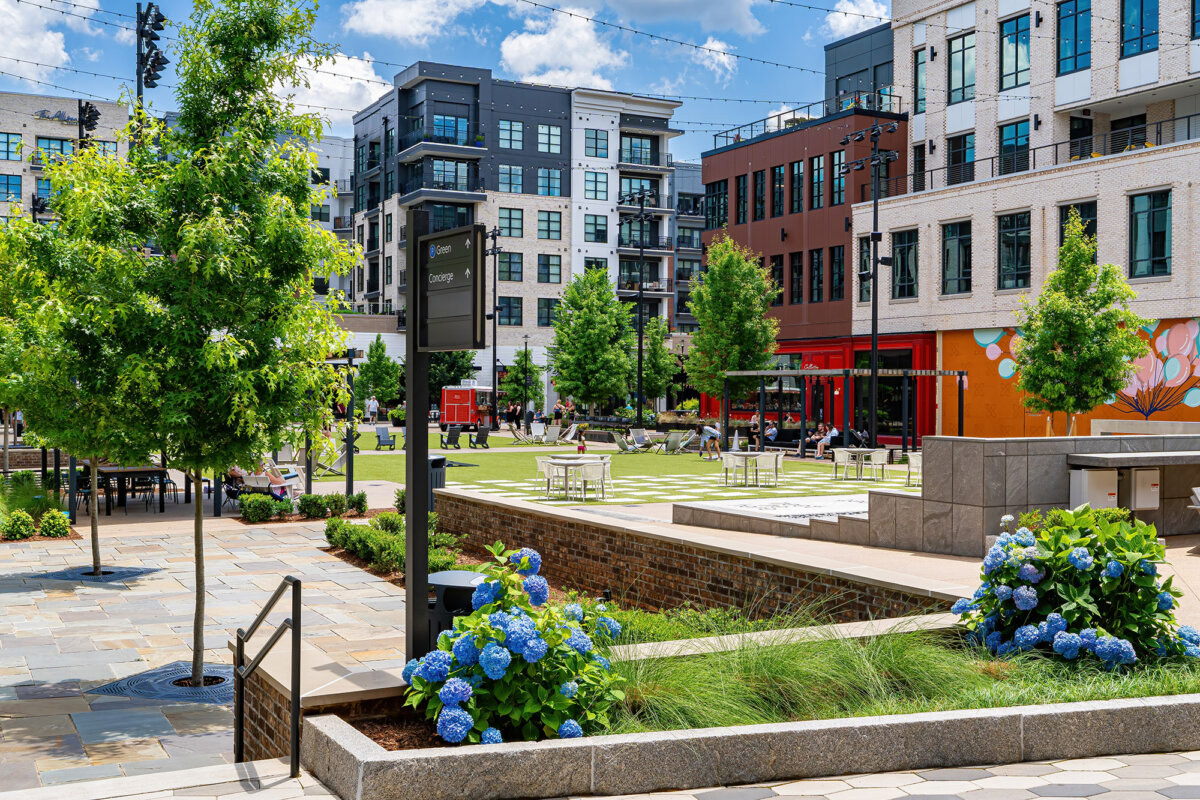
New Urbanism also encourages “mixed-use” spaces, more akin to the older cities of Europe, where the citizens can engage in eating, shopping, working, recreating, and simply living all within the same general area. This integrates the aspects of human life into a cohesive whole rather than arbitrarily separating out living, shopping, working, and educating spaces across distances that are traversable only by car or train.
As the Congress for the New Urbanism put it, “The principles, articulated in the Charter of the New Urbanism, were developed to offer alternatives to the sprawling, single-use, low-density patterns typical of post-[World War] II development, which have been shown to inflict negative economic, health, and environmental impacts on communities.”
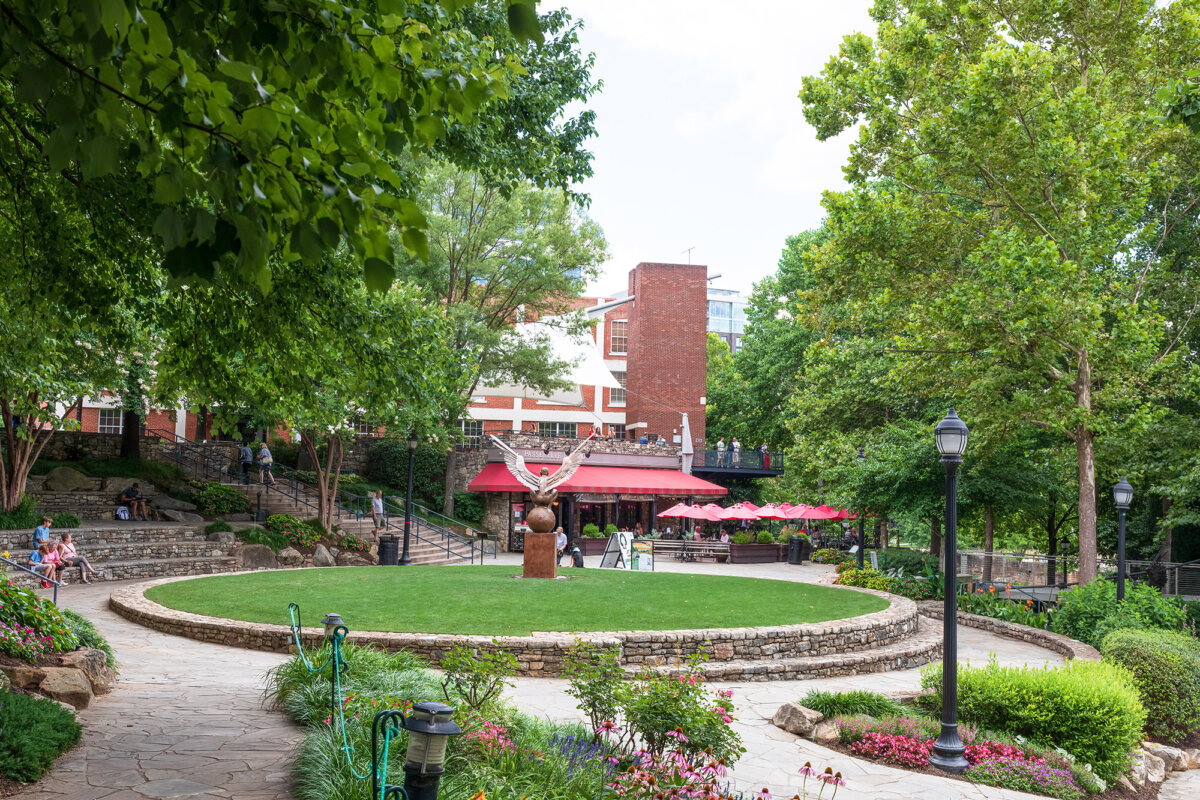
New Urbanism offers hope for a future in which cities become more humane—designed to support and enhance our human nature and the flourishing of human community. And part of that human flourishing includes a respect for the beauty sensitivity inherent in us as rational beings.
The point isn’t to turn back the clock, of course, although important lessons can be plucked from the past. Plenty of modern advancements in technology and construction should be taken advantage of. But New Urbanism points out that modern buildings and cities—constructed with all the latest technological benefits and amenities—don’t have to be ugly. That shouldn’t be a controversial claim. It’s just common sense. We need to bring back beauty.