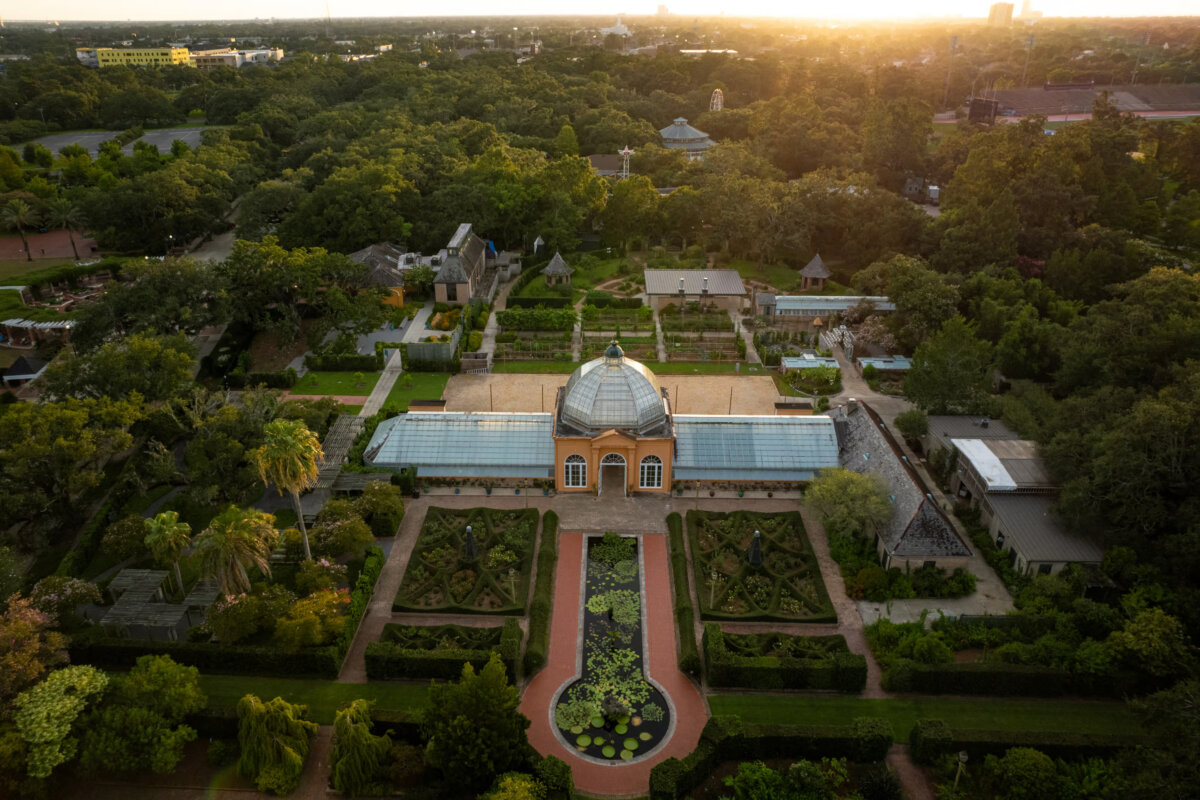
The Botanical Garden is located within New Orleans City Park, a 1,300-acre landscape that includes the world’s largest grove of mature live oaks, with some trees estimated at 600 to 800 years old. The garden sits beneath this historic canopy, where winding pathways, reflecting pools, manicured beds, and sculpted hedges weave through themed plant collections. (City Park Conservancy)
Nearly a century after its first roses bloomed, the New Orleans Botanical Garden continues to thrive, offering an immersive horticultural experience for every visitor. Built during the Great Depression, the New Orleans Botanical Garden was the city’s first classical public garden. Framed by centuries-old live oaks and the park’s lagoon, it blends natural beauty with historical architecture and landscaping. Spanning around 12 acres, this urban oasis features winding trails through themed landscapes, including a rose garden, Japanese garden, butterfly garden, and a Historic New Orleans Train Garden.
Tragically, much of the botanical garden was severely damaged when Hurricane Katrina struck in 2005. Submerged under three feet of water for over a week, the garden lost most of its extensive plant collection. The rose garden was devastated, palms were stripped, historic buildings sustained damage, and several sculptures were lost. With strong support from the New Orleans community, the garden reopened just six months later, while still undergoing restoration.
In the years that followed, ongoing recovery efforts helped restore its landscapes and historic structures, reinforcing its role as a resilient cultural and horticultural landmark.
The garden is part of City Park, which has offered access to natural and cultural amenities for more than 170 years. It is one of the largest urban parks in the United States and draws visitors from around the world. Amenities include an amusement park, equestrian farm, two football stadiums, two museums, two golf courses, multiple wedding venues, 26 tennis courts, and a broad range of additional recreational spaces. The New Orleans Botanical Garden is a special part of City Park, where the city’s cultural heritage and living plant collections grow side by side, welcoming all.
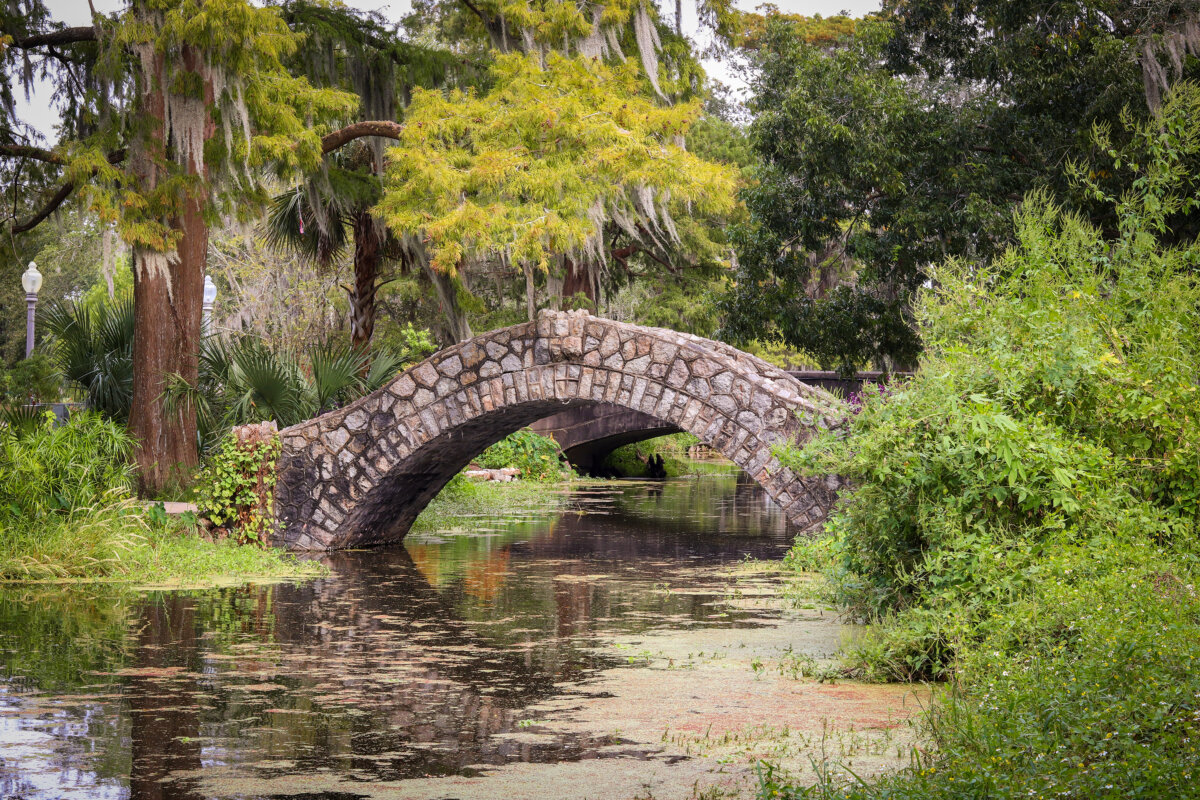
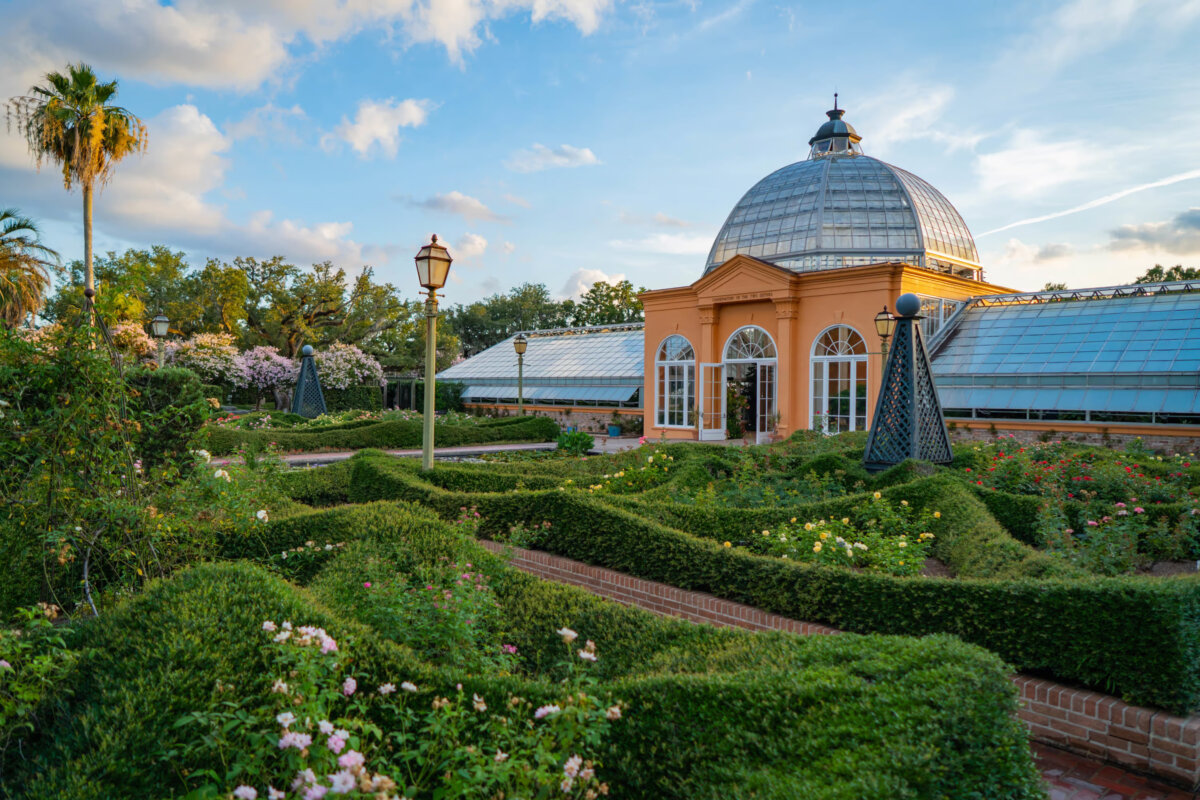
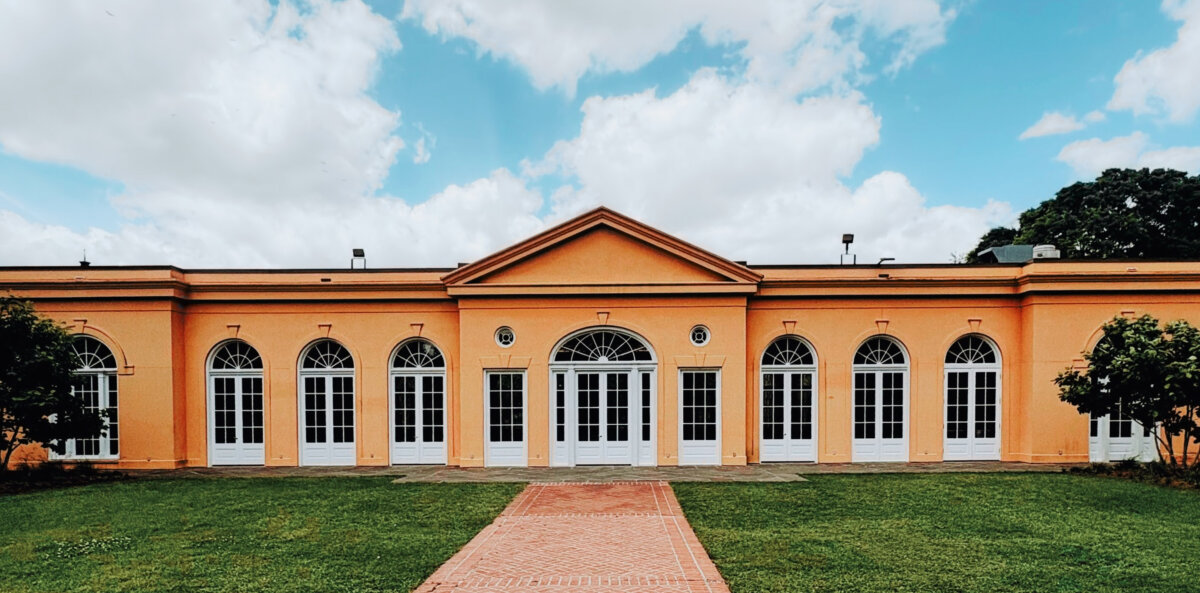
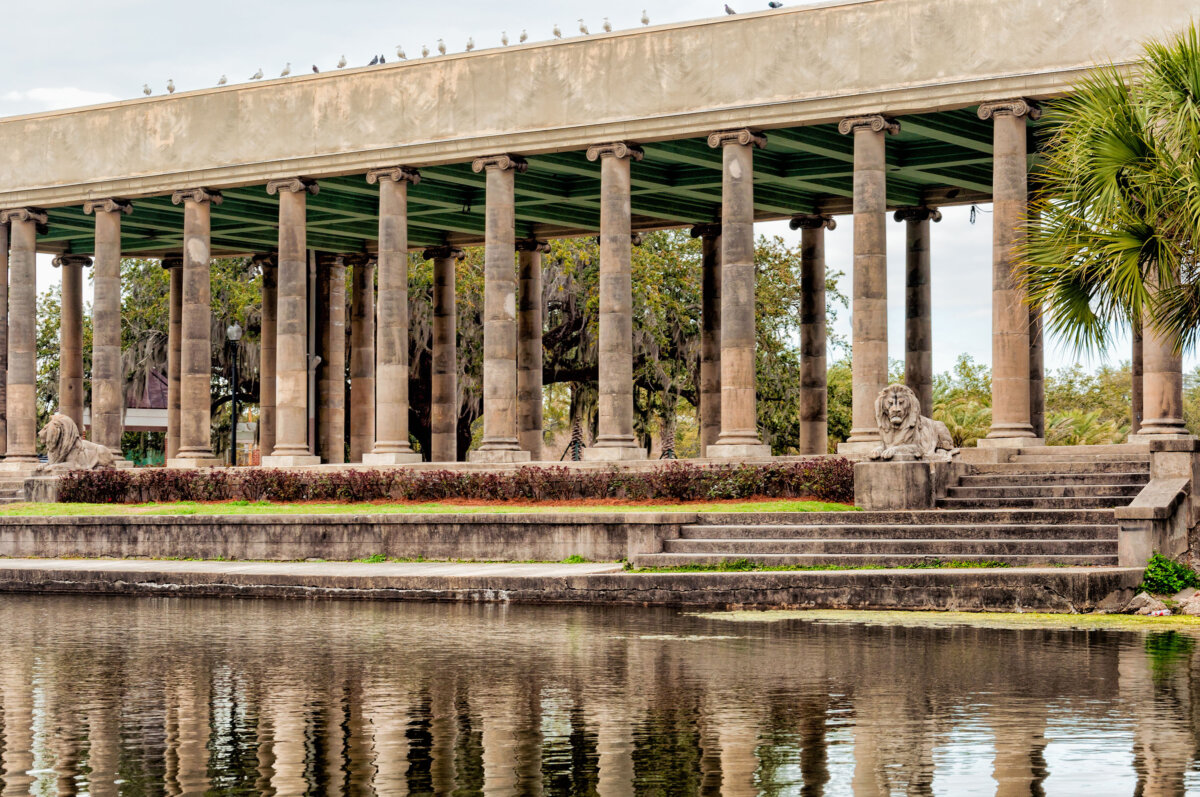
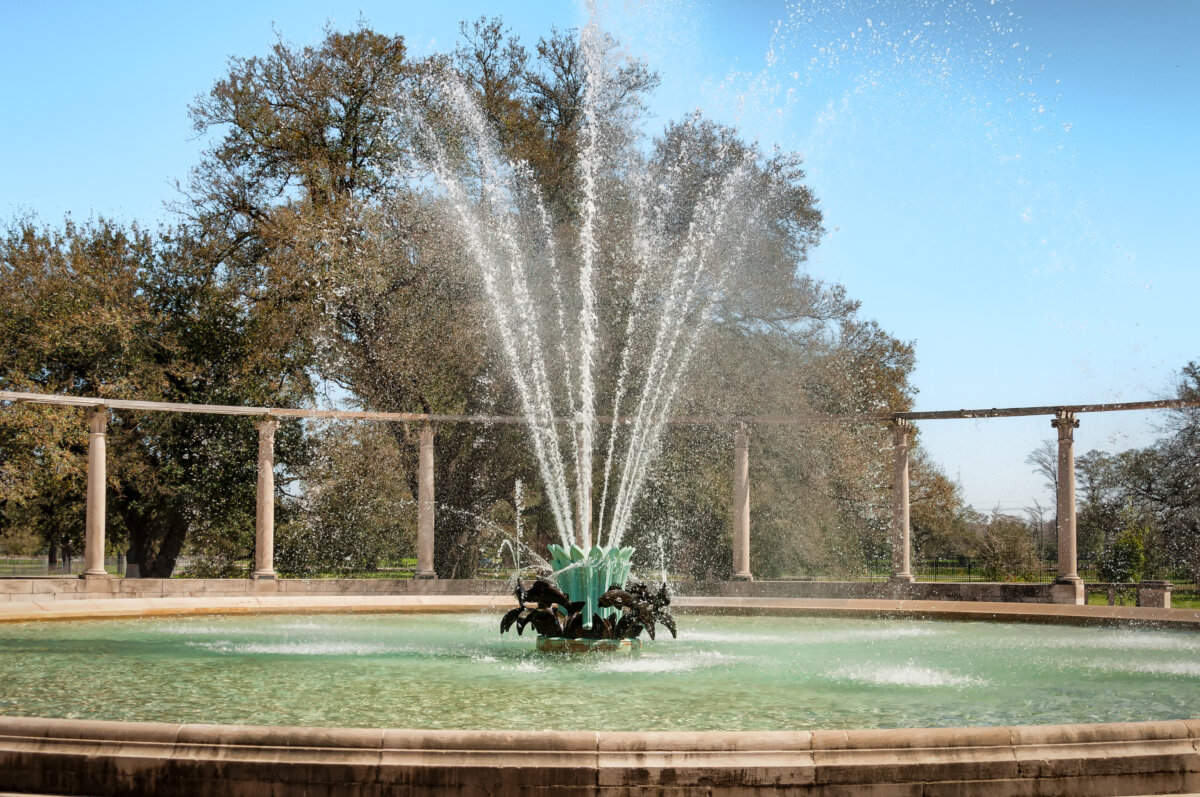
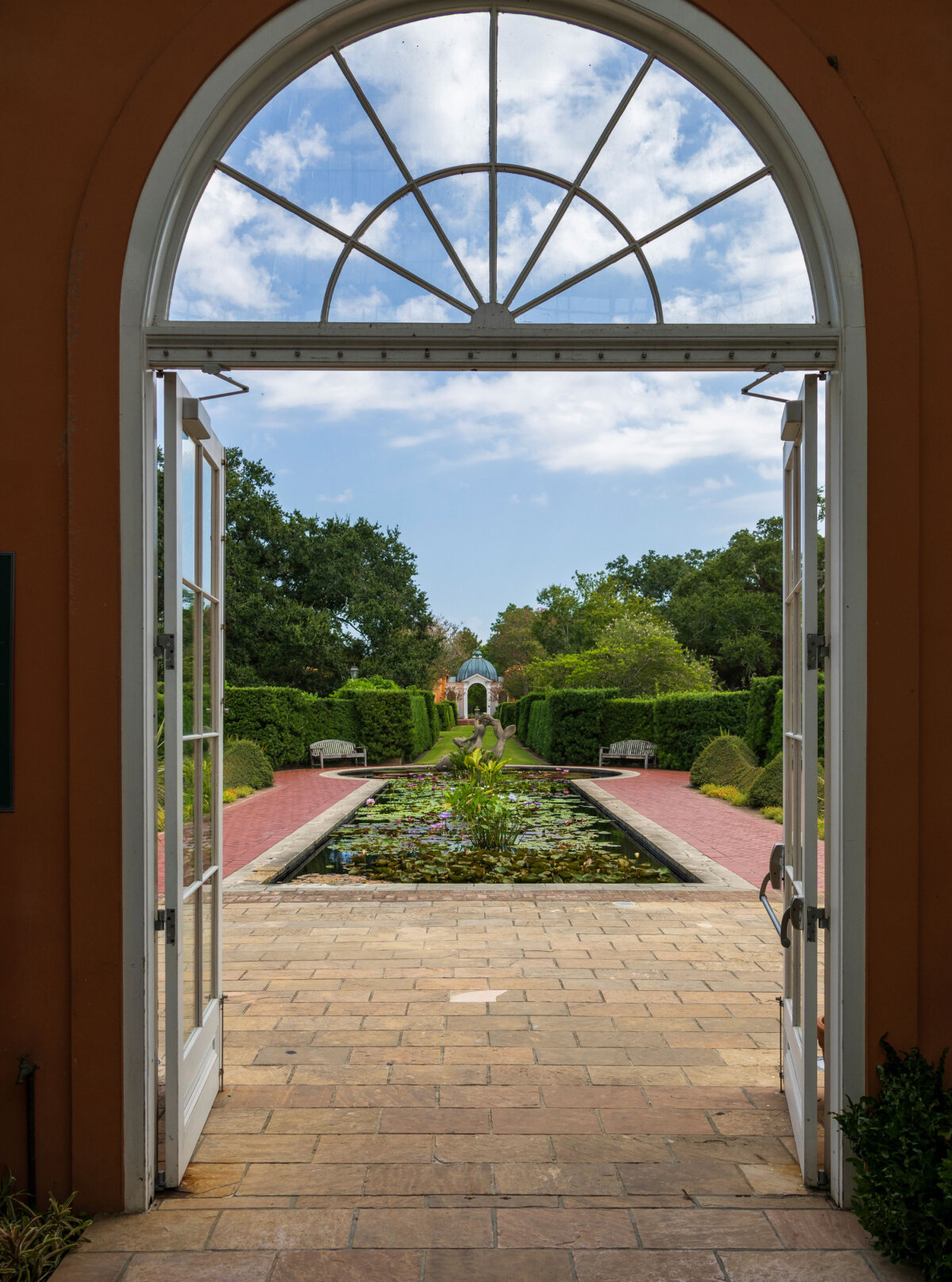
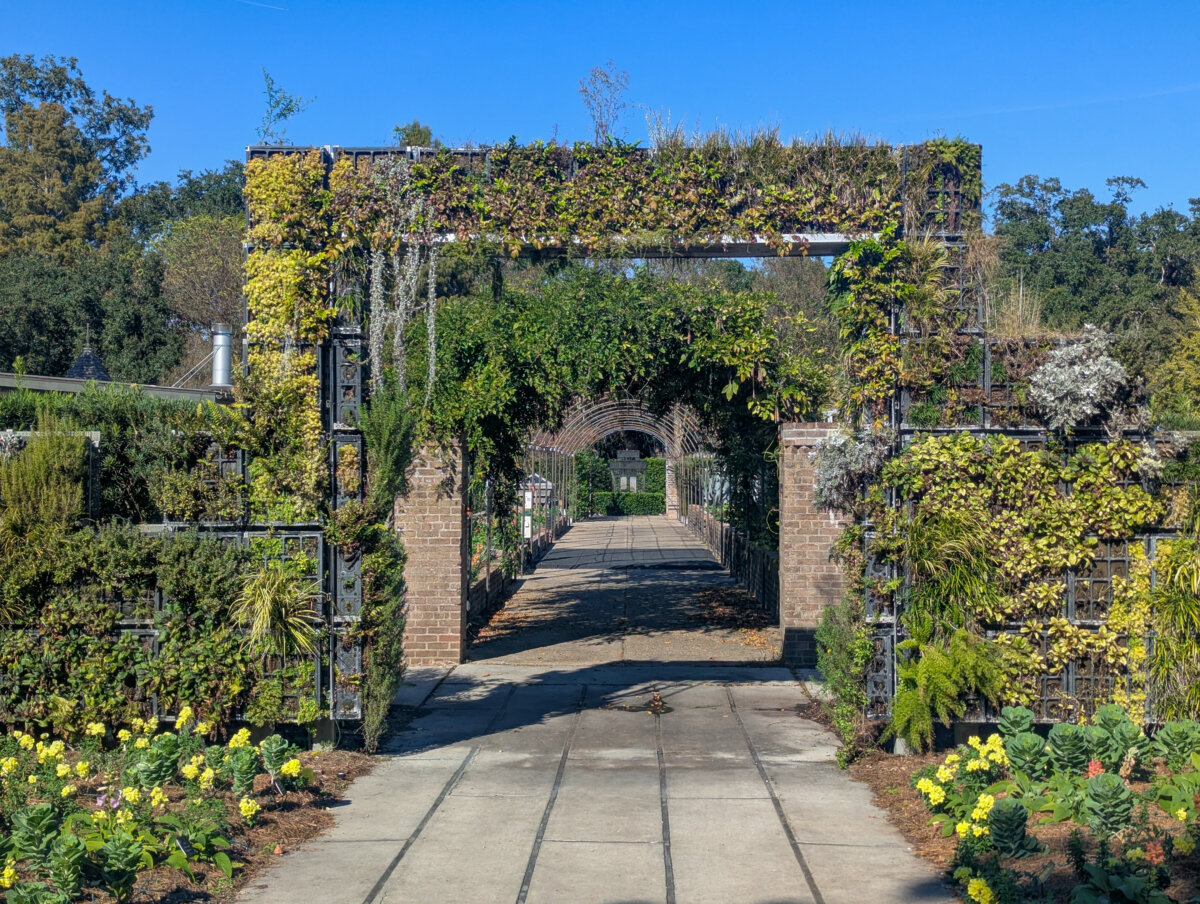
The Langles Bridge is a picturesque landmark near the entrance to City Park and one of its most photographed features. Spanning a tree-lined section of Bayou Metairie, it is one of three historic stone bridges in the park, constructed around 1902. (Felder Casanova/Shutterstock) Originally built in the 1930s, the conservatory is defined by its dramatic 40-foot glass dome, which floods the atrium below with natural light. Severely damaged by Hurricane Katrina, it was carefully renovated to showcase plant collections in each wing. Current exhibitions include Living Fossils and the Tropical Rainforest. (City Park Conservancy) The Pavilion of the Two Sisters was built to reflect a European greenhouse style. Tall arched doors and windows frame sweeping views of the botanical garden. Inside, flagstone floors and high ceilings add natural elegance, while two outdoor terraces extend into the gardens. Its design complements the Conservatory, creating a cohesive architectural dialogue across the landscape. (Courtesy of Sarah Isak-Goode) This elegant open-air pavilion was originally designed for dancing and social gatherings and remains one of the park’s most sought-after locations for wedding ceremonies and photography. It features a striking neoclassical colonnade and overlooks the scenic Bayou Metairie. The Peristyle was built in 1907 by architect Paul Andry and has been carefully renovated throughout the years. (Kathleen K. Parker/Shutterstock) The stunning Popp Fountain, built in 1937, sits within 12 acres of beautifully landscaped grounds in City Park. The 60-foot-wide fountain showcases a dramatic 30-foot water display rising from a cast bronze sculpture of leaping dolphins by artist Enrique Alferez. Expansive walkways and a striking colonnade of 26 Corinthian columns gracefully surround the fountain. (Kathleen K. Parker/Shutterstock) Fanlight windows and French doors open from the conservatory’s domed entrance onto the Lily Pond, a quintessential French garden focal point. Its long rectangular water feature, anchored by a classical Undine sculpture, emphasizes elegance and symmetry. Four formal rose beds frame the pond, while vibrant seasonal water lilies enhance its refined beauty. (Marcus E Jones/Shutterstock) The Botanical Garden features 2,000 different plants, including fragrant gardenias, stately palms, delicate orchids, and hardy ferns. These collections are arranged throughout themed spaces, where color, texture, and seasonal bloom cycles continuously change the garden experience. (Jeremy Thompson/CC-BY-4.0)
What arts and culture topics would you like us to cover? Please email ideas or feedback to features@epochtimes.nyc
Sarah Isak-Goode is a writer and art historian rooted in the Pacific Northwest. Her name—pronounced EYE-zik-good and meaning "good laugh"—hints at the warmth she brings to everything she does. Equal parts scholar and storyteller, Sarah brings the past to life through a distinctly human lens, exploring what connects us across the centuries. Away from her desk, she feeds her curiosity through traveling, painting, reading, and hiking with her dog, Thor.