




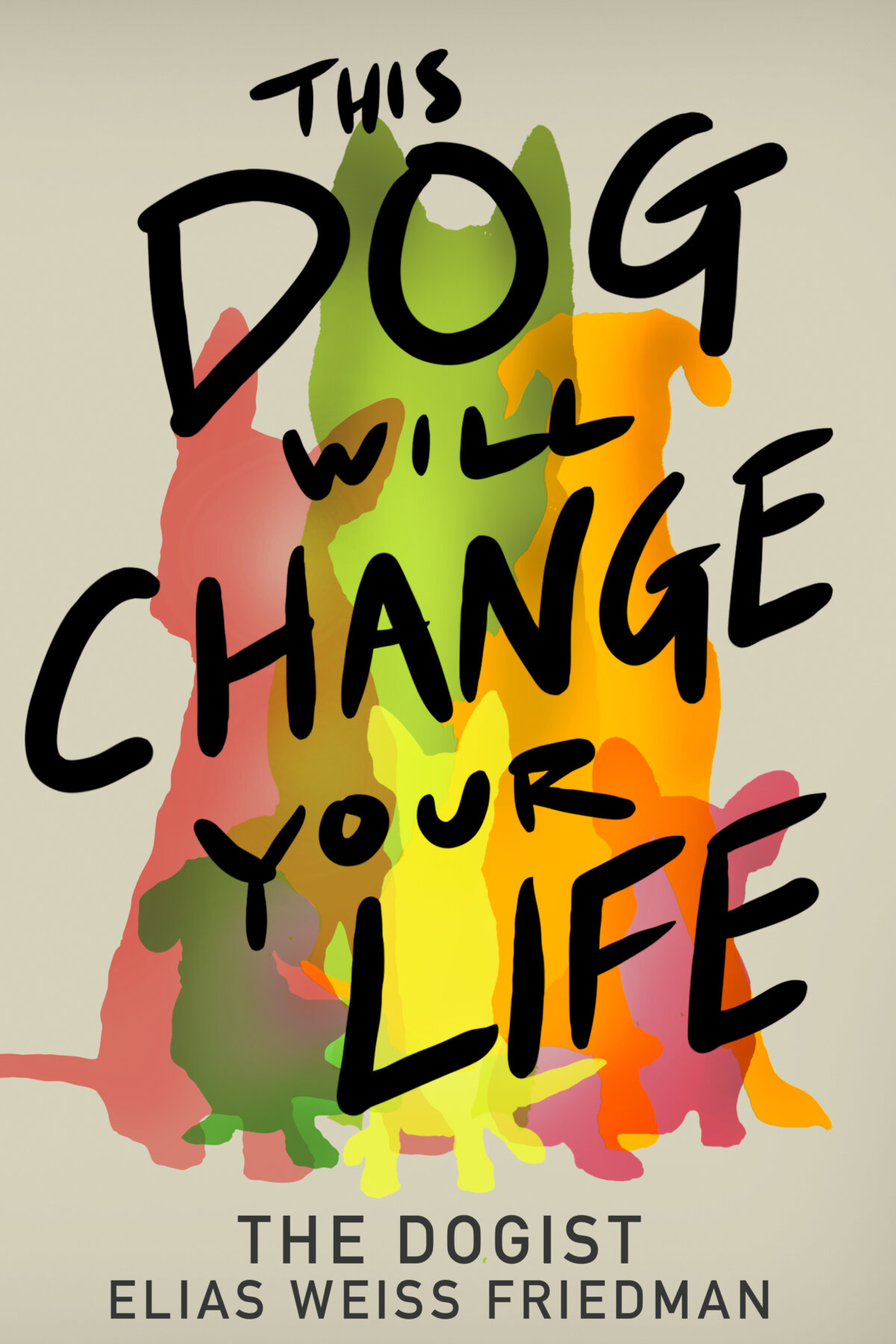
You’d think a book called “This Dog Will Change Your Life” would be solely about dogs. Not this one, really. Author Elias Weiss Friedman does a good job discussing the canine family, their quirky traits, and the people who love them. However, his book is also about how a life can be transformed by caring for something outside oneself and how a furry friend can restore balance to one’s life.
Dogs as Helpmates
It’s also about people who are fearful of dogs. For years after a severe bite, Adam suffered from cynophobia, the term for fear of dogs. Yet Adam joined Friedman and his rescue dog, Elsa, on Cape Cod to get over a broken relationship. A gentle connection between Adam and Elsa slowly formed and developed into a full-blown love affair.
The author has compassionate writing style and shows his keen eye for observation by recounting the step-by-step process. It’s a touching story, one sure to create misty eyes, whether the reader is a dog fan or not. It also may provide inspiration for those in a similar situation who would like to learn to trust again.
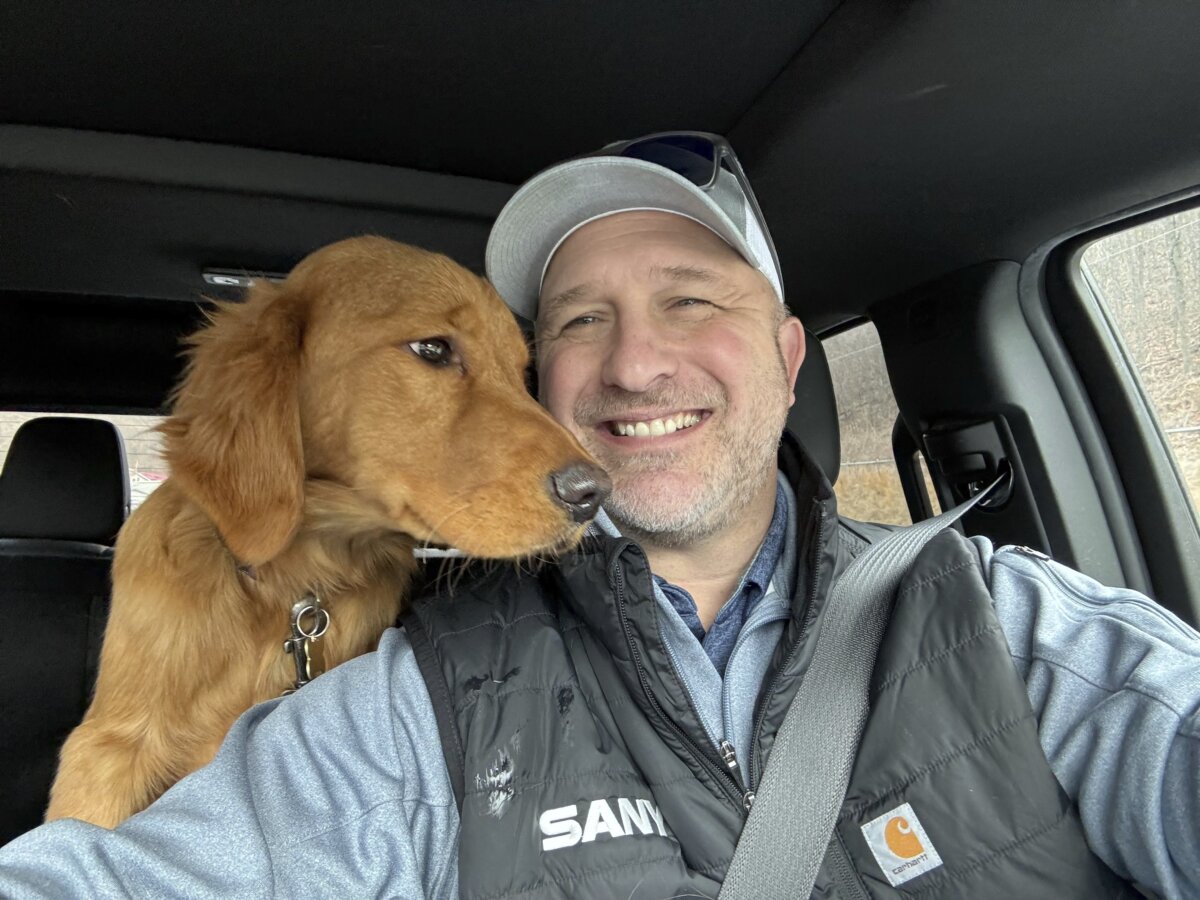
Angus, suffering from anxiety and depression, reached out to the author for an impromptu get-together. As the two caught up, with Elsa in tow, Friedman noticed the change in Angus with Elsa around, and suggested his friend get a dog. Then, the hunt began for a service dog, one from a reputable breeder. An Iowa breeder was chosen, as was the perfect dog; pleased with the pairing, the author said, “This dog will change your life.” From this profound statement, the book’s title was born.
How did this four-legged addition change Angus’s life? It got him out for walks, provided a social bridge for connecting to new people, kept him away from a cell phone addiction, built structure around mealtimes and walks, and maybe most importantly, it helped “him out of his own head.” While many of us understand that a dog needs a routine, Friedman is saying that people do, too.
Rescuing Dogs
In 2013, Friedman took his love of both photography and dogs to create an Instagram sensation called “The Dogist,” which now enjoys over 10 million followers. He’s reported to have photographed over 50,000 dogs with his “dog portraits.” He now advocates not only for organizations that support dogs but also for those who rescue them.
One of his chapters discusses the author’s experience shadowing one rescuer: a volunteer with a “transport-based rescue” group in Texas. The group sends dogs to their new life via volunteer drivers.
On another ride-along in Puerto Rico, Friedman witnessed how the strays with the best chance of being adopted are often rescued from life on the streets. Friedman wondered why a driver didn’t enter a building to pluck up a scared pup. The driver said, “the building could collapse at any second.” Friedman included this story to bring attention to the kinds of lives these rescued dogs have led before finding their “furever” home.
Dogs From Every Angle
The author writes with warmth and affection, making puns when he can. He shares the comical quotes by pet owners on his walks around New York City in search of dogs to photograph. He’ll get down on all fours himself to catch a dog’s posture and facial expressions from all angles. Reading this book is a lot like that—viewing dogs from all sides, from their beginnings (as descendants from the gray wolf), to how they were bred for specific purposes, to their personality traits that altered over the centuries.
There isn’t much Friedman leaves out. He covers a New York prison with a program that uses inmates to raise and train dogs to be service dogs for police officers and soldiers scarred from duty. It’s interesting to note the debate created. Some believe that inmates shouldn’t have the pleasure of playing with dogs; yet others say working with a dog can restore an inmate’s humanity. There’s also a mention of how dogs were used for political purposes from as far back as Thomas Jefferson’s day; FDR’s “Fala” and Nixon’s “Checkers” are examples of how they were nearly as newsworthy as their owners.
Though dogs are the central characters of the book, the chapters never grow repetitive. The history of the dog is featured in the early chapters. This a fascinating timeline staring with their appearance in the world: first as a wolf, and then as their interactions with humans increased, as protectors for humans, who acted as food providers for dogs. Each chapter presents a different facet of the dog’s world and how the human world interacts with it.
As with any book about animals we love, some stories raise our spirits and some leave us mourning. In the chapter called “The Magic of Dogs,” in loving terms Friedman expresses that the life of a pet always feels too short. But he puts it into perspective when he writes, “A dog’s passage is sad, yes. It is also part of the magic of dogs. They give us access to time-lapse wisdom.” There’s a dog from our youth, a dog when we were single, and another dog for when the kids come. For those watching their pet’s health decline, he recommends bringing in another to lessen the heartache and allow the new family member to carry a part of the soul of the departed.
Friedman sheds light on those who meet dogs in their line of work: the postal workers who learn safety measures to deal with aggressive guard dogs on their route, and the veterinarians who endure the emotional toll of treating the mistreated and those beyond saving.
No book about dogs would be complete without a chapter on those trained to work with the blind. Just as he did in Puerto Rico and Texas, Friedman visited a seeing eye school in New Jersey and wore a blindfold to walk with a Black Labrador named Arby. Together they found the companionship that can arise between dogs and their blind owner. After the command, “Forward,” Arby led Friedman along a “full walking pace” until a dead stop. Was it a crosswalk? He didn’t know, but after a few seconds, the dog took the lead again.
From this experience, the author saw the power of a dog to “restore confidence and independence” in someone’s life. “This Dog Will Change Your Life” will not provide training tips or medical advice, but it will explain and explore the dog’s therapeutic powers.
‘This Dog Will Change Your Life’
By The Dogist: Elias Weiss Friedman
Ballantine Books: June 3, 2025
Hardcover, 304 Pages
What arts and culture topics would you like us to cover? Please email ideas or feedback to features@epochtimes.nyc
