



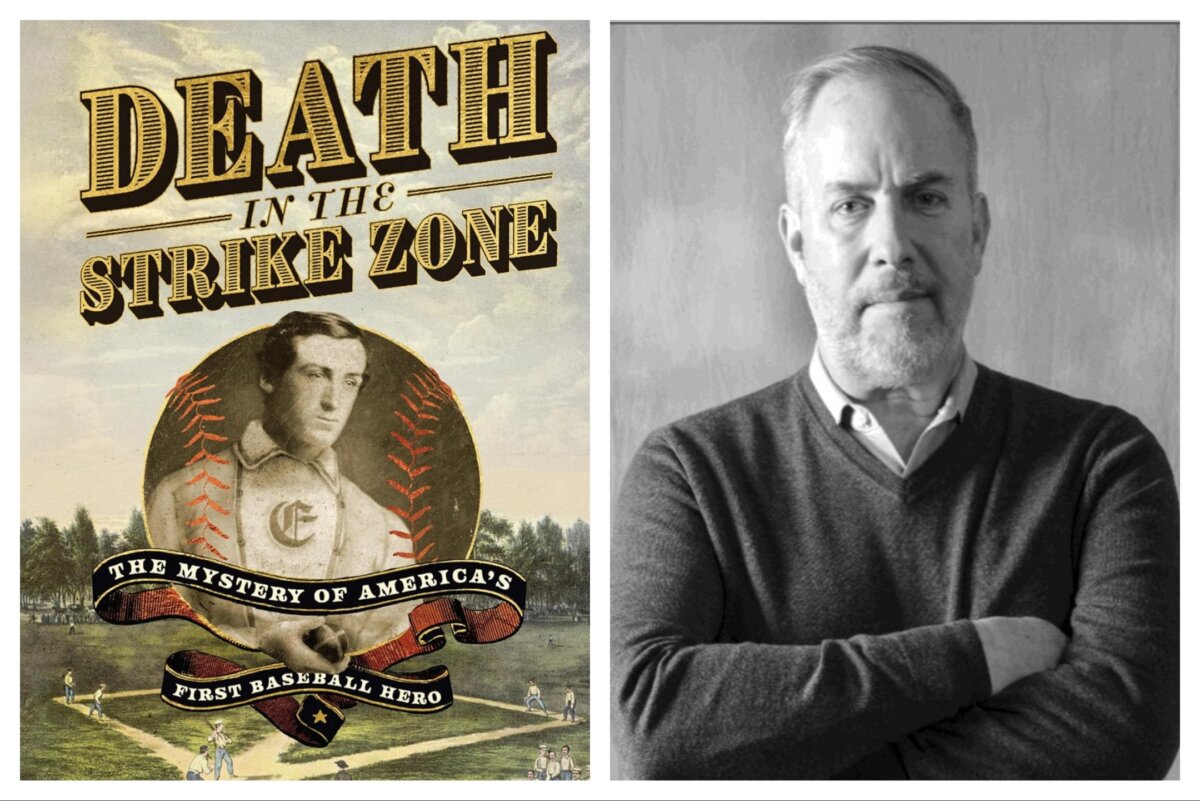
Baseball fans will love “Death in the Strike Zone: The Mystery of America’s First Baseball Hero,” the first official biography of James Creighton (1841–1862). Who, readers may ask, is he?
In his new baseball history, Thomas W. Gilbert argues that Creighton threw the first fastball and the first curveball—before they were known as such, helping establish the strike zone. Creighton even appeared on the first baseball card. Dubbed a “phenom,” he’s one of the greatest players, though few today have ever heard of him.
Creighton’s early death at the age of 21 contributed to his obscurity. He died in 1862 during baseball’s “Amateur Era.” Had he lived just a few more years—baseball became a professional sport in 1871—official records might have documented his pitching prowess. But he collapsed during a game, and his subsequent death fueled controversy and conspiracy theories.
William Arthur “Candy” Cummings is enshrined in the Baseball Hall of Fame for throwing the first curveball, but Gilbert presents findings that debunk this long-held claim.
Well-known among baseball fans, Gilbert wrote “How Baseball Happened: Outrageous Lies Exposed! The True Story Revealed,” which refutes the age-old myth that Abner Doubleday invented baseball in Cooperstown, New York.
Gilbert is no stranger to controversy—in a good way. His books, including “Death in the Strike Zone,” challenge deeply-rooted beliefs about baseball history. His conclusions are backed by research—records and newspaper accounts from what he calls the “Dark Ages” of baseball—along with a bit of intuitive detective work.
The ‘Phenom’
When young Creighton started playing, a pitcher’s job was basically to put the ball in play, using an underhand motion much like tossing horseshoes at a state fair. There was no strike zone, no calls for balls, and batters could even request where the pitch should be thrown to improve chances of making contact. In other words, it was a boring “waiting game.”
Along came Creighton, who devised a deadly pitch that hitters had never seen. As one ball flew past after another, batters were at a loss. Suddenly, pitching became a defensive position, and Creighton threw the first shutout game.
In the fall of 1862, the Brooklyn Excelsiors were set to play the second game in the series after losing the opener to the Union Club, based in what is now the Bronx. That game ended abruptly after six innings, after only two hours of play, with no sign of rain.
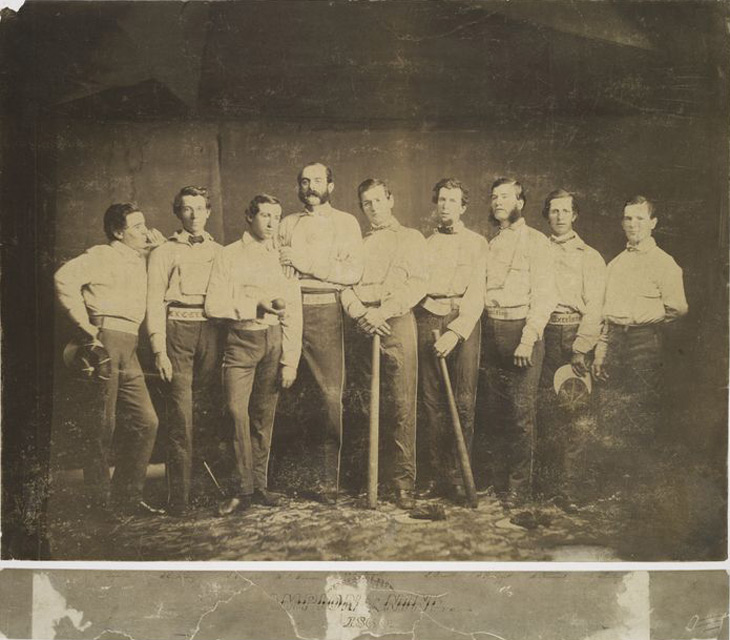
Creighton, pitching for the Excelsiors, had to be carried off the field after suffering immense pain. He died four days later. The cause of death was listed as “strangulation of intestines.”
Mystery and Intrigue
Naturally, the case would seem closed, the ink dry on the official papers. However, questions emerged: Was the “strangulation of intestines” a longstanding issue or an injury sustained during the game? Could it have been caused by a blow to the abdomen, from a ball or a bat? Did Creighton’s pitching cause this “strangulation”? Or perhaps he was injured while playing another sport? He also excelled at cricket.
In addressing these questions, the author points to factors beyond the medical that might have influenced the official reports. He also examines how Creighton achieved his unorthodox pitches. Were they even legal? Gilbert gets down to the basics and the technicalities of the throws, even finding a contemporary pitcher who came close to Creighton’s signature throw.
More Than One Man’s History
In exploring Creighton’s life, Gilbert inadvertently presents baseball in its infancy. The book covers how early clubs in Brooklyn and New York City operated, the sort of fields they played in, and how rules for the fledgling sport began to take shape.
It also highlights other star players of the era. Joe Leggett, Creighton’s catcher, is prominently profiled. His whereabouts during his final years adds a second mystery to the book. Henry Chadwick, the sports journalist known as the “Father of Baseball,” is quoted heavily.
In an age when baseball was just starting to gain traction, Creighton’s death was a terrible tragedy. He never received the recognition he deserved. He not only pioneered a new pitching style but also excelled as a batter. Perhaps, with Gilbert’s efforts, two-way player Creighton may finally receive the honor befitting his athleticism and contributions to the sport, alongside Babe Ruth and Shohei Ohtani.
Because little information on Creighton is readily available, Gilbert fills in the blanks left by the athlete’s early death. The way he assembles the puzzle pieces makes for a gripping narrative. Part historical record and part investigative research, Gilbert’s compelling quest for the truth about Creighton’s legacy in “Death in the Strike Zone” will put readers on the edge of their seats.
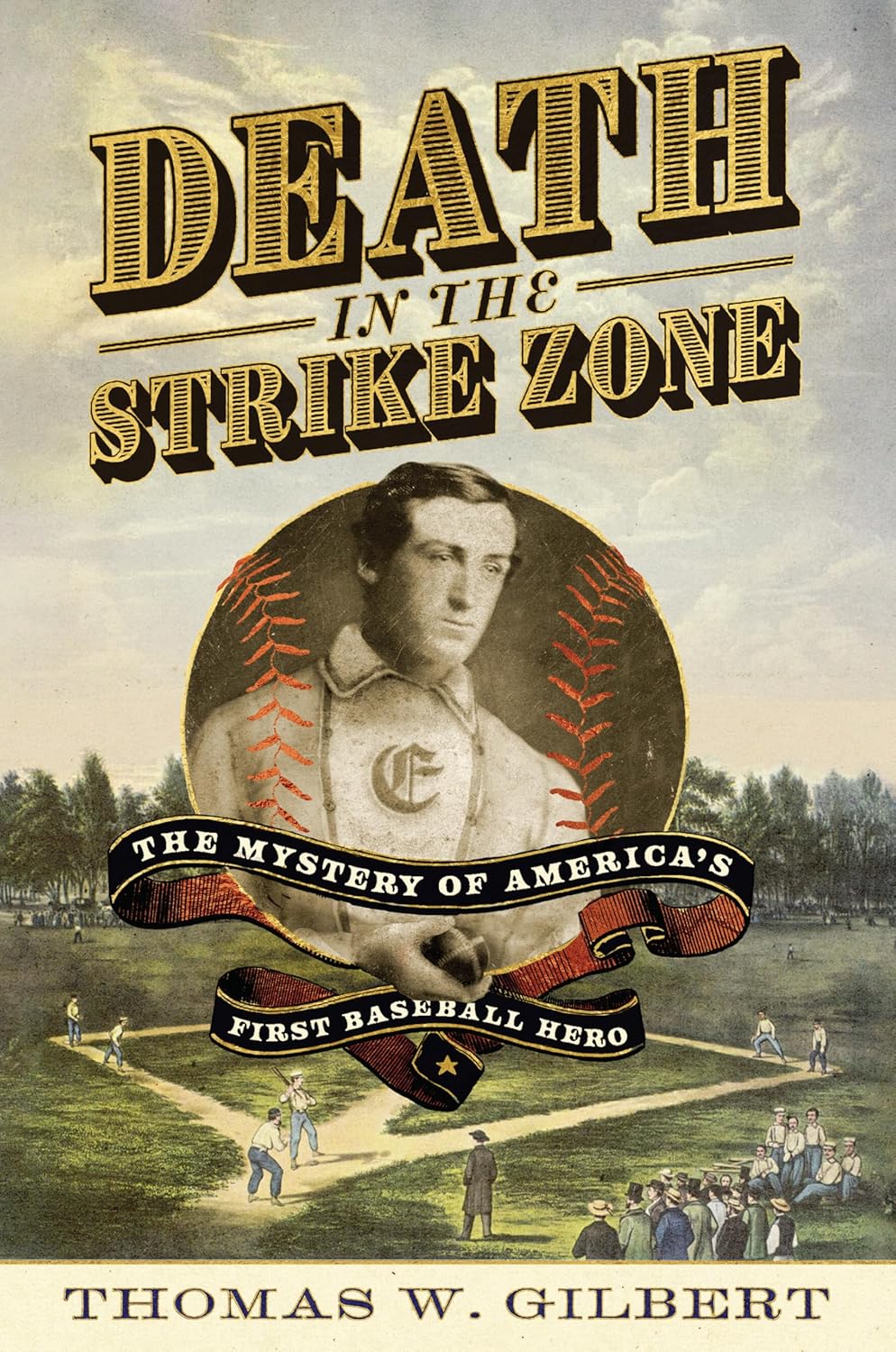
‘Death in the Strike Zone: The Mystery of America’s First Baseball Hero’
By Thomas W. Gilbert
David R. Godine: March 24, 2026
Hardcover, 192 pages
What arts and culture topics would you like us to cover? Please email ideas or feedback to features@epochtimes.nyc
