



In countries all over the world, the bells of abbeys and convents toll at periodic intervals to call people to communal devotion. The Liturgy of the Hours, also known as the Divine Office, speaks in a common tongue that bridges different languages.
The readings and songs of each Hour are a meditative dialogue between humanity and God. This routine is primarily maintained by religious orders. Secular Christians are invited to participate either on their own or by attending services at a church, abbey, or convent.
Meant to guide our lives in a rhythm of worship, the Hours of the Divine Office draws from a tradition that dates back to the early days of the Christian church. This tradition originated in the Old Testament practice of reading the psalms at regular hours during the day. During the peace of Constantine in the 4th century, Christians were able to build churches and gather publicly, which led to the development of the tradition of gathering together for morning and evening invocations.
The Hours
There are five acknowledged hours: Morning Prayer, Office of Readings, Daytime Prayer, Evening Prayer, and Night Prayer. The two primary Hours of the day (also known as “hinge hours”) are Lauds in the morning and Vespers in the evening. Lauds, said upon rising, consecrates the day to God, and Vespers gives thanks for the day just past.
The last service said just before retiring is Compline. It asks for protection in three kinds of sleep: natural sleep, the sleep of a soul in sin, and the sleep of death. Compline is said to keep the light of hope alive within us and preserve us from fear so that we may rest in God.
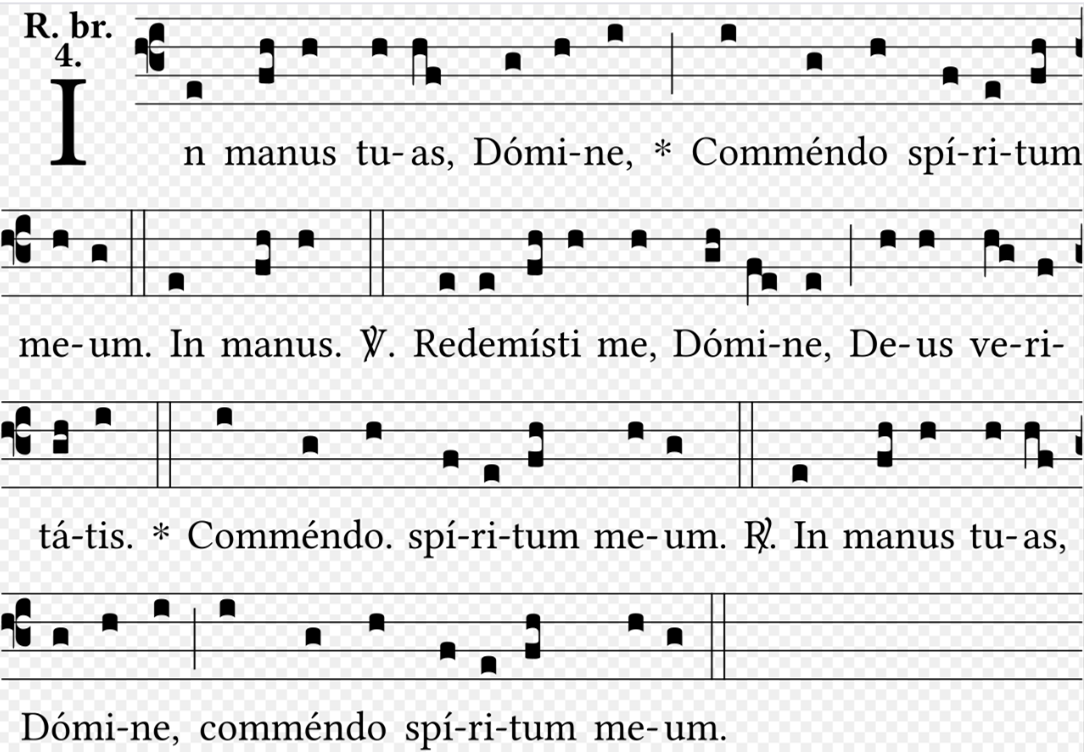
Compline includes an opening hymn, the recitation of psalms, a reading from the Bible, and the recitation of the Lord’s Prayer. The usual hymn at Compline is called “To Thee before the close of day” (“Te lucis ante terminum”); the authorship is unknown, though some credit St. Ambrose. The prayer of this final hour of the day is intended to keep God’s light before our eyes as we prepare to face the dark:
To Thee, before the close of day
Creator of the world, we pray
that with Thy wonted favor, Thou
wouldst be our Guard and Keeper now.
From all ill dreams defend our eyes,
from nightly fears and fantasies:
tread under foot our ghostly foe,
that no pollution we may know.
O Father, that we ask be done
through Jesus Christ Thine only Son.
who, with the Holy Ghost and Thee,
shall live and reign eternally.
If the focus of the other hours is on presenting the day as a gift to God, this hymn seeks to preserve the soul as a pure, unblemished gift to God. Having prayed that the day’s actions would be given entirely to God, the prayer now looks ahead to the night in hope of being restored to a new day. The prayer looks forward to the day with no evening, when believers are forever in the presence of God’s holy light.
‘An Evening Hymn’
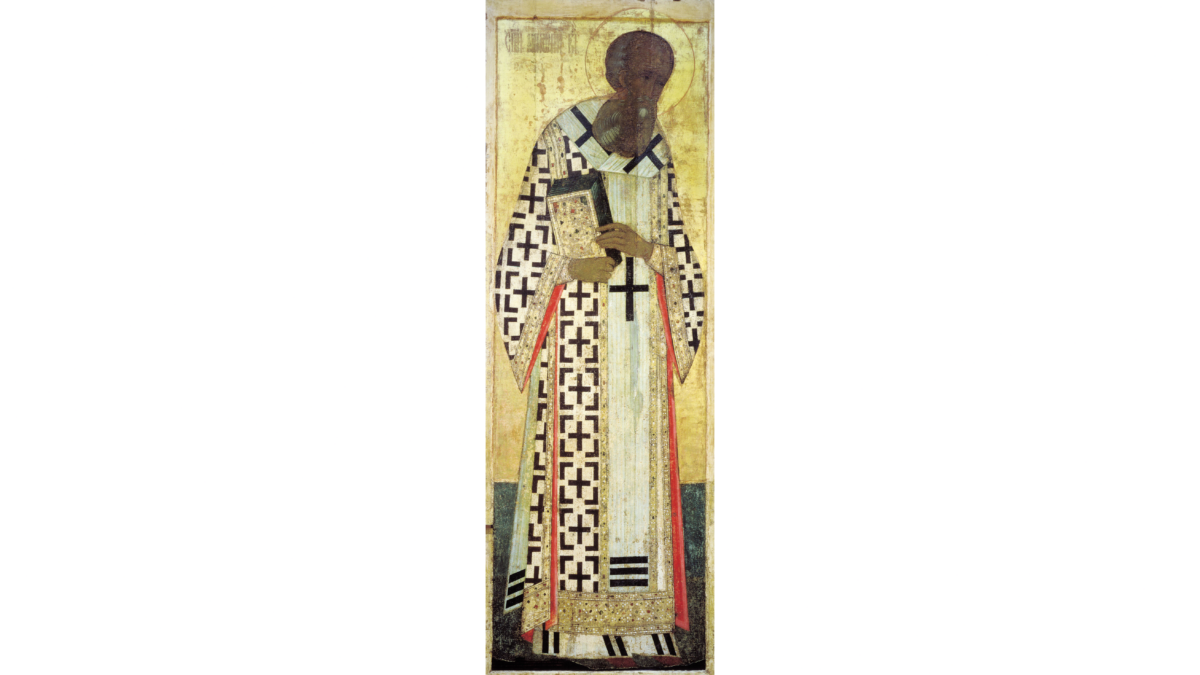
St. Gregory of Nazianzus (circa 329–380), also known as St. Gregory the Theologian, wrote a hymn to be recited at the end of day. “An Evening Hymn” possibly predates the text of Compline’s opening hymn, which is believed to date back to the 5th or 6th century. St. Gregory’s hymn (translated by John Brownlie) offers a prayer of a different sort that provides a striking contrast in tone to the first hymn:
O Word of Truth! in devious paths
My wayward feet have trod;
I have not kept the day serene
I gave at morn to God.
And now ’tis night, and night within;
O God, the light hath fled!
I have not kept the vow I made
When morn its glories shed.
For clouds of gloom from nether world
Obscured my upward way;
O Christ the Light, Thy light bestow
And turn my night to day!
Compline traditionally begins with an examination of conscience. At this Hour, the speaker emerges from this practice repentant and feeling like his light has been nearly spent. Darkness seems more daunting, and there is more of a focus on the sleep of sin than on the other forms of sleep.
Once again, the speaker asks for God’s guidance through the dark and chides himself for having offered God the day as a gift only to have marred it with sin. However, despite his repeated failings, he looks ahead to the dawn, knowing that God can continually renew him and transform his darkness into light.
The perspective in this hymn shows why compline is such a beautiful conclusion to the day in the Liturgy of the Hours. While the hinge hours consecrate the day and give thanks for it, defining the day as a gift to God, Compline gives the one who prays a necessary reflection on the darkness.
In addition to confronting the darkness in the world, the one who prays must face the darkness within his or her own lives. Otherwise, that person might fall into the trap of despair when sinning or making mistakes. The one who prays may think that the entire day has been ruined. Or worse, he or she may believe their entire lives have fallen into darkness.
An examination of conscience at the close of the day acknowledges that the day has had imperfections. But reciting the “An Evening Hymn” surrenders those imperfect moments to God rather than carrying them into the next day.
In this way, the darkness has no hold over one who intones “An Evening Hymn.” He or she is safe in the knowledge that God can turn night into day.
The believer rests in God’s hands until the dawn in order to consecrate a new day to God. There is no illusion thinking the day will be perfect, but there is the knowledge that God only asks for perseverance to make it through.
What arts and culture topics would you like us to cover? Please email ideas or feedback to features@epochtimes.nyc
