



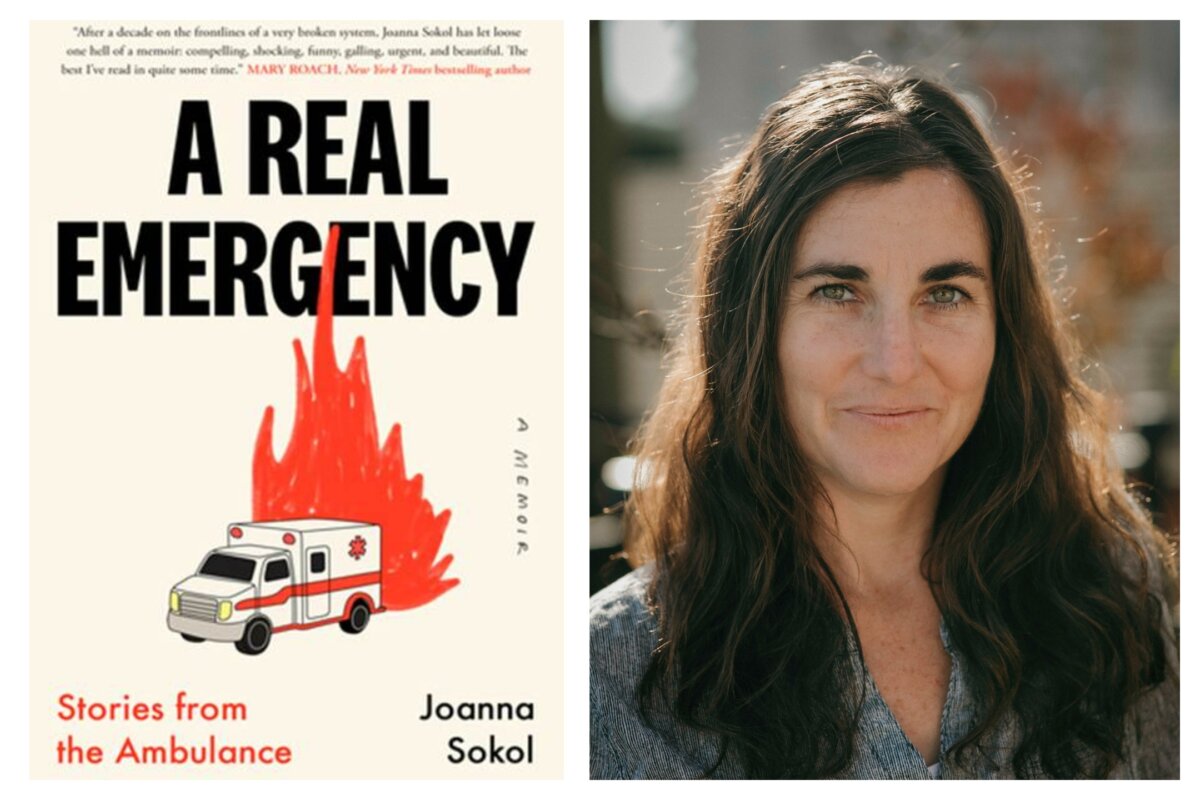
What is a paramedic? According to Joanna Sokol, author of “A Real Emergency,” it’s “some combination of field doctor, social worker, and street sweeper.” Her job is to make sure she administers immediate medical aid called in by emergency callers before whisking patients off to the nearest hospital.
Who Does She Serve?
One action-filled night could mean “two cardiac arrests, a stabbing, and a high-speed car chase.” However, being stationed in the Bay Area, with one stint in Reno, Nevada, meant Sokol got all sorts of calls: from a drug overdose to asthma attacks and, in some cases, someone who just needed a ride.
Sokol recounts how one 30-year-old woman who ran out of medication didn’t want to pay the bus fare downtown to have it filled.“I know you guys have to take me. You can’t say no,” the lady casually remarked, as she hopped into the ambulance for a ride downtown. And she wasn’t wrong, either. Throughout the book, Sokol laments this fact, as they end up ferrying non-emergency cases from home to a hospital.
With scenes from a TV medical drama flashing before readers’ eyes, they may think that the job is exciting and adrenaline-filled. But Sokol’s memoir firmly refutes these misconceptions. Not all emergency callers deal with physiological ailments. Sometimes, she claims, the patients are just scared and lonely—and somehow, the medics are there at the right place at the right time. For these people, “being tired and alone is an emergency.”
When she got called to a homeless shelter for a possible pediatric cardiac arrest, she got a “code three” (no-time-to-use-the-restroom) situation, raced to the location, only to find a lady pushing a lifelike baby doll in a stroller. The poor lady hadn’t accepted the death of her real child.
Behind the Scenes
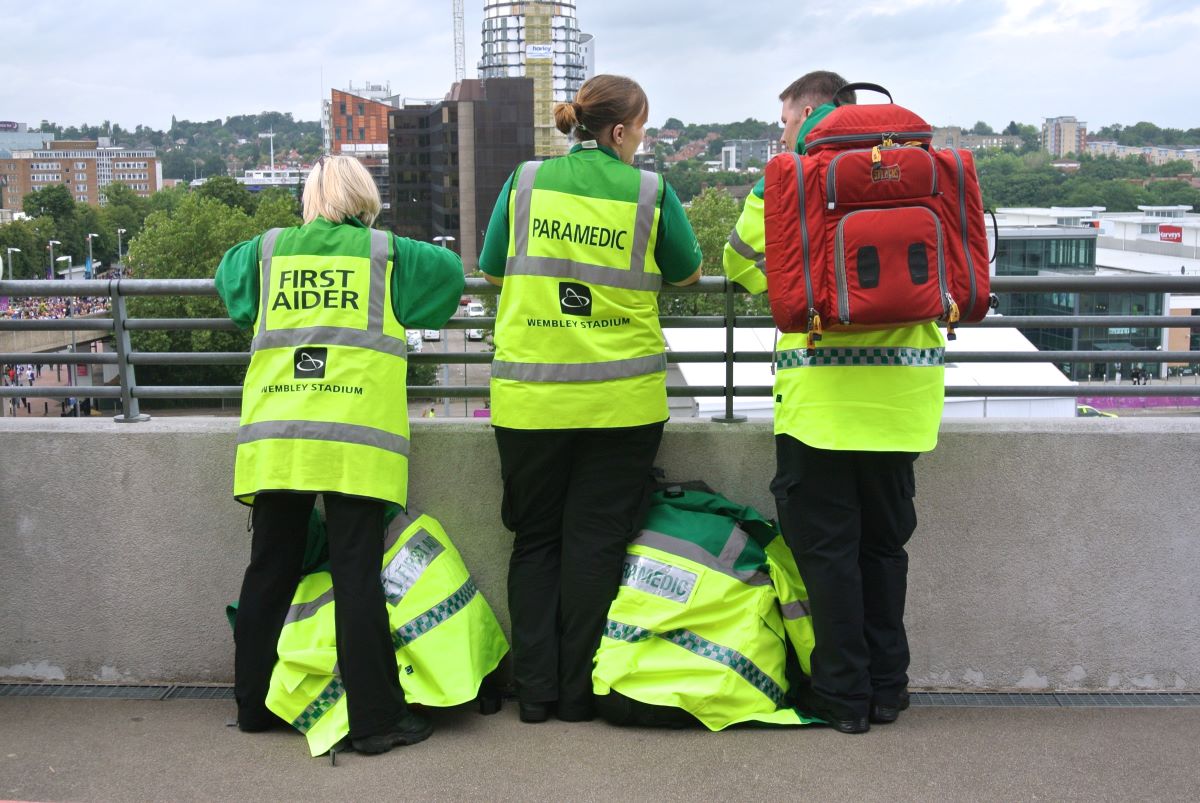
With a career’s worth of notes, stories, and anecdotes, readers hop into Sokol’s ambulance and find out the real circumstances that these medical professionals deal with. We meet her patients—her “regulars”—and the readers get a glimpse into a system so broken that the people paramedics are called to help just end up back where they were—unhelped.
In one example, someone had called 911 to help a homeless man who had a drug overdose, and, when she saw who it was, she said, “I’ve Narcan’d the same guy twice in a shift.” During the COVID-19 scare, Sokol tried to get a man with mental health issues into a clinic, but because he tested positive twice for COVID-19, he was denied access to the facilities and sent back out on the streets.
Her ability to see the humor and the positive in her career keeps her grounded—and maybe even sane. That’s also why she has learned to appreciate being part of a team. She described what it’s like to work with her EMT partner, the dispatchers, emergency room nurses and doctors, and some of the firefighters and law enforcers—all cogs in a system. Each does their part in order to save lives or, at least, give temporary relief to those who called in.
The book also touched on some historical notes dealing with medical procedures like CPR and defibrillation, for example, as well as the ambulances that made their way through the streets of early America. Sokol makes this all interesting without using textbook-heavy language.
Speaking of language, in the book’s introduction, she explains that terminologies have changed over the years in the medical field. As an example, the term “hobo” has been replaced with “homeless” to “persons experiencing homelessness.” Though she may use some of the “newer vocabulary” in parts of her book, she also admits that these tend to be “grammatically unwieldy and emotionally distancing,” and has opted to forego some of them.
Speaking From Experience
Sokol isn’t shy in expressing her opinions with regards to policies that actually do more harm than help. She laments that people who make these policies are often not “on the ground”—a valid point if higher-ups actually want to make a difference. From the 911 system and medical billing to “Do Not Resuscitate” forms and performing CPR on the elderly—among many topics—her opinions borne from many experiences offer a perspective readers may not have. Without being overly political, she sometimes parrots controversial news headlines. Readers may not always agree with her views.
An inside look at what goes on out of the public eye gives readers a healthy appreciation of the job being done. It’s quite often a thankless job, where paramedics get spat on, cussed out, and even covered in all sorts of body fluids. Those considering a career in this field will get a good picture of what the job entails.
Readers who like human interest stories and light drama will enjoy Sokol’s stories from her 15-year career; it isn’t for the squeamish. It reveals the brokenness of a system, but it also presents the humanity of the patients and a look into the lives of people like Sokol in this line of work.
‘A Real Emergency: Stories From the Ambulance’
By Joanna Sokol
Strange Light, June 3, 2025
Paperback: 464 pages
What arts and culture topics would you like us to cover? Please email ideas or feedback to features@epochtimes.nyc
