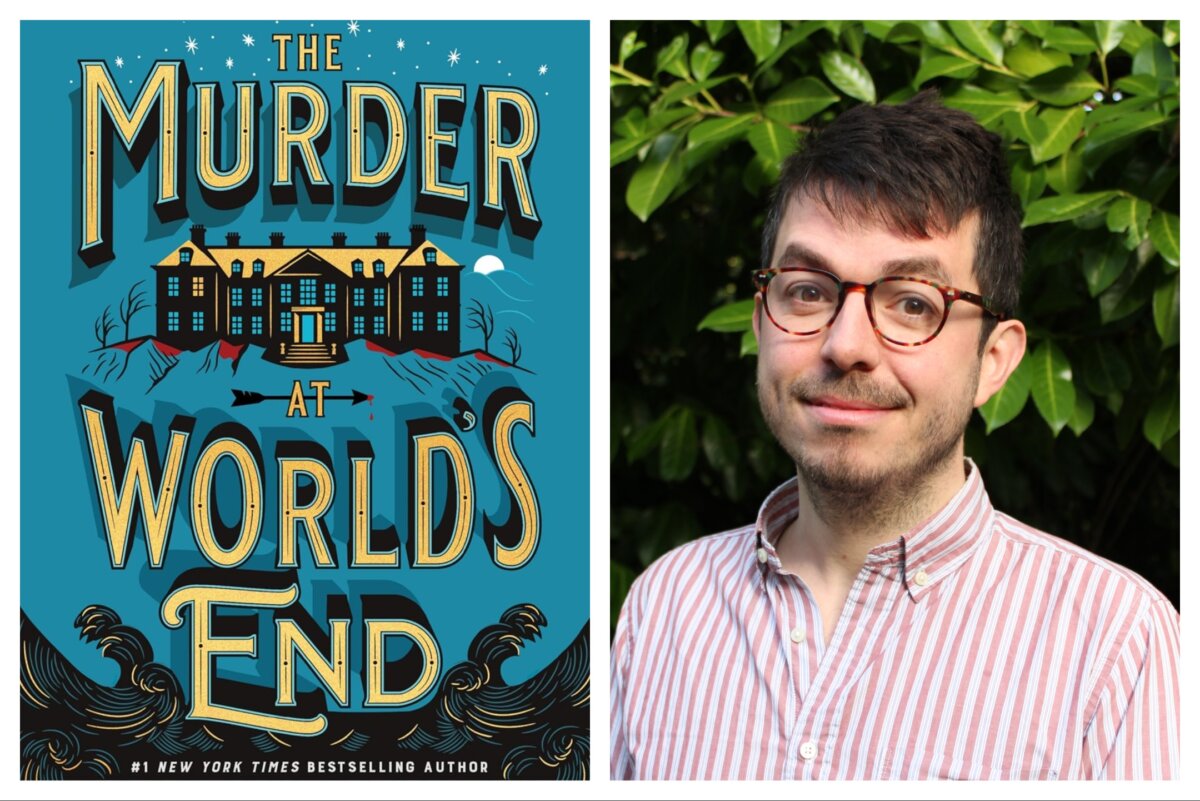
The year is 1910 and Halley’s Comet is about to make its near-Earth approach, an astronomical phenomenon which takes place approximately every 75 years. Ross Montgomery, in his new book “The Murder at World’s End,” utilizes the timing of this phenomenon to construct his rather clever locked-room British murder mystery.
In rural England in the fictional location of World’s End, Halley’s Comet has created a chaotic scene inside the large mansion called Tithe Hall. The chaos is witnessed through the eyes of the protagonist, Stephen Pike, a young man who has been summoned to the mansion for a job. The book is written primarily in first person, with third-person paragraph chapters interspersed, often accompanied with assumedly actual comet-related newspaper clippings.

The setting and protagonist prove to be a winning formula. Pike, as the new man on the scene, arrives with plenty of baggage due to his recent release from prison, as well as plenty of questions regarding the reason for the chaos.
The owner of the mansion and head of the prominent Stockingham-Welt family, Viscount Conrad, has put the house and its inhabitants in an uproar. He believes the comet will bring about the end of humanity and has issued strict orders that the mansion be locked down and sealed tight. Once the house is secured, every person—servants and family members alike—must be likewise sealed in their rooms until the following day, once the gastric tail of Halley’s Comet has done its damage.
It is after this chaos and during the quiet night of supposed sealed security that the murder of the viscount has inexplicably taken place.
Characters and Dialogue
Pike, due to his criminal past and his recent arrival, becomes a prime suspect. Additionally, the author utilizes the protagonist’s social status to further place him in a vulnerable and powerless position. He, however, finds a relatively powerful ally in Miss Decima, the brilliant, scientifically minded, and vulgar octogenarian.
An elder member of the family, she uses the murder as an opportunity to shed her isolation and put her intellect to the test. Pike and Decima—members of two very different class structures—make quite the duo. They are opposite in just about every facet, and Montgomery uses these differences to his advantage to add depth to the story.
The author demonstrates his talent for dialogue throughout the book. From the servants to the family members to the ridiculous detective who arrives from Scotland Yard, each possesses a specific and memorable personality, which forces the reader to like them, hate them, or find them irritating.
Miss Decima, one of the main characters, however, I did find lacking in character strength. One of her primary characteristics is that she is, as the promotional material for the book boasts, “foul-mouthed.” It proved hardly worth boasting about. If anything, I think it took away from her character, as the author seemed to rely on her profanity to prove her cantankerousness. In a word, it’s overhanded.
Details and Clues
Montgomery details the actions and the settings enough to give the reader a good idea of what is taking place. Additionally, the book shows the schematics of Tithe Hall, which helps the reader visualize the characters’ movements.
Regarding the mystery itself, Montgomery is good enough to place clues throughout the story. The clues are pretty easy to pick up; but, like any good puzzle, they are difficult to place in the right spot. The suspects are numerous, though they get whittled down as the story moves forward; although, some of these suspects, after being dismissed by this reader, came back under suspicion. My primary suspicions, among a few secondary ones, proved correct in the end, but that was not until rather late in the book.
Montgomery makes several attempts to throw readers off the scent and never does it cheaply. They are done quite cleverly, and I appreciated it.
Overall, “The Murder at World’s End” proved to be a fun and well-conceived locked-room murder mystery. A great setting, a seemingly impossible murder, a plethora of motives, believable dialogue, a number of likeable characters, especially the protagonist, Pike, make for smooth and enjoyable reading and guessing. Murder mystery fans will find this book a worthy spring or summer read.
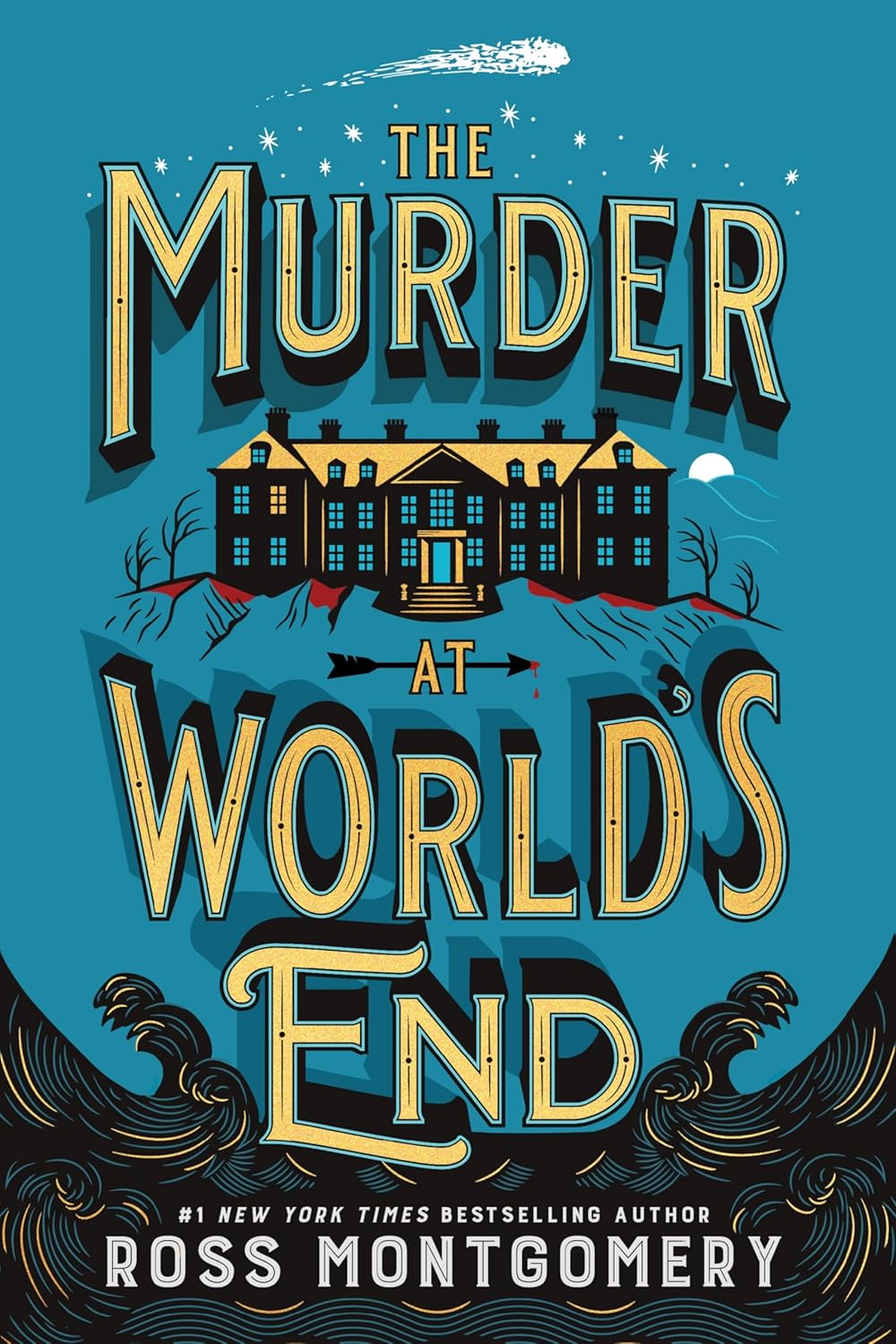
‘The Murder at World’s End‘
By Ross Montgomery
William Morrow: Jan. 6, 2026
Hardcover, 336 pages
What arts and culture topics would you like us to cover? Please email ideas or feedback to features@epochtimes.nyc