NR | 2h 2m | Drama, Family, Romance | 1945
The silver screen frequently reeks of cheap spilled whiskey, sour breath, and broken promises. Films like “The Lost Weekend” (1945) showed the brutal reality of an alcoholic destroying nearly everything within reach. “Days of Wine and Roses” (1962) followed the bottle into marriage and watched it turn affection into a daily hazard.
The traditional male role makes the disease especially vicious. Men face a tough public expectation: bring in money, keep the lights on, and make households feel secure. That standard can become punishing for a man who is barely scraping by.
When a father realizes that he can’t provide for his wife and children, shame starts hunting him from inside his own skin. The pressure cooker of early 20th-century city life drove plenty of husbands into stupors (and deaths or suicides) that their wives and children had to survive.
“A Tree Grows in Brooklyn” shows the heartbreaking struggles of the Nolan clan. The father is a charismatic Irish American dreamer with music in his voice, charm in his smile, and ruin waiting in the next drink.
Forget the modern Brooklyn of boutique bakeries, rent panic, and people arguing over coffee beans as though civilization depends on the roast. The borough back then was packed with tenement buildings, street vendors, laundry lines, church bells, gossip, hunger, pride, and families trying to claw a future from a neighborhood that gave them little room.
Elia Kazan adapted Betty Smith’s novel just as World War II ended. Men were coming home from combat zones with enough death behind their eyes to last them a lifetime. Audiences were ready for stories about apartments, jobs, children, neighbors, debts, and the smaller conflicts waiting at the kitchen table.
Kazan was already a seasoned stage director when he made his major film debut here, and he knew how to make rooms feel crowded with more than furniture. Somehow, a Fox backlot of wood, plaster, painted signs, and studio light becomes a bruised Brooklyn street where every window seems to hold another family trying to endure.
A Home Near the Edge
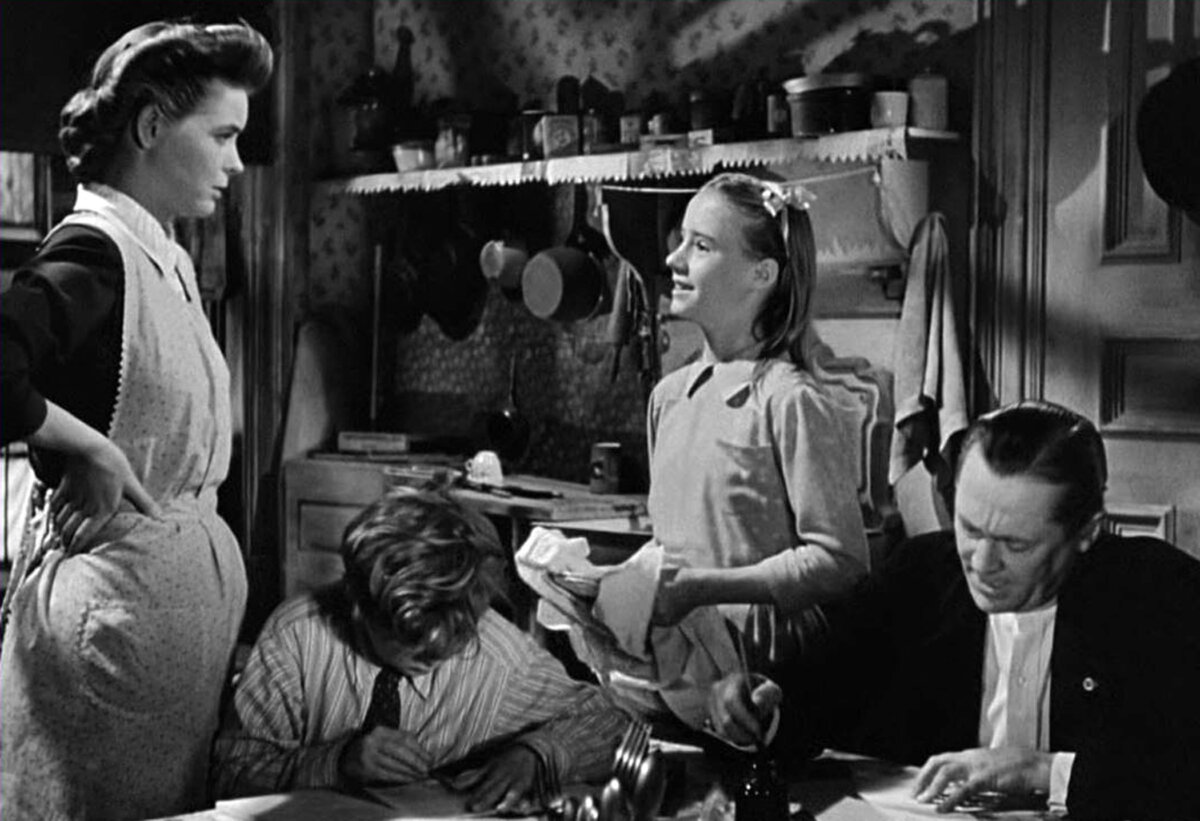
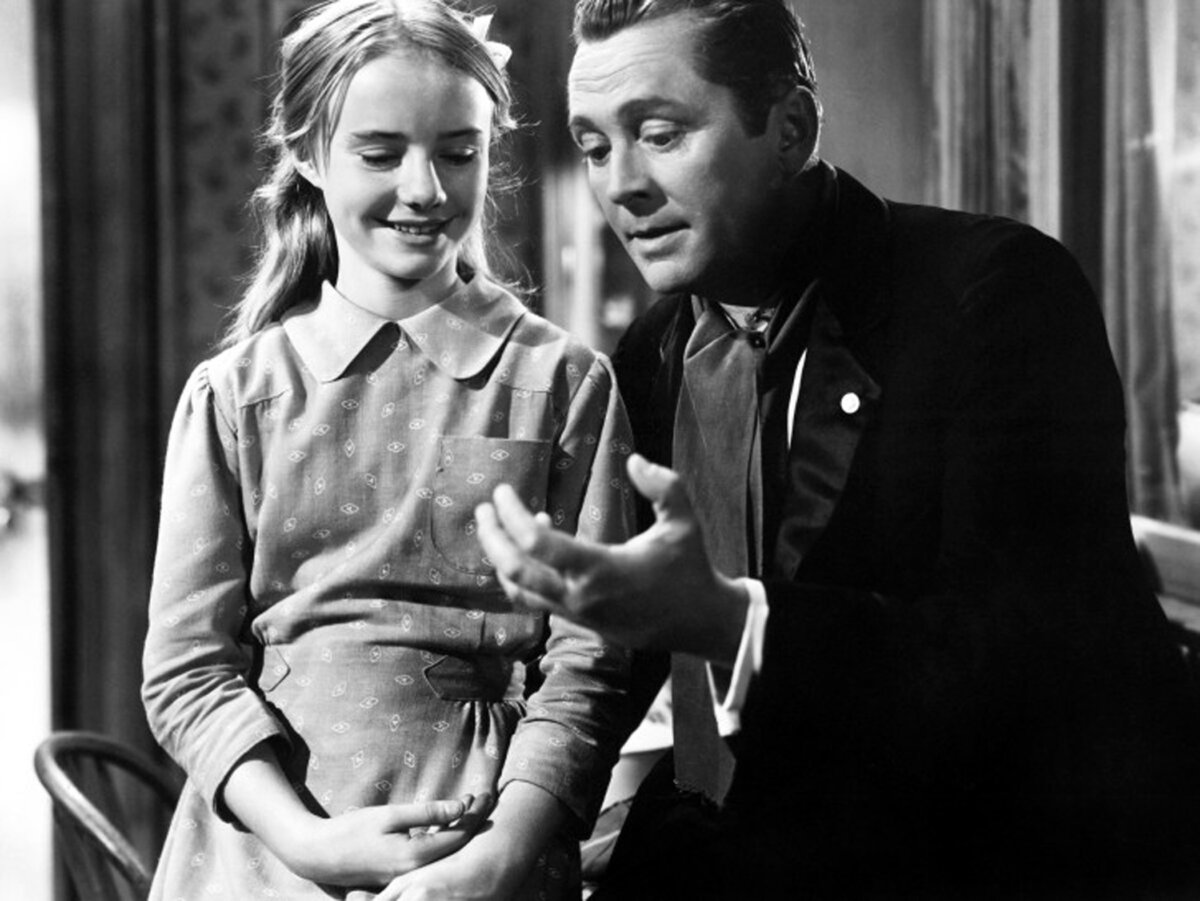
Our tale opens in a poor Brooklyn world where children learn the price of things all too early. Francie Nolan (Peggy Ann Garner) is a bright young girl with a hunger for books and dreams of becoming a writer. She moves through the crowded streets with her younger brother, Neeley Nolan (Ted Donaldson).
The two bargain over scraps, dodge the daily noise of the neighborhood, and return to a home where survival has become a daily craft. Katie Nolan (Dorothy McGuire), their mother, runs that home with discipline because no one else is reliable enough to do it.
Johnny Nolan (James Dunn), their father, has the soft voice, the songs, and the dreams, yet the bottle keeps dragging him away from the duties he knows he owes them. Francie sees the magic still lingering in him, while Katie sees the unpaid bills.
The story narrows the sprawling novel into a single stretch of family life. It’s built around Francie’s hunger for books, Johnny’s shaky attempts to help her rise, and Katie’s grim battle to keep food and shelter from becoming luxuries.
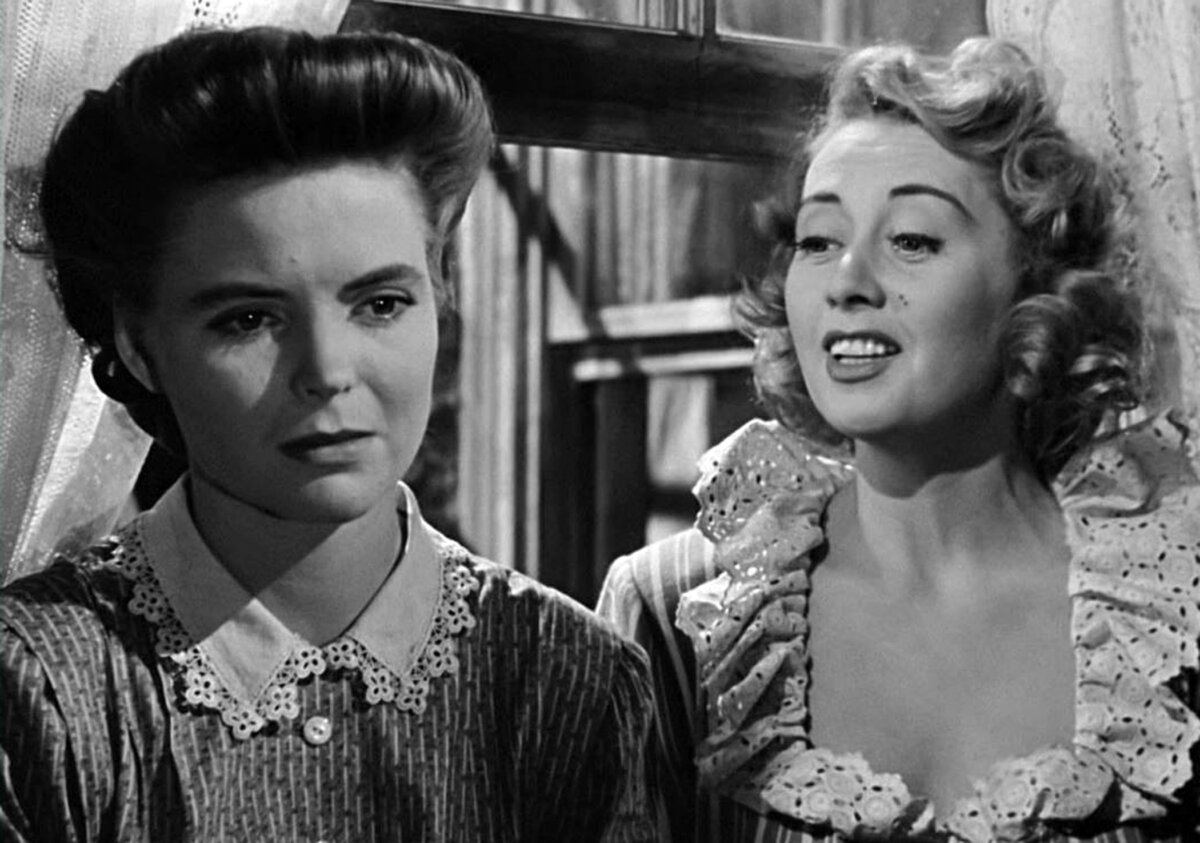
Aunt Sissy (Joan Blondell) adds scandal, warmth, and streetwise comedy, the sort that makes respectable relatives clutch their pearls before asking her for help anyway. Officer McShane (Lloyd Nolan) watches from the edge of the family’s life.
The neighborhood itself becomes part of the drama: schoolrooms, saloons, stairwells, sidewalks, and the stubborn tree in the courtyard, all holding pieces of Francie’s young imagination. The film gives away no easy rescue. It simply follows a family as they try to get through the year with love still intact.
A Bruised Reality
Kazan’s first feature has the confidence of a man who knows that people can do terrible damage while remaining recognizably human. That’s no small feat in a family drama with an alcoholic father, a worn-down mother, and a daughter bright enough to see both of them with painful clarity.
James Dunn won Best Supporting Actor for Johnny Nolan, and Peggy Ann Garner received the Academy Juvenile Award for Francie Nolan, which feels right because their scenes together give the film its richest aches.
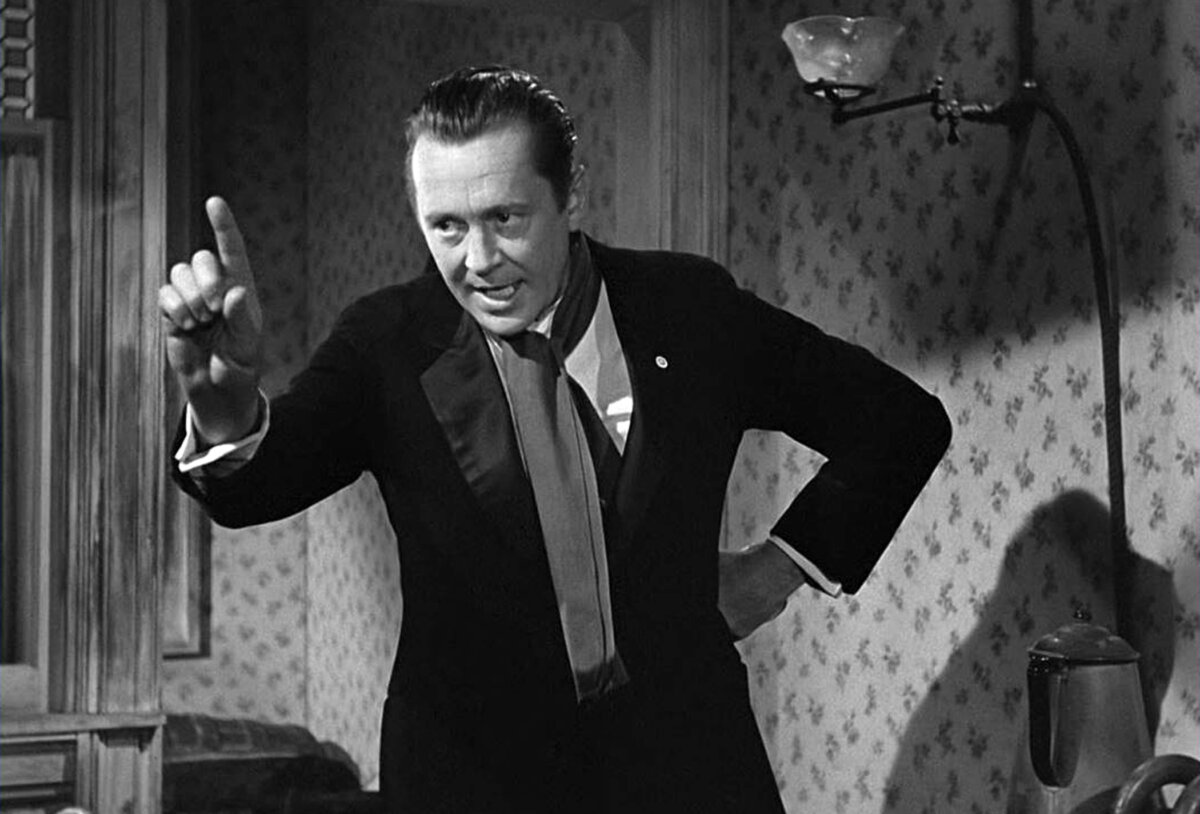
Dunn’s performance has the feel of a showman who’s taken some hits, and that can’t be faked with studio varnish. Johnny smiles like a man trying to outrun his own bills. Dunn makes the charm feel generous, slippery, and sad all at once.
McGuire has a tough assignment as Katie Nolan. She has to play a mother who can seem harsh because somebody has to count the money, scrub the halls, and say no while everyone else gets to dream. That’s an unglamorous role, and McGuire doesn’t ask the audience to like her every second. Good. Katie has work to do.
Kazan and cinematographer Leon Shamroy also deserve credit for giving a studio-built Brooklyn the feeling of a block that’s been sweating there for years. The film was shot on the 20th Century Fox lot. A four-story tenement replica took up a full stage and included elevators that allowed the camera to move up and down the stair flights.
The famous courtyard tree has been identified as an ailanthus, also known as the tree of heaven. Reportedly, the tree survived the heat of the studio’s Klieg lights before being replanted elsewhere on the studio lot. That detail is almost too perfect, like old Hollywood accidentally writing its own sermon in the production notes.
The film’s social concerns never turn the Nolans into pamphlet people. Poverty is ugly here, yet Kazan keeps returning to ordinary behavior: a look from a curious child, a tired mother’s worn yet loving reply, a father spinning fantasies because reality has him cornered.
It’s no wonder that “A Tree Grows in Brooklyn” was entered into the National Film Registry in 2010. The movie survives because it respects family love even when the family itself can barely pay for tomorrow.
“A Tree Grows in Brooklyn” is available on YouTube and ok.ru.
‘A Tree Grows in Brooklyn’
Director: Elia Kazan
Starring: Dorothy McGuire, Peggy Ann Garner, Joan Blondell
Not Rated
Running time: 2 hours, 9 minutes
Release Date: March 1945
Rated: 4 stars out of 5
What arts and culture topics would you like us to cover? Please email ideas or feedback to features@epochtimes.nyc