In a recent interview with fellow actor Matthew McConaughey, film actor Timothee Chalamet remarked that no one cares about ballet and opera today. This was amid their discussion about the film industry’s growing concern: the movie theater’s dwindling attendance.
If my recent visit to a movie theater for a screening of the Royal Ballet’s latest production of “Giselle” is any indication, cinemas should be far more worried than live performing arts companies.
Beginning with the Metropolitan Opera’s “Live in HD” series, filming and broadcasting live ballet and opera performances in movie theaters has become commonplace.
Movie of a Ballet
Entering the movie theater was a surreal experience, akin to visiting a cinematic ghost town. After presenting a pre-purchased ticket to the employee at the front door, the hallways were deserted.
There was nothing except the sounds emanating from the 18 theaters in the complex.
Upon entering the screening room where “Giselle” would be playing, the welcome sound of subdued chatter greeted my ears. However, with only a handful of people in attendance, the noise seemed almost artificial, as if piped through the sound system.
Once the lights went down and the screen came to life, though, the audience was transported to the bustling Royal Opera House, filled to the roof with eager balletomanes and sophisticated season theatergoers.
The broadcast began with a behind-the-scenes look at rehearsals for “Giselle,” featuring interviews with the two lead dancers—features one would not get at a live performance.
The Performance
The story centers on Giselle, a beautiful but fragile peasant girl who falls in love with a stranger who is really the nobleman Albrecht. When she learns the truth, she goes mad and kills herself with his sword.
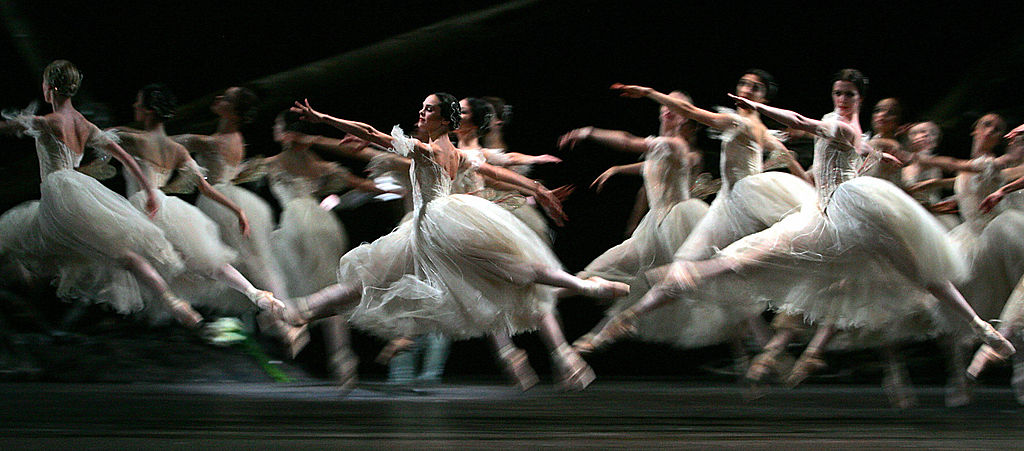
Following her death, she joins the Wilis, maiden ghosts who haunt the forest at night, forcing any man who crosses their path to dance to his death. However, when Albrecht appears in the forest, Giselle protects him from her vengeful companions.
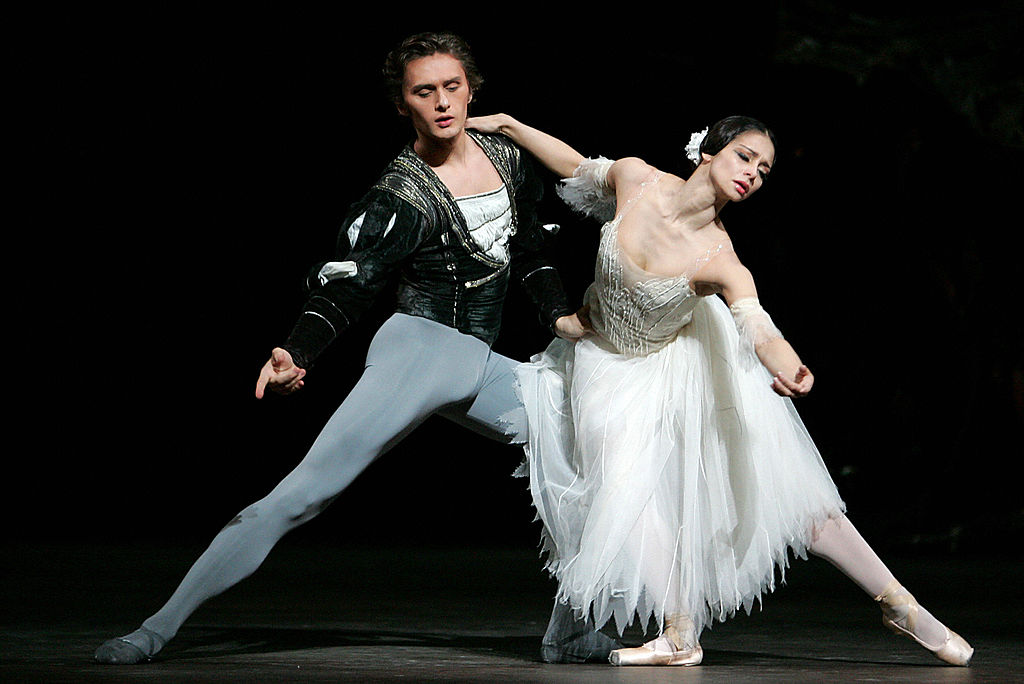
As the curtain rises, the audience sees the beautiful set and backdrop by John MacFarlane: a medieval German village surrounded by autumn woods.
The first character to enter the stage is Albrecht, played by striking principal dancer Matthew Ball, whose commanding presence quickly draws the audience into the story.
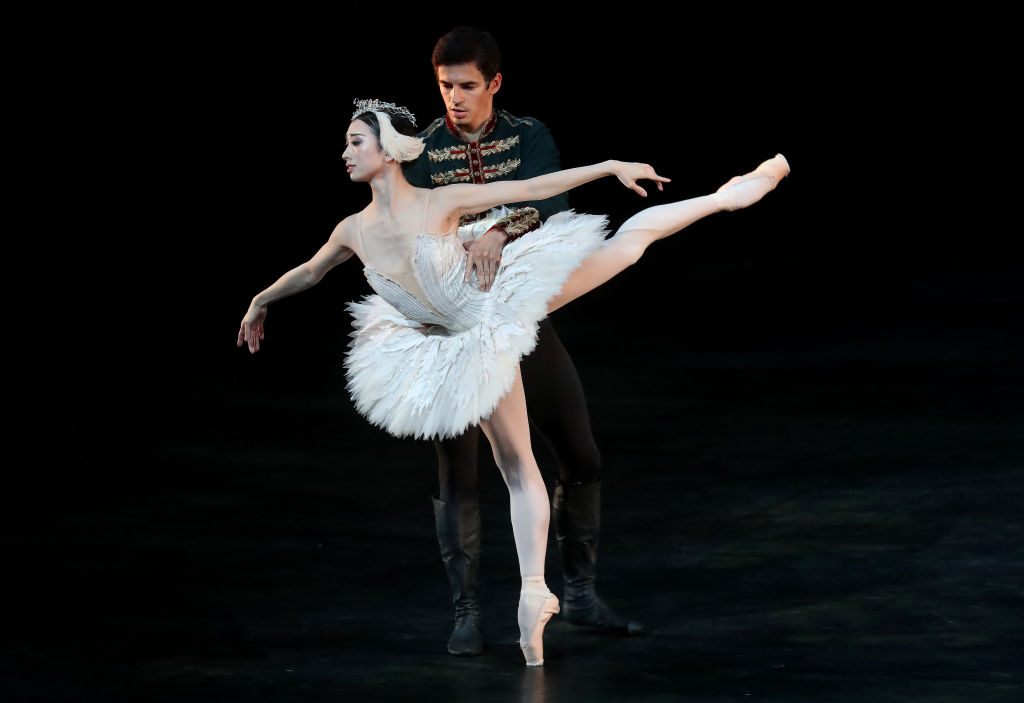
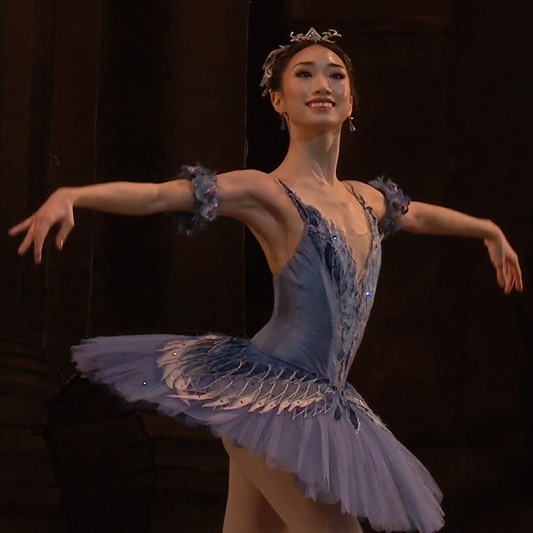
Next is a brief, charming scene between village hunter Hilarion (Valentino Zucchetti) and Giselle’s mother, Berthe (Kristen McNally). Then viewers meet the title character, played by graceful principal dancer Akane Takada.
The meeting between Giselle and Albrecht is one of the ballet’s highlights, due mostly to Ball’s ardor in the role.
Peter Wright’s choreography and staging differ slightly from most standard versions but remains rooted in tradition, reflecting his extensive research into historical choreography notation.
His production features many extended pantomime sequences, most notably Berthe’s telling of the legend of the Wilis. Wright highlights the story, while also displaying the dancers’ technical ability through the charming but challenging choreography.
In the Act 1 finale, Giselle’s famous mad scene, Takada, already established as a strong yet graceful dancer, showed her exceptional acting ability. As she descends into madness, her Giselle remains gentle and agile while showing all the signs of abruptly shattered sanity. Her moving performance brought some in the theater to tears.
Another behind-the-scenes feature followed the five-minute intermission, offering a glimpse of corps de ballet rehearsals, narrated by staging director Samantha Raine.
MacFarlane’s description of his scenery also serves as an excellent introduction to the second act. The haunted forest that appears when the curtain rises lives up to his description, and Zucchetti’s dramatic portrayal of Hilarion’s mourning provides a strong opening.
Raine noted that many of the corps dancers were performing this ballet for the first time. Perhaps because of their relative inexperience, the corps de ballet’s technical level seemed slightly lower than in past Royal Ballet productions.
Giselle’s entrance, an intense, dazzling solo, once again showcases Takada’s crisp technique. However, Act 2 truly comes into its stride with Albrecht’s return. The leads’ extended pas de deux sequence (a partnered dance between a man and a woman) is both technically impressive and emotionally moving.
Zucchetti, already compelling as an excellent actor, demonstrates impressive, precise technique in Hilarion’s dramatic death scene. Wright’s choreography here differs slightly from most versions but is no less impactful.
The main pas de deux between Giselle and Albrecht, as she attempts to protect him from the Wilis’s wrath, delivers exactly what it should. Ball lifts Takada effortlessly as she floats gracefully through her movements, creating the illusion of weightlessness.
Ball’s interpretation in Act 2 stands out. While the role requires Albrecht to be danced to death, many performers execute each step flawlessly before suddenly collapsing. Ball instead conveys mounting exhaustion, faltering on larger jumps before finally giving way.
Filming a Ballet
Filming ballets presents unique challenges. The very feature that can make an HD broadcast superior to a live performance is also its greatest risk: the ability to see dancers up close.
It’s important to show as much of the dancers as possible at all times. This production, however, sometimes relied too heavily on close-ups, missing important action onstage, such as a dramatic moment between Giselle and Albrecht near the close of Act 2.
The Royal Ballet has an online platform for its HD recordings, which can be streamed on demand with a subscription.
However, just the thrill of going out to experience this in a theatrical atmosphere might seem worth the effort for many viewers.
For those seeking that experience, there’s most likely a local ballet company performing nearby that could benefit from their support.
“The Royal Ballet: Giselle” HD recording is available through the Royal Ballet.
‘The Royal Ballet: Giselle’
Director: Ross MacGibbon
Starring: Matthew Ball, Akane Takada
Running Time: 2 hours, 18 minutes (5 minute intermission)
Not Rated
Release Date: April 12–13, 2026
Rating: 3 stars out of 5
What arts and culture topics would you like us to cover? Please email ideas or feedback to features@epochtimes.nyc