



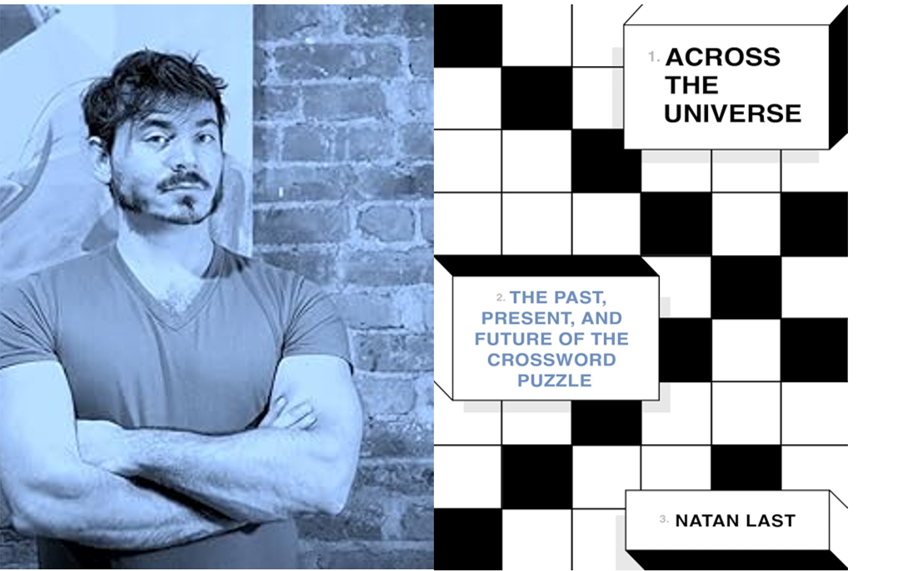
According to “Across the Universe,” a new release about the beloved crossword puzzle, we live in a time of “word game mania.” During the COVID-19 lockdown, word puzzles became almost a new national pastime. According to author Natan Last, more than 36 million Americans regularly attempt to fill the distinctive black-and-white grid.
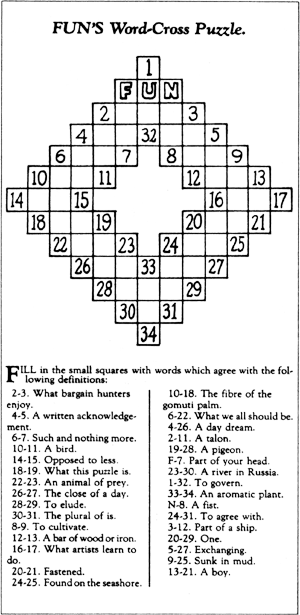
This longtime New Yorker crossword contributor has taken a deep dive into the history, longevity, and relevance of the popular activity. The crossword was invented by a British journalist and first appeared in a New York Sunday newspaper in 1913.
It’s hard to believe the subject can encompass an almost 300-page book. Last has conducted remarkable research into the puzzle’s timeline. He notes that the names, phrases, and references used reflect the times in which we live. Some puzzle creators use a theme that connects the clues, while others prefer a themeless challenge. The hobby is now attracting a younger audience due to digital versions and social media.
He introduces readers to the creators of the puzzles and the editors who oversee them. Readers will come away intrigued that what has been thought of as a relaxing habit holds rich and remarkable depth.
Snapshot of History
One of the more fascinating facts about the hobby is how the puzzle mirrors changing times and cultural diversity over the years. Puzzles from the 1950s featured references to popular subjects, celebrities, and brand names, acting as a time-capsule of sorts.
By their inclusion as answers in a crossword puzzle, they’re more than a challenge to solve, they’re snapshots of history. We’re also given insight into the slang words of the day, the ones editors felt were widely understood and could be figured out.
Last’s background as a crossword puzzle contributor and writer for the New Yorker puts him in the ideal position to chronicle this backstory, a task he takes seriously. In his author’s notes, he explains a painstaking method of placing crossword clues inside brackets to make them easier for readers to identify.
He confirms that he focuses on American-style crosswords which are less cryptic than British puzzles. While attempting to credit the author of a crossword clue, he explains it’s nearly impossible to know the origin, since it may be an editor’s substitution. Readers should be impressed, but not surprised, with his attention to detail.
Being born deaf in one ear drew Last to a love of language. His elementary school audiologist taught him to read lips. Over time, whenever he missed a few words in conversation, his brain filled in the blanks with the most probable choices. In high school, he began working on puzzles during free periods and became hooked. Soon, he was creating his own, submitting them to editors, and getting published in New York newspapers.
Boon for Newspapers
Within a few years, he became the summer intern for the editor of a large daily New York newspaper and watched as the tradition began of increasing the puzzle’s difficulty from Monday’s easy version to what was considered “multiple-day affair” Saturdays. Today, puzzle-solving has become a big moneymaker for newspapers, increasing subscriptions and inspiring digital word games and puzzle apps.
“Across the Universe” can provoke conversations—why we love puzzles, how we work them into our day, how much joy is in the discovery, and even whether we prefer to use pen, pencil or phone. The puzzles exercise our brains, helping with pattern recognition, memory recall, and creative thinking.
They also influence what solvers remember. When a name is repeated often enough, it’s imprinted in the minds of the millions who work on them. For those who haven’t thought much about the science of puzzle solving, this may make the experience more profound.
Honor to Be Included
Celebrities are often honored to be included. Last illustrates this with tweets from Awkwafina and Olivia Wilde upon learning they’d been immortalized in the black-and-white grid—it’s “the bookish version of handprints on a slab outside Grauman’s Chinese Theatre.”
We’re given examples of answers that came from popular terms—decades old but still in our lexicon. There’s a reference to a nine-letter phrase associated with Abbott and Costello, the comedy duo from the 1940s and ’50s.
While puzzle answers reflect the culture of the times, there are boundaries. Editors have excluded celebrities accused of sexual assault or avoided a clue containing the word “shooting” in the answer because it might “remind a solver of the ongoing crises of mass shootings.”
Editors may also debate using the word “cancer,” perhaps allowing it only when referring to a zodiac sign. It makes one consider the amount of thought that goes into something that can sometimes be solved in under an hour.
Sometimes puzzlers aren’t content simply to solve crossword puzzles. One example involves the HBO series, “The Sopranos.” The main character, Tony, is hunched over a newspaper working on a word puzzle at the bottom of the page. It’s not the crossword which would’ve been located above the fold. Comments flooded the internet from solvers wanting to find out, not only which paper he was reading, but which edition. A significant number of New Jersey libraries were contacted, and the exact paper was eventually uncovered.
Small Activities, Big Impact
The book’s strength lies in anecdotes such as these, proving the puzzle has endured for more than a century with no end in sight. At times, however, the writing style turns academic and analytical, slowing the reading experience. In the end, readers should come away with a fresh take on the activity, and a reminder that small, everyday pursuits can hold deeper meaning.
Whether readers are crossword puzzle fans or not, this book takes them on an enjoyable ride exploring what the fuss is all about. Last celebrates the fun of reading a clue, testing whether the letters fit, and watching the puzzle grid fill up.
For millions, that’s a delightful pastime to return to, day after day. To get you in the mood, let’s leave you with this clue: “words read with feeling.” The answer: braille.
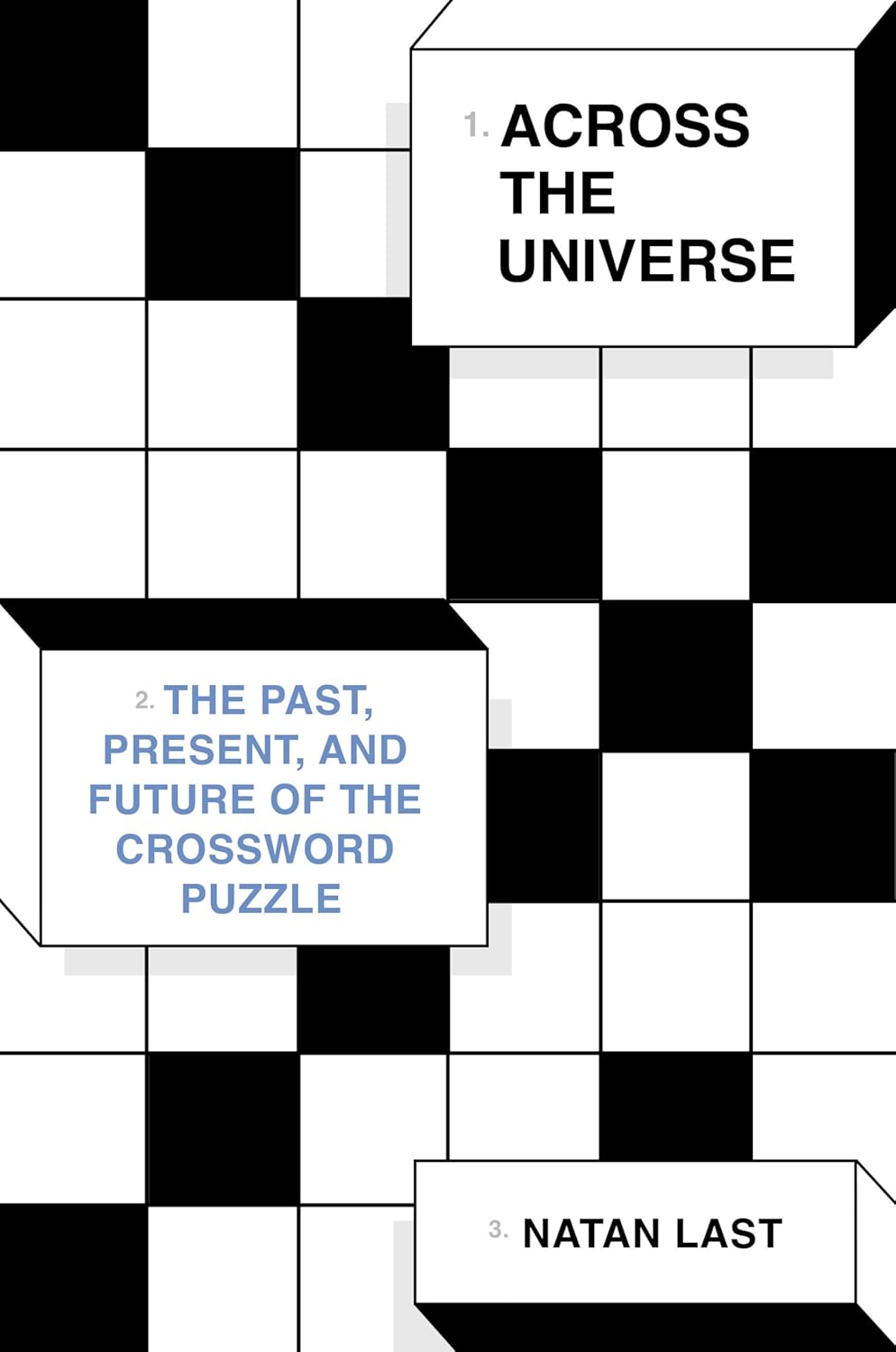
‘Across the Universe: The Past, Present, and Future of the Crossword Puzzle’
By Natan Last
Pantheon: Nov. 25, 2025
Hardcover, 336 Pages
What arts and culture topics would you like us to cover? Please email ideas or feedback to features@epochtimes.nyc
