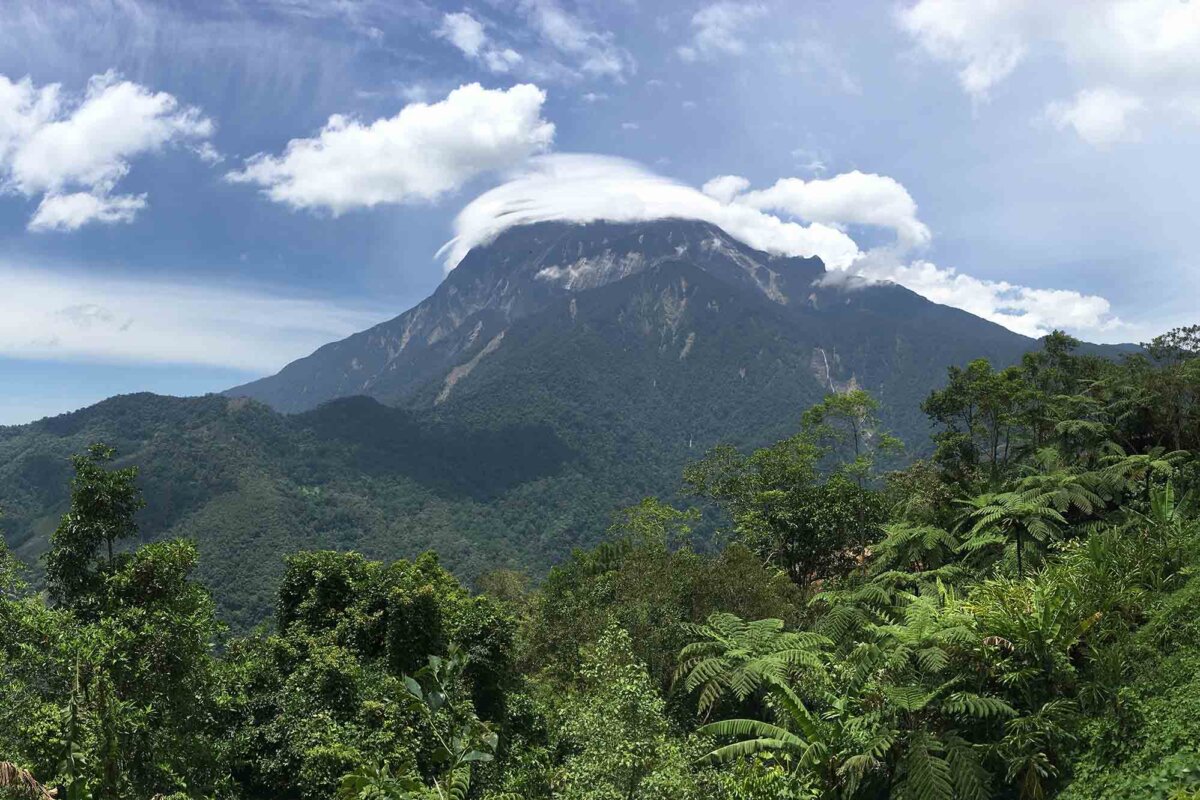
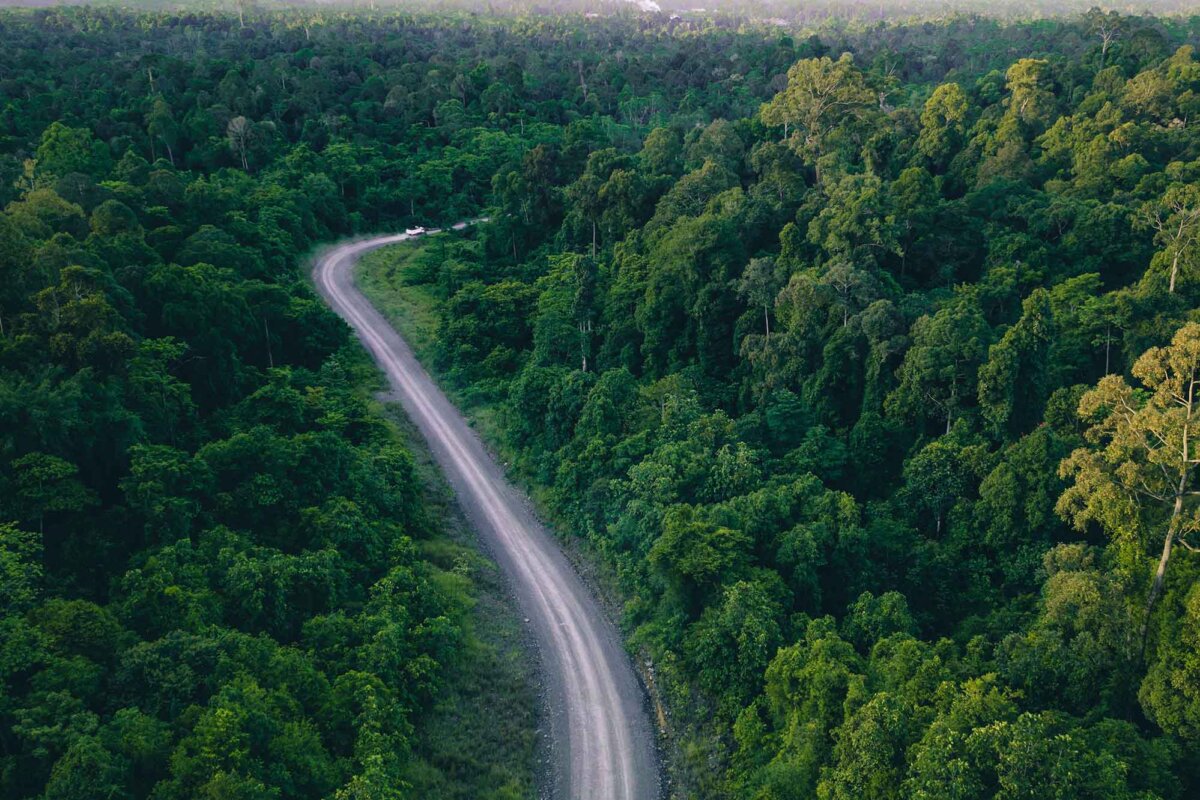
Zuhairi Yusoff flew over 1,000 miles across the South China Sea, then drove another two hours to the base of mist-shrouded Mount Kinabalu on the island of Borneo—all to capture one elusive bird.
Toting his trusty camera, Yusoff, 61, wouldn’t be disappointed after reaching Kinabalu National Park to locate the large and stunning black-throated green broadbill.
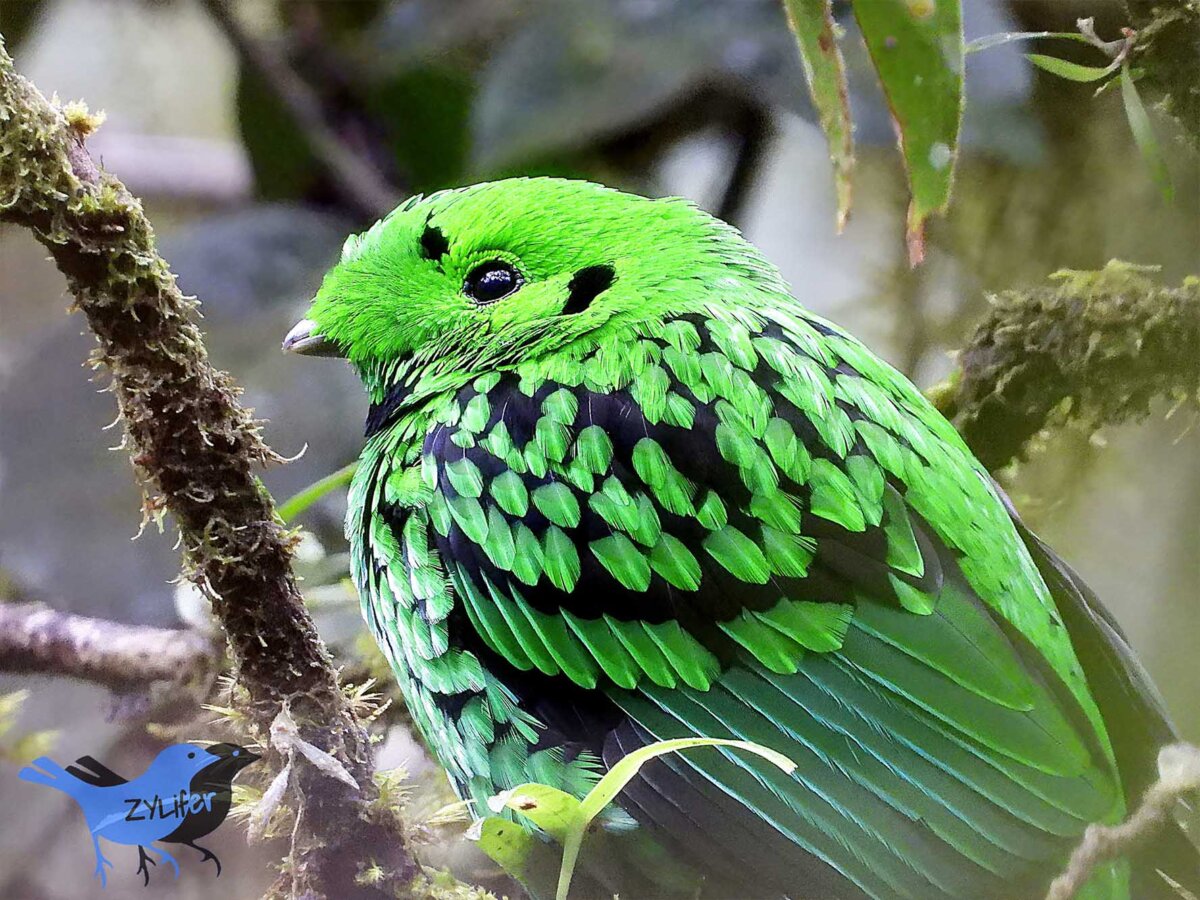
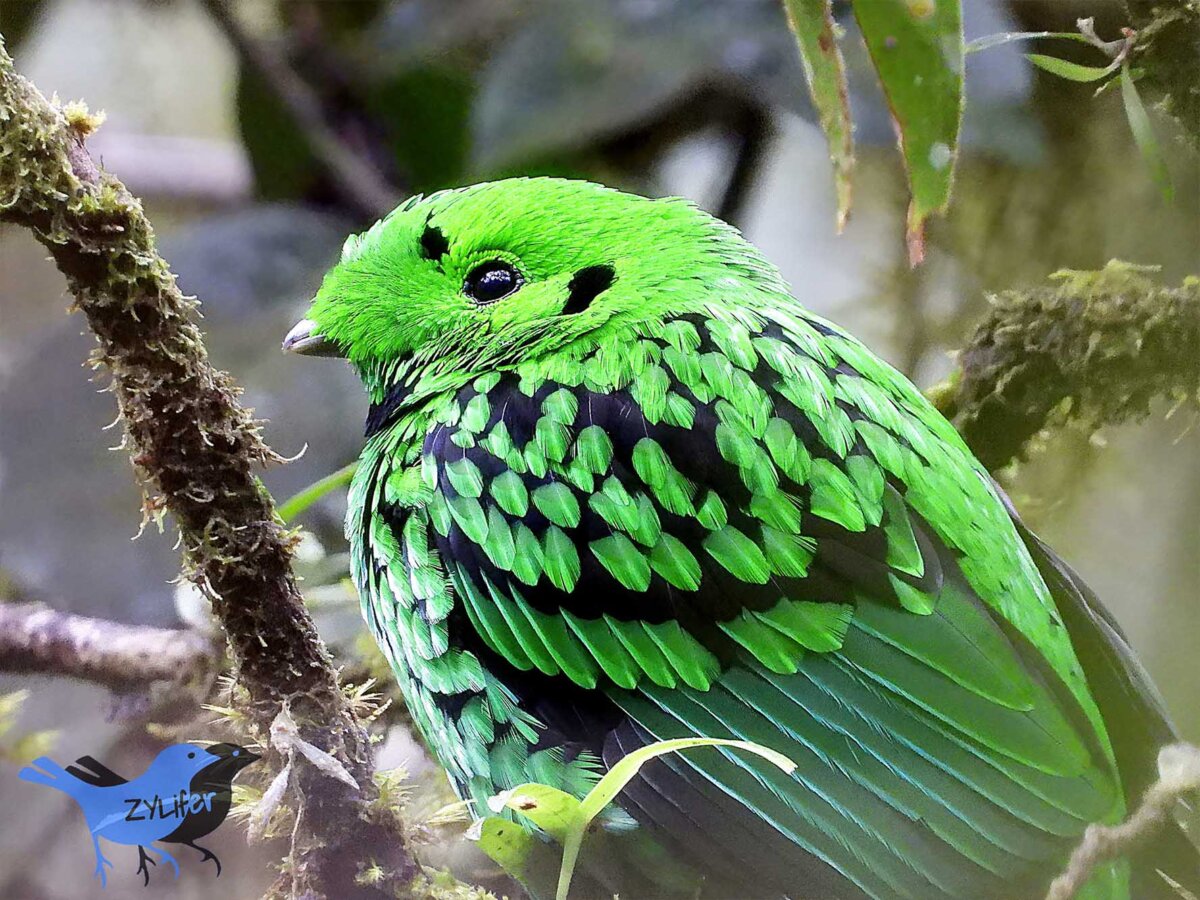
This emerald-green jewel of a bird, with its distinctive scalloped black markings and vibrant plumage, isn’t ultra rare, though it is only found in the mountain rainforests of Borneo.
Yusoff, a health-care executive from the Malaysian capital of Shah Alam, journeyed here because, for one, he’s an avid amateur bird photographer; and two, the black-throated green broadbill (also called the Whitehead’s broadbill) was number 259 on his “lifer list.”
“Capturing the Whitehead’s green broadbill was a huge milestone for me,” Yusoff told The Epoch Times. “It represents the beginning of my international birding adventures and the thrill of a successful hunt.”
On the first morning of his trip, he and four fellow birders rose early and started scouting for the broadbill right away. It wasn’t long, Yusoff says, only about an hour, before they found their avian target.
“The park’s service road, where we spent a lot of our time, is a well-known spot for finding unique highland species,” he said. “I spotted some movement in the thick forest vegetation. To my excitement, it was not one, but two Whitehead’s green broadbills.”
The birds lingered for a generous 30 minutes, he says, offering ample time to take pictures. Showing The Epoch Times several of his photos, Yusoff noted the broadbill’s “striking black crown” and “beautiful, intricate pattern.”
“That makes them a true prize for any photographer,” he said.
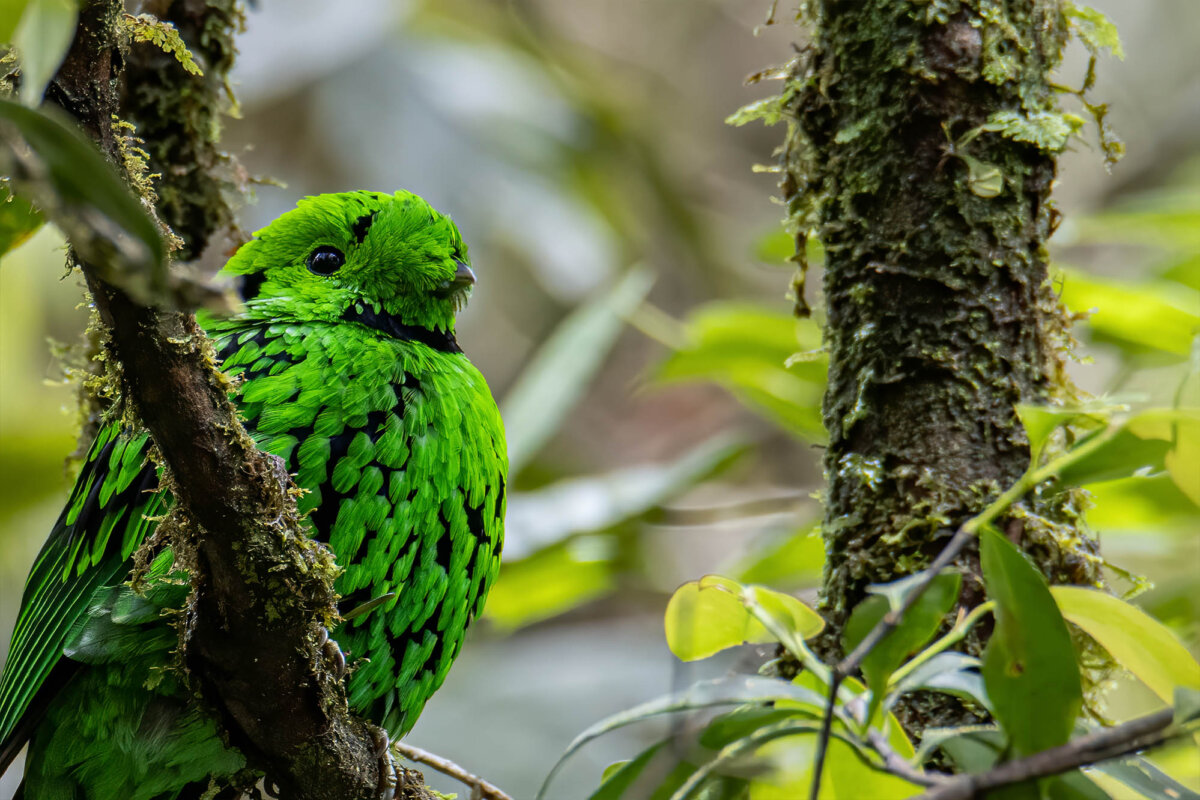
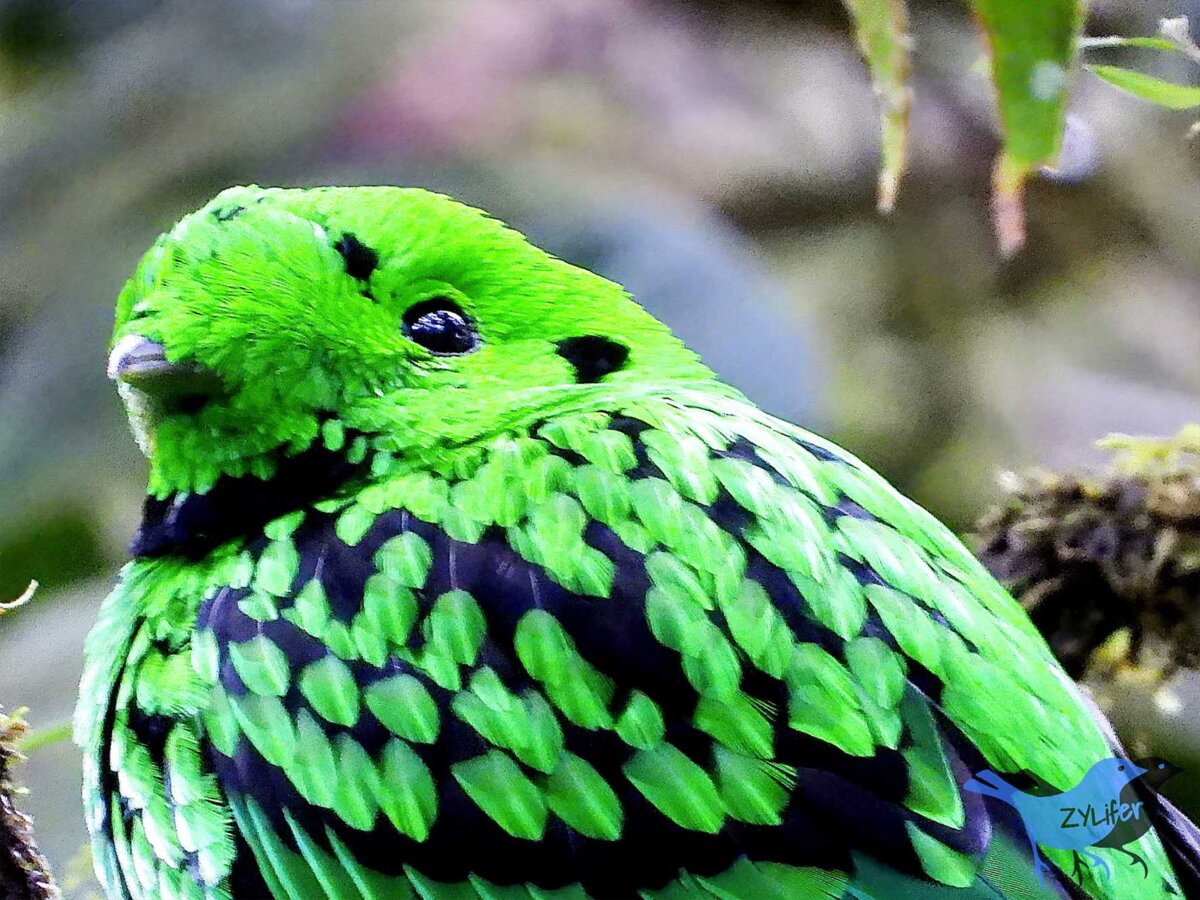
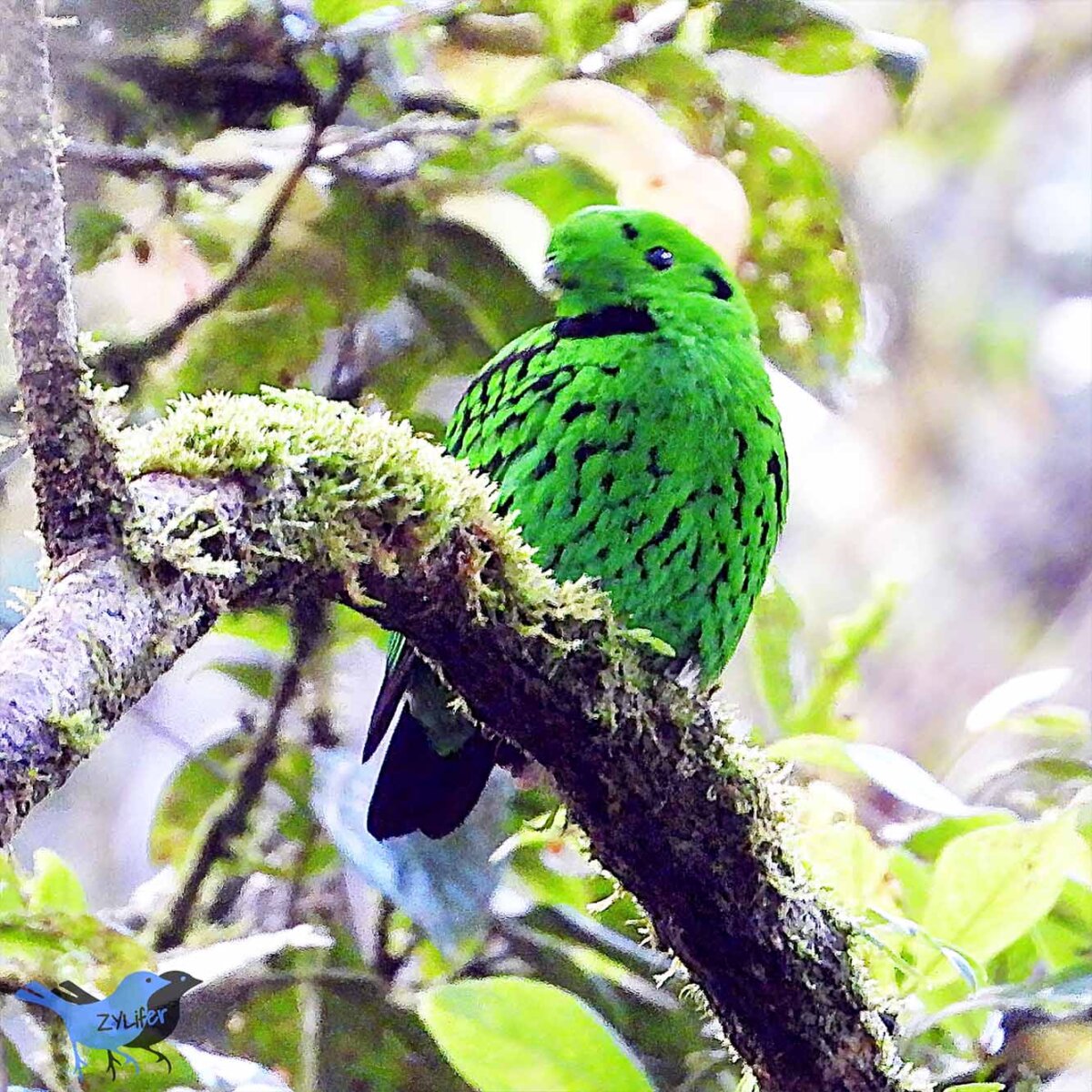
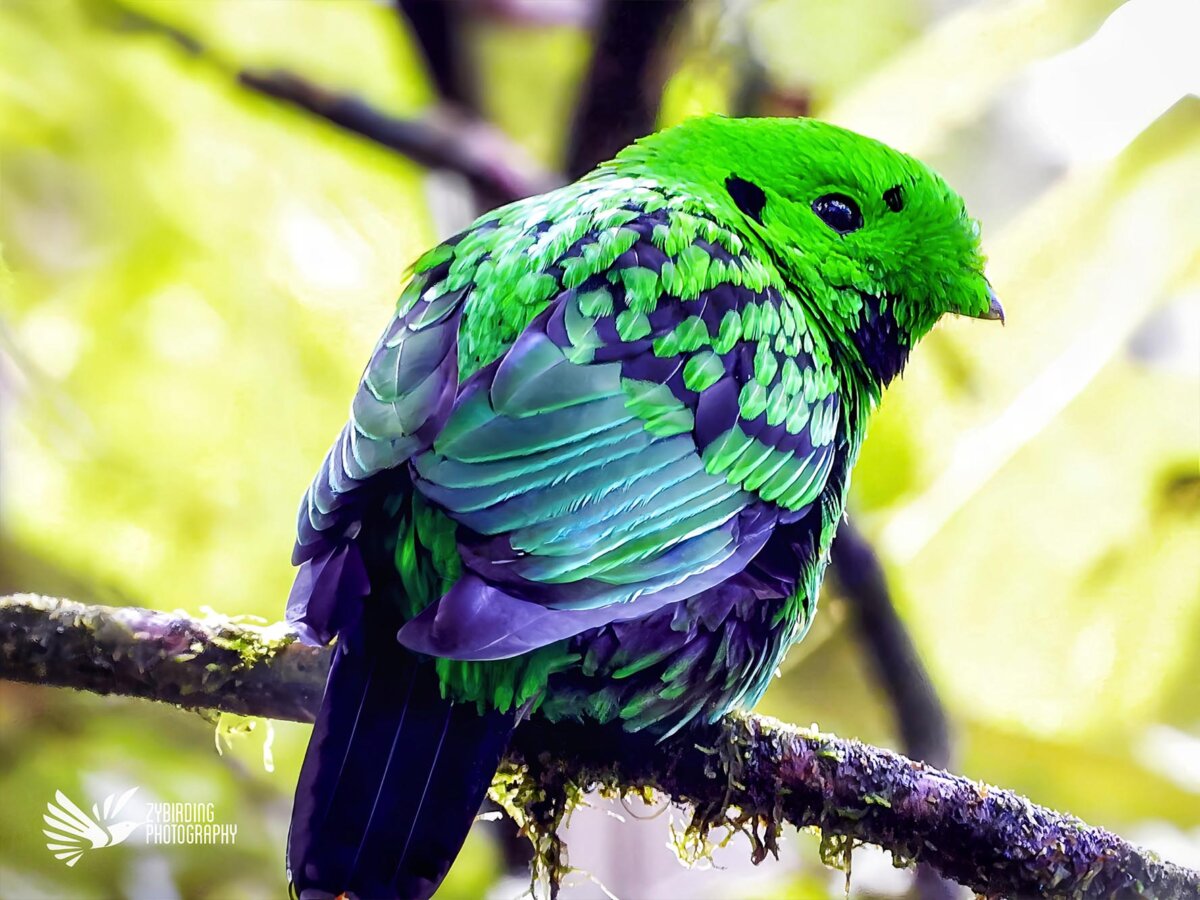
Speaking of features, the Whitehead’s broadbill’s prominent forehead tuft is more pronounced in males. Their feather patterns are also sex-specific. Females lack the black spots that adorn males’ heads and ear coverlets. Males are also larger, measuring as long as 27 centimetres (10 inches), offering plenty of plumage to photograph.
Echoing through the forest in their distinctive staccato cadence, Whitehead’s broadbills can be heard even when they can’t be seen. Their calls can sound like an “eek-eek-eek” or a sharp metallic “tlak!” followed by a grating rattle.
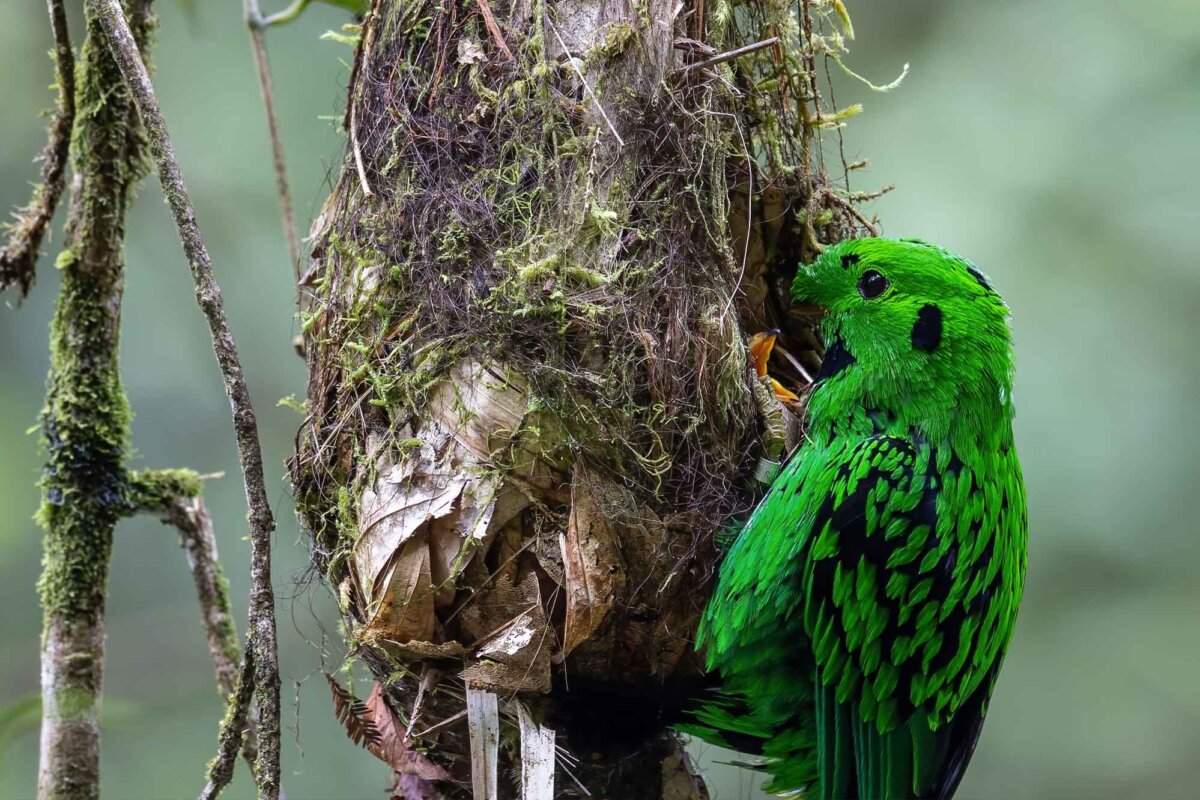
Though they may be heard, one won’t necessarily see these birds. Not only does their green plumage blend in with the deep-green forest, so do their nests. Whitehead’s broadbills build nests out of dry bamboo leaves, then cover them with fresh green moss and tails of hanging lichen, blending in with their surroundings. Days after mating, from March to June, those nests may contain one to two pale yellow eggs.
To photograph the elusive birds, Yusoff optimized his camera’s exposure by manually controlling shutter speed and aperture to compensate for the low light of the forest. He uses a Nikon Coolpix P1000 with a powerful Nikkor 600 millimeter lens.
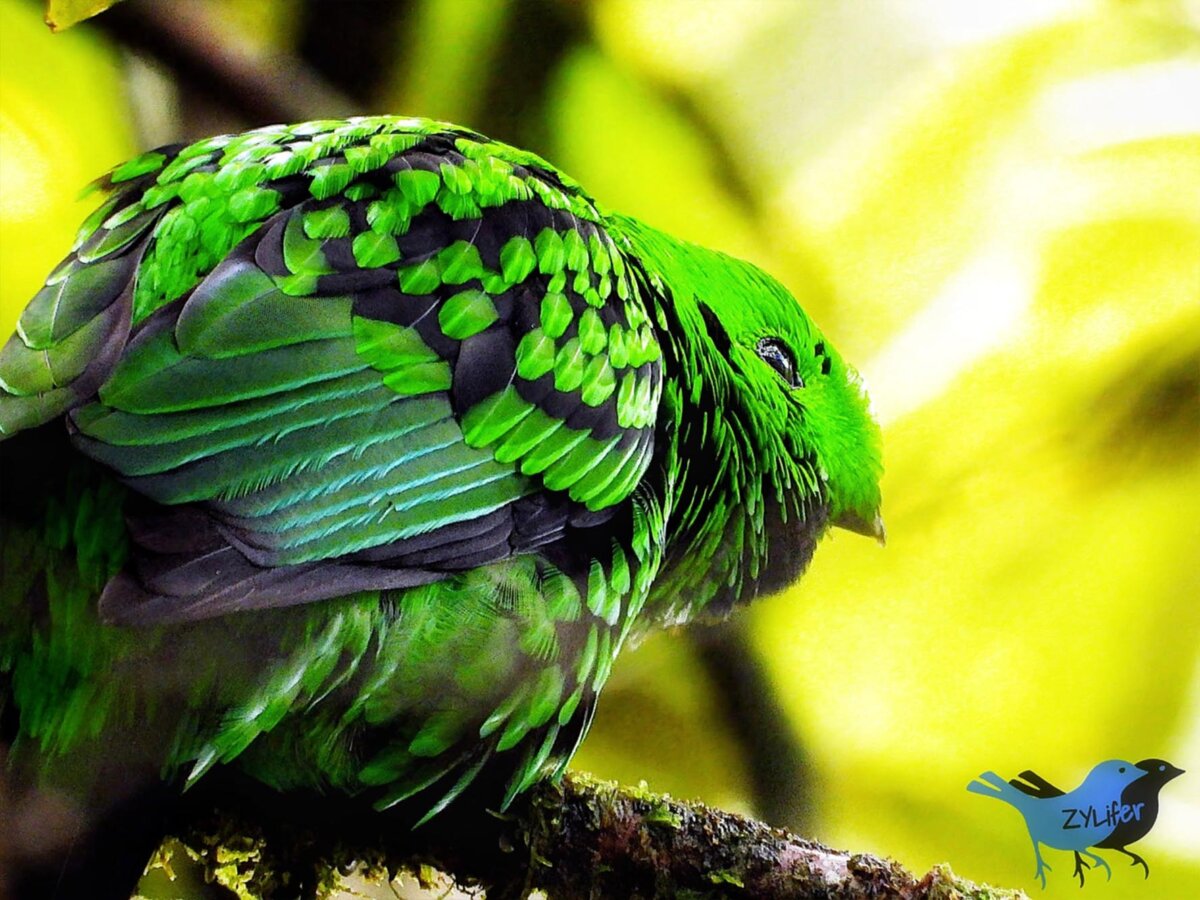
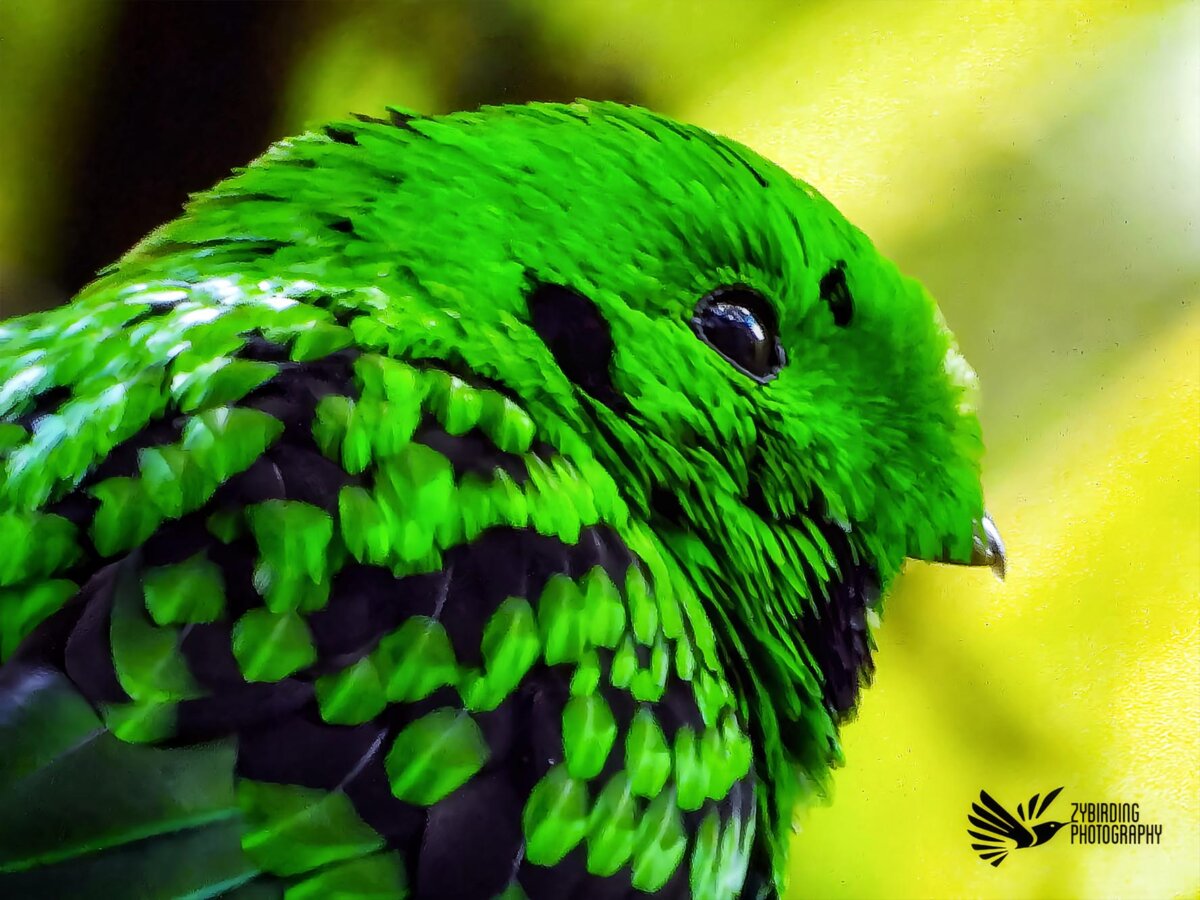
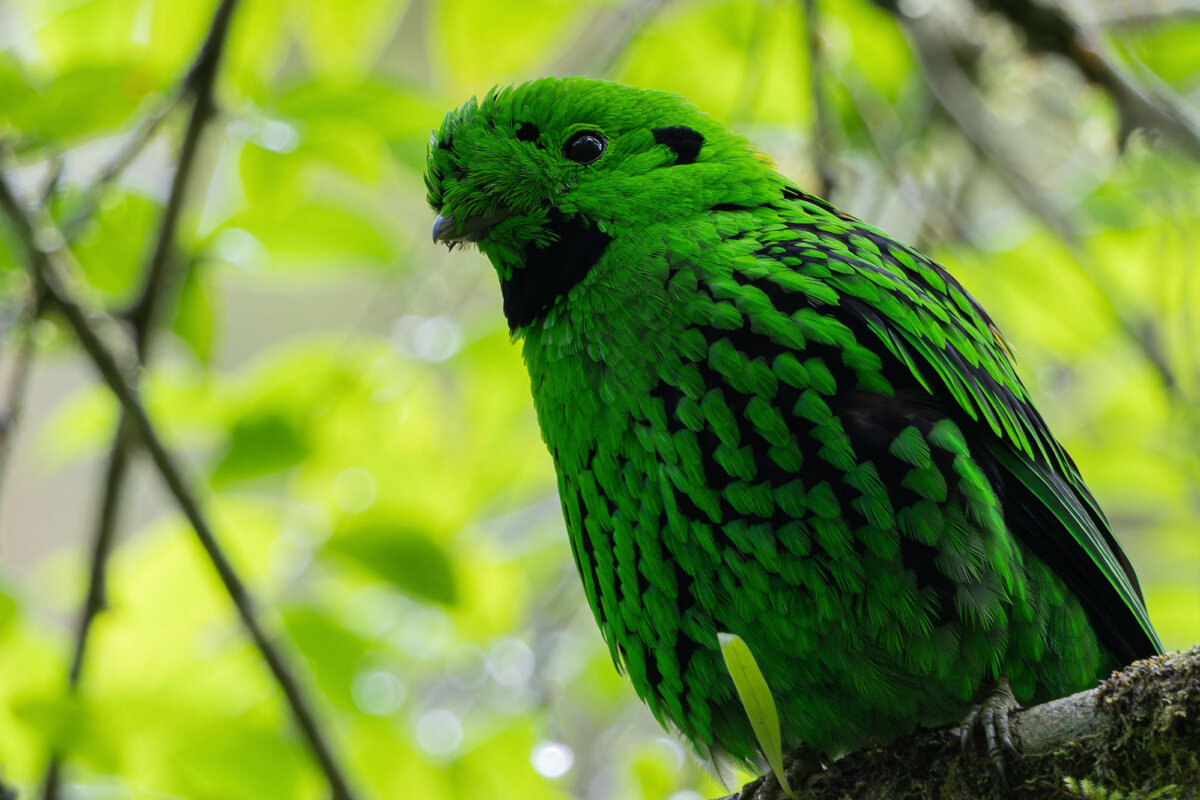
“My deepened understanding of the medium enables me to tell more powerful stories and create artistic images,” he says. “I aim to capture unique moments—such as birds with beautiful bokeh backgrounds, interesting behaviors, or dramatic lighting.”
Yusoff’s considerable camera skills took time to develop, he says. His photography journey began humbly in 2021, using a phone to take photos. His inspiration was sparked by professional wildlife photography he’d seen online that could capture “the glint in an animal’s eye or the perfect composition of a bird in flight,” and he soon wanted to take his work to the next level. Buying better and better equipment over the years, he mastered the exposure triangle then learned to tell stories through his photos.
Eventually, Yusoff learned to zoom in with a macro lens to reveal the micro world that goes unseen right under our noses. Using sophisticated techniques, his macrophotography captured the shimmering eye clusters of ultra-tiny bugs and spiders.
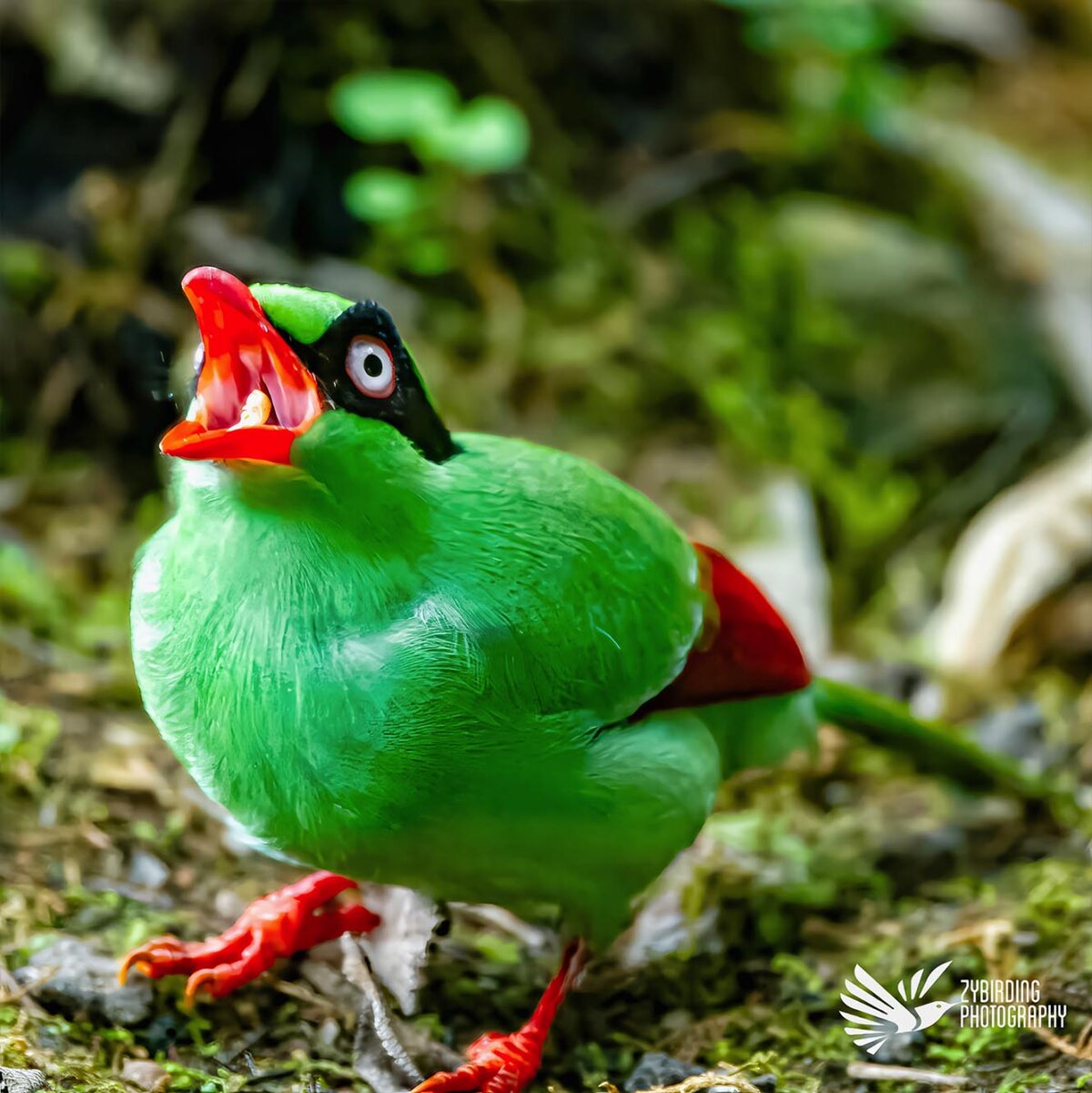
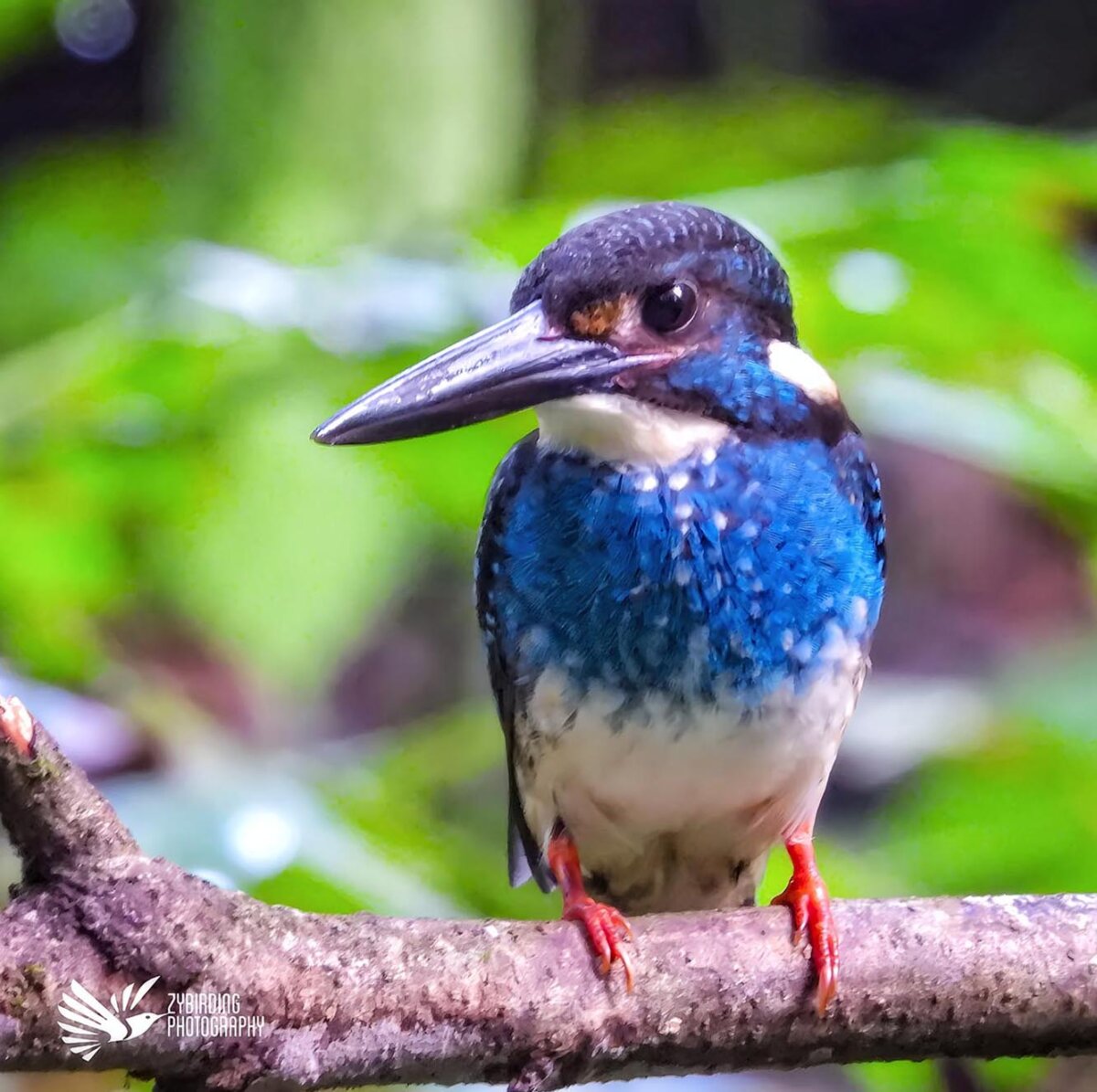
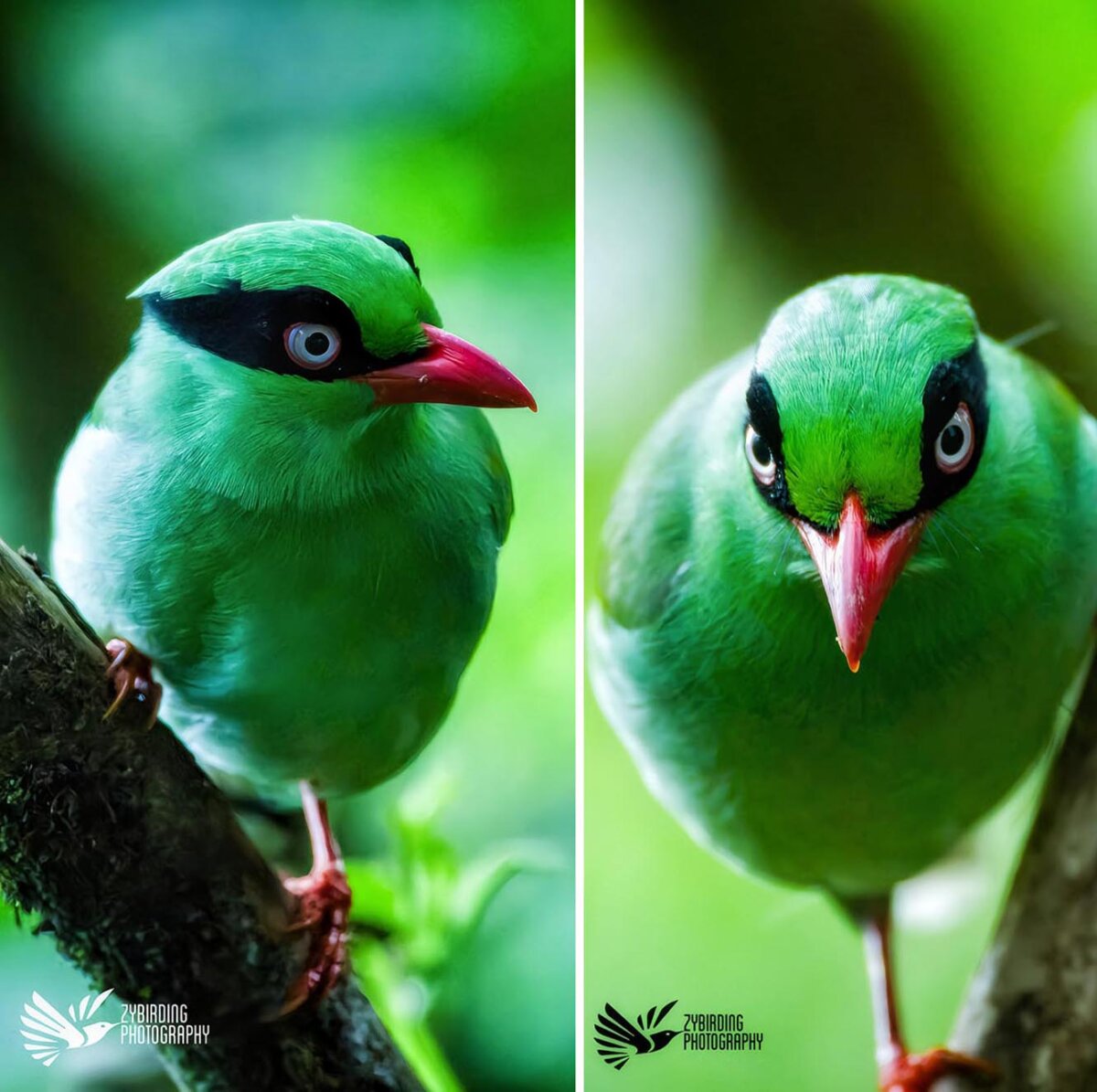
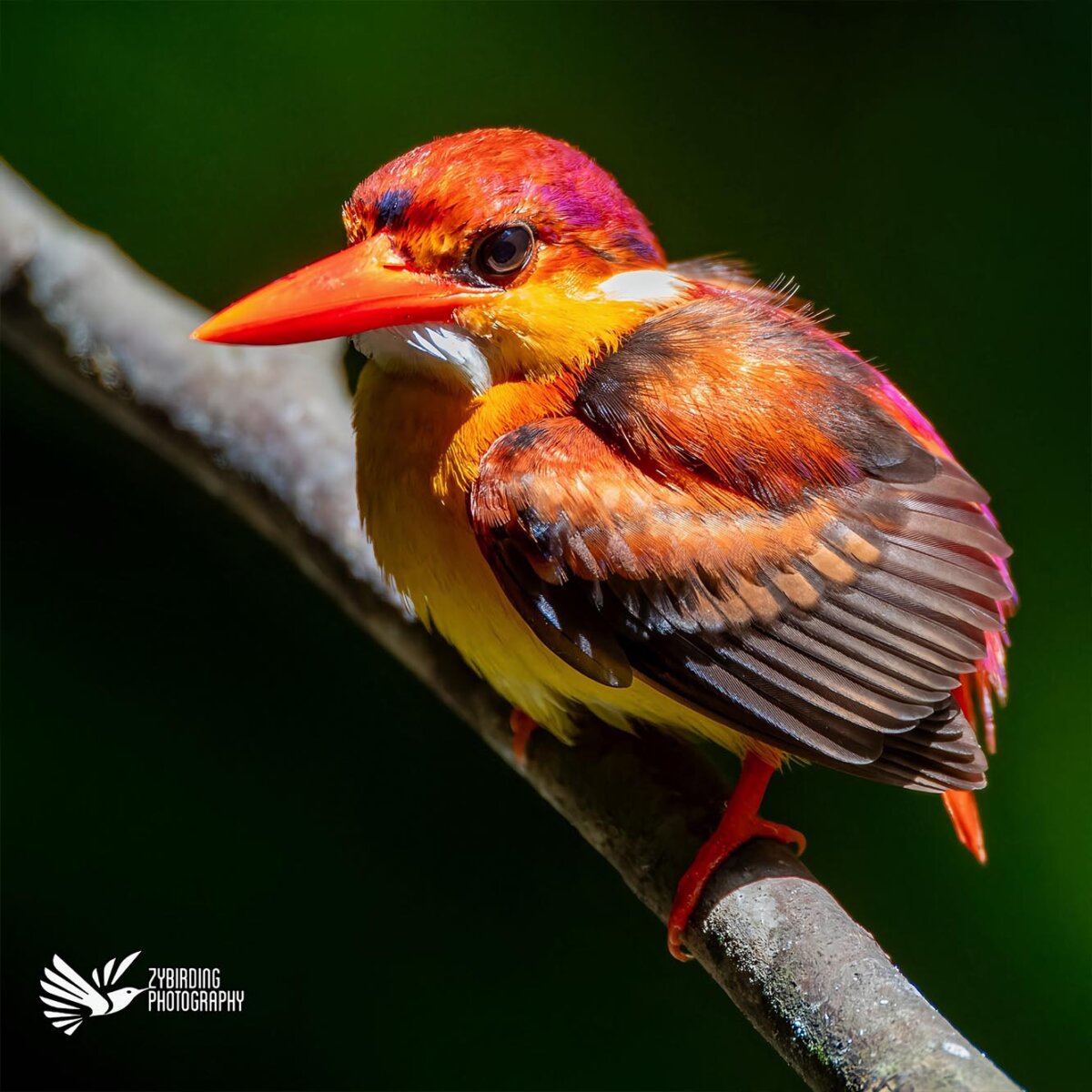
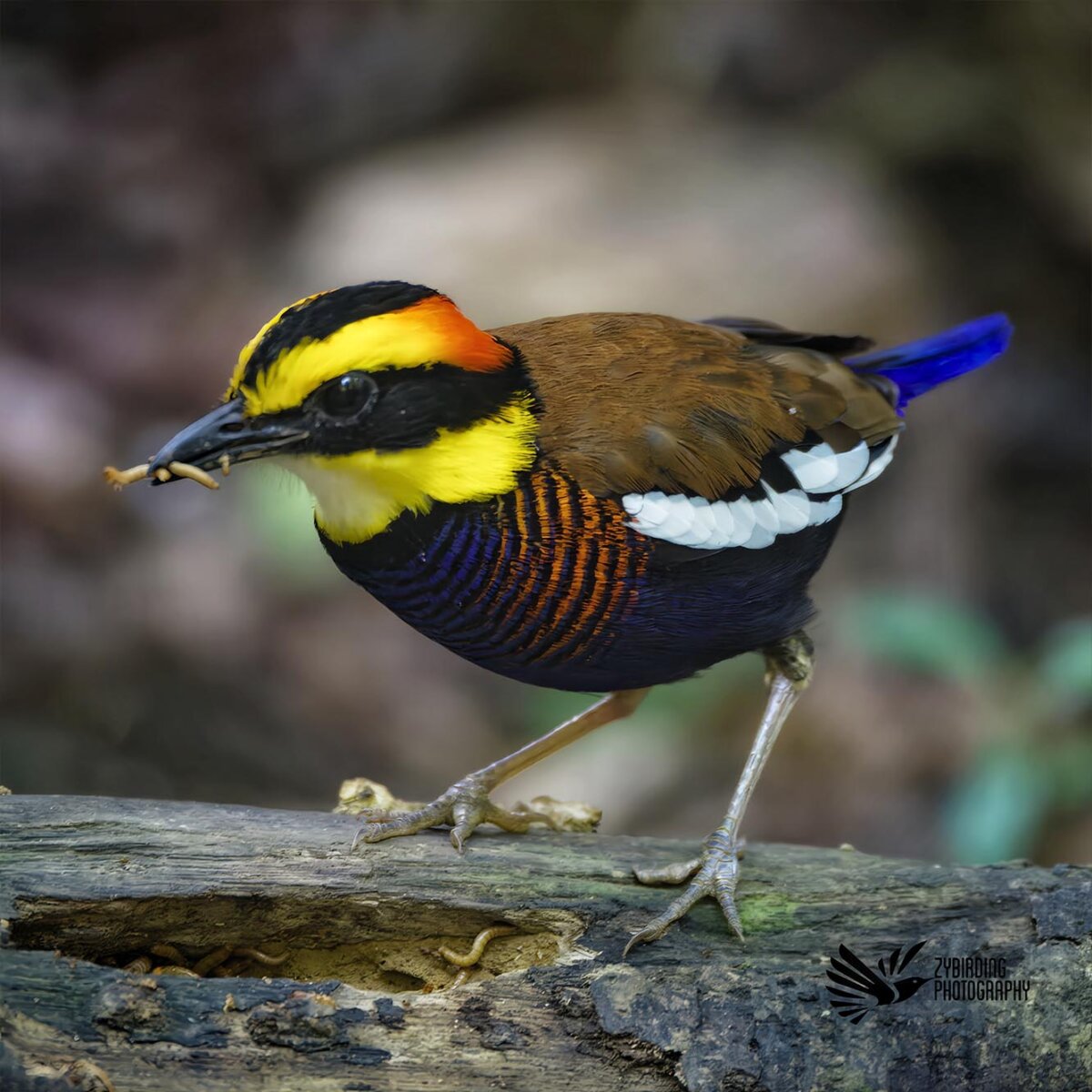
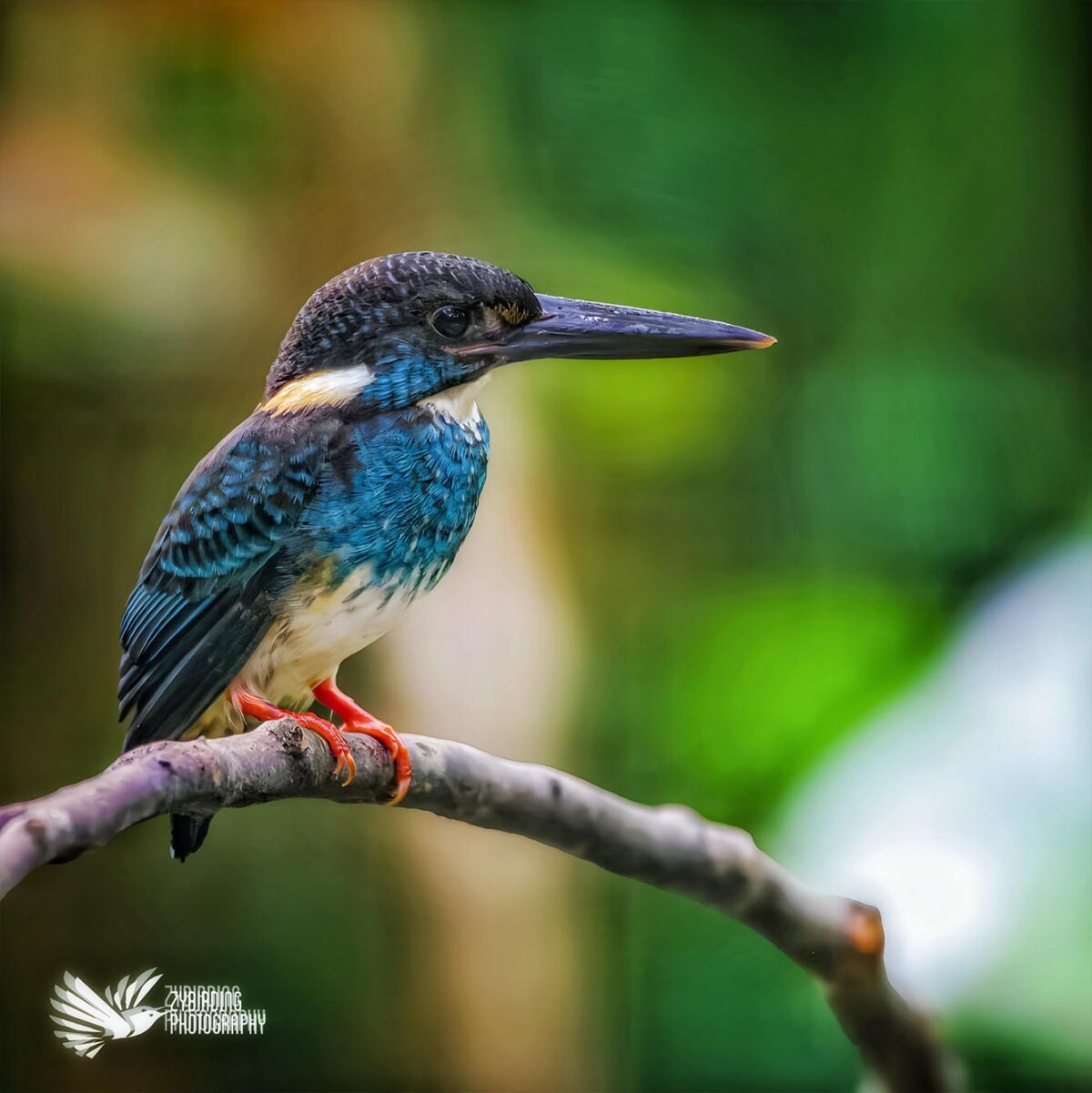
Once he was hooked on photographing birds, Yusoff began globetrotting to photograph myriad avian species, though he says Malaysia is where his heart and main subject matter is. He’s captured the rufous-backed kingfisher at Sungai Congkak Recreational Forest and the Bornean green magpie in Sabah. Sometimes trips yield multiple species; he snapped three species of broadbills during one excursion—the banded, the black, and the red broadbills—all in the same park.
“My ultimate goal is to expand my bird photography beyond Malaysia, and I’ve created an international bucket list with that in mind,” he said. “In the next two to three years, I’m hoping to visit a number of countries that are renowned for their incredible and unique birdlife.”
Having returned home from a trip to Sungai Congkak Recreational Forest in August, Yusoff now plans to visit Taman Negara Sungai Relau in Peninsular Malaysia.
“I’ve been tipped off that there’s a special fruiting tree there that’s a magnet for all sorts of local birds,” he said. “This trip is all about variety, as the fruiting tree is also said to attract smaller birds like flowerpeckers and sunbirds.”
More Photos By Zuhairi Yusoff