



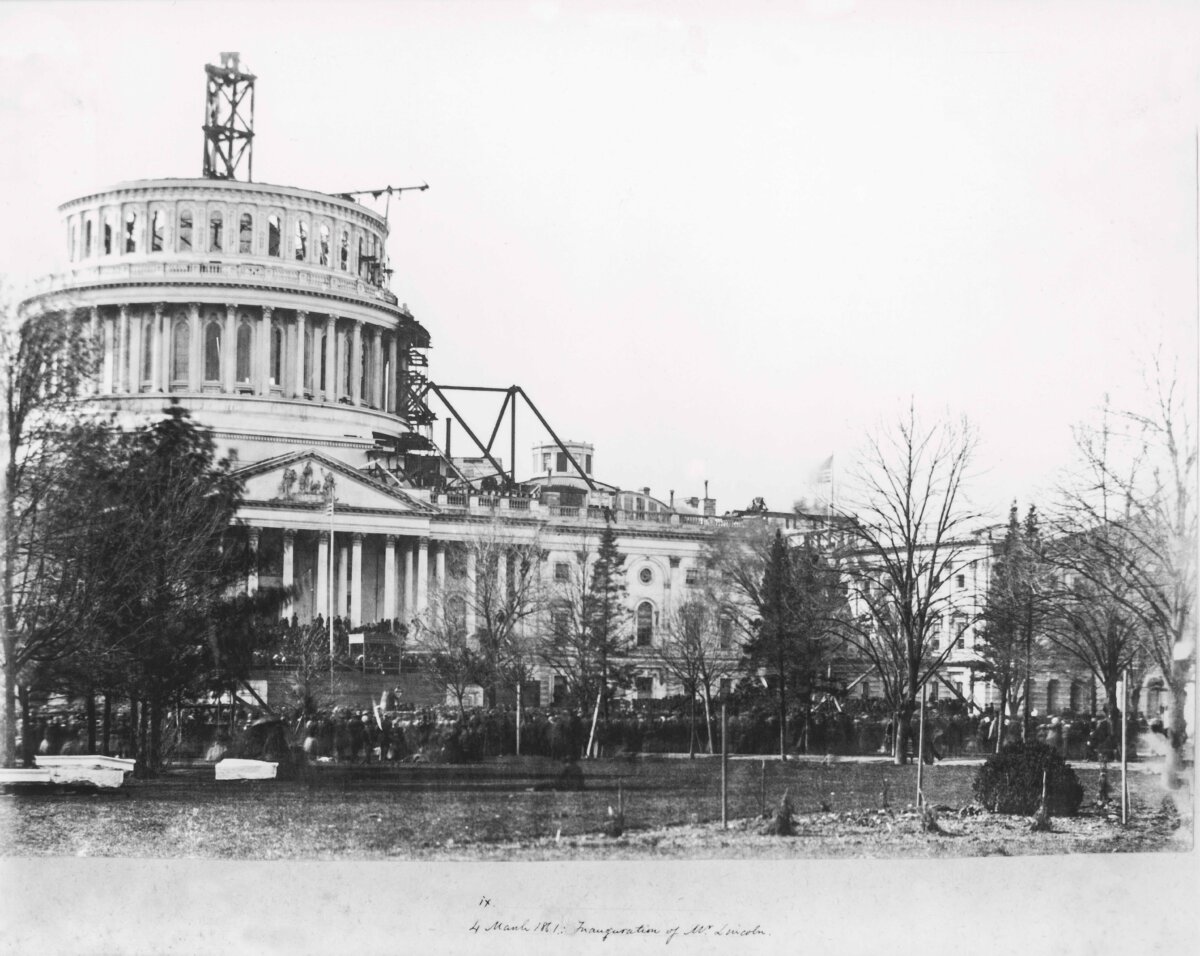
California Gold Rush
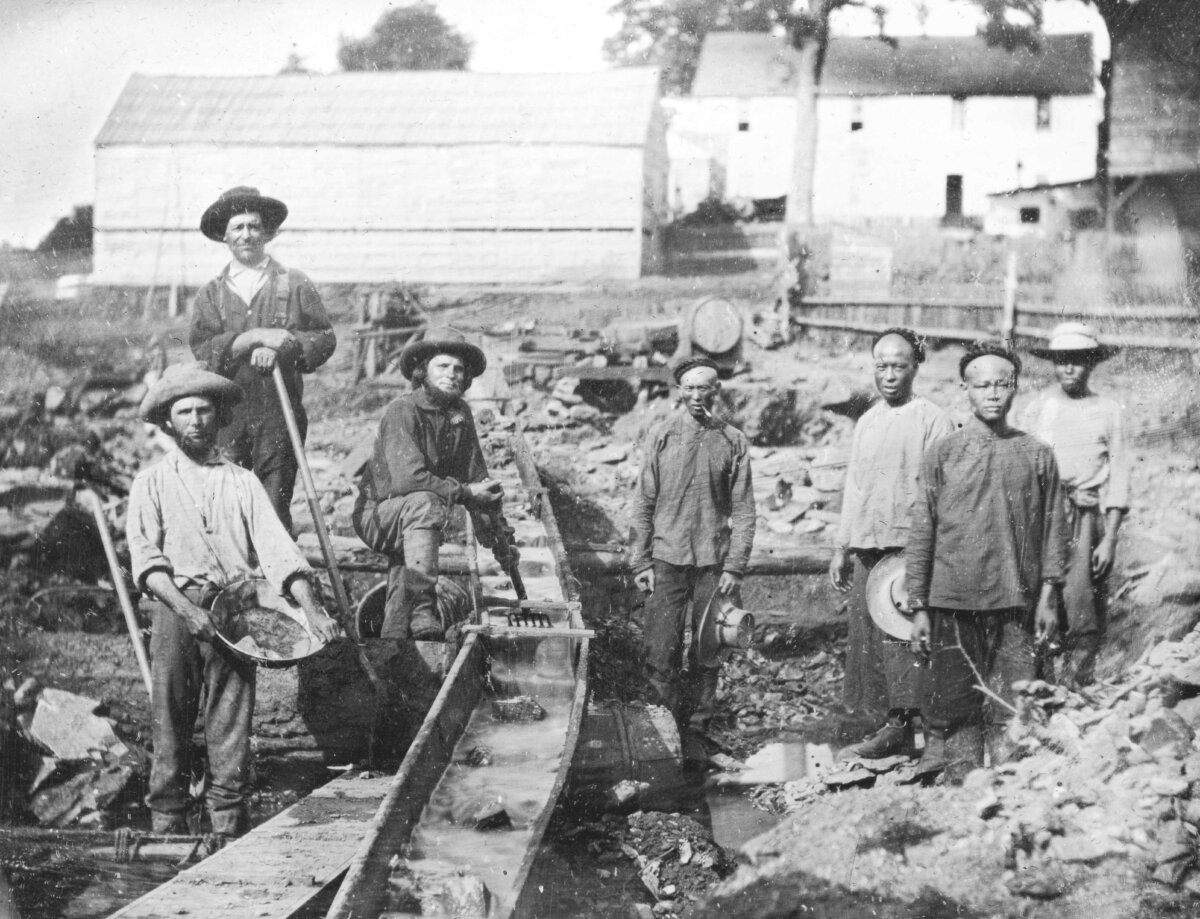
Many Chinese immigrants came to the United States during the California Gold Rush, drawn by the promise of gold. They eventually became a significant source of labor for the developing economy of the West, initially working in mines before shifting to industries like agriculture, factory production, and the construction of the transcontinental railroad. This image depicts a group of white and Chinese gold miners operating a sluice box at Auburn Ravine, Calif., in 1852. (Fotosearch/Getty Images)
Women in War
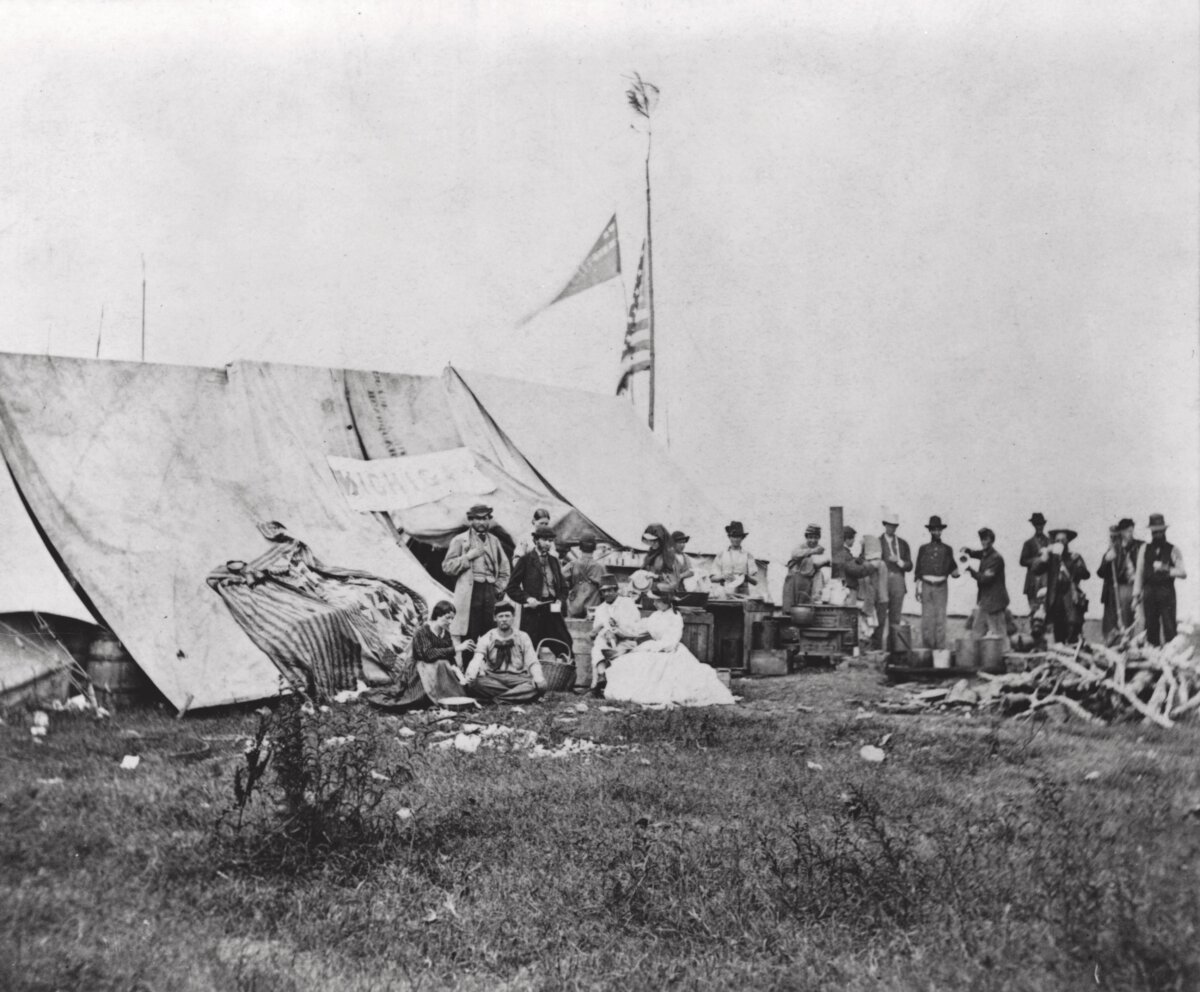
Ladies from the Michigan and Pennsylvania Relief Association minister to wounded and sick Union soldiers in a field hospital in 1861. Women played a key role during the Civil War, many of them serving as nurses in field hospitals or aiding the war effort in other capacities. Nurses changed bandages, administered medicine, and helped patients eat, dress, and wash. They also offered comfort to soldiers by praying with them, reading to them, or writing letters for them. (MPI/Getty Images)
Antietam
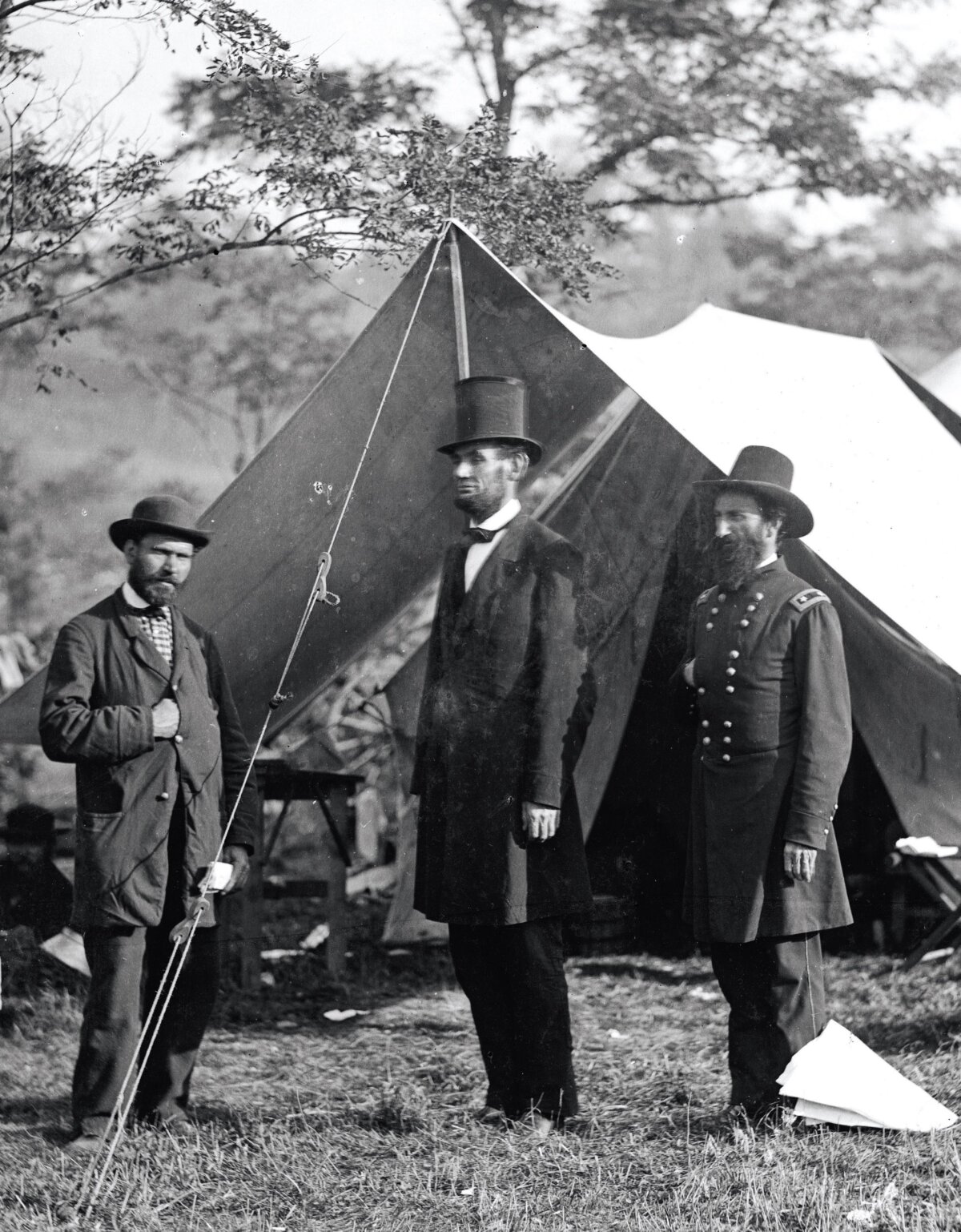
President Abraham Lincoln (C) meets with Maj. Gen. John A. McClernand (R) and Maj. E.J. Allen (pseudonym of Allan Pinkerton, chief of the Union’s Secret Service) at the headquarters of the
Army of the Potomac near Antietam, Md., on Oct. 4, 1862. (Public Domain)
Finishing the Transcontinental Railroad
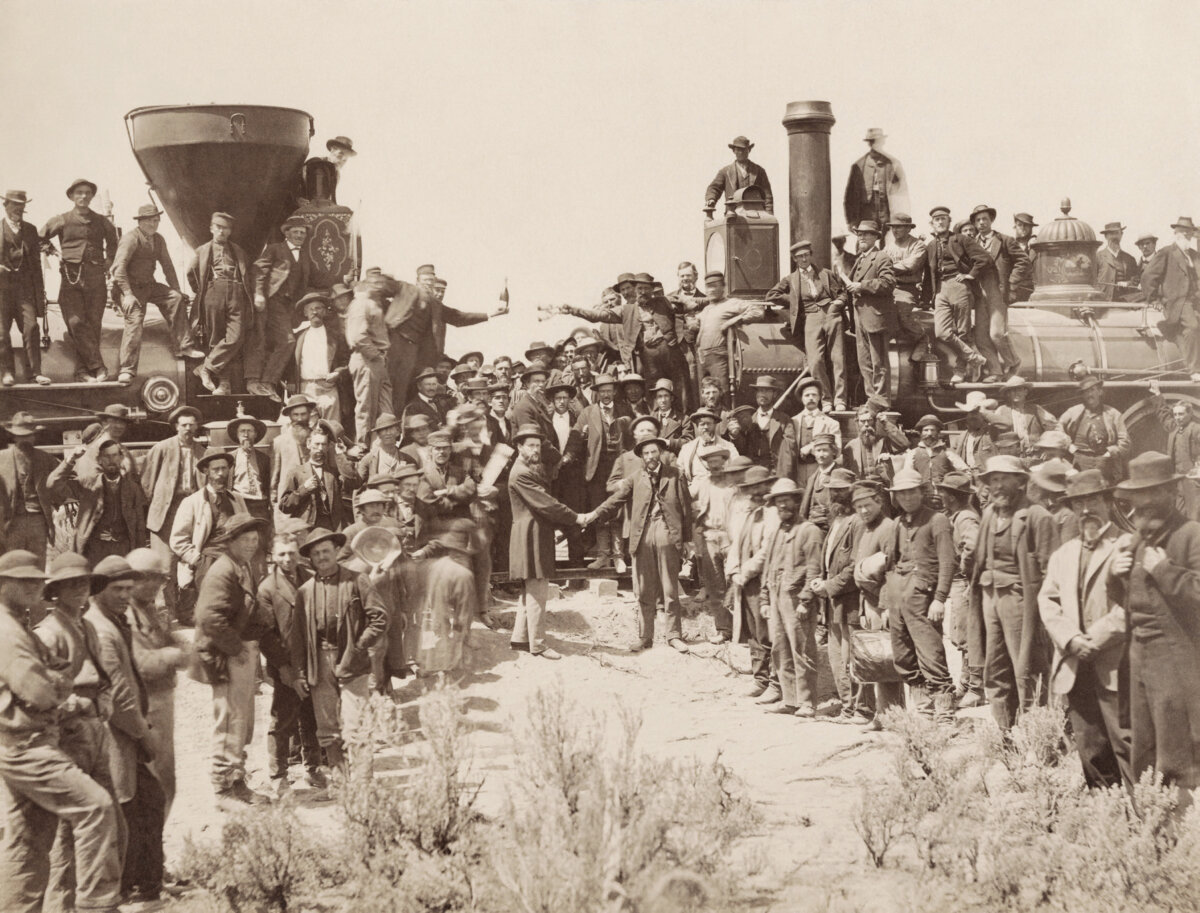
It took six years for Central Pacific and Union Pacific to lay the tracks for the 1,912-mile-long transcontinental railroad, which made it possible to travel from New York to California in just seven days. Upon its completion, Central Railroad president Leland Stanford hammered a ceremonial golden rail spike into the tracks at Promontory Summit, Utah, on May 10, 1869. (Public Domain)
Native American People in Alaska
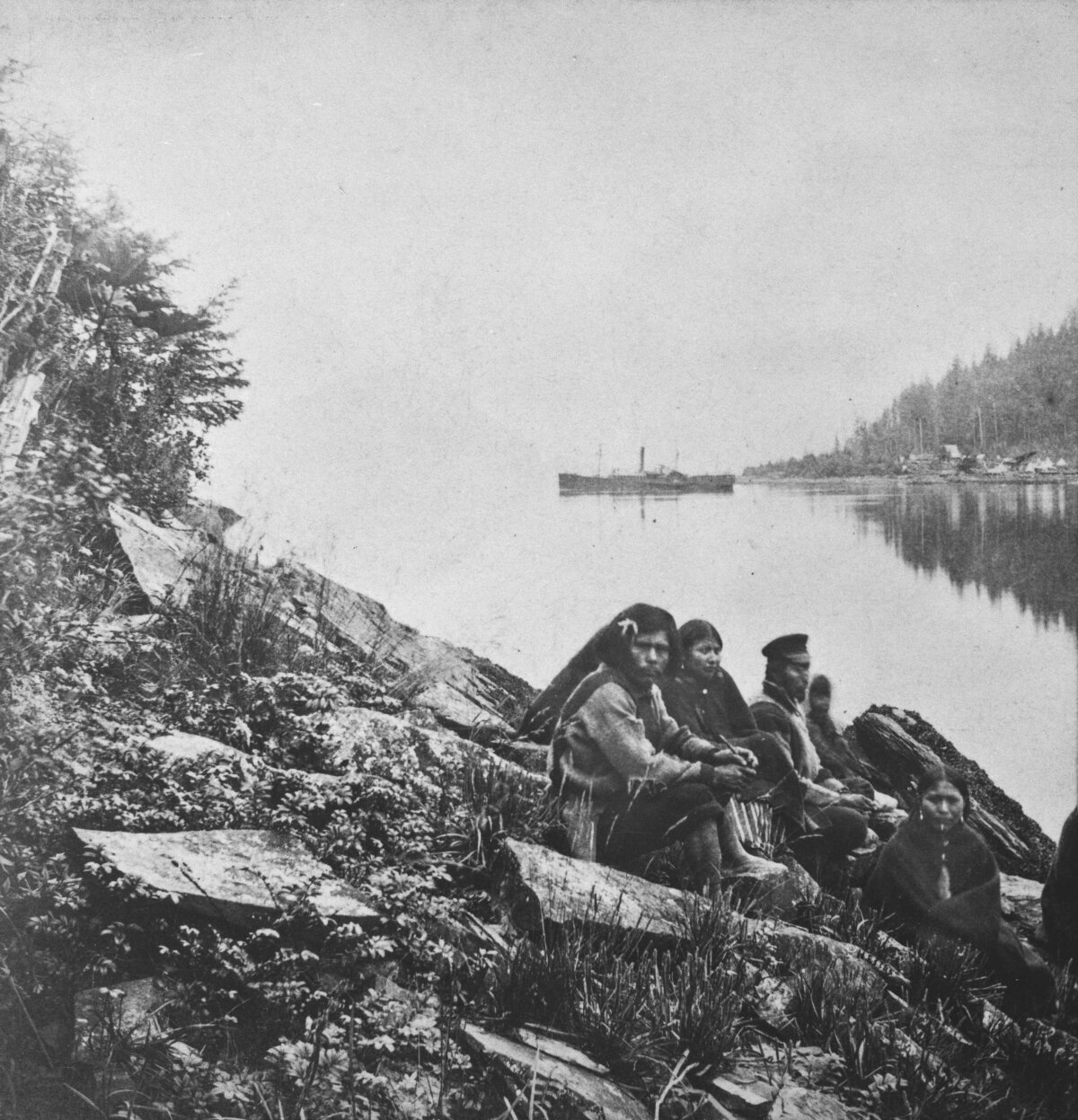
A group of Tlingit people sit on Shustak’s Point, with the SS Pacific and Fort Wrangel, Alaska, in the background, circa 1868. (Eadweard Muybridge/Getty Images)
Old Faithful
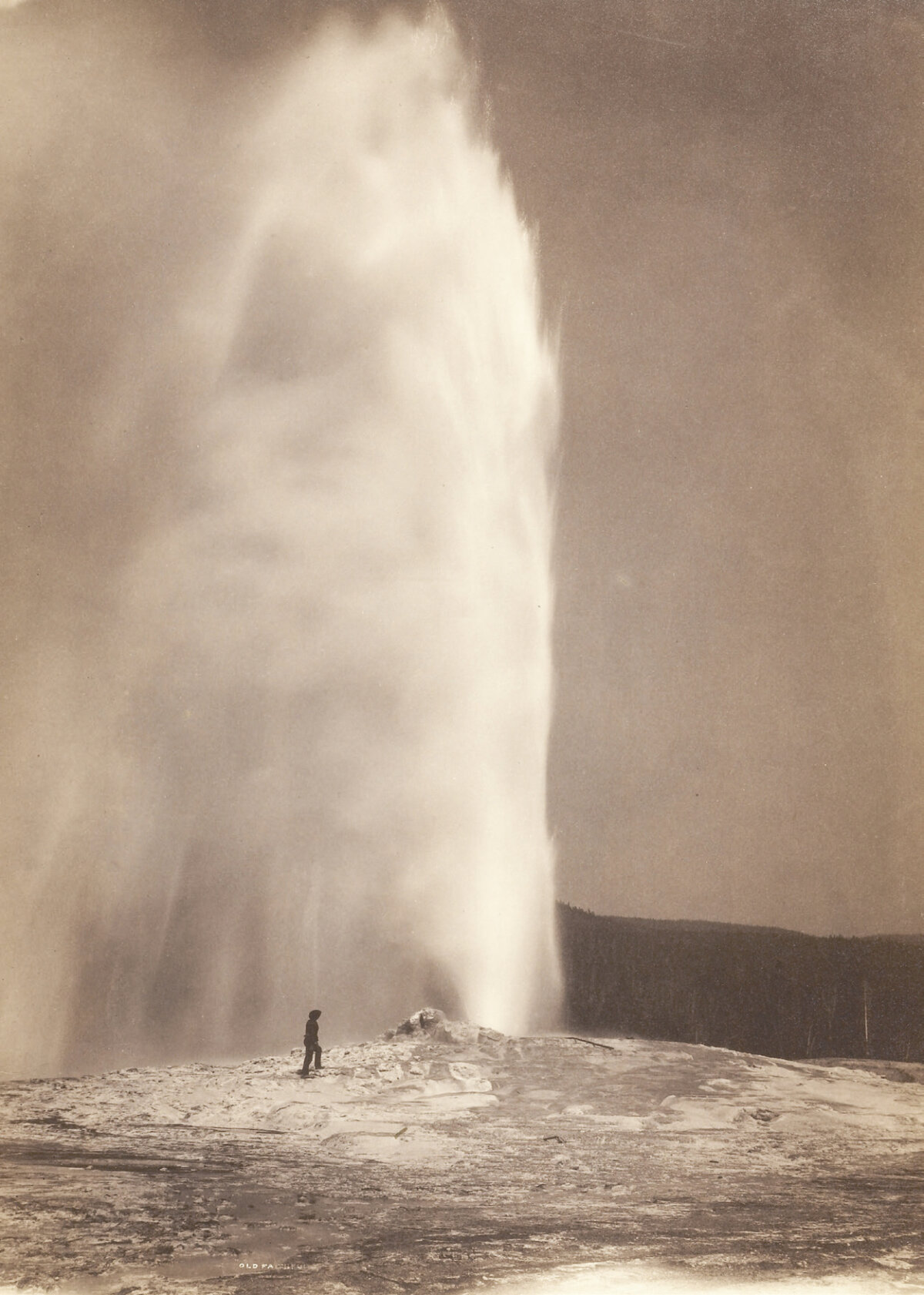
A photo of the Old Faithful geyser taken by William Henry Jackson, a prominent photographer who captured images of the American West, in Yellowstone Valley, 1870. Yellowstone was established as a national park in 1872. (Public Domain)
The Great Chicago Fire
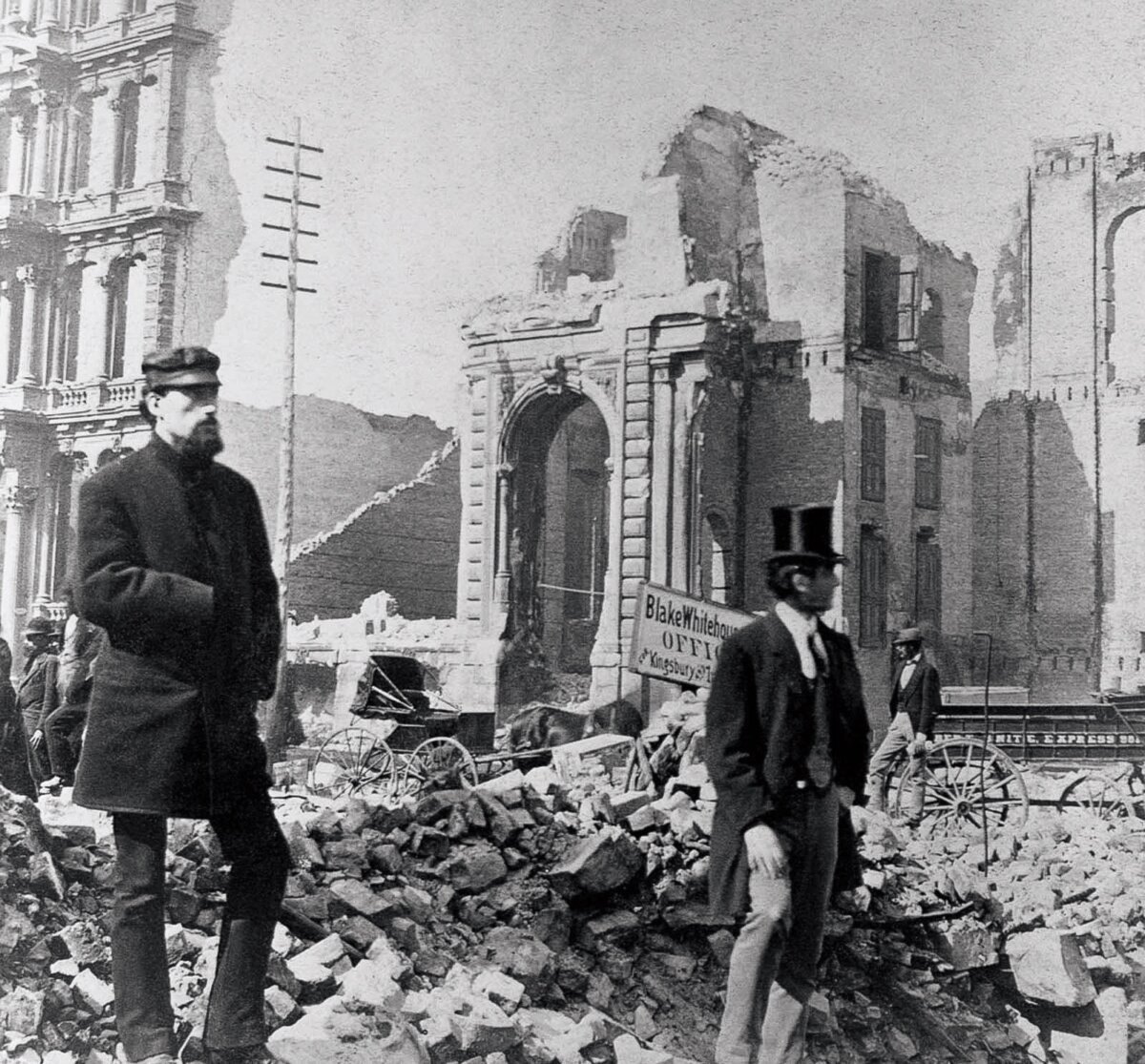
An image capturing the devastation of the Great Chicago Fire on the northwest corner of Washington and LaSalle Streets in Chicago in 1871. The fire started in a barn on Oct. 8 and quickly spread among the city’s wooden buildings, destroying approximately 3.3 square miles of the city—including over 17,500 structures— and leaving one-third of Chicago’s population homeless. (Public Domain)
The Statue of Liberty
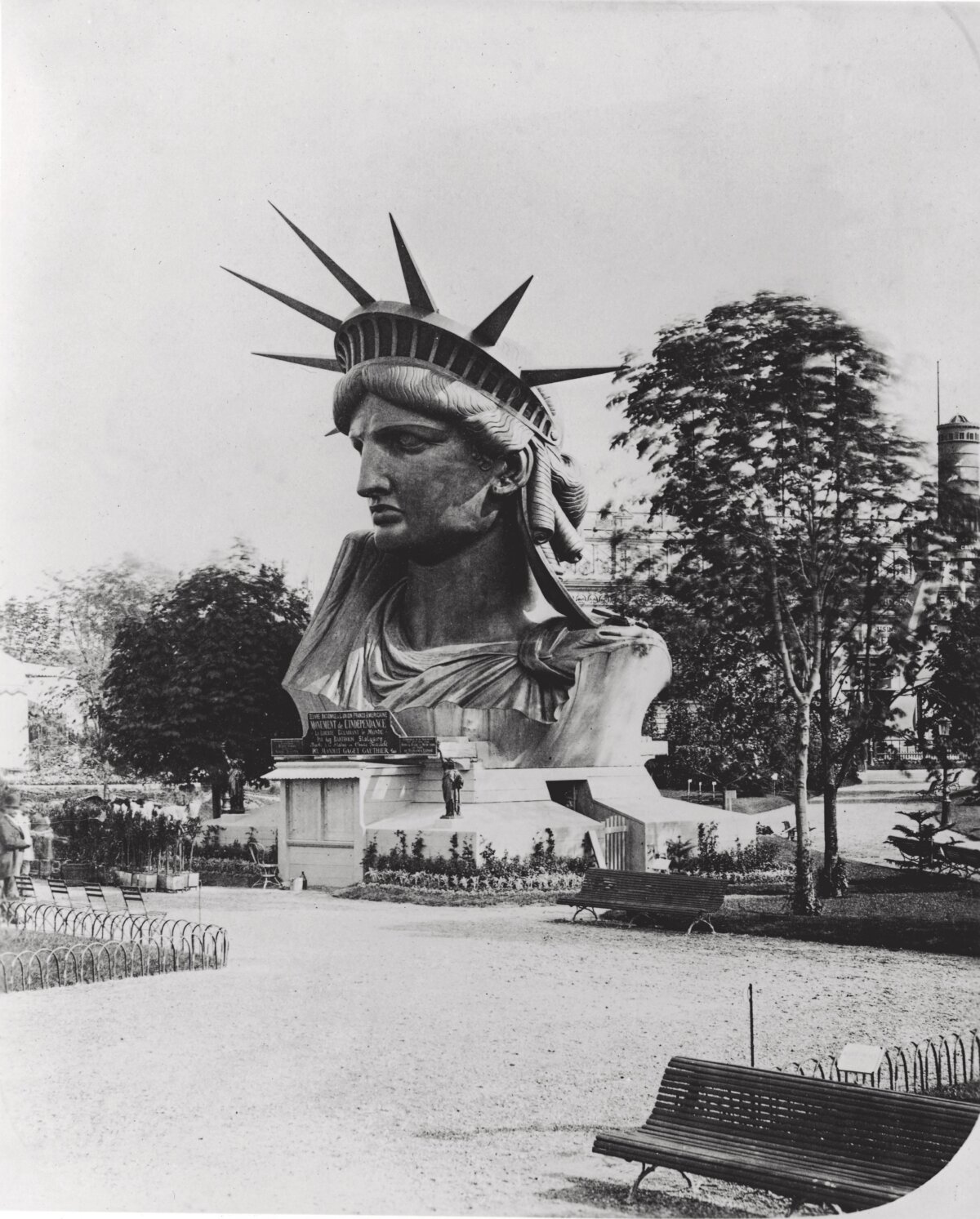
The Statue of Liberty’s head on display in the Garden of the Trocadéro, Paris, during the Paris Exposition of 1878. The French people, though originally skeptical of the project, came to call the statue the Lady of the Park. (FPG/Getty Images)
Flight at Kitty Hawk
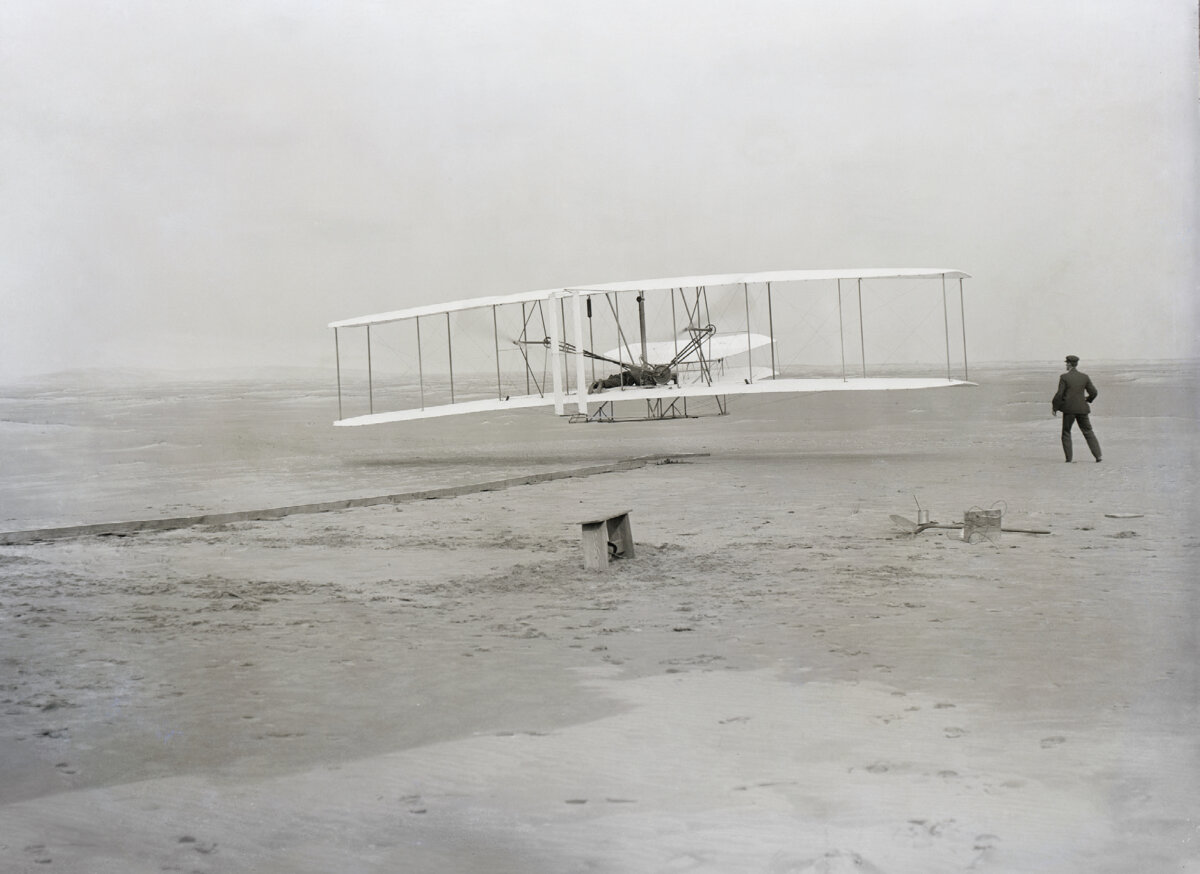
Orville and Wilbur Wright (R) achieved the first powered, controlled flight of a heavier-than-air machine near Kill Devil Hills, N.C., on Dec. 17, 1903. Orville manned the aircraft, lying prone on the lower wing to operate the craft’s innovative wing-warping control system, while Wilbur ran alongside for the first few steps to balance it. The Flyer flew 120 feet for 12 seconds before landing on the sand, making history as the first true flight. The brothers made three more flights before the day’s end, with the longest covering 852 feet in 59 seconds. (Public Domain)
Breaker Boys
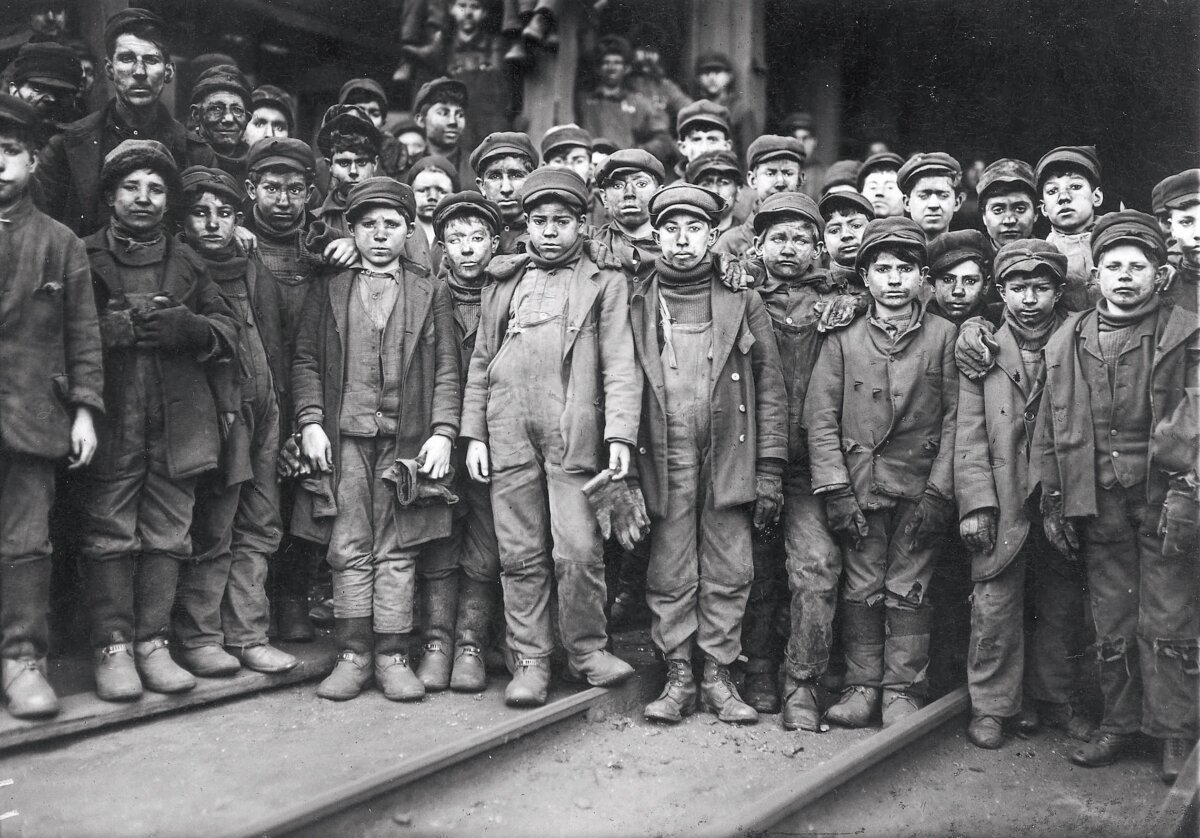
Young boys work as coal miners in this image taken by Lewis Hine in Pennsylvania in 1911. Hine worked as an investigative photographer for the National Child Labor Committee, documenting the working and living conditions of American children between 1908 and 1924. He would often assume personas to gain entry to workplaces or wait outside to take photographs of workers coming and going. (Public Domain)
Lunch Atop a Skyscraper
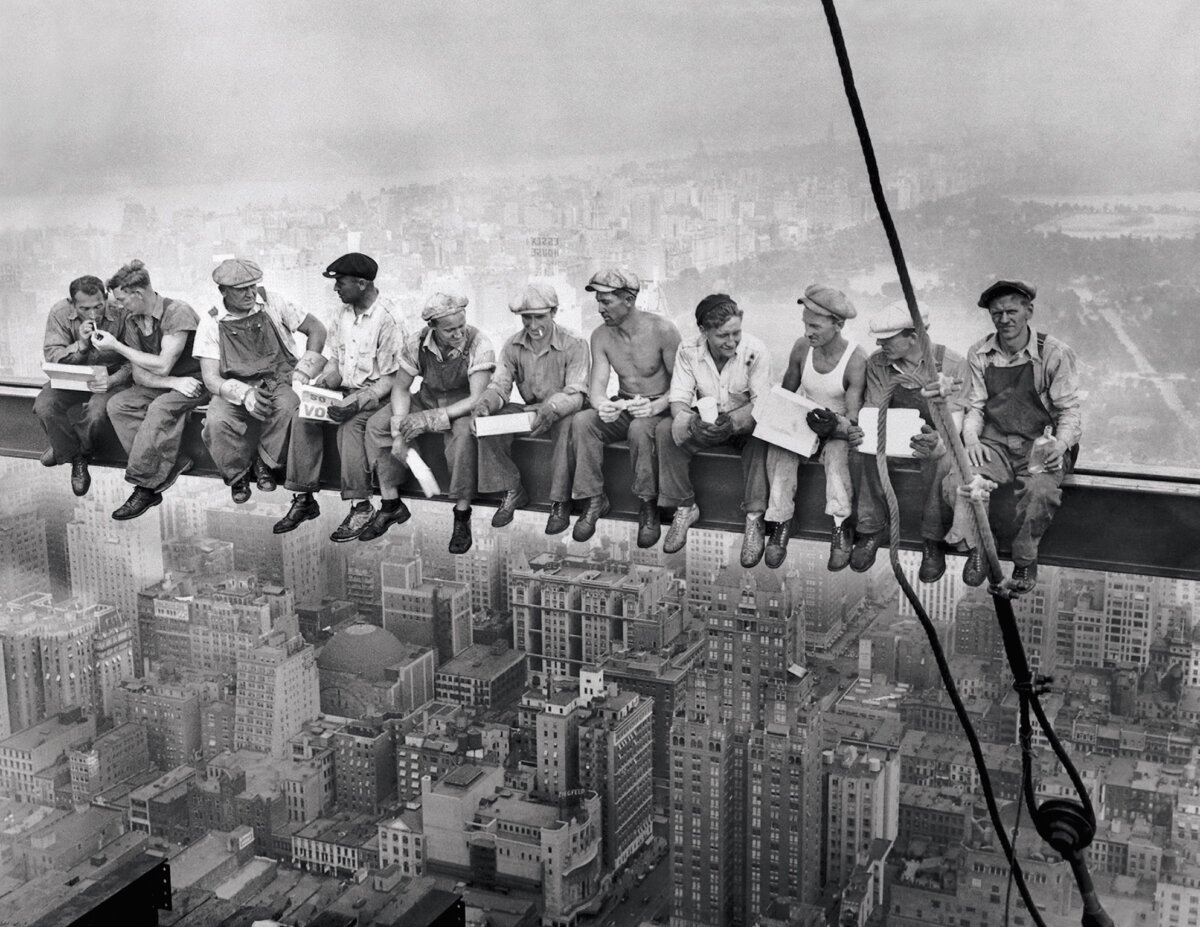
Eleven ironworkers eat lunch while seated on a steel beam, 850 feet above the ground, during the construction of the 69th floor of Rockefeller Center’s RCA Building (now 30 Rockefeller Plaza) in New York, on Sept. 20, 1932. It was taken during the Great Depression as a publicity shot to promote the skyscraper. (Public Domain)
Rin Tin Tin
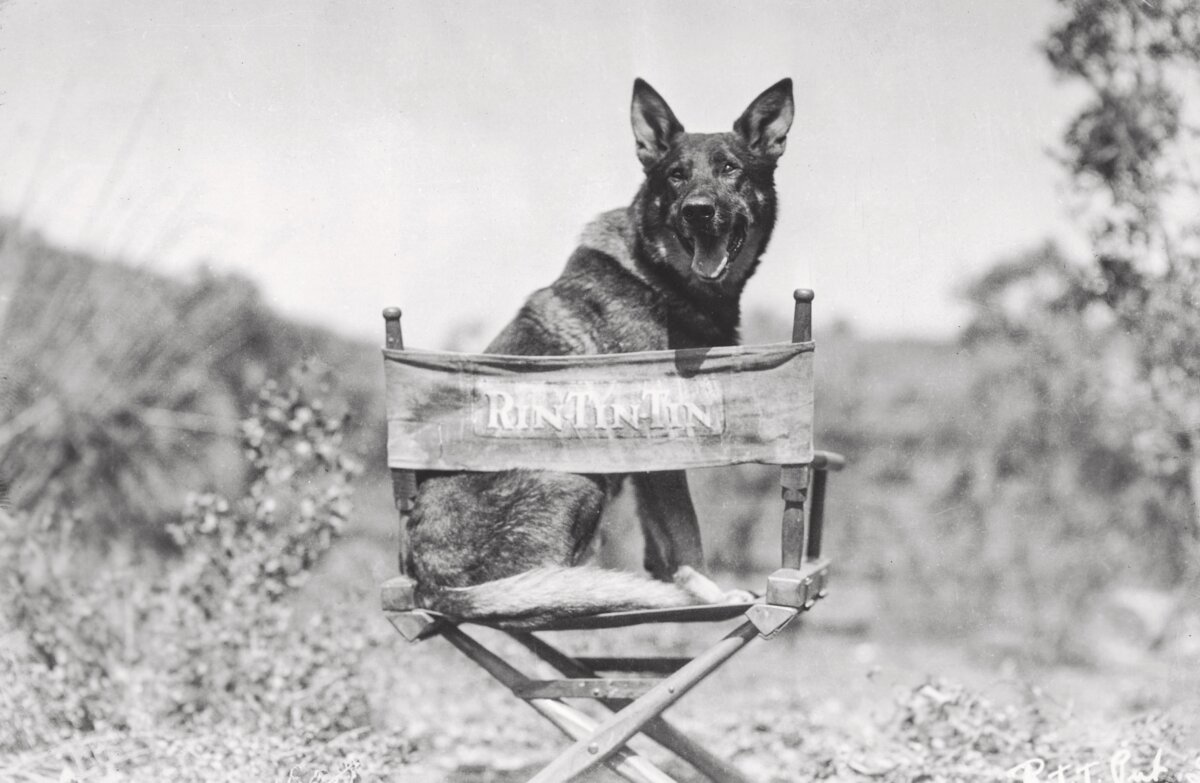
Rin Tin Tin, the World War I rescue dog-turned-international motion picture star, on set circa 1925. The German shepherd dog owed his life to American soldier Lee Duncan, who brought him home from war-torn France. (Hulton Archive/Getty Images)
‘Migrant Mother’
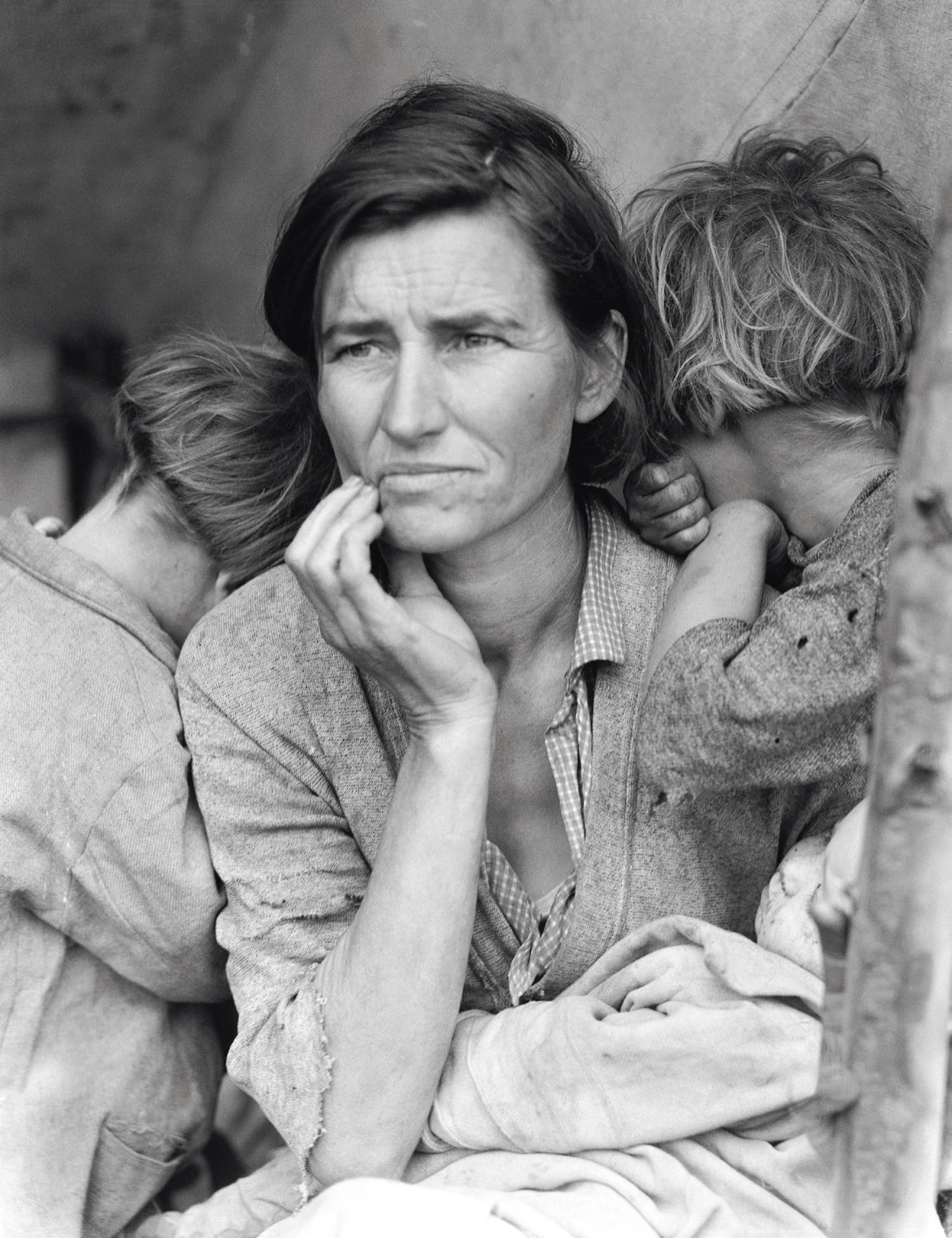
Dorothea Lange’s photograph “Migrant Mother” captures Florence Owens Thompson, a migrant farm laborer and then-mother of seven (she had three more after the photo was taken), at a Great Depression pea pickers’ camp in Nipomo, Calif., in 1936. (Public Domain)
Storming the Beaches of Normandy
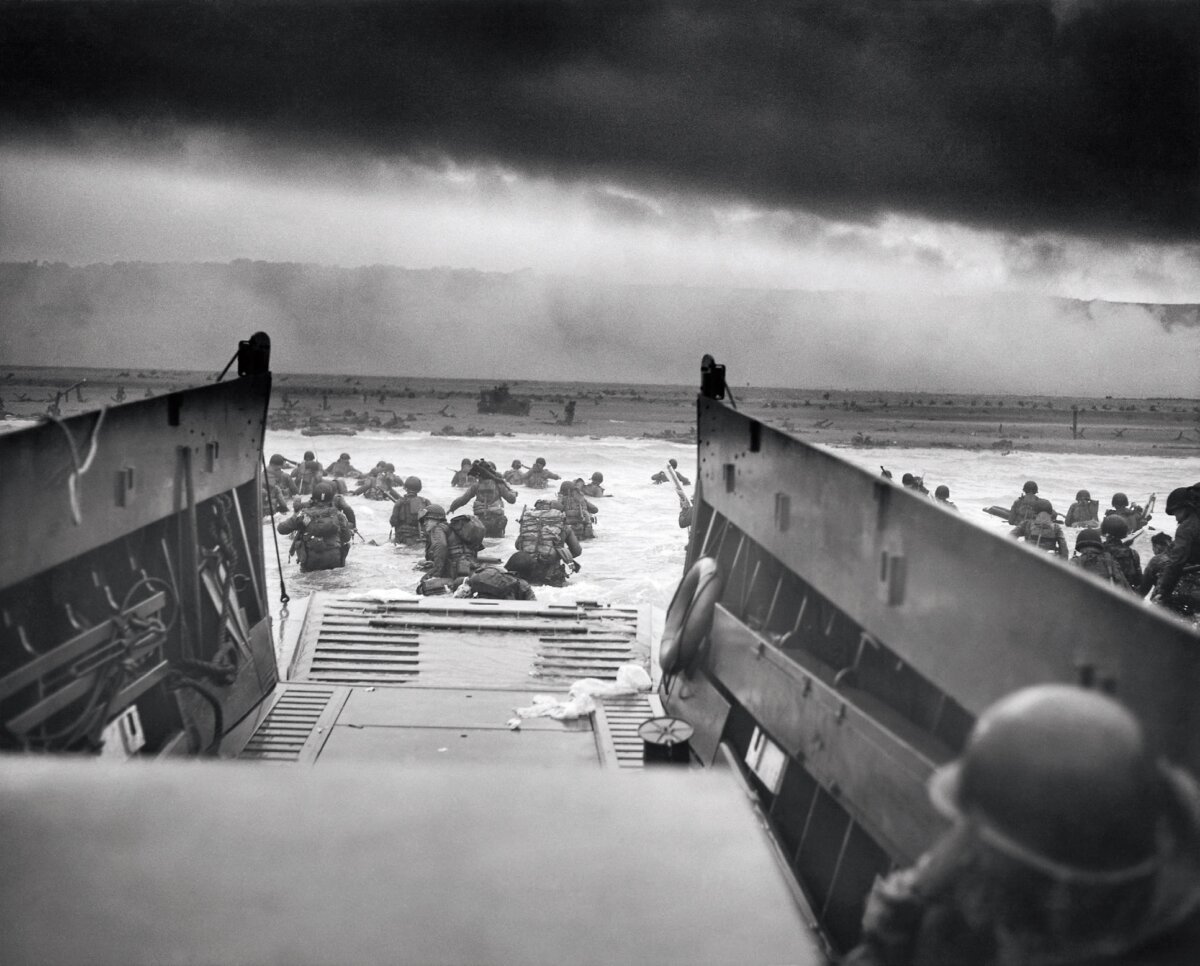
Photographer Robert F. Sargent captures a pivotal moment during the D-Day landings as U.S. infantrymen wade from their landing craft toward Omaha Beach, France, on June 6, 1944. Omaha Beach was one of five landing areas during the Normandy invasion, an operation that opened a second major front against Nazi Germany and led to the eventual liberation of Europe. (Public Domain)
Iwo Jima
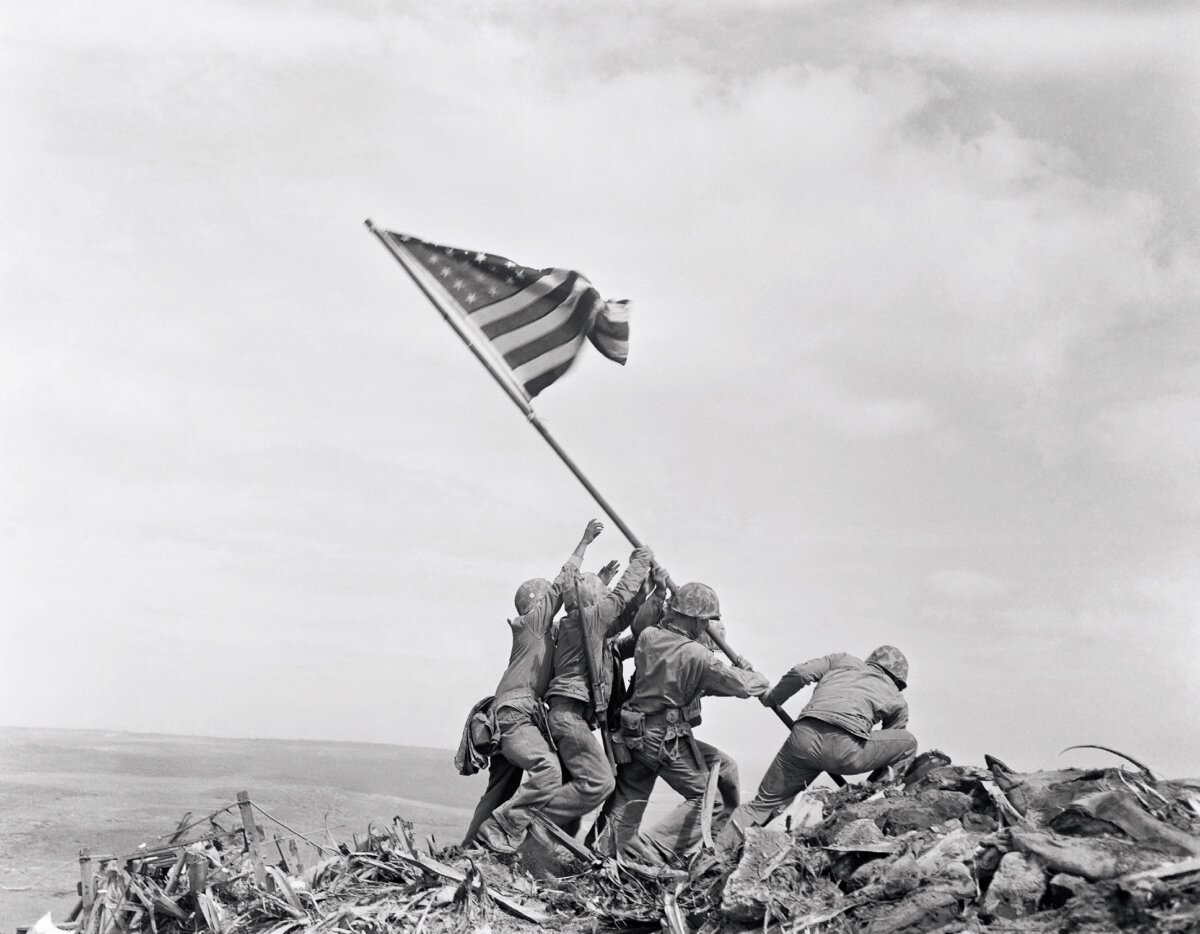
Joe Rosenthal’s Pulitzer Prize-winning photograph “Raising the Flag on Iwo Jima” captures six U.S. Marines hoisting the American flag on Mount Suribachi, Iwo Jima, during the Battle of Iwo Jima on Feb. 23, 1945. The image inspired a war bond drive that raised $26 billion. (Public Domain)
‘Babe Ruth Bows Out’
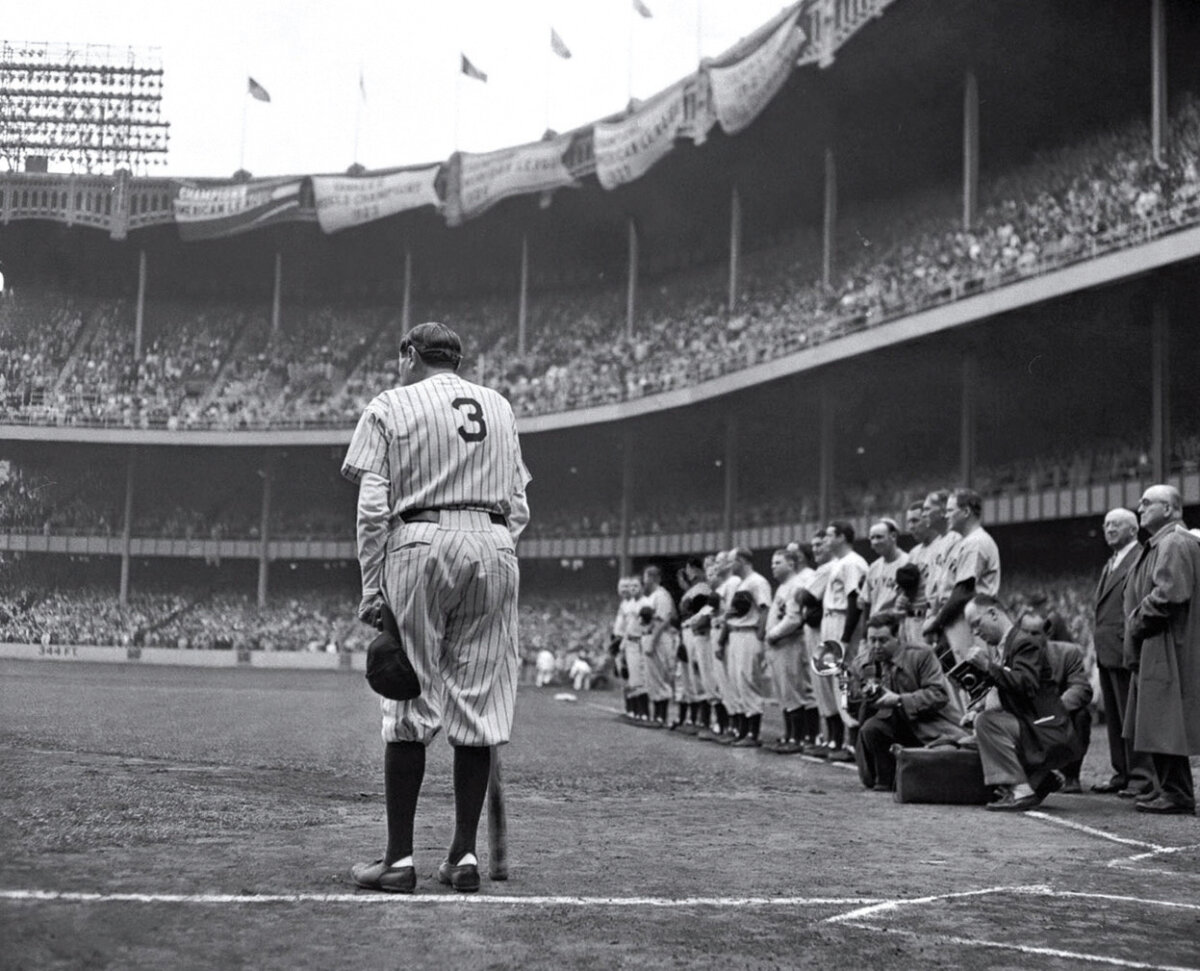
Nathaniel Fein’s Pulitzer Prize-winning photograph captures Babe Ruth during his final public appearance at Yankee Stadium, New York, on June 13, 1948. Ruth, who was feeble and terminally ill with throat cancer, is shown leaning on a bat belonging to pitcher Bob Feller. (Public Domain)
Kissing the War Goodbye
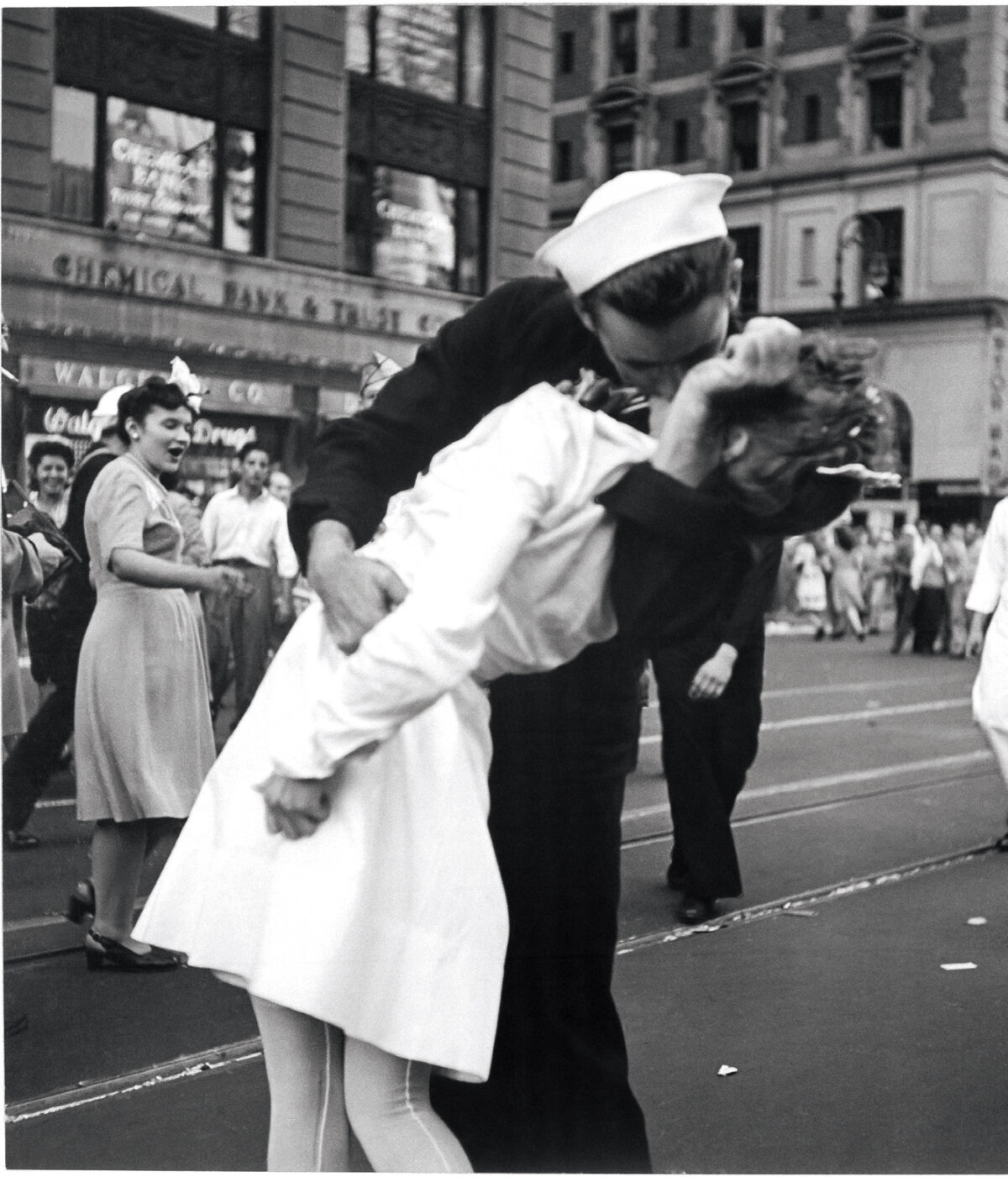
A U.S. Navy sailor celebrates America’s Victory over Japan Day—and the end of World War II—by kissing a woman in Times Square in New York on Aug. 14, 1945. (Public Domain)
The Rise of Television
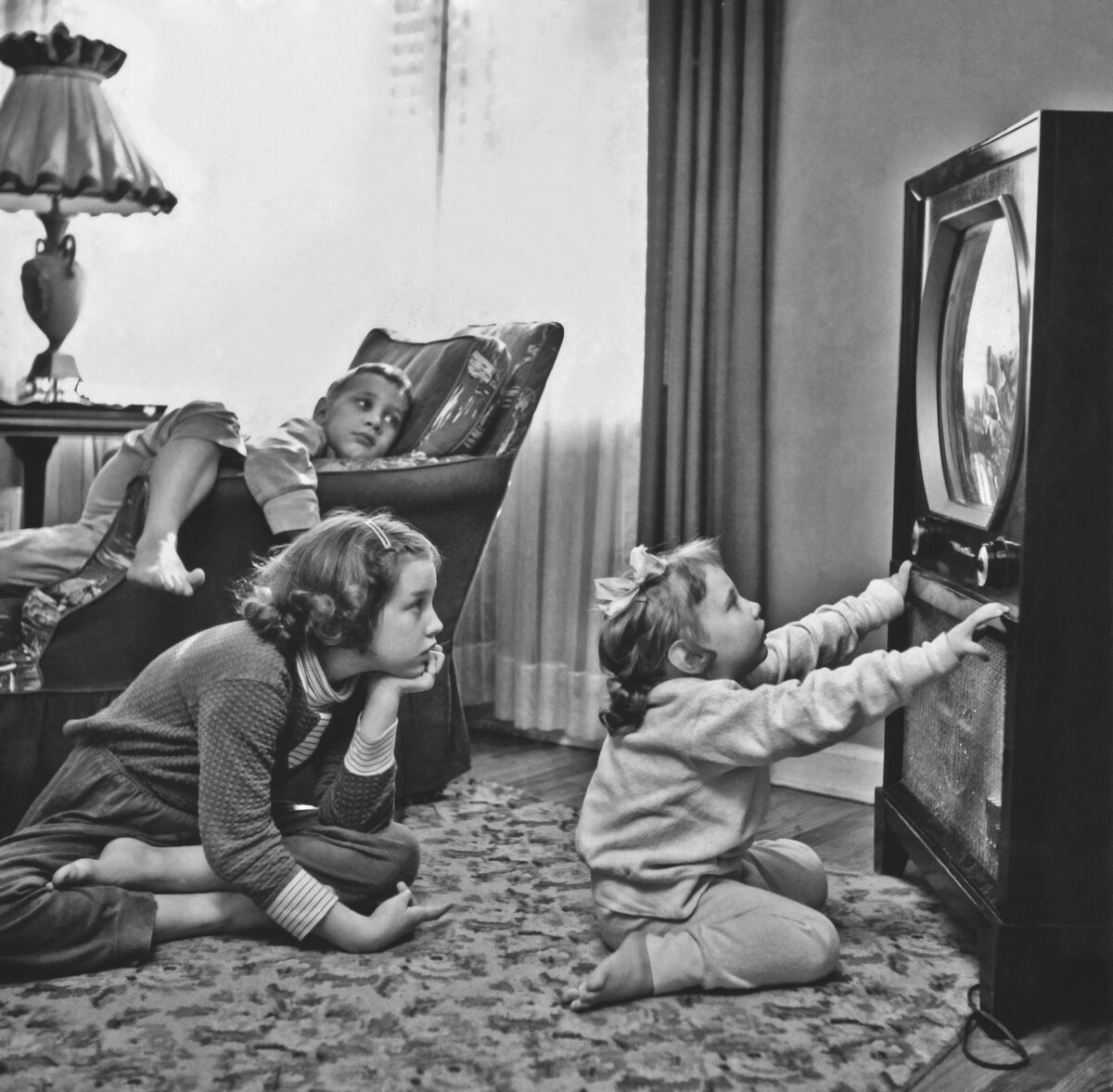
Three children watching television, circa 1960. By then, nearly 9 in 10 households in the United States owned a television.Three children watching television, circa 1960. By then, nearly 9 in 10 households in the United States owned a television. (FPG /Getty Images)
Disneyland Opened
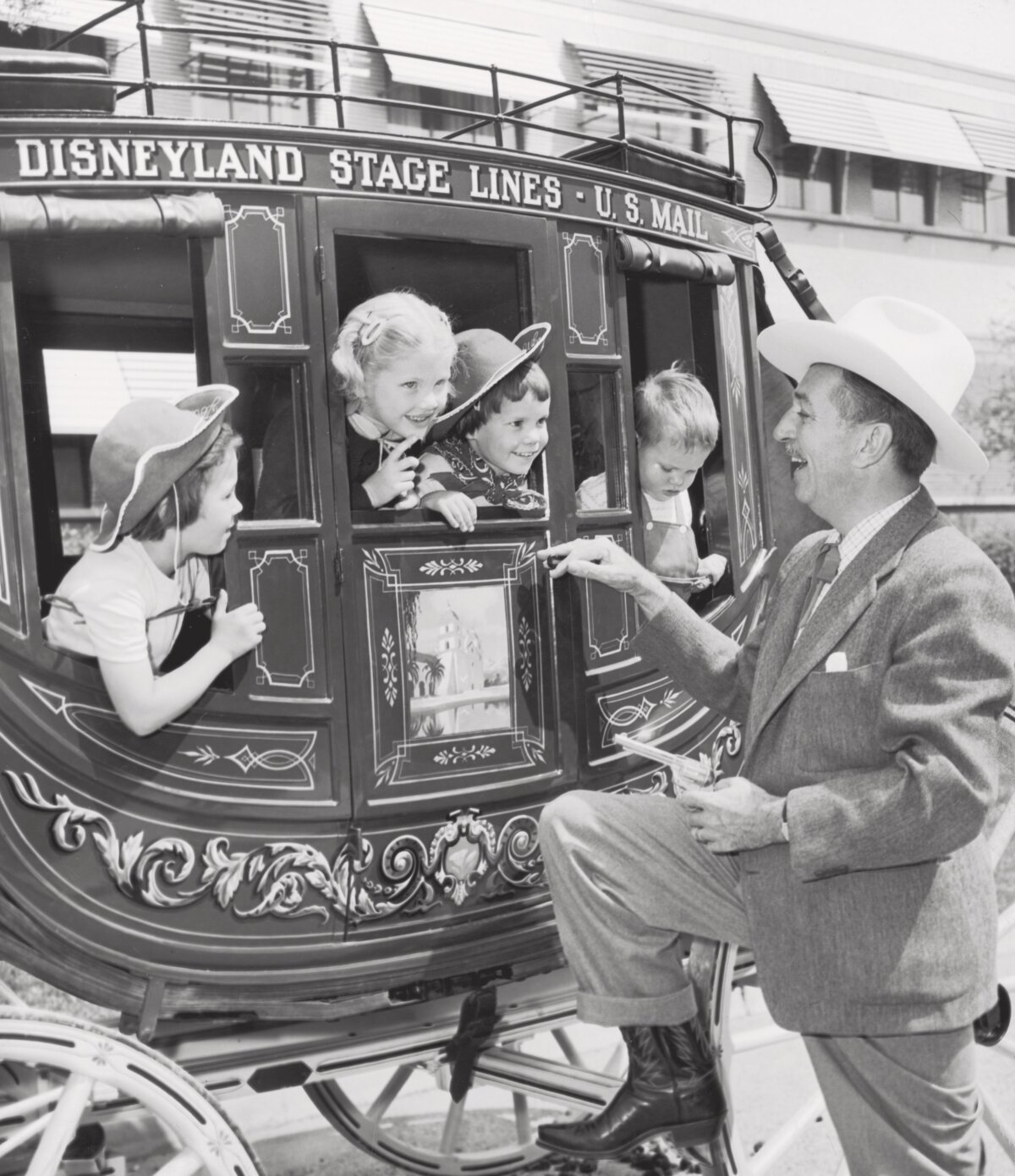
American cartoonist and producer Walt Disney smiles while pretending to use a toy revolver to hold up children in a stagecoach at his Disneyland theme park in Anaheim, Calif., circa 1955. (Hulton Archive/Getty Images)
Kennedy Elected
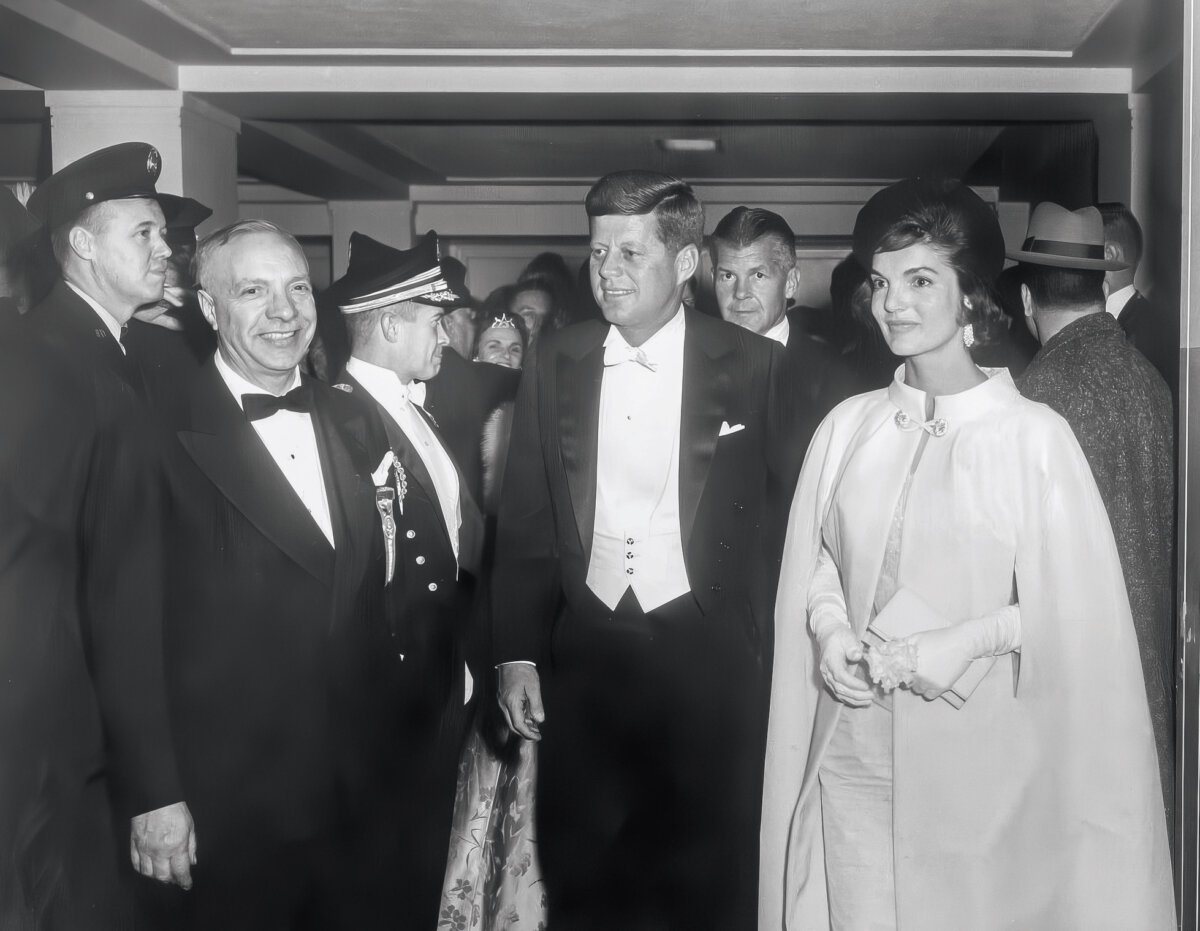
President John F. Kennedy and First Lady Jacqueline Kennedy arrive at the National Guard Armory for the Inaugural Ball, shortly after he was sworn into office as the country’s 35th president in Washington on Jan. 20, 1961. (Public Domain)
Martin Luther King Jr.’s ‘I Have a Dream’ Speech
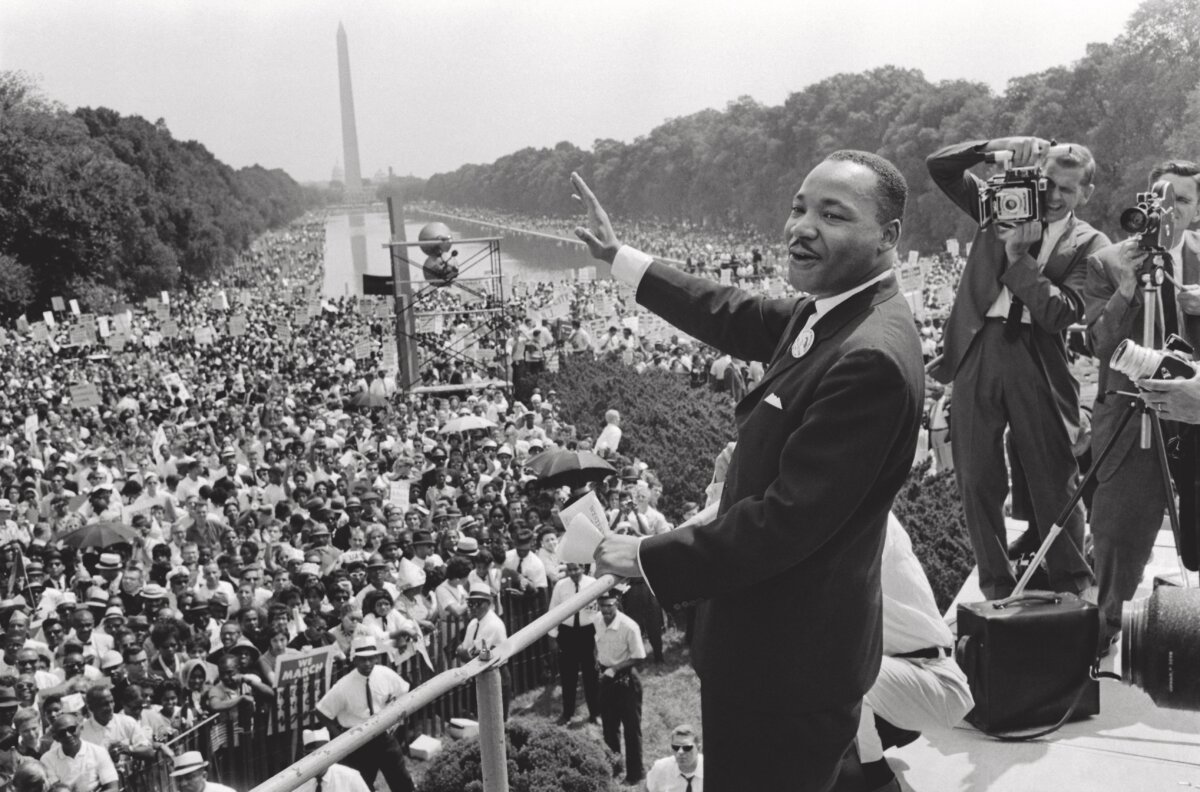
Civil rights leader Martin Luther King Jr. waves to more than 200,000 demonstrators taking part in the March on Washington in the nation’s capital, on Aug. 28, 1963. From the steps of the Lincoln Memorial, with the Washington Monument in the background, King delivered his famous “I Have a Dream” speech. (AFP/Getty Images)
Muhammad Ali’s Phantom Punch
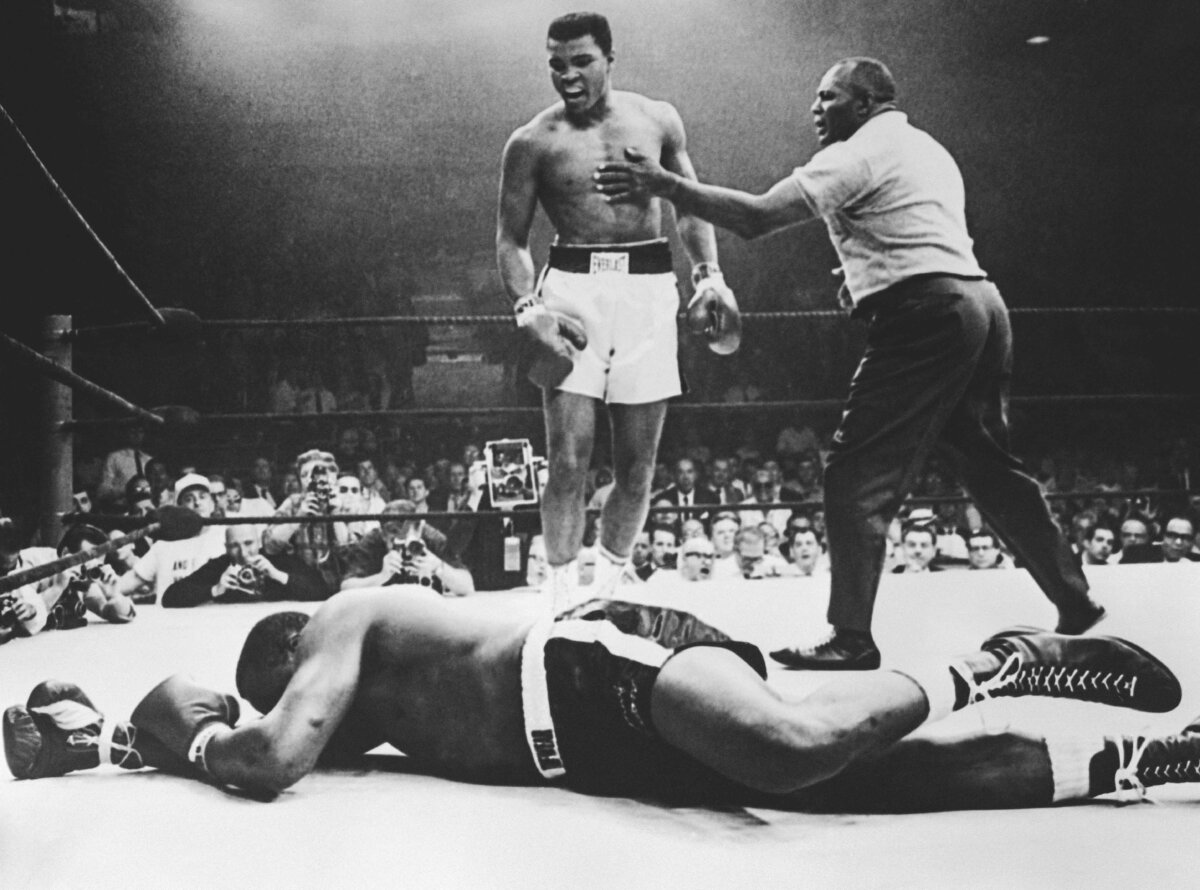
Sonny Liston (foreground) is knocked out in the first round of his return title fight by world heavyweight champion Muhammad Ali (C) in Lewiston, Maine, on May 25, 1965. This fight is famous for Ali’s lightning-fast “phantom punch,” a quick right hand that knocked Liston to the canvas in the first round. The punch was so fast that many spectators didn’t even see it. (AFP/Getty Images)
Apollo 11 Moonwalk
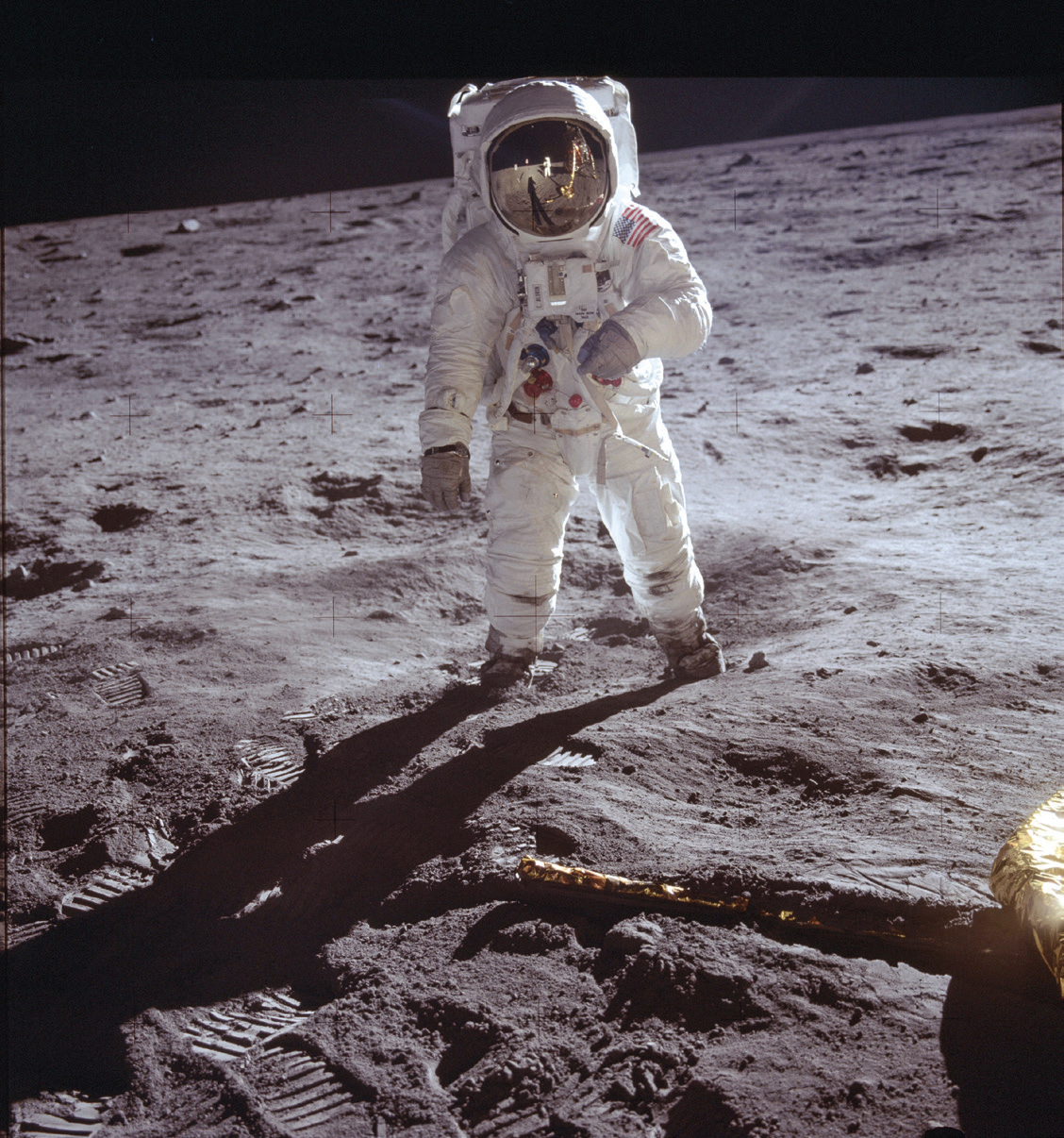
Astronaut Buzz Aldrin was photographed by Neil Armstrong while standing on the moon’s surface near the lunar module Eagle on July 20, 1969. The photograph is one of the most famous images from the Apollo 11 mission. (Public Domain)
The Miracle on Ice
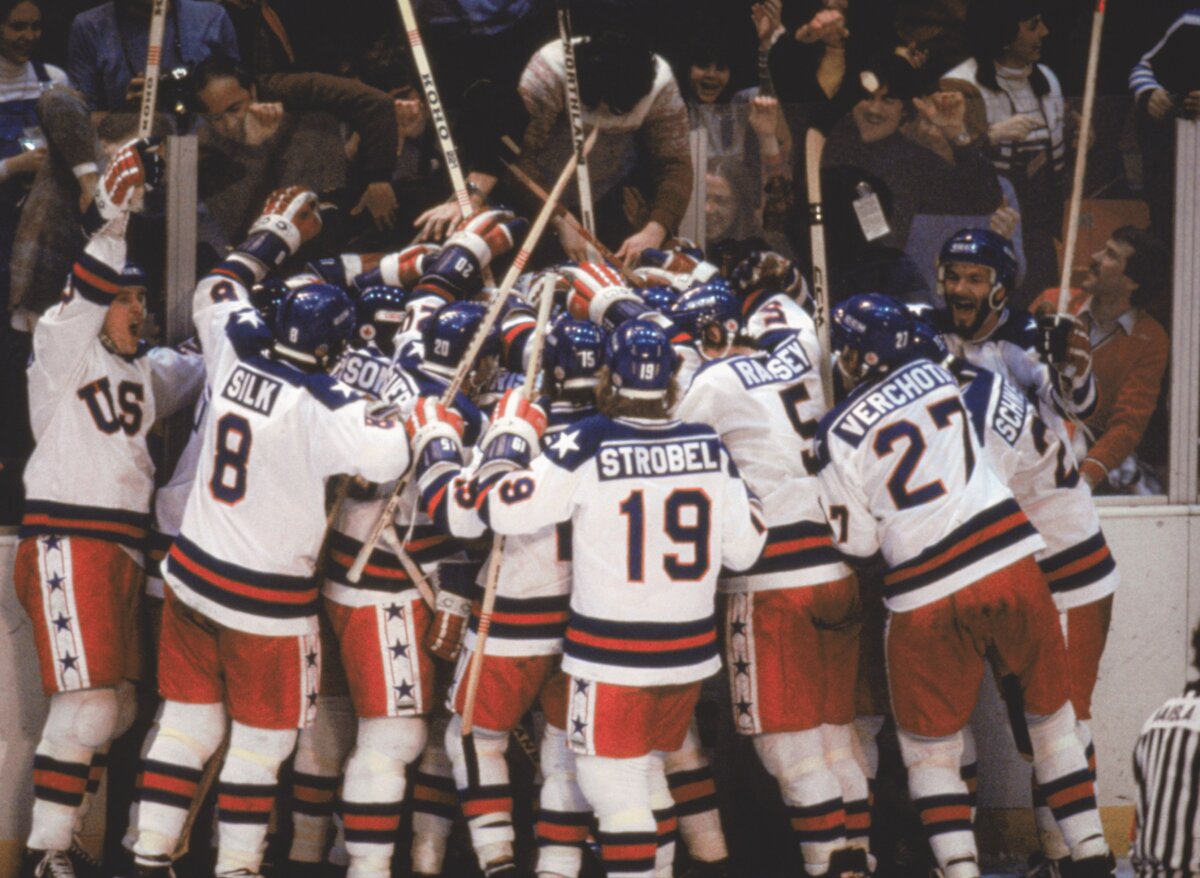
The U.S. men’s hockey team celebrates its 4–3 victory over the Soviet Union in the Winter Olympic Games in Lake Placid, N.Y., on Feb. 22, 1980. The American victory over the Soviet team, which had won four Olympic gold hockey medals and was considered the greatest collection of hockey players ever assembled, was dubbed “the Miracle on Ice. (Steve Powell/Getty Images)
‘Tear Down This Wall’
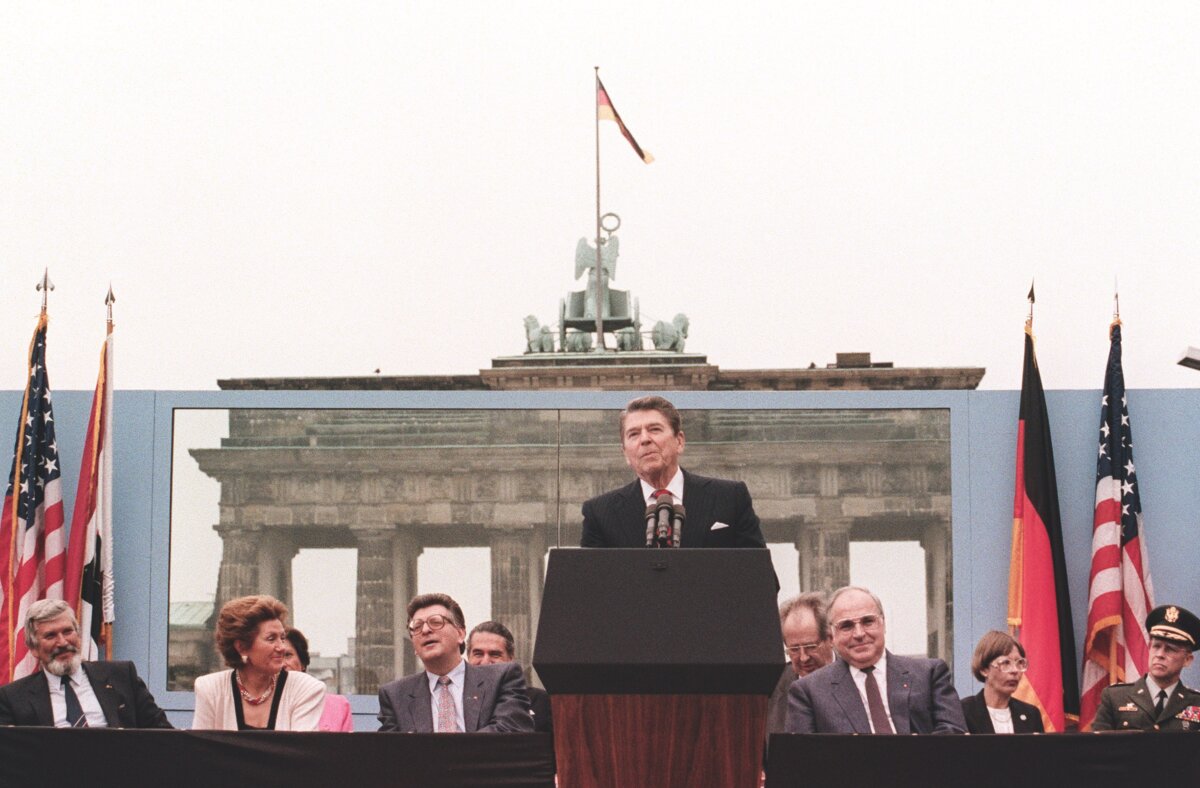
President Ronald Reagan delivers his famous “Tear down this wall!” speech at the Brandenburg Gate in West Berlin on June 12, 1987. The speech was delivered as part of Berlin’s 750th anniversary celebrations and called for the dismantling of the Berlin Wall, which had divided the city since 1961. An amplification system was used to project Reagan’s words to both the Western and Eastern sides of the wall. (AFP/Getty Images)
Twin Towers September 11, 2001
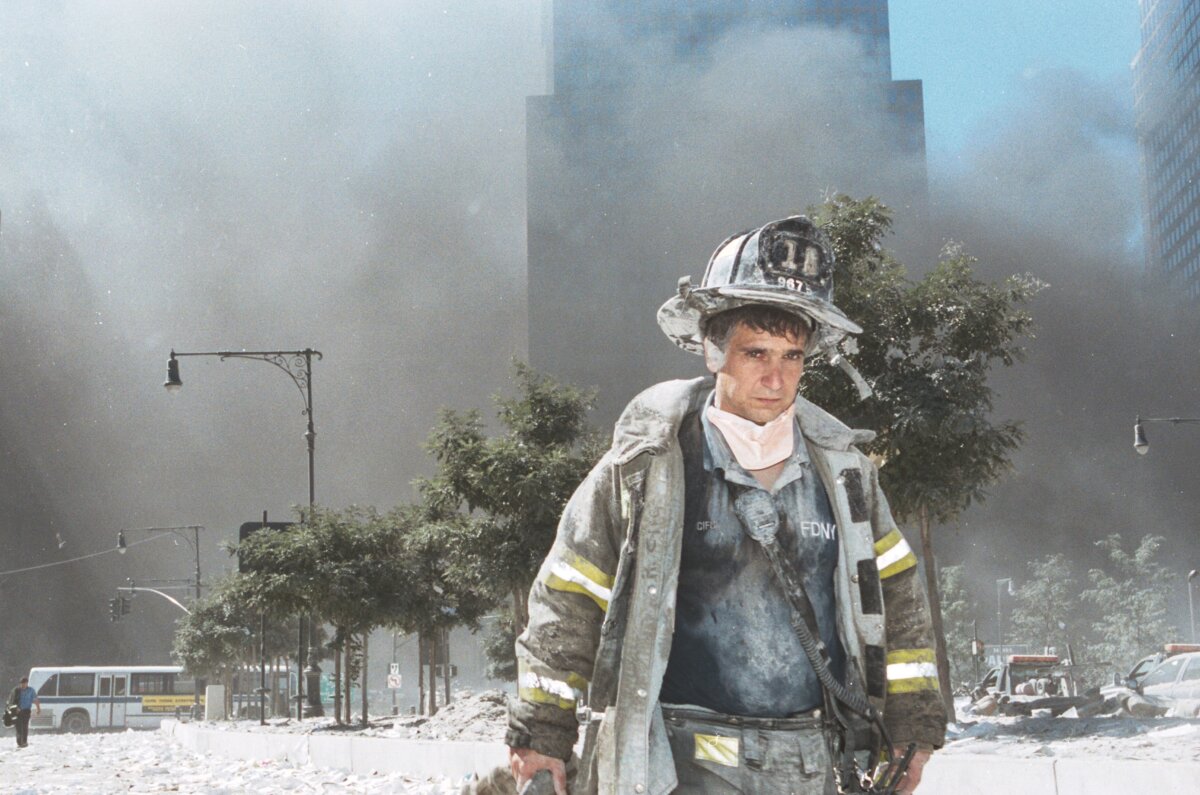
A firefighter walks away from Ground Zero after commercial airplanes hijacked by al-Qaeda terrorists hit the Twin Towers in New York on Sept. 11, 2001. Nearly 3,000 crew members, passengers, and people on the ground were killed as the towers collapsed. (Anthony Correia/Getty Images)
Hubble Space Telescope
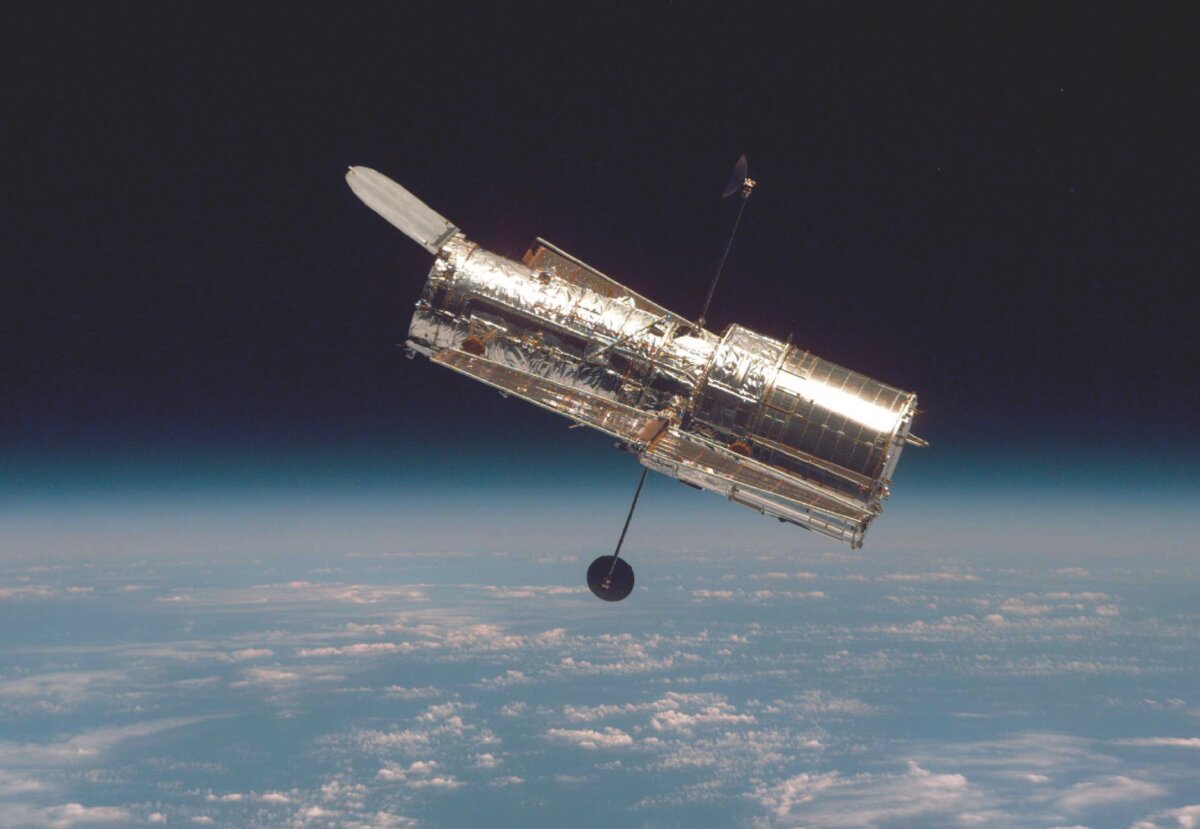
The Hubble Space Telescope hovers in space after the launch of its second servicing mission on Feb. 11, 1997. The telescope is designed to drift 343 miles above Earth’s surface, where it can clearly see objects in space while avoiding Earth’s atmosphere. The servicing mission upgraded its equipment, allowing it to extend its range of wavelengths to probe the distant reaches of the universe. (NASA)
Helix Nebula
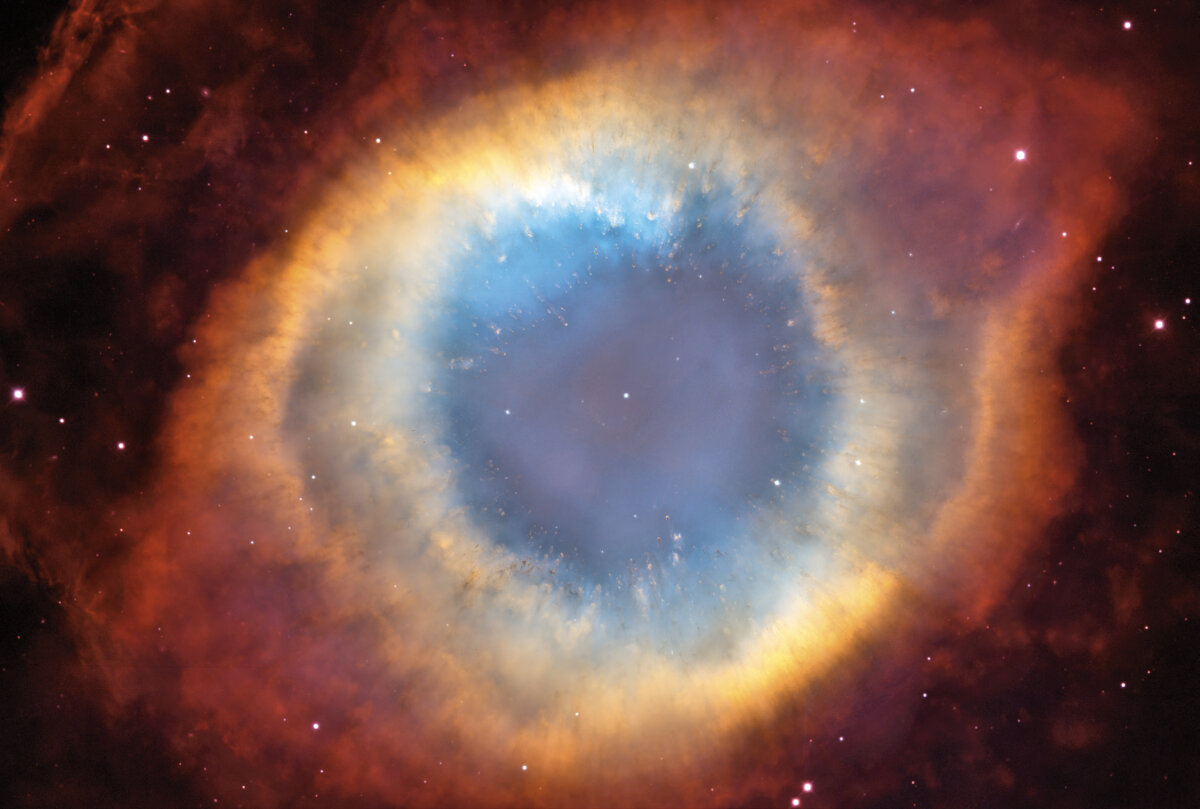
The Helix Nebula, the closest planetary nebula to Earth and sometimes referred to as the “Eye of God,” as captured by the Hubble Space Telescope and Cerro Tololo Inter-American Observatory on Dec. 16, 2004. Astronomers used the data gathered from the images in this project to create a three-dimensional model of the gas, dust, and other materials being expelled by the dying star. (NASA)
This article was originally published in American Essence magazine.
