




Guitarist Bradly Parsons remembers the first bluegrass song he ever learned. At 7 years old, he played the folksy mountain ballad “Old Joe Clark” on the mandolin, kickstarting his journey into the wide world of bluegrass and its companion genres, from gospel to folk. The sounds and stylings of what would become the official bluegrass genre have been heard in America since its inception, and, over the last few years, its popularity has grown.
Around 20 million Americans regularly enjoy listening to the genre’s Appalachian-inspired, acoustic melodies, according to the International Bluegrass Music Association. Evidence for its place among the country’s distinctive genres can be found within American culture, even in current times, from the 2000 smash-hit musical film “O Brother, Where Art Thou?” to contemporary bluegrass artists like Molly Tuttle and Billy Strings, who reach mainstream recognition and sell out shows.
Parsons explained that the appeal of bluegrass is twofold. Not only are people impressed by the technical skill it takes to play bluegrass, but he also told The Epoch Times that there is a “close-knit side” to the genre that connects people as well. Parsons shared that when it comes to bluegrass players and fans, cultivating a love of the genre usually begins at home.

Sounds of American Family Life
The roots of bluegrass were planted deep in American soil as families from Europe and various parts of the world began coming to the budding country to build new lives. “Its roots are from so many different places, but [it] still ended up being formed here in America. It’s truly an American thing,” Parsons said.
As families came to America, especially the Appalachian region, so did their instruments and treasured melodies from their former homelands. “In the infancy of bluegrass, you had all these people and families out in the mountains that found these instruments or had them [and] brought them over [to America] from wherever they came. And it was families … playing this music that they grew up on.”
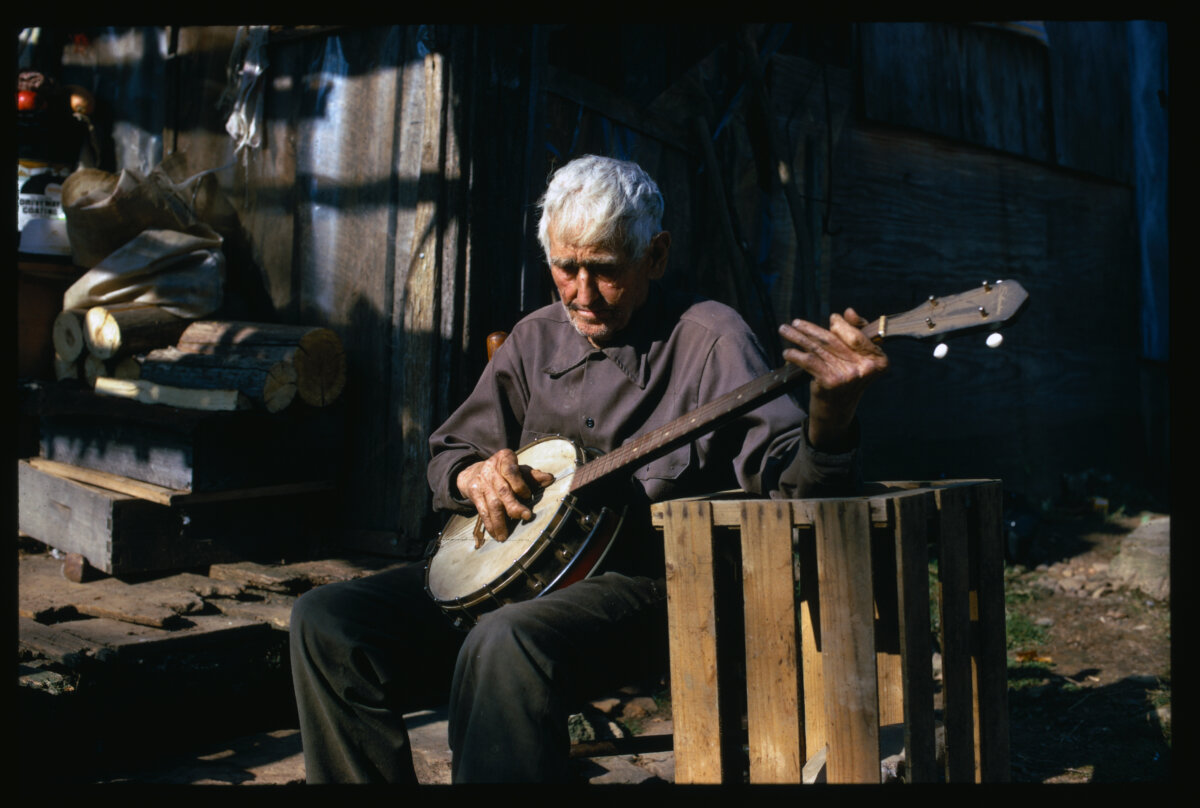
Parents and grandparents would often play portable instruments like the guitar, fiddle, and mandolin on front porches and at kitchen tables. At only a few years of age, children would often learn an instrument, making the playing of music a family affair. As this happened over generations, songs were passed down, and the sounds of what would be known as bluegrass spread throughout the Southeastern region.
“It is family-oriented,” Parsons said of the genre’s formative years. “These songs have literally come from generations before us, and it’s all because families showed their families, which showed their families—it keeps going down the line.”
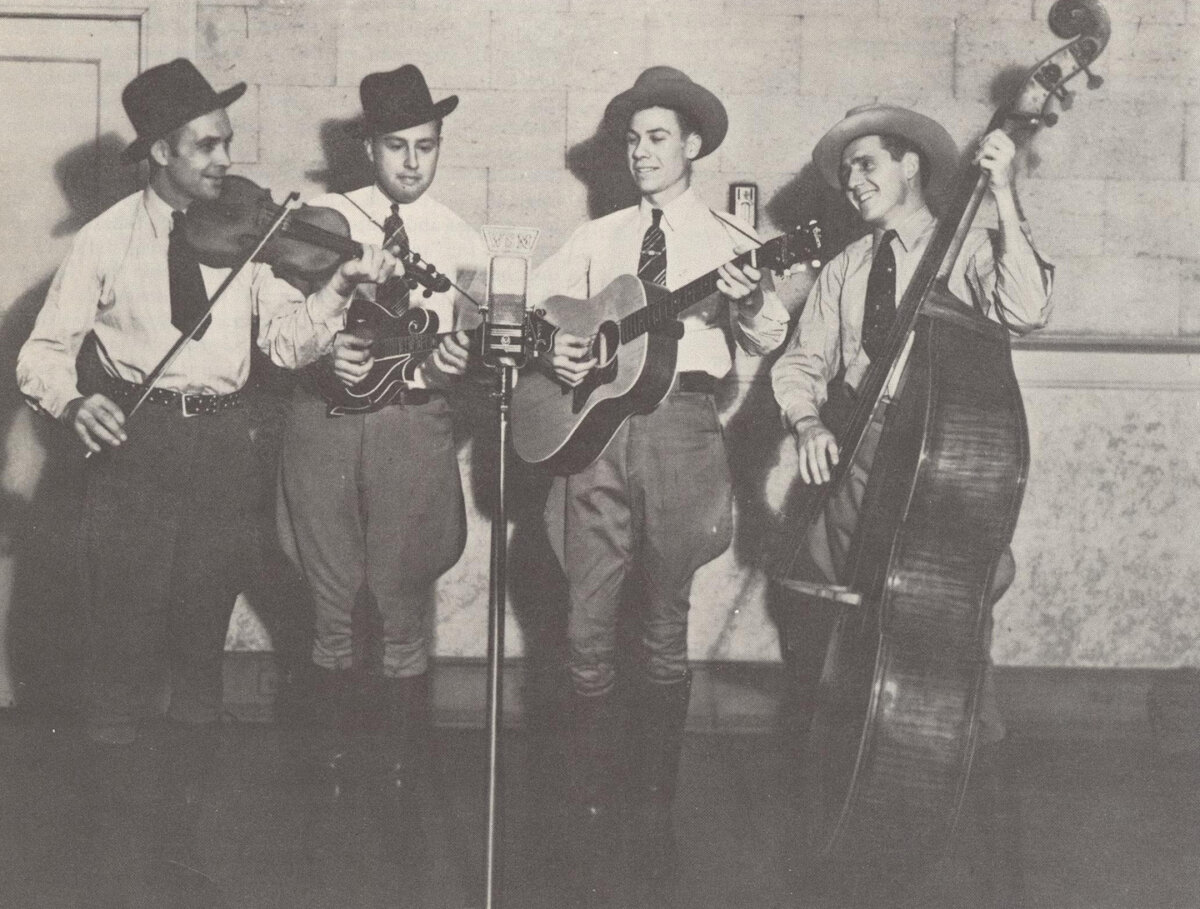
Then, in the 1940s, Bill Monroe, known as the “Father of Bluegrass,” combined acoustic Appalachian sounds with the hymns and harmonies of the church, and the genre as we know it today was born. Parsons explained that gospel and bluegrass go together. “Gospel is an integral part of the genre,” he said. “Bill Monroe always did his sacred numbers, and those were the gospel songs that he grew up hearing.” Monroe enjoyed playing classic spiritual numbers like “I’m Working on a Building” and ones he co-wrote such as “A Voice From on High.”
Parsons explained that foundational acts of the genre, from the Louvin Brothers to Ralph Stanley, always included sacred numbers in their sets. Because of that, the sounds of bluegrass often became the sounds of American family life. The genre’s notes occupied the sacred grounds of the family unit no matter where they roamed—from the church and the home to holiday gatherings.
‘The Future of the Genre’
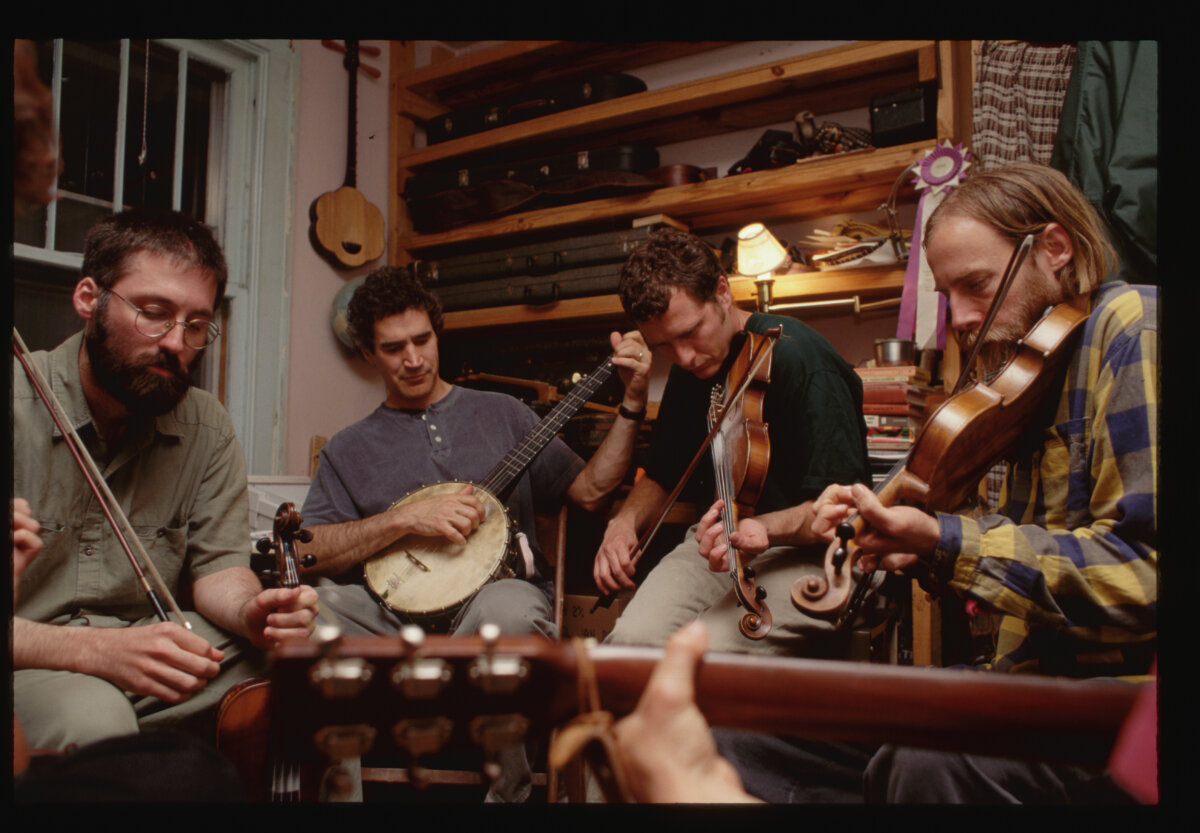
Today, bluegrass has become part of America’s cultural fabric because of the genre’s key social aspects. “If you’re not a people person, bluegrass isn’t for you,” Parsons joked. From the jam sessions at events and shows that welcome players both casual and professional, to the accessibility of the genre’s artists, bluegrass creates a unique sense of kinship and camaraderie that can be hard to find in other genres. “I think the nature of bluegrass as a whole creates its own community,” Parsons explained.
His group, Chosen Road, is known for their sound that blends gospel with bluegrass, and they enjoy getting to know their audience. “I feel like our two genres come from a place where you can, as a listener, go straight to the artist, and talk to them, just as a person,” he said. “So I just feel like that personal relationship between listener and artist is more solidified.”
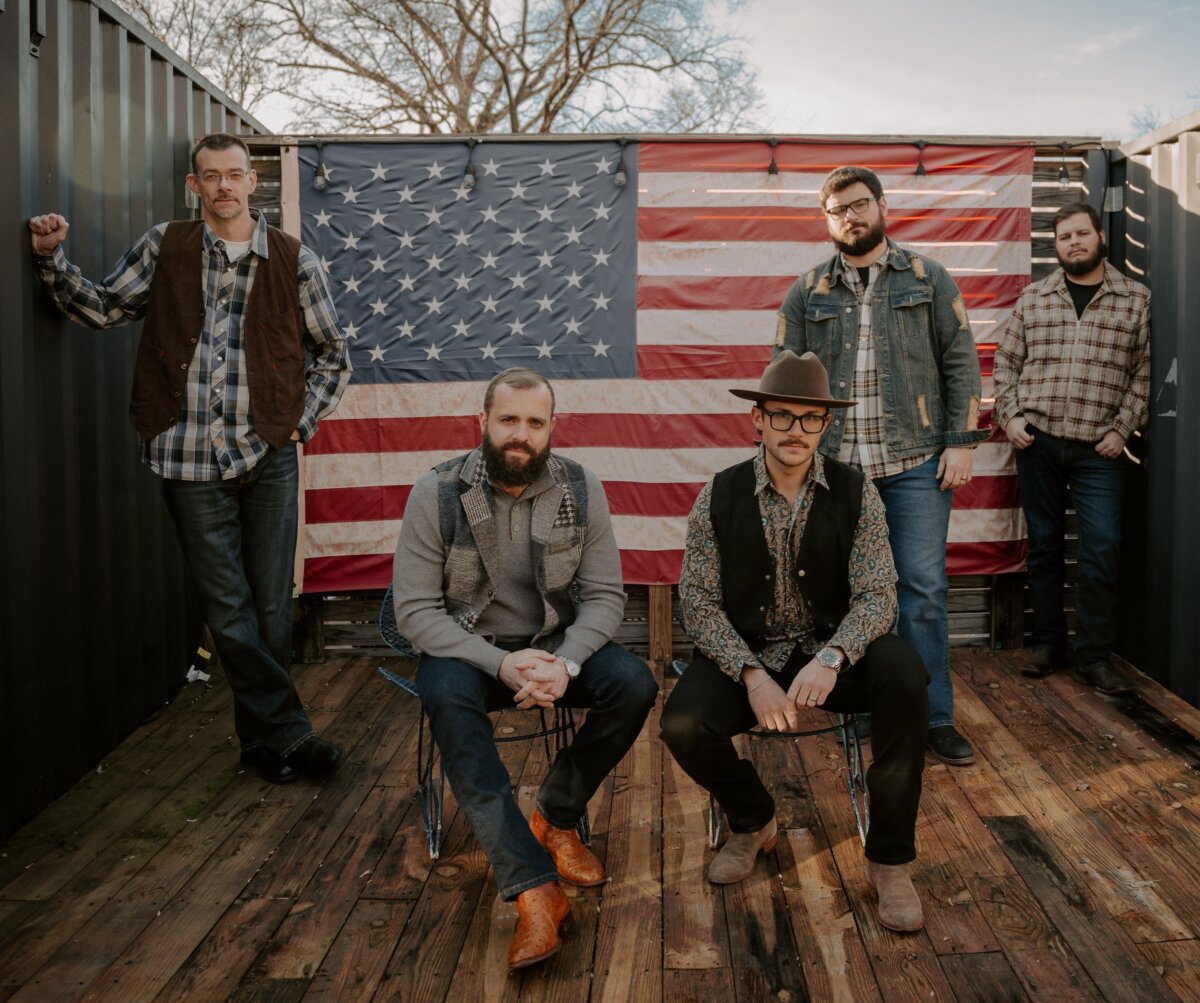
Parsons explained that while some people may think of bluegrass as a genre that appeals to an older crowd due to its historical and traditional compositions and stylings, he sees a range of generations enjoying bluegrass live. “To see a younger crowd come in shows you that the future of what you’re trying to do is reaching the next generation,” Parsons shared. “They can keep it going.” He also shared that the younger generations learning the music and history of the genre solidify “the future of the genre itself.”
Parsons believes that one reason the genre continues to be embraced across the nation and even internationally is because of the sense of belonging it fosters. “As it becomes more mainstream, people are going to flock to it because it’s got that sense of community. It’s got something people didn’t know they needed,” he said. “As it becomes more popular, I think we’ll see an even bigger boom in it than what we’re seeing now. And it’ll just blossom from there.”
Perhaps the most powerful aspect of bluegrass music is the way in which its songs and standards shape and influence lives over time. “I’ve been playing music my entire life. It has not always been bluegrass, but it’s always been closely tied to it,” Parsons said. “But without it, I wouldn’t be who I am. I really wouldn’t. And I wouldn’t have it any other way.”
What arts and culture topics would you like us to cover? Please email ideas or feedback to features@epochtimes.nyc.
