NR | 2h 31m | Drama | 1944
Many people today downplay how great America is and forget or ignore the core promise of the American Dream. There’s absolutely no ceiling to stop anyone’s climb—the sky’s the limit.
There have been films on this subject over the decades. “An American Romance,” directed by King Vidor, tracks a man who marches straight out of Central Europe into the booming heart of U.S. industry.
Through sheer willpower, a foreigner hops off a boat, barely speaking the language, and somehow hustles his way into a penthouse and a sprawling factory. It’s often taken for granted nowadays.
Built Through Metal and Motion
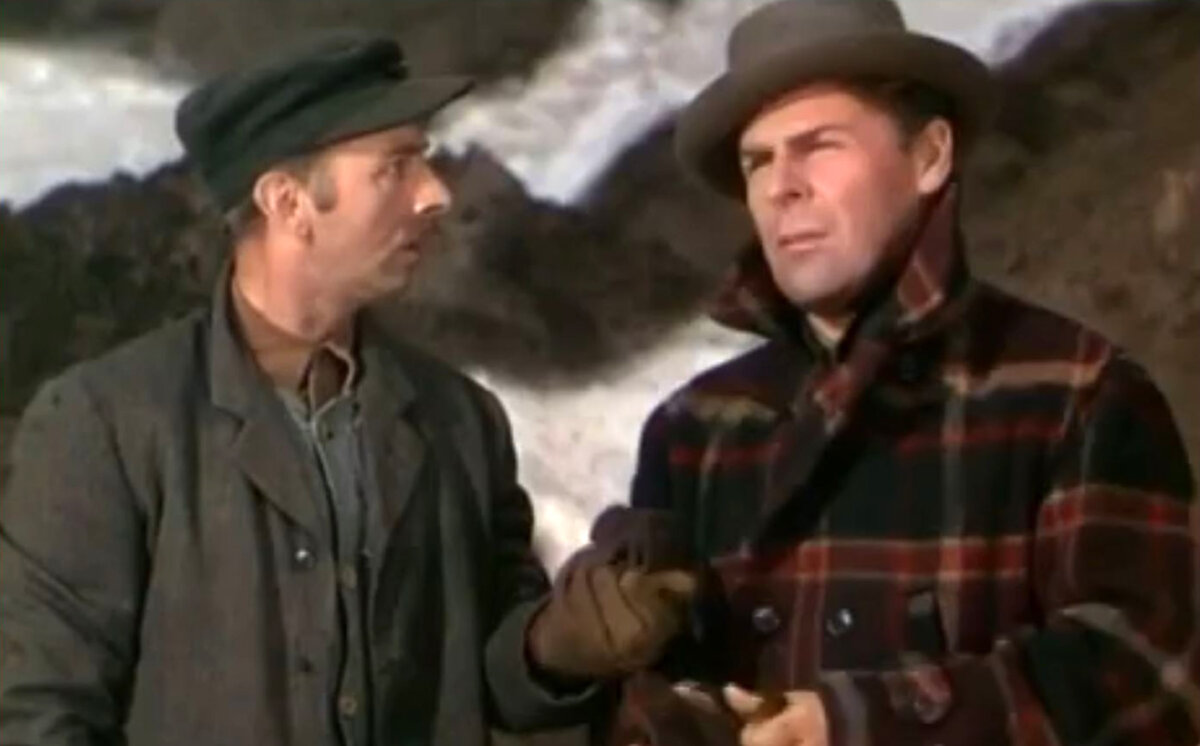
Stefan Dubechek (Brian Donlevy) comes through Ellis Island with nothing lined up, just a willingness to work. He heads inland on foot, walking more than 1,000 miles until reaching the Mesabi Range in northern Minnesota. There, open-pit iron mining sets the pace, and the work never eases up.
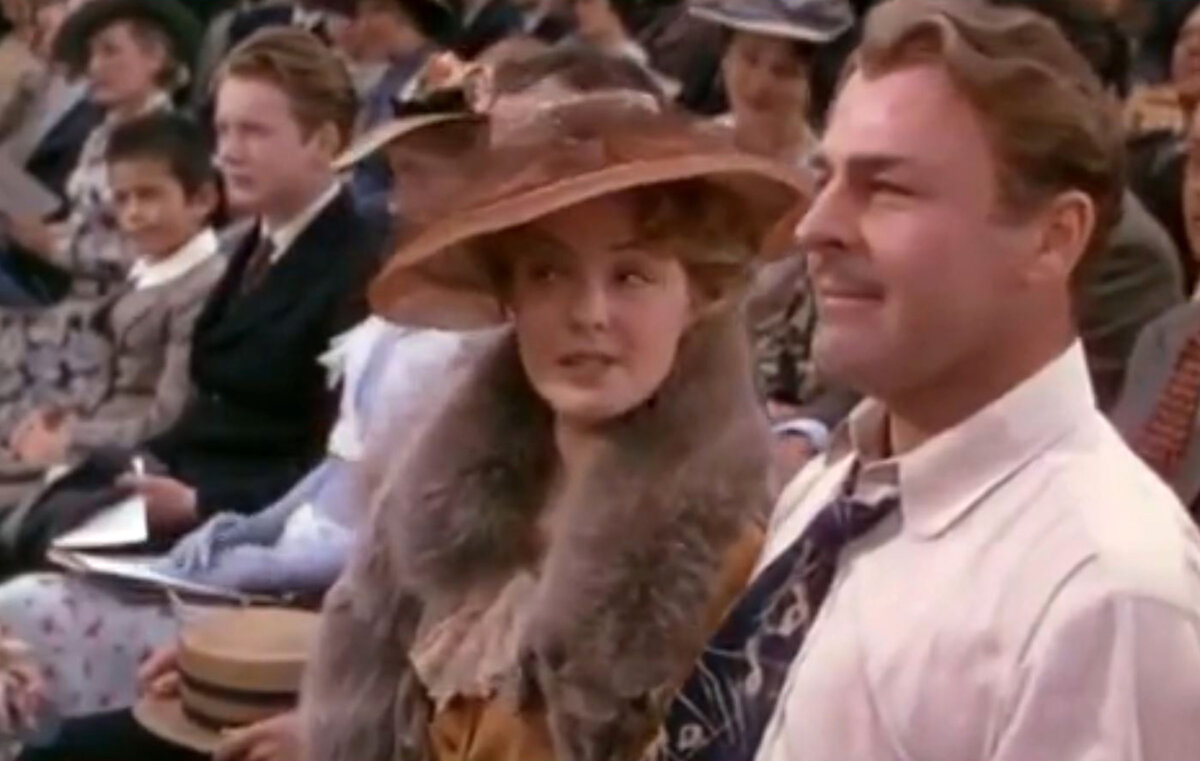
His cousin Anton (John Qualen) is already there and helps him get his footing. Dubechek shortens his name to Steve Dangos as he folds into the rhythm of the place. He then meets Anna (Ann Richards), a schoolteacher who helps him learn the language and eventually becomes his wife.
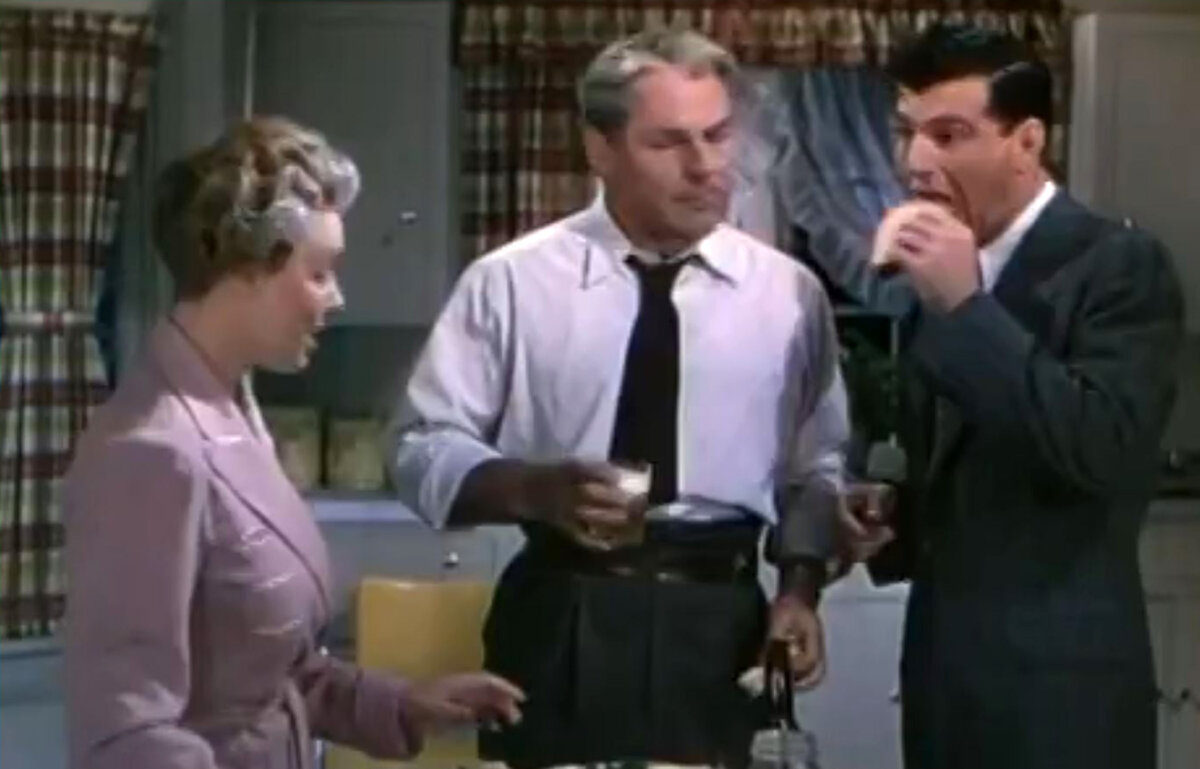
His obsession with machinery leads him to tinker with early automobiles, and he teams up with friend Howard Clinton (Walter Abel) to build them. Dangos expands into Detroit, eventually building a car empire from the ground up through sheer stubbornness, becoming a titan of industry. He retires, but soon finds himself at odds with his son, Teddy (Stephen McNally) over the rise of unions.
When the World War II kicks off, the government needs his factories to churn out planes. Steve must decide whether to stay retired or get back into the fight to protect the country that gave him everything.
American Industry Captured on Film
The story follows one man’s life as he grows alongside the nation. Viewers see the world change from horse-drawn wagons to massive plane factories. It’s a sweeping look at how one immigrant turned a shovel and ambition into a legacy that helped win a war.
Vidor swings big here, and it shows. The story stretches across decades, and the camera keeps returning to the same idea: Hard work and American know-how can build everything.
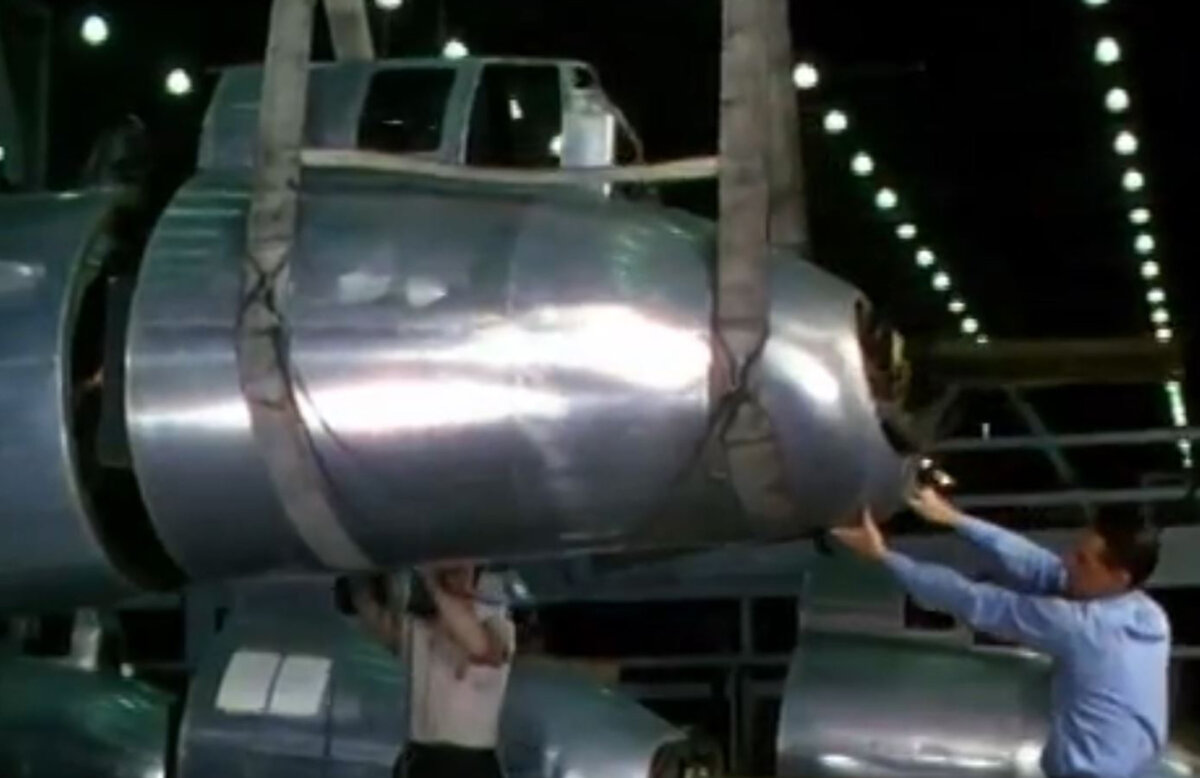
There are scenes of ore pits, factory floors, and, later, aircraft plants ramping up for war. The entire country is moving in one direction, powered by people who refuse to sit still.
The story comes alive once it gets into the work itself. Viewers see the full process, from raw ore pulled from the ground to machines rolling off the assembly line. Vidor shot much of this in real factories and industrial sites, with actual machinery running and real production environments instead of stage-built shortcuts.
There are rough edges, especially in how the story moves abruptly through time and how certain personal moments are delivered. This is due to often heavy studio editing. Even so, the core vision still shines through.
“An American Romance” is classic cinema because it fully commits to its idea. The film celebrates the drive to build something from nothing and presents American industry as a place where that indomitable attitude can lead to success. The film is direct, ambitious, and tied to a time when that kind of story sat right at the center of American filmmaking.
“An American Romance” is available on ok.ru.
‘An American Romance’
Director: King Vidor
Starring: Brian Donlevy, Ann Richards, Walter Abel
Not Rated
Running Time: 2 hours, 31 minutes
Release Date: Dec. 14, 1944
Rated: 4 stars out of 5
What arts and culture topics would you like us to cover? Please email ideas or feedback to features@epochtimes.nyc