



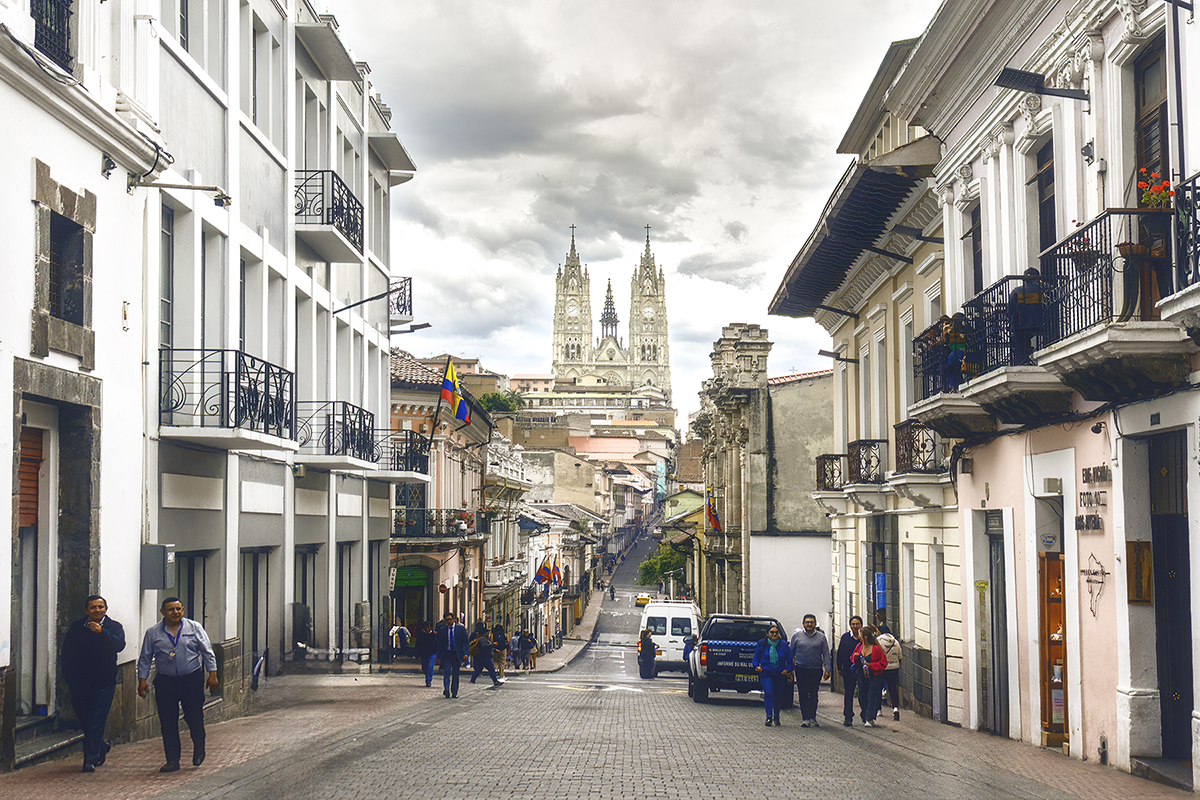
During what Mark Twain coined the Gilded Age, well-heeled globetrotters packed gorgeous gowns and tailored tuxedos in steamer trunks stowed aboard luxurious ocean liners. In such exotic destinations as South America, they were secluded in elegant enclaves, only sallying forth on carefully choreographed excursions.
Attitudes have changed. Today, many avid travelers want to immerse themselves in the locale and meet the people who live there. They want to consort with craftsmen in their workshops instead of buying their wares from the hotel gift shop. In Quito, Ecuador, my wife, Maria, and I accomplished both, staying at Illa Experience Hotel and taking a Voyagers Travel tour of the city’s Old Town—the largest and best-preserved colonial center in Latin America.
Award-Winning Historic Manor
In the historic heart of Ecuador’s capital, Illa Experience Hotel embraces an experiential approach. Guests are invited to participate in creative demonstrations such as watercolor painting and wooden toy-making on the hotel premises and exclusive outings to visit artists in the neighborhood.
The five-star hotel received the prestigious Gold Travvy Award for Best Luxury Hotel in South America, which recognized its commitment to immersive experiences that celebrate Ecuadorian heritage. The innovative force behind the Illa is founder and managing director Marcel Perkins of Latin Trails tour company, which arranges authentic adventures across Ecuador and the Galápagos Islands.
The beautifully renovated 17th-century manor stands on Calle Junin in the charming and close-knit San Marcos neighborhood. Artists showcase their crafts and renderings in small shops and galleries, children play soccer on the cobblestone street hemmed in by white colonial row houses, and deep-rooted residents gather at the shaded San Marcos church square after Sunday Mass to gossip and talk politics like generations before.
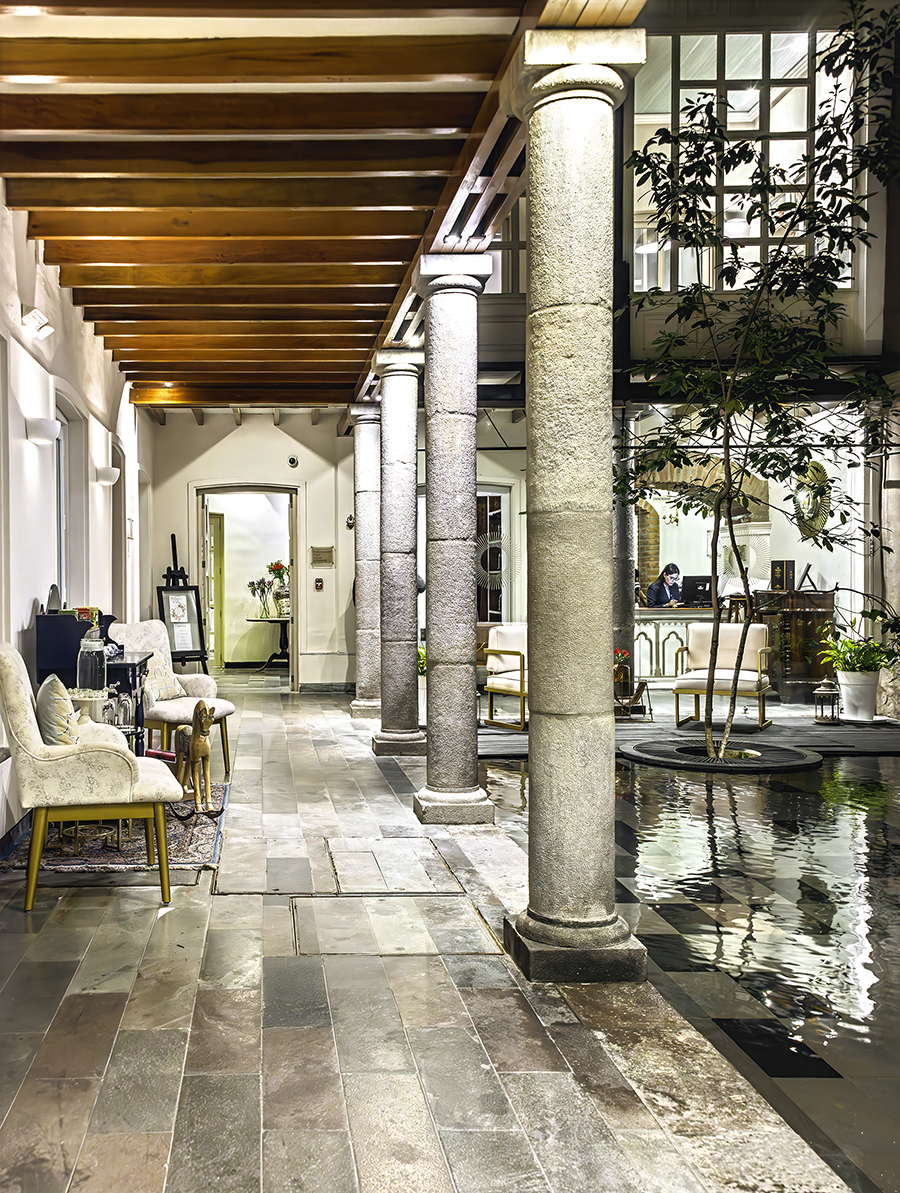
The three floors of the boutique hotel that opened in 2017 represent key periods in Quito’s history in ascending order—colonial, republican, and contemporary. From the colonnade reflecting pool in the entry courtyard to the distinctive doors reclaimed from churches constructed half a millennium ago, Illa captures the aura of the Andean city’s artistic and cultural origins.
The 10 rooms are characterized by classical comfort and refinement. We had a sense of an exquisite home, with the plush bedding, handmade rugs, and soaker tub in a spacious bathroom. Despite its diminutive size, the hotel contains a swimming pool and private spa with a Jacuzzi.
Art and Community Commitment
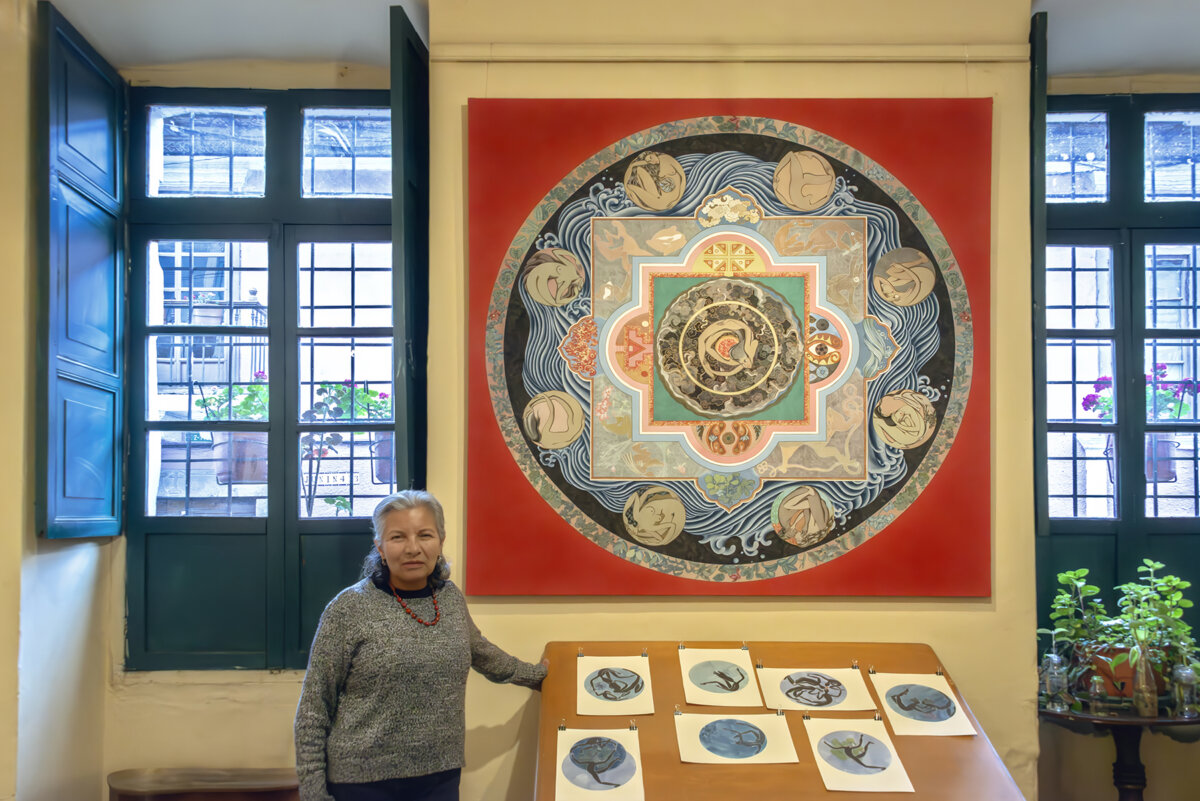
The hotel’s assistant manager, Cristian Enríquez, 28, escorted us on an evening stroll in San Marcos. Painter and poet Sonia Rosales welcomed us into her house that also serves as her art studio. The sexagenarian maintains the decor in the home as it was when her father bought it from the original owner. Rosales studied art in China and Ecuador and has been exhibiting her work since 1982.
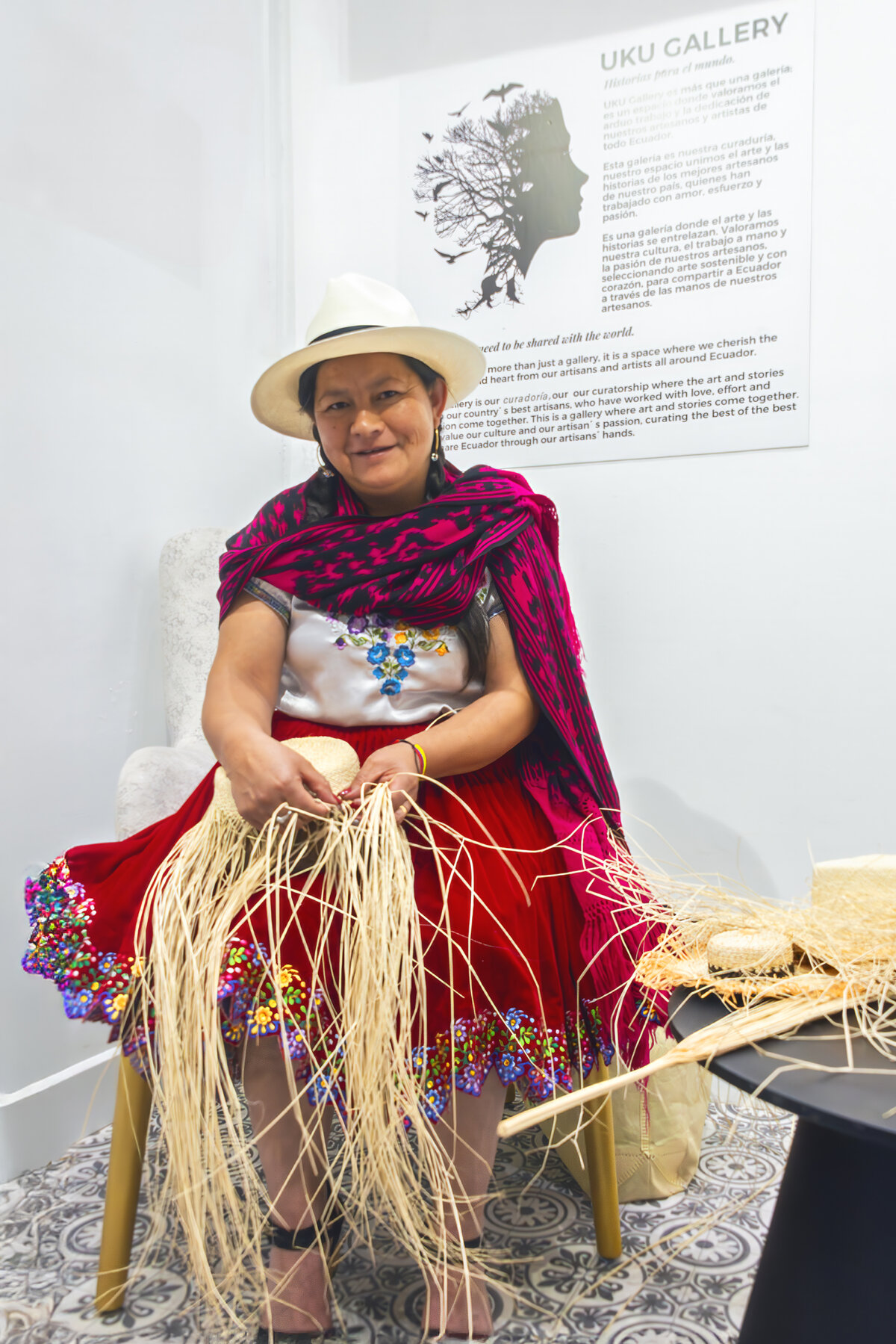
We also met fourth-generation toquilla straw hat maker Olga Guznay, 45, at Illa’s small gallery a few doors from the hotel. Guznay began weaving the hats indigenous to Ecuador—misnomered as Panama hats—when she was 8 years old.
“My family wove the hats for seven hours from 4 in the afternoon until 11 at night after working in the fields all day,” she said.
In 2024, Latin Trails won the Gold Latin America Travel Association Responsible Tourism Award for Employing and Upskilling Local Communities. The judges were impressed with its community project that has provided more than 40 families additional income for sharing their artistic talent and ancestral background with Illa guests. The honor also recognized the company’s collaboration on a new scholarship program with the hotel’s upscale restaurant, which trains young culinary prospects from Ecuador’s poorest rural areas.
Culinary Creations
Inés Restaurant owner and chef Juan Carlos Donoso elevates Ecuadorian cuisine to an art form. He pours his heart and soul into his avant-garde culinary creations as tantalizing to the eye as to the taste buds.
“The restaurant is named for my grandmother, who is the basis for my culinary passion,” the 38-year-old said. “The most important part I learned from her is to share love through the food.”
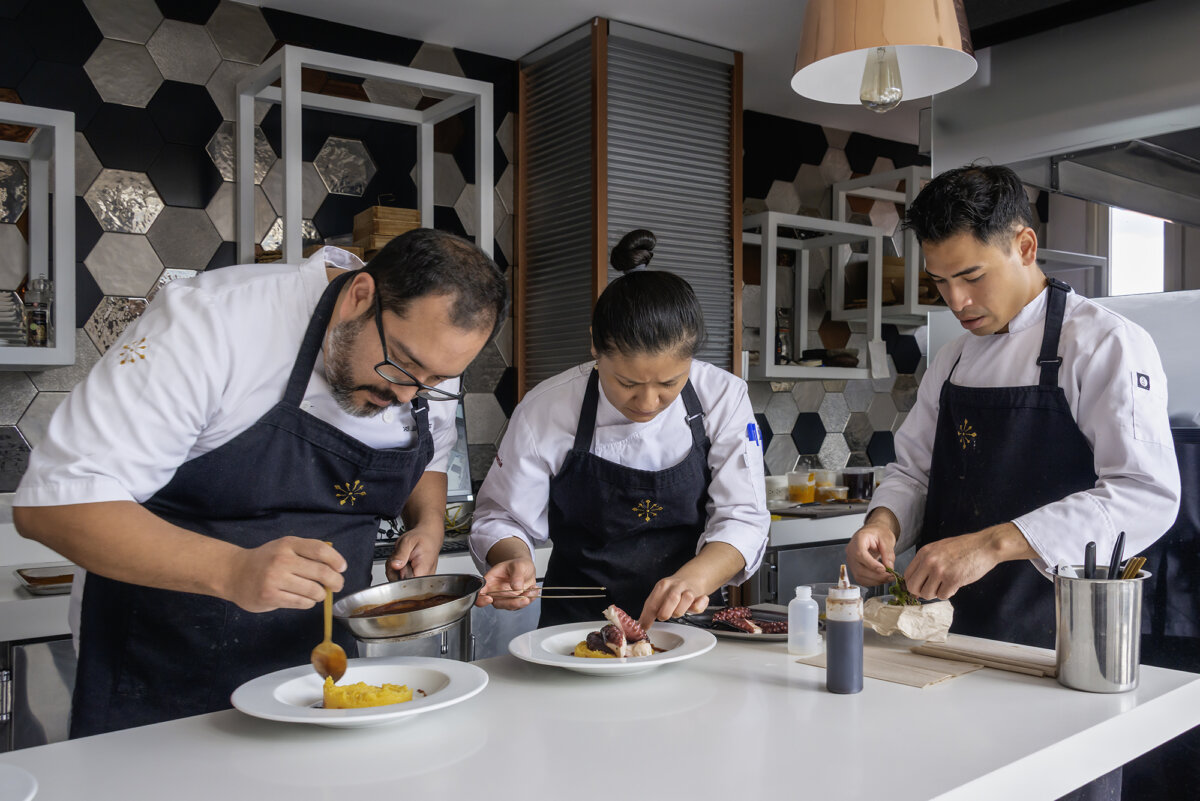
The affable chef did just that during our luncheon in the intimate restaurant. Donoso personally prepared and presented each dish to us, accentuated with sparkling conversation. The tour de force was an epicurean delight he called “octopus passion”—not on the eclectic menu—improvised with inspiration to perfection.
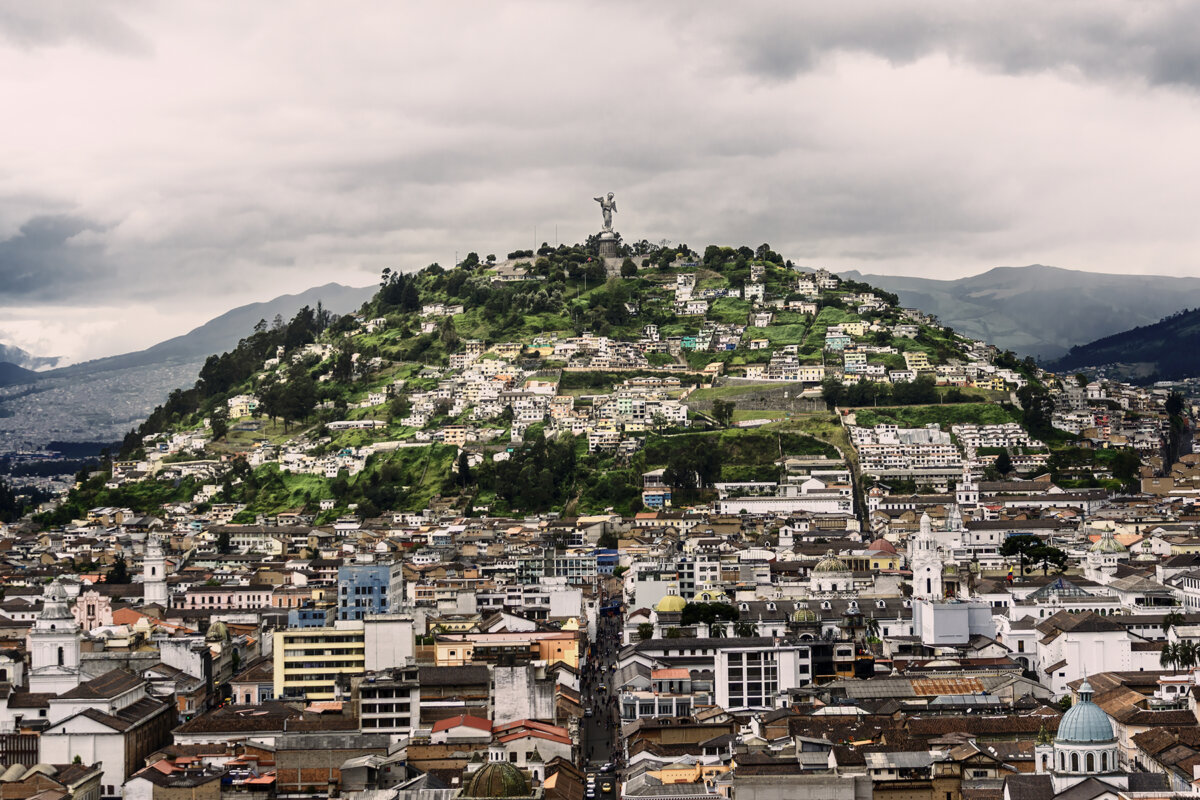
We dined one evening at the rooftop bar, which commands views of the hilltop Virgin of El Panecillo and the glittering lights of the city. After savoring our delectable five-course dinner with entrée selections including Galápagos scorpionfish and Amazon paiche, we listened to a spirited, traditional folk quartet.
Pedestrian Promenade in Colonial Corridor
The next morning, we set out on a private, full-day walking tour of Quito’s Old Town through Voyagers Travel, which specializes in tailor-made, interactive historical tours. Our knowledgeable and personable guide Gina Castillo, 43, attended high school in the United States and earned a master’s degree in psychology in Ecuador.
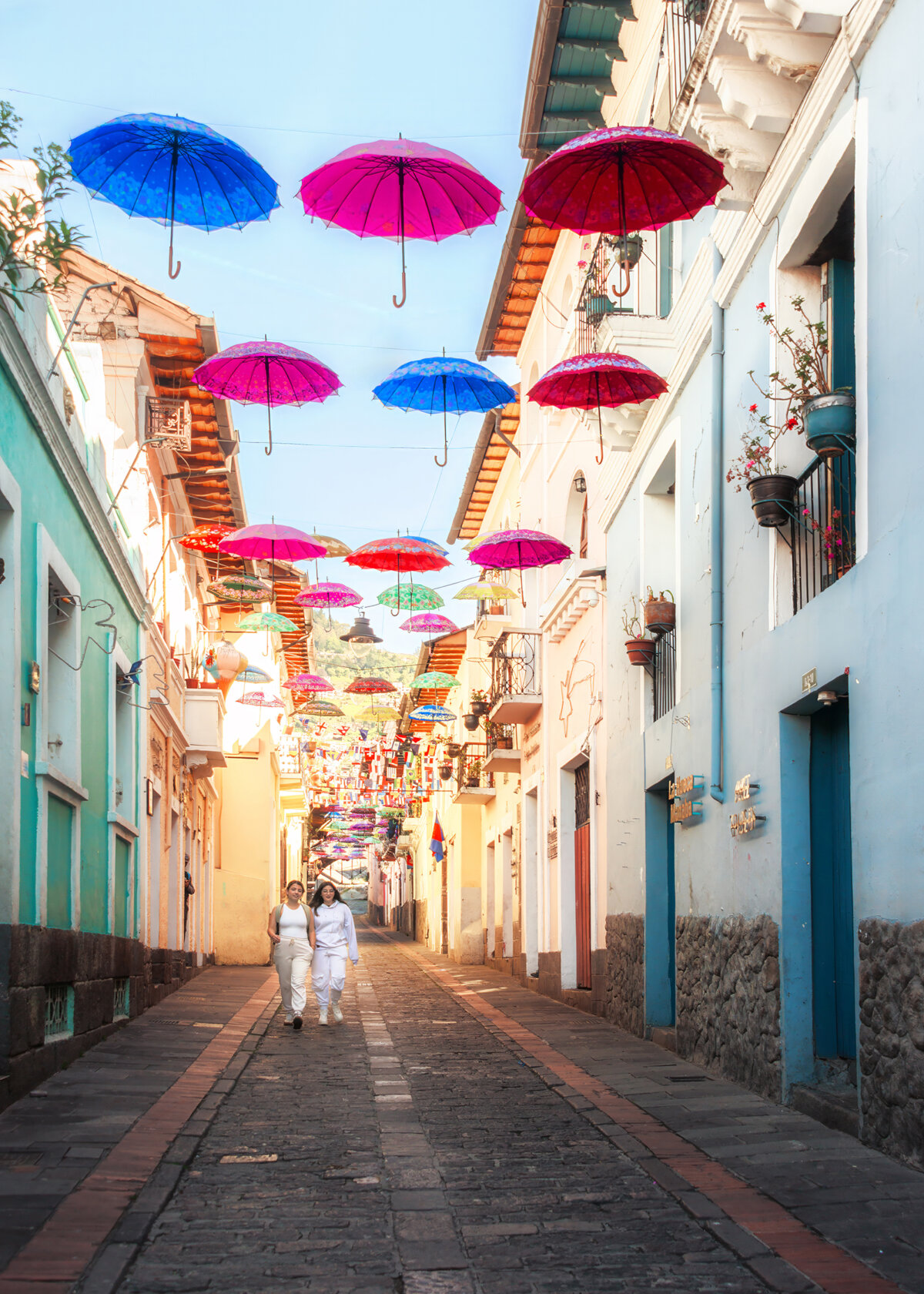
We strolled alongside Castillo on the colonial Calle La Ronda, one of the oldest streets in Quito, with its cobblestones worn smooth by centuries of foot and hoof steps. Young enamorados on horseback wooed fetching señoritas leaning out from carved wooden balconies laced with delicate wrought iron and graced with bright blooms. In the early 1930s, La Ronda arose as Quito’s artist quarter—a place where poets, painters, and composers caroused in the bohemian cafes until near daybreak.
The narrow pedestrian promenade passes between colorful colonial houses, many converted into spaces for cafes, chocolatiers, and craft shops. The street takes center stage for folkloric dancers, costumed reenactors, and musicians playing traditional Andean instruments. At nightfall, La Ronda pulses with couples clinking cocktails and dancing salsa in clubs.
Craftsmen, Chef, and Chocolatier
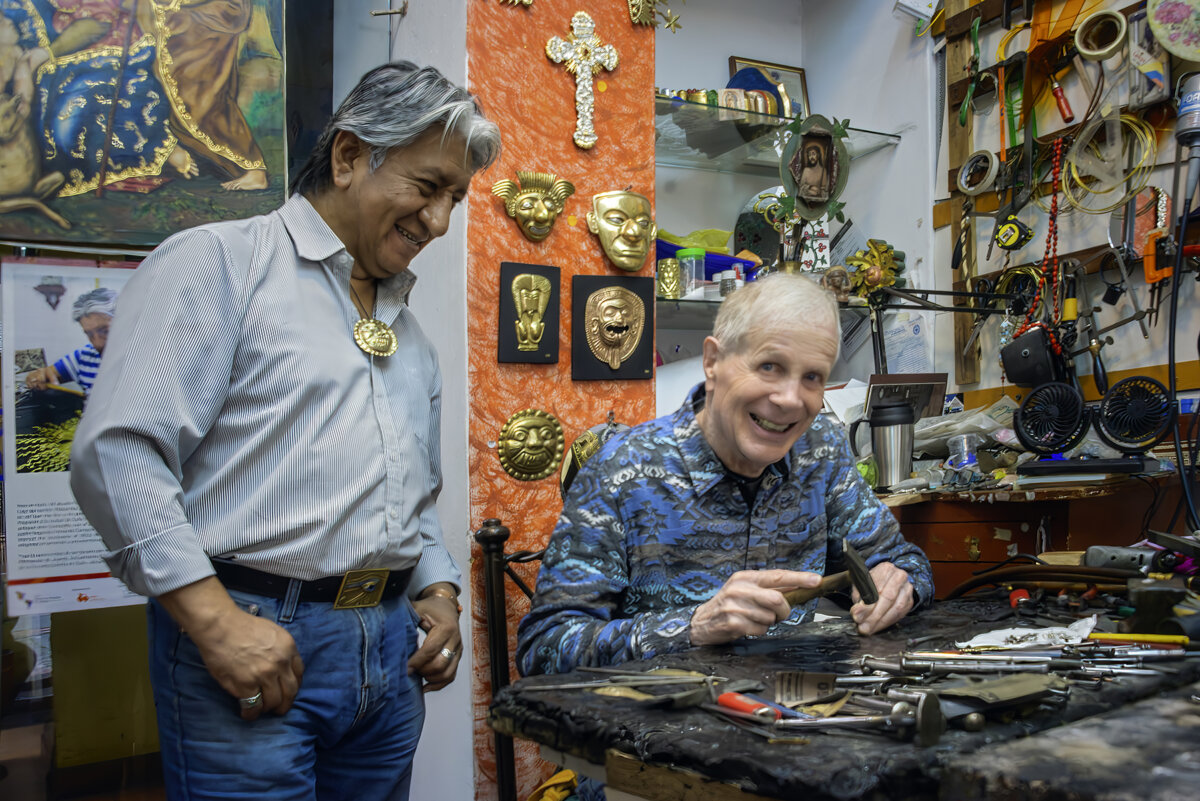
Castillo introduced us to La Ronda artisans, happy to talk about their work. Germán Campos continues the family legacy of making silver and bronze copies of religious museum pieces in his tiny workshop.
“I want to maintain the fusion between Spanish artifacts and colonial churches,” he explained.
Campos, who has practiced his craft for 45 of his 63 years, taught us the intricacy of metal artistry when we fashioned a miniature flower design.
Within the block, master woodworker José Luis Jiménez preserves the Renaissance and baroque style of the Quito School—a predominately religious art movement born in the mid-1500s with the Spanish conquest. The 42-year-old makes small bargueños. The inlaid, decorative chests with secret drawers were coveted for storing valuables during the colonial period.
“It took me three months to design and make a bargueños for Pope Francis,” he said with evident pride.
The owner and chef of La Negra Mala greeted us in the central courtyard of her colonial La Ronda home she has lived in for a half-century and turned into a convivial restaurant 18 years ago. The 59-year-old vivacious Vicky Carvajal showed us to the large kitchen and had us roll up our sleeves to prepare empanadas de morocho, a crispy cornmeal turnover filled with cheese and spices. We relished them with freshly squeezed naranjilla juice and rich Ecuadorian coffee in the festive dining room.
Ecuador is known for its fine chocolate, and the Old Town has several boutique chocolate shops and cafes.
“The sweetest part of our tour is the Yumbos Chocolate Artesanal factory,” Castillo said.
We sampled eight varieties of chocolate—including such flavors as lemon, orange, mandarin, chili, coffee, and mint—topped off with a plate of brownies and cup of hot chocolate. Our private chocolate-tasting tutor Amanda Valencia, 23, described the cacao as “food for the gods.”
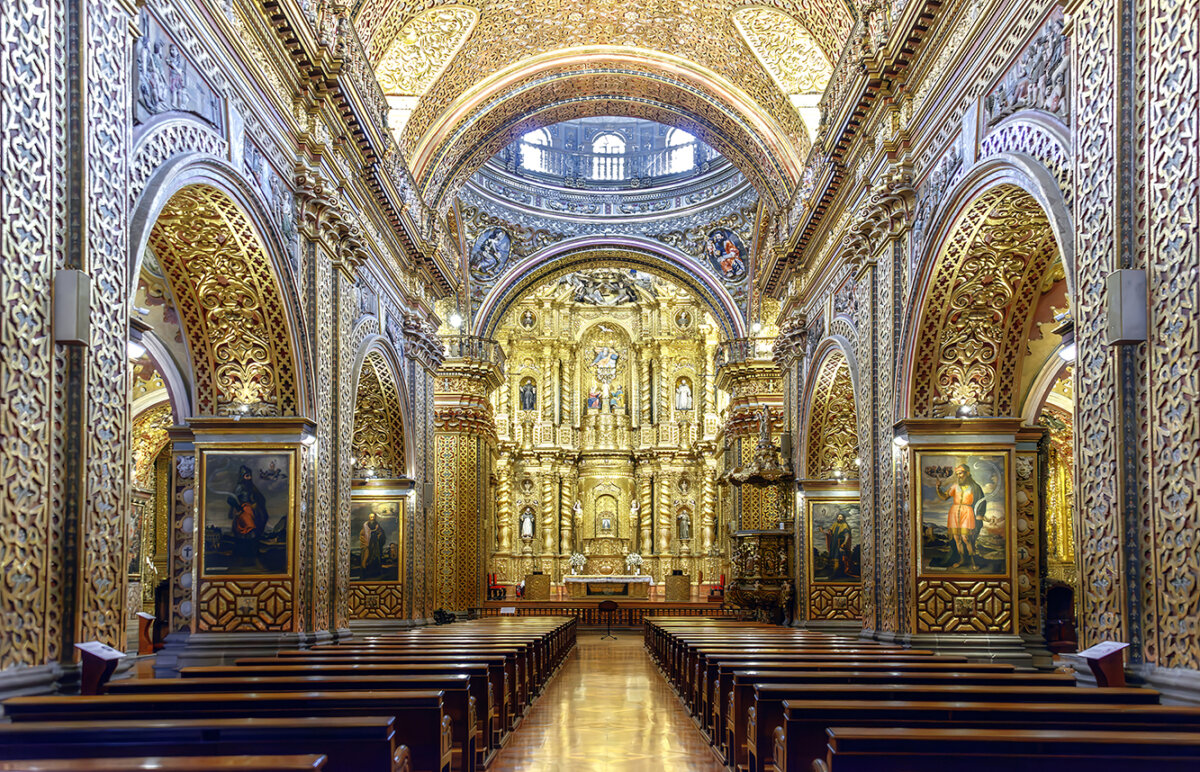
Believing that we should seek redemption for our decadent chocolate indulgence, our tour culminated with visits to two exalted churches in the historic district. La Campañía de Jesús is called the “Golden Church” for its ornate, baroque interior covered almost entirely in intricate gold leaf.
The architectural marvel La Basílica del Voto Nacional is the largest neo-Gothic church in Latin America. Built over a century starting in 1887, it blends European style with Ecuadorian symbolism. Instead of stone dragon gargoyles, native animals such as iguanas, armadillos, and Galápagos tortoises adorn the exterior. The magnificent stained-glass windows depict Ecuadorian saints and historical scenes.
Touching Hearts
The Illa Experience Hotel, in partnership with Voyagers Travel tours, offers exclusive opportunities for firsthand insight into Ecuador’s artistic and cultural heritage. We interacted with artists and chefs in their workshops, studios, and kitchens, which sometimes were in their homes. Their creative passion and infectious delight in sharing their talents and traditions with us touched our hearts and stirred our imaginations.
