



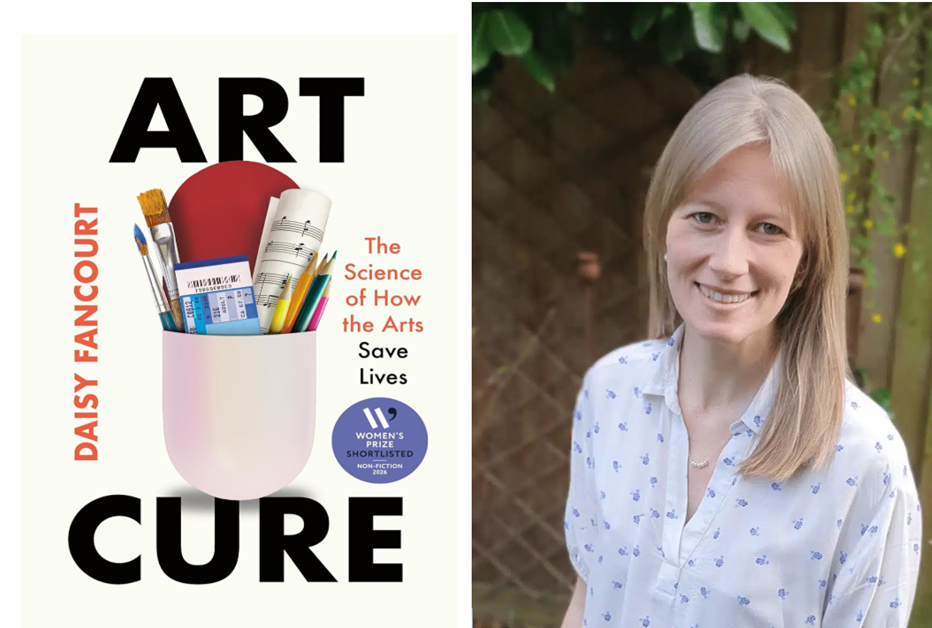
The research and anecdotes shared by author Daisy Fancourt in her book “Art Cure: The Science of How the Arts Save Lives” provides more than enough evidence that the arts—everything from classical music to hip hop and from art galleries to sidewalk graffiti—should be considered the fifth pillar of health.
She claims that the arts should stand equally alongside diet, exercise, sleep, and nature. Fancourt takes a deep and fascinating dive into the science behind her claims that the arts can mean a longer and more enriched life.
Her expertise stems from the research conducted over the course of 15 years. As a college student, she was torn between studying art or science and decided to combine the two. From that point on, she didn’t just play the piano, she questioned how music altered biological cells; when working at a hospital, she introduced a music program that comforted children during injections and examinations. Fancourt recounts how witnessing the health improvements of the patients pushed her further into the science behind it.
Big Improvements
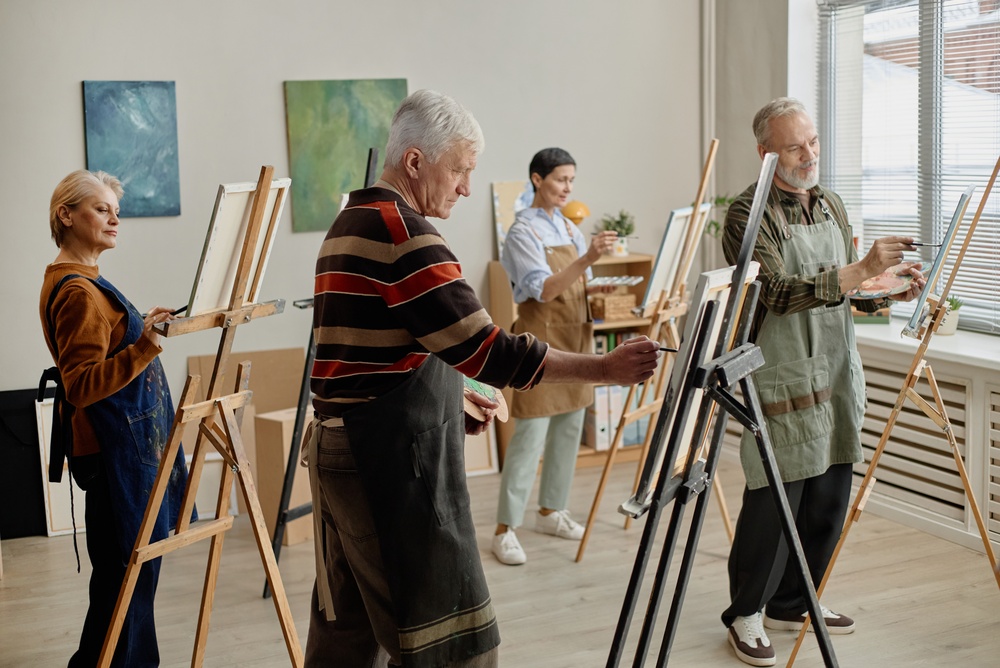
Even simple activities can mean big improvements. This includes drawing workshops, choirs, book clubs, dance and drama groups, even pottery classes. Engaging in these activities improves mental health and well-being, lifts people out of depression, wards off dementia, and enhances functionality of the body.
When children engage in the arts, she wrote, “they’re less likely to be lonely or develop behavioral problems, commit crimes, or use marijuana or tobacco.” Despite the skeptics that discard these theories, the book says, “the biological markers tell a different story.”
The opening pages introduce Russell. After suffering a stroke, he endured extreme back pain, sleep apnea, and a loss of his job. Despite a regimen of prescription medications, he began falling into depression. But something inspired his doctor to write a new prescription—this time for art classes.
Russell first thought it a joke but, with nothing left to lose, signed up for a painting class. “Being around the paints, the colors, and the calming atmosphere had an impact.” Russell experienced a new relaxed state, an improvement in his mood, and a decrease in his pain level. He continued the art classes, became a celebrated painter, and was invited by a local gallery to exhibit his works.
Part of Health Regimen
Participating in the arts should be part of our health regimen. The book is divided into chapters with clear and practical titles, each one focusing on seven distinct benefits: arts for wellbeing, mental health, brain health, movement, stress and pain reduction, healthy living, and longevity. It would be hard to come up with an area of the body that’s not been addressed.
Fancourt questions why the arts and the range of their benefits haven’t been more widely discussed. Calls to improve our health are everywhere: “Cut your sugar, eat your vegetables, eliminate ultra-processed foods, quit smoking, moderate your alcohol, go for your health screening,” and the list goes on and on.
But, she wonders, why are we not advised to visit an art gallery or watch a dance performance when being prescribed a medication? That’s discussed in the final chapters.
But here’s one big problem: The percentage of people engaging in the arts, she says, has been “declining consistently” since the 1940s. It could be that opportunities to participate in them are difficult if living in areas without museums or art spaces. Or, maybe, one’s circle of friends is not supportive of spending time in a gallery. It hasn’t helped that schools have reduced their art programs. Whatever the reason, Fancourt offers ways to counter these barriers with actionable tips.
One of the strengths of the author’s argument is that engaging in the arts doesn’t have to be expensive. Local community productions, for example, or online instructions to learn a new craft or meal prep should be easy to find.
One weakness in her proposal could be the repetitiveness in her suggestions and benefits. These make some of the later chapters redundant. But it’s forgivable considering the range of physical and psychological improvements she included, and an equally extensive list of ways to incorporate art into our lives. She also makes the wise disclaimer that it’s not to be viewed as a replacement for medical care, but a complementary and powerful partner.
Origami and Music
Within every chapter, the author also provides what’s referred to as a “Daily Dose,” or questions for readers to examine barriers they face and practical ways to overcome them. There are also examples of ailments and suggested activities that can offer relief.
In the chapter on movement, for example, she lists knitting or crocheting, beading or origami to improve motor skills. For chronic pain, there’s a technique using music with various “beats per minute” or bpms. For the respiratory system, singing can regulate the air pressure in our lungs and clear our airways.
A professor at University College London, Fancourt is also director of the World Health Organization’s Collaborating Centre for Arts and Health. With hundreds of published scientific papers and multiple academic awards, she’s considered one of the most “highly cited scientists in the world.”
Her last words are a call to action. She encourages communities to make the arts, culture, and creativity a priority so that in moments of “stress, loneliness, pain or illness, they’re there when we most need them.”
‘Art Cure: The Science of How the Arts Saves Lives’
By Daisy Fancourt
Celadon Books: Feb. 3, 2026
Hardcover, 320 Pages
What arts and culture topics would you like us to cover? Please email ideas or feedback to features@epochtimes.nyc
