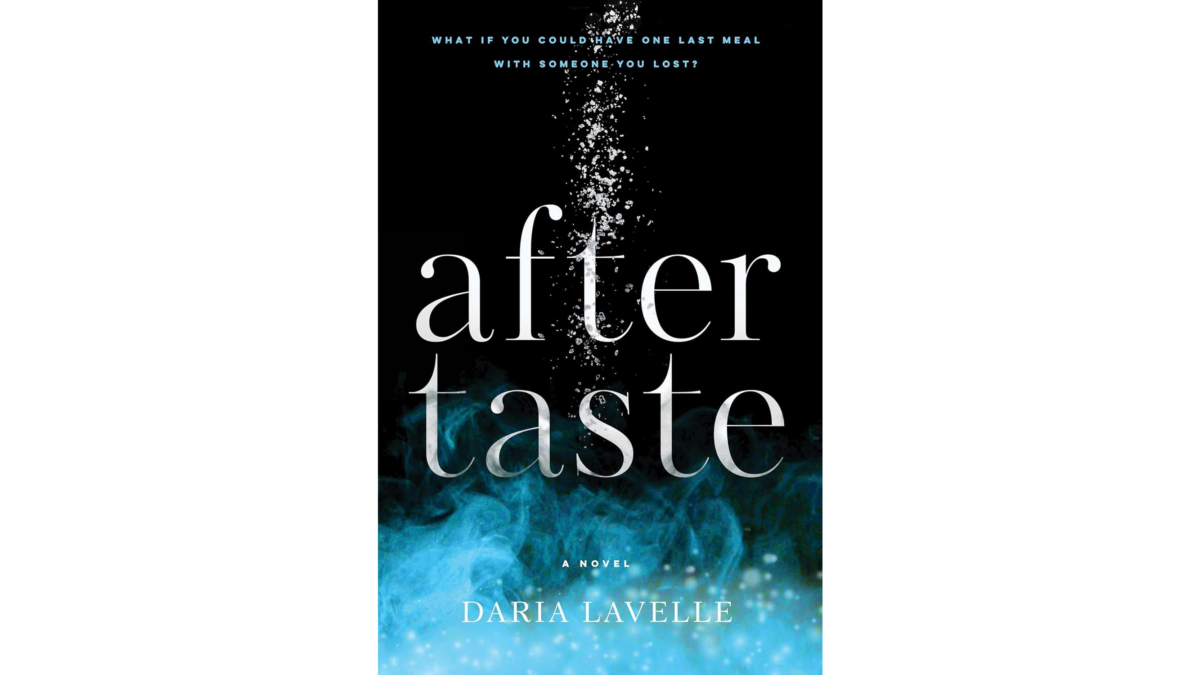
Depending on what you like in literature, “Aftertaste” by Daria Lavelle is either a unique speculative culinary-lit experience or a wrong turn into a back alley New York bistro that was better left alone. Definitely an acquired taste.
To be fair, it begins quite well. The story starts by following the childhood of Konstantin “Kostya” Duhovny, a poor, awkward New York City kid who lost his Russian immigrant father at a very young age. His last words to his father were those of disgust and scorn; he tells his father the family should have stayed back in the old country where Kostya could’ve been a chef, instead of a pathetic bus driver in America.
Soon after his father’s death, Kostya is essentially abandoned by his grieving mother, unable to cope with the loss of her husband. Kostya then begins to experience a sudden and vivid taste of something he’s never eaten before. Instinctively, he recognizes it as his father’s favorite dish, pechonka, a traditional meal of sautéed liver and onion.
As time goes on, a wide variety of tastes start spontaneously manifesting, usually when he crosses paths with strangers, and he thinks the tastes might be related to them. He tries to tell his mother and others about this “clairgustance,” or “ghostly tastes,” but no one believes him.
Many years later, Kostya is a bartender with a last-minute customer who wants any kind of drink to console himself over the anniversary of his wife’s passing. Kostya suddenly gets an impression of a cocktail and is inspired to try mixing it. The result is that the customer’s dead wife returns as a ghost, and they have one last conversation for as long as the cocktail lasts. As soon as it’s done, the ghost vanishes.
Now, Kostya must decide how to handle this paranormal ability and learn what repercussions it might have on this world and the next.
The Soufflé Collapses
Up to this point, “Aftertaste” generally works. It’s a good concept, following the hot trend that arguably began with “Before the Coffee Gets Cold” by Toshikazu Kawaguchi. These stories pair culinary experiences with paranormal catharsis. Lavelle has the right ingredients, and there’s definitely some talent here from a debut author. But none of this promise pans out.
Lavelle’s prose is akin to a marathon poetry slam night, exploring themes of love and death through a torrent of food imagery, metaphors, and similes. Kostya’s realization that he’s in love is described as “[not] a flash in the pan, quick sear, raw within … his initial wallop of attraction so thin and bland beside the concentrated feeling that consumed him now, [a] love that had simmered slowly, sauce marrying over long, low heat.”
I’d estimate that 80 percent of the book is like this. There is even a section of the book that is entirely composed of poems, which are mostly just lists of ingredients.
But Lavelle’s style also shifts dramatically whenever she must create something real and concrete, moments that must move the plot forward. These sections are almost all cookie-cutter, trade paperback verbiage: “[Her] heart pounded. Did he want them to move in together? A wedding? A life? They were things she’d wanted one day, too, with him—with only him—but which seemed impossible now.” It’s like two chefs working at odds on the same dish here.
An Ethereal Food Court?
Then there’s the theology of “Aftertaste.” You might want to grab an antacid.
Apparently, when we die, we all go to the “Food Hall.” This is a heaven that’s full of “coffee shops and grocery stores and restaurants,” which she calls an “all-you-can-eat Edible Eden.” While it may be a metaphorical place, it’s also a literal one where Kostya travels so he can cook for “hangry” ghosts and save the day.
Lavelle’s description of the afterlife is a kind of gluttonous buffet, á la Dante’s third circle of hell, except the departed enjoy this version. So, gorging yourself is the ultimate reward?
There is a moment early on that almost made me toss the book aside: a summoning scene involving a Catholic nun (in full habit, no less), who comes to visit Kostya’s nascent “connect with your dead loved one over a meal” restaurant. This scene would be highly offensive if it weren’t so utterly ridiculous.
What can be said about the choice to have a nun in a secret lesbian love affair, one where a rival nun murders in her pursuit to become the “Reverend Mother”? The response might be that this comes across as grossly ignorant and perhaps fetishistic. The scene then devolves into something beyond farcical when the sister casually confesses to her lover: “I always believed that if there were a Heaven, I’d be a shoo-in.” What, exactly, was the point here?
Just because an idea is creative doesn’t automatically mean it’s good. Mixing pickled banana peppers with rocky road ice cream is a novel concept, but I don’t see that becoming the next Baskin-Robbins special.
Of course, today’s cultural climate is full of examples of tastelessness, so I regrettably admit this book could become the flavor of the month. Personally, I’d rather fast for the night.
‘Aftertaste’
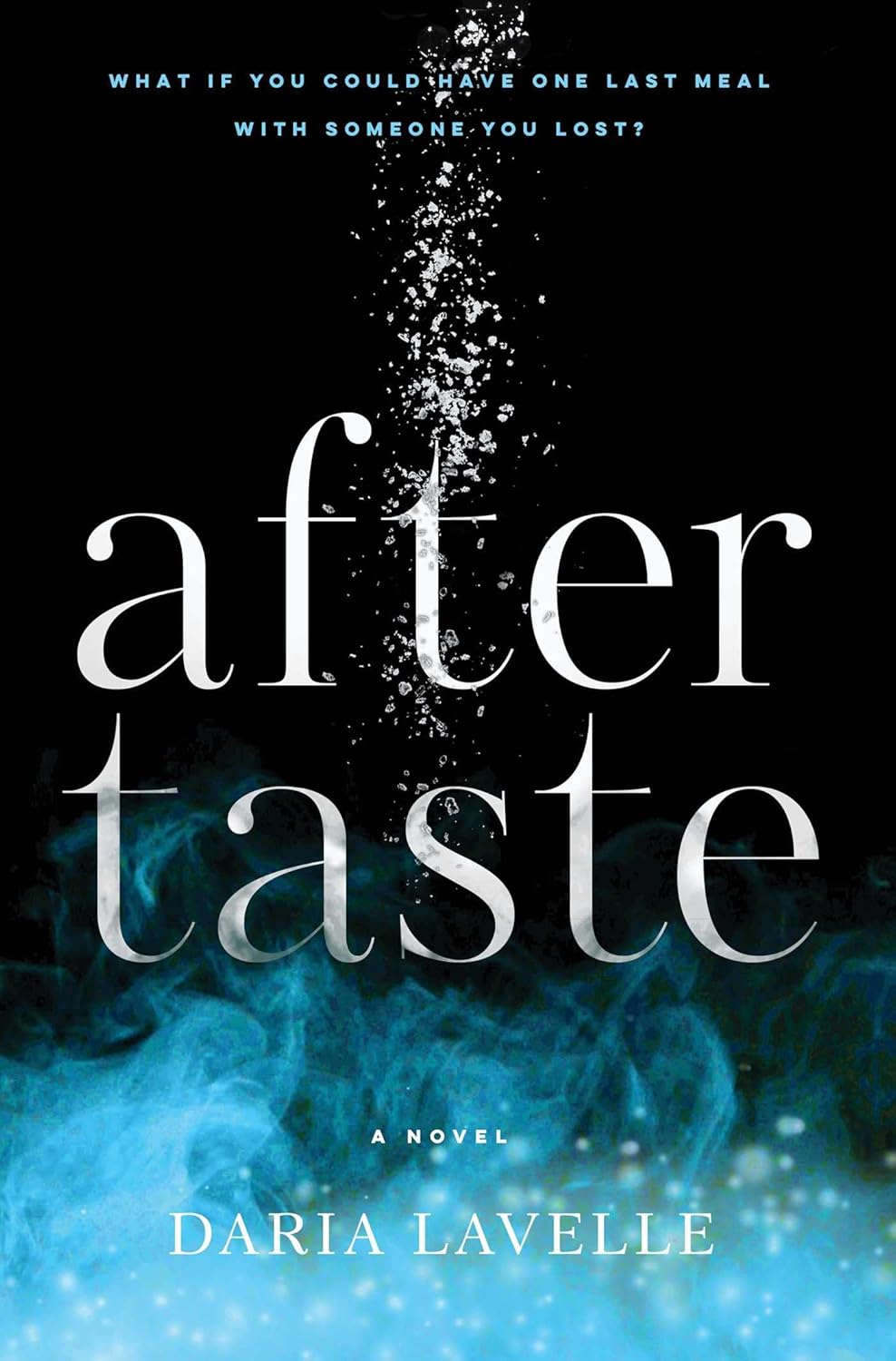
By Daria Lavelle
Simon and Schuster, May 20, 2025
Paperback: 400 pages
What arts and culture topics would you like us to cover? Please email ideas or feedback to features@epochtimes.nyc