



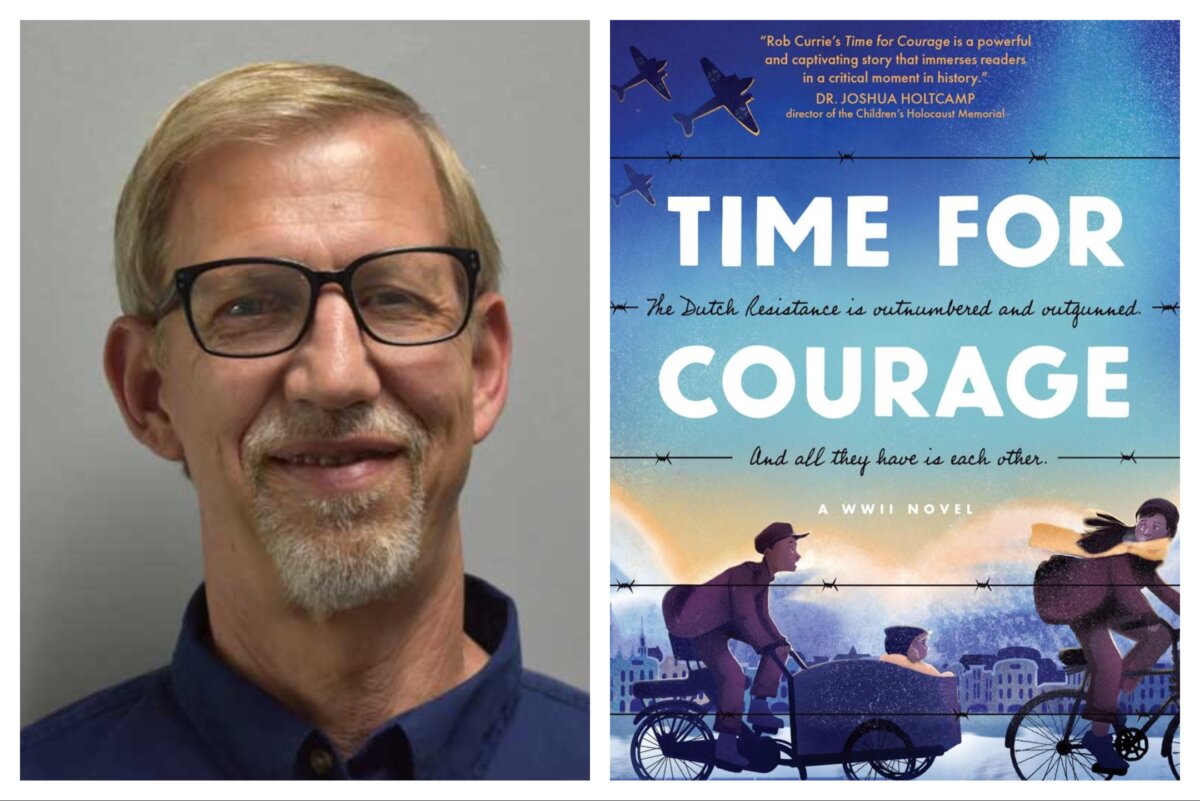
When Judson University professor Rob Currie set out to write a World War II historical fiction set in the Netherlands, his route to become a published author was unusual.
The Written Word
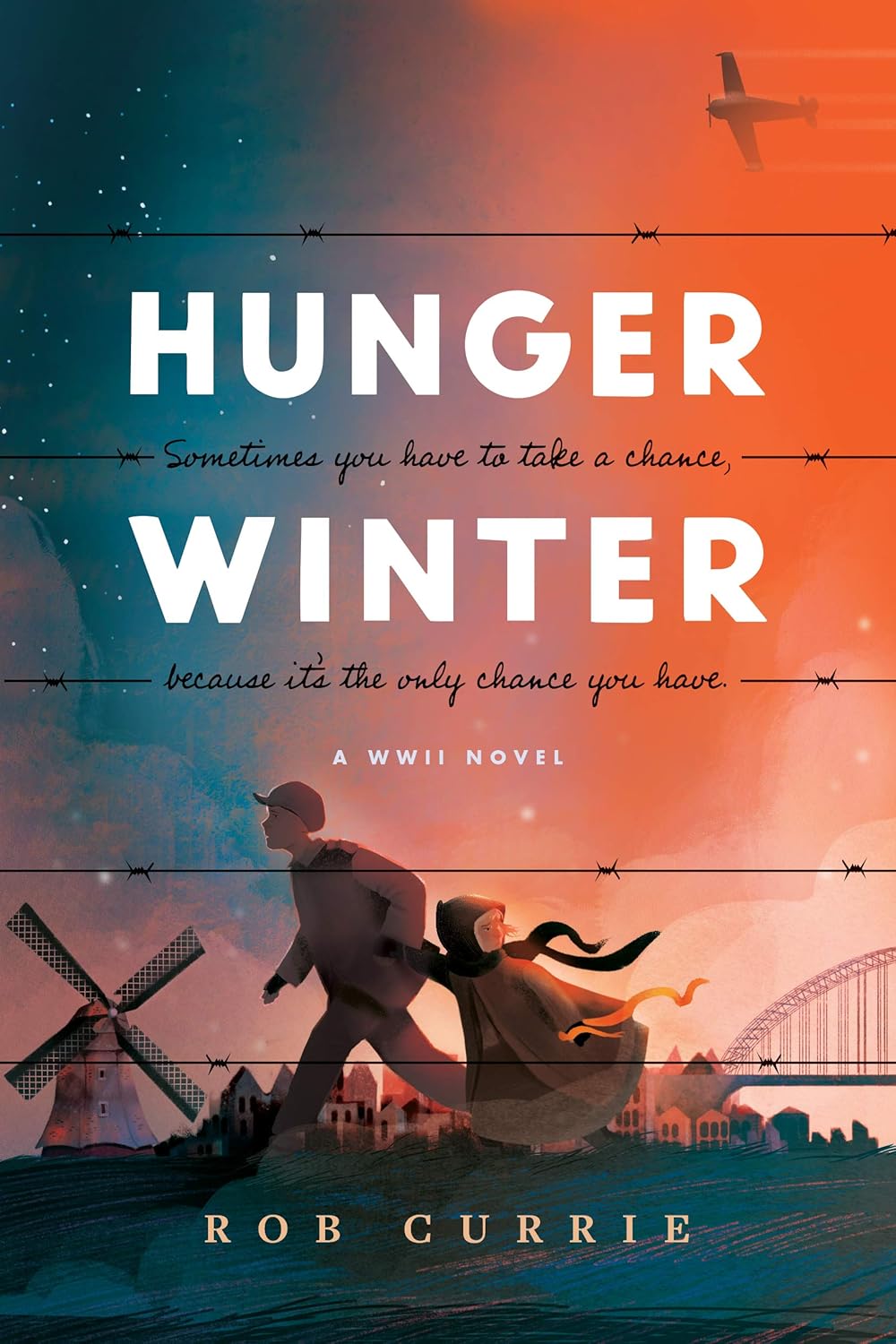
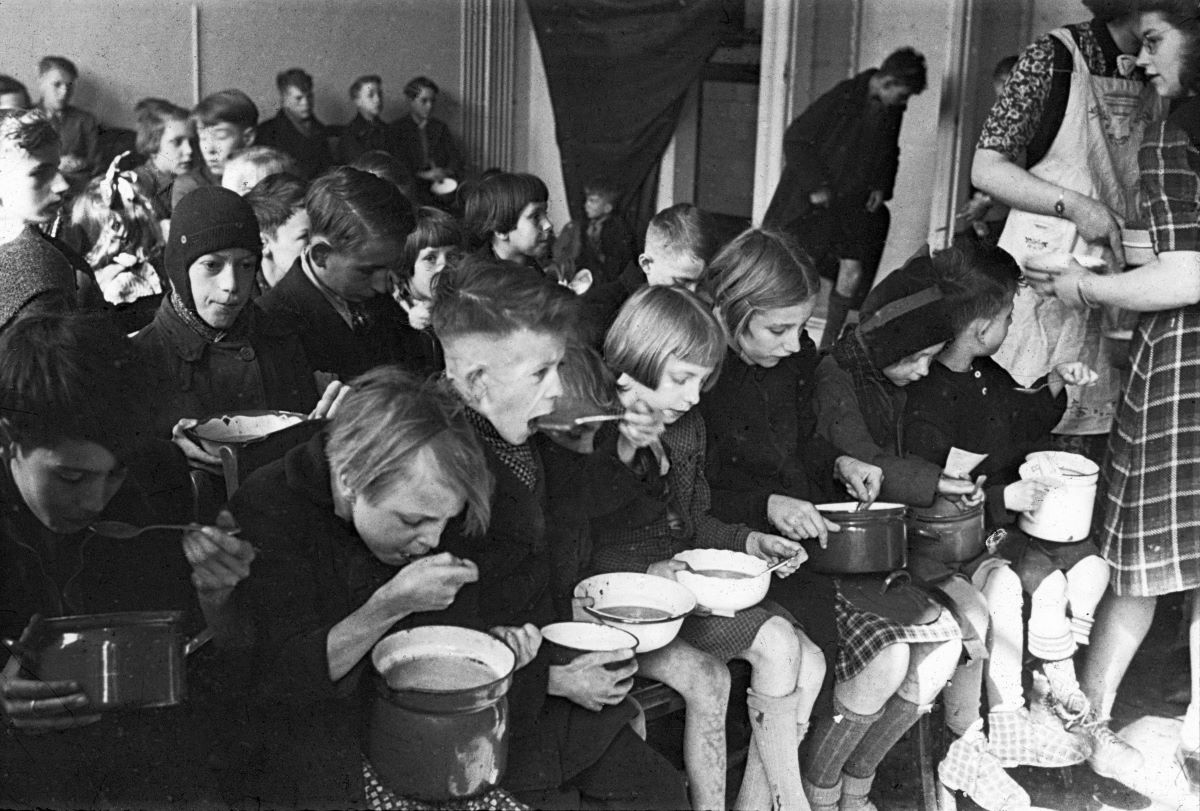
Currie’s first book, 2020’s “Hunger Winter,” takes place during the Dutch “Hongerwinter” of 1944 to 1945—a time when Nazi occupiers essentially starved the western part of the Netherlands in retaliation for their support for the Allied troops.
Here, readers meet 13-year-old Dirk Ingelse, whose father, Hans, is the most wanted man by the German Nazis for his work with the Dutch Resistance. When his older sister Els is taken by the Gestapo for questioning, Dirk must protect his 6-year-old sister, Anna, from being taken and used as leverage to capture their father.
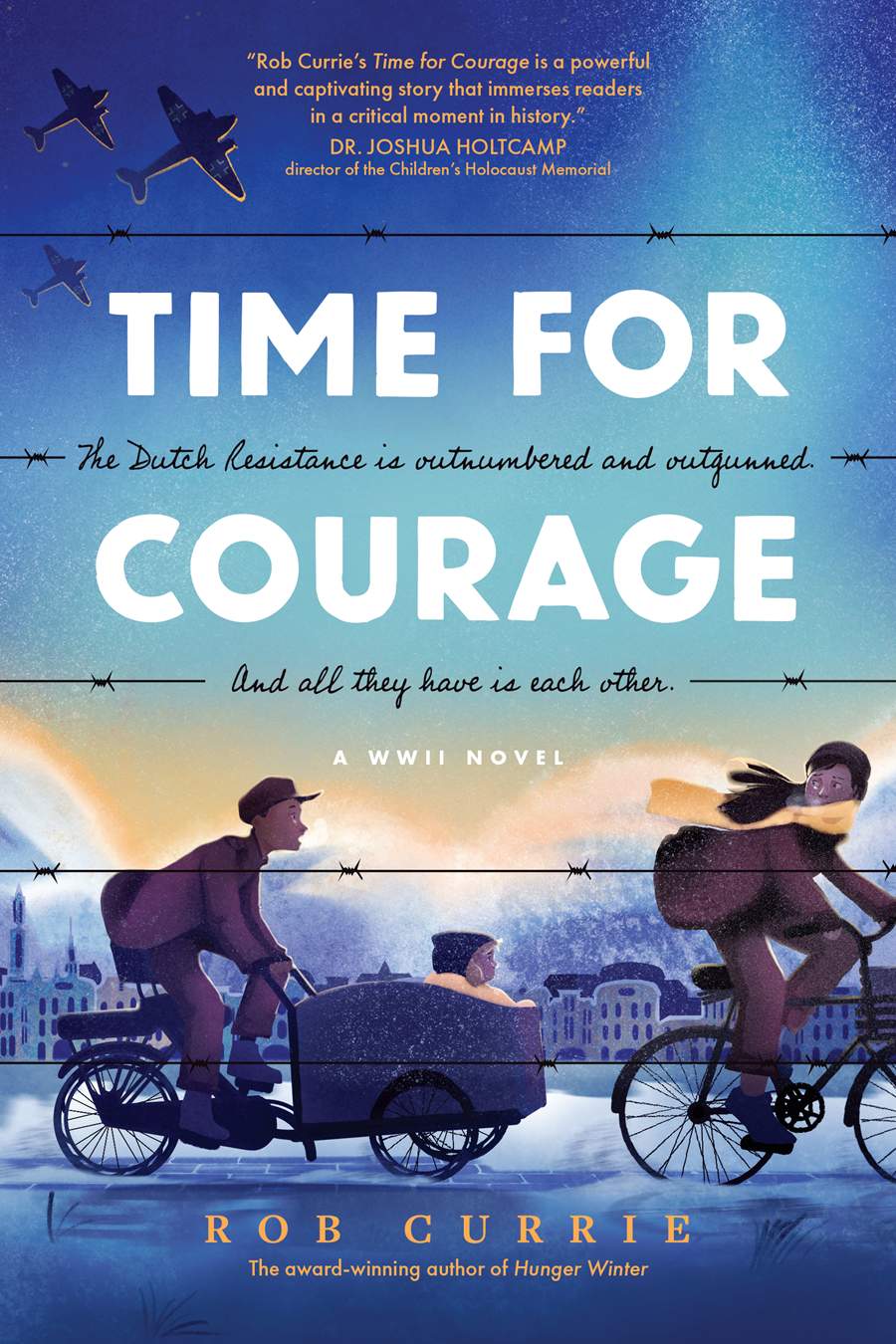
The second book, “Time for Courage” (2026), continues the Ingelses’ story, as they actively work with the Resistance during the German occupation. Hans and his children find creative ways to help rescue Jewish children before they are “disappeared.” Dirk must show initiative as he hatches and executes escape plans, needs to think on his feet to get out of dangerous situations, and, most of all, has to be brave because the stakes are bigger than he is.
Currie’s two books for middle-grade readers have been endorsed by many award-winning authors such as Joseph Bruchac, author of the Young Adult book “Code Talkers,” and by three Holocaust museums, including the Corrie Ten Boom House in Holland.
Writing for Young Readers
Currie told The Epoch Times of the time when his then middle school son had written a short story set in WWII Netherlands. Currie, who himself loved reading books on this period in history, thought he and his son could expand the story together. After a few sessions, the elder Currie was hooked on the project, but his son’s other teen preoccupations took precedence; the project became a solo endeavor.
Though he had no experience writing stories for children, Currie believes that events in his life led to this specific purpose. He shared a story about his oldest son, who, when younger, was a reluctant reader. Currie read to him to get him motivated to read. “In the process of reading [children’s books] to him, I was being trained, without my knowing it, on how to write good books for kids. … God, or life, was preparing me [to be] an author before I even knew it,” he said.
After finishing his first book’s initial draft, it took him a few years to find a publisher. Throughout this process, he was given tips and advice by agents and editors on how to improve the story and his writing. Despite his frustration, Currie acknowledges in hindsight that the feedback helped refine the story and made him a better writer.
When writing for children, he explains, “There’s an unspoken formula … where you’re supposed to introduce the characters first and … then you make something interesting happen.”
True to this “formula,” Currie’s books “start out full throttle. Somebody’s running at top speed, running for his life … [grabbing] the [reader’s] attention. There are a few reprieves where they get to catch their breath, then they pick up the pace again. … It’s not a lazy river, it’s white-water rapids.”
It took him seven years to write “Hunger Winter” and another six to finish “Time for Courage.” His hard work finally paid off when the country’s largest independently owned Christian publisher, Tyndale House, picked up his books
Writing WWII
With so many books published on WWII, Currie had to find an angle: “It’s hard to find a compelling story that hasn’t already been covered. … What I wrote about in my books are based on things that are only available in the Dutch language, so the things I cover in my books are largely unknown … in the English-speaking world.”
Despite the gruesome events often associated with WWII, it continues to be a popular setting for historical fiction. Currie mused on this idea: “Heroes shine the brightest in the darkest times, and there’s plenty of WWII stories that show that.” Hence his focus on the work of the Dutch Resistance.
While on a research trip to the Netherlands, he talked to people who remembered what it was like during the Hunger Winter. The churches were filled with people—overflowing to the aisles. “Because when times are hard, [people are] grasping for answers to hard questions,” Currie surmises. “For many people, [they turn to] their faith.”
In fact, the repeating line in “Hunger Winter”—“Keep your hopes up and your prayers strong”—shows the power of faith to help the characters overcome their very difficult circumstances. This positive message infuses light into a dark war.
Through Dirk’s and Els’s stories, Currie wants to share with his school-aged readers that they are capable of “making a difference right now. … Young people are capable of great good.” And through Currie’s own journey, we are reminded that things happen for a reason; though certain things take time, with faith and perseverance, the end can be in sight.
What arts and culture topics would you like us to cover? Please email ideas or feedback to features@epochtimes.nyc
