



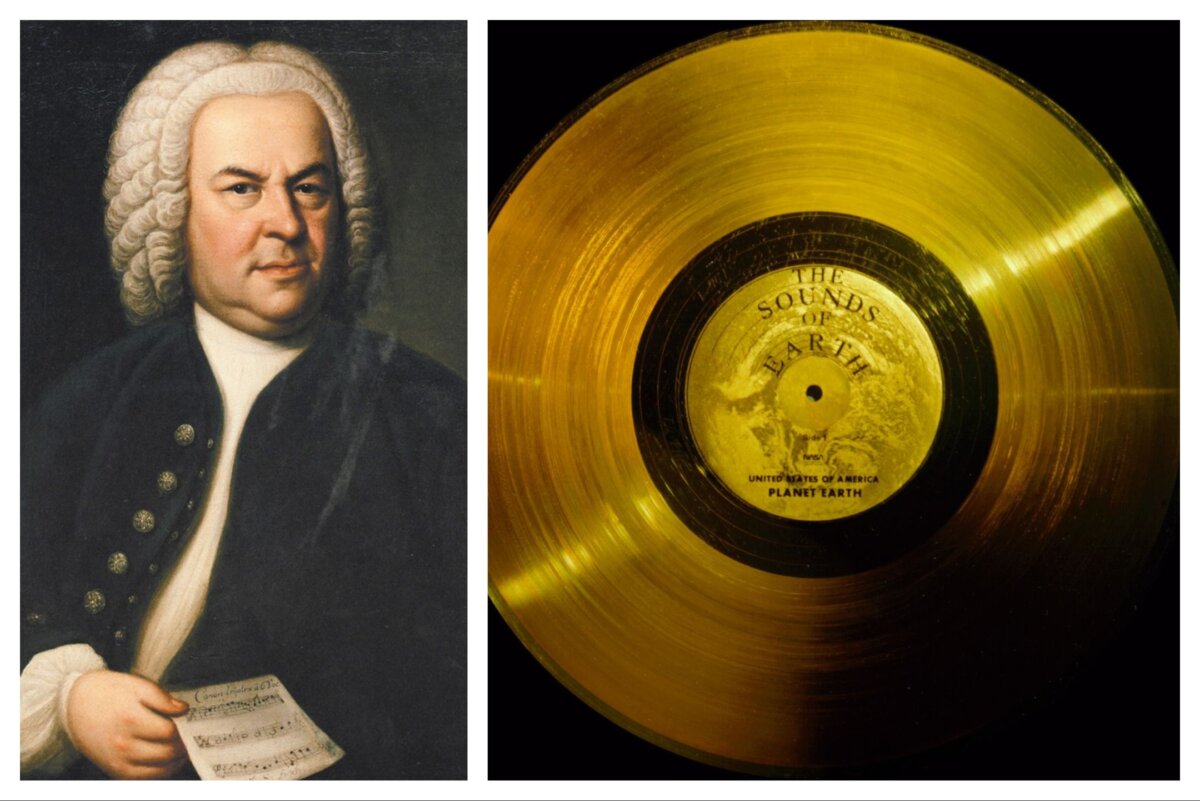
From his “Cello Suites” to his “Goldberg Variations,” Johann Sebastian Bach’s works have become timeless classics. It is hard to imagine Bach not part of the musical canon, yet, after his death, many of his works were neglected and relegated to obscurity. It was only in the 19th century, through the advocacy of composer Felix Mendelssohn, that they regained their appeal.
The six “Brandenburg Concertos” were among the works that emerged from obscurity. Like their composer, they spent decades out of the limelight before skyrocketing to fame. But, unlike their composer, one of them eventually got sent into space.
From Harpsichords to Stars
During the spring of 1719, Bach traveled to Berlin to buy a new harpsichord. While in Berlin, he met and performed for Christian Ludwig, the margrave of Brandenburg-Schwedt. After hearing the performance, the margrave requested Bach to send over some of his compositions.
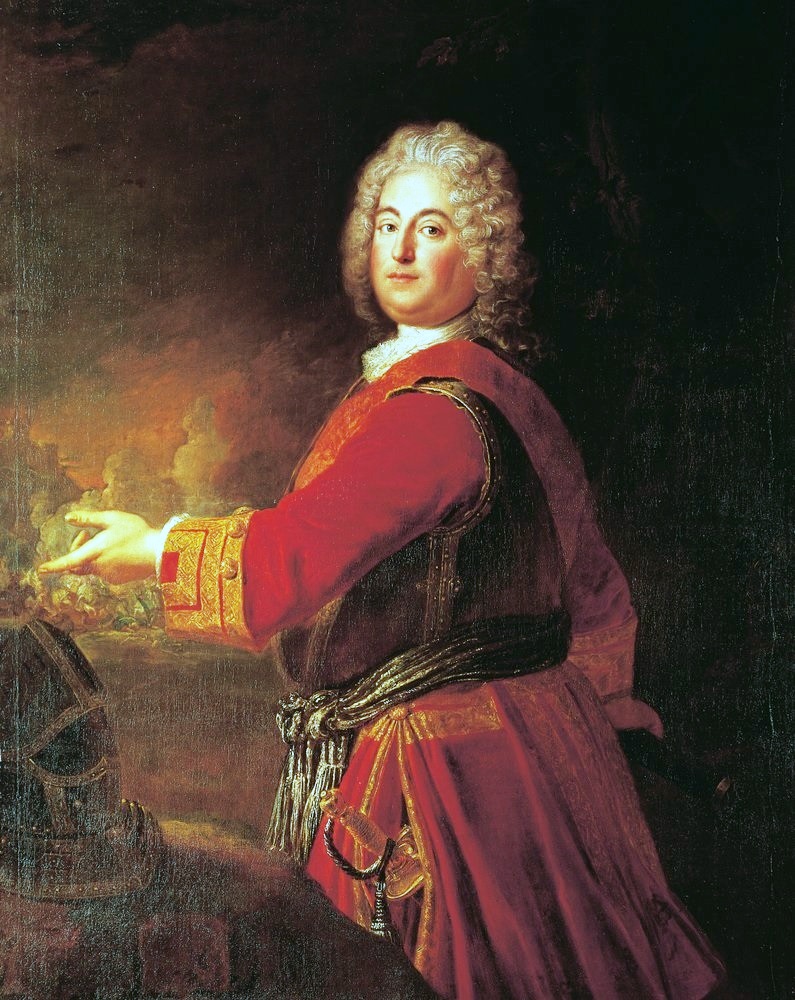
Eventually in 1721, the margrave received a collection of six concertos dedicated to him under the name “Six Concerts avec plusieurs instruments” (“Six Concertos With Several Instruments”). Later becoming known as “The Brandenburg Concertos,” each one featured a small group of soloists passing along musical ideas back and forth to one another, accompanied by an orchestra.
The works seemed never to have been performed for the margrave, however, and were left undocumented in his official library. They got passed on to one of Bach’s students before eventually making their way to the Royal Library of Berlin.
The concertos were finally published in 1850 amidst a “Bach Revival.” At that time, many instruments used in the concertos had faded from popularity (such as the recorder and harpsichord) and various arrangements were made to substitute the instruments. It was only at the beginning of the 20th century that a renewed interest in period instruments led to more performances with the original orchestration.
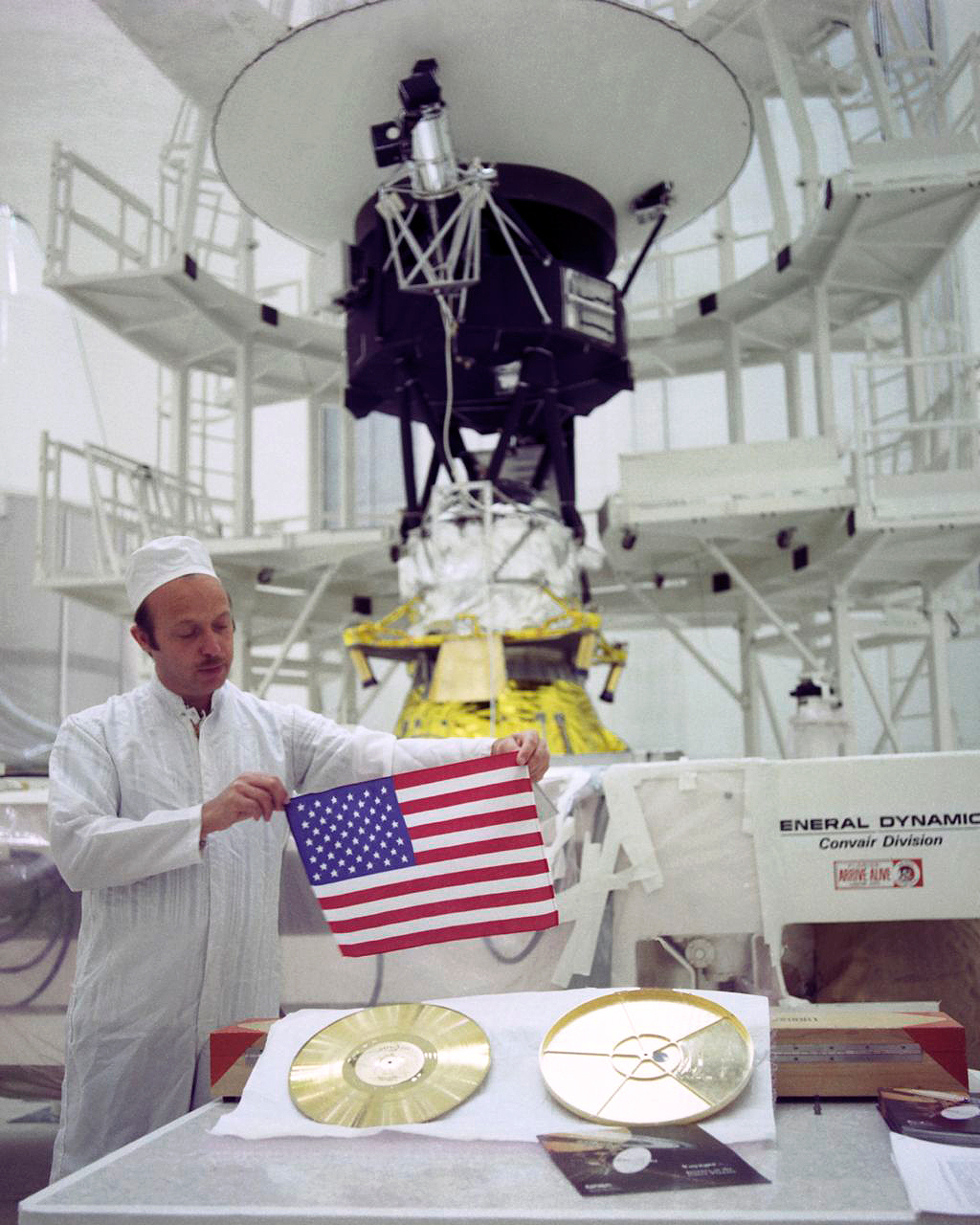
Perhaps the greatest testament to Bach’s comeback is from his second “Brandenburg Concerto.” Having nearly slipped from memory, the first movement was sent into space in 1977 on the Voyager’s “Golden Record.” The record was sent on both the Voyager 1 and Voyager 2 as part of a preservation of Earth’s cultures and sounds; ambassadors of humanity, they were intended to traverse the stars for eternity.
It is through the second “Brandenburg Concerto” that Bach’s music, nearly forgotten after his death, made its way back into the world and eventually beyond it—achieving immortality in the stars.
‘Brandenburg Concerto No. 2’
Today, we present the second Brandenburg concerto, performed by the Orchestra Mozart, led by conductor Claudio Abbado. (Listen)
The work is characterized by its solo trumpet part. Though containing three other soloists—the violin, recorder, and oboe—the trumpet’s virtuosity and brilliance takes center stage. Infamous for being incredibly difficult, some recordings substitute the trumpet for a soprano saxophone.
The opening movement begins with an introduction in which the orchestra and soloists play together. Bach then introduces a short musical figure and passes it from one soloist to the next, with each presenting a variation of it: first the violin (00:24), followed by the oboe, recorder, and trumpet. The movement begins with clearly defined episodes between the orchestra and soloists, but the distinctions slowly blur as the instruments begin to interact more freely—briefly ending with a restatement of the opening material (04:31).
We then begin the quieter middle section (04:48). It is chamber-like and far more intimate. Both the trumpet and the orchestra take a break and the remaining soloists emerge. The trumpet opens the final movement with a brilliant solo (08:33). Still only sparsely accompanied, the other soloists gradually join in. Together, they begin to thicken the texture and sound before the orchestra returns (09:26). Building into an interplay of voices dancing among one another, the piece ends politely and gracefully with a final flourish from the ensemble.
What arts and culture topics would you like us to cover? Please email ideas or feedback to features@epochtimes.nyc.
