



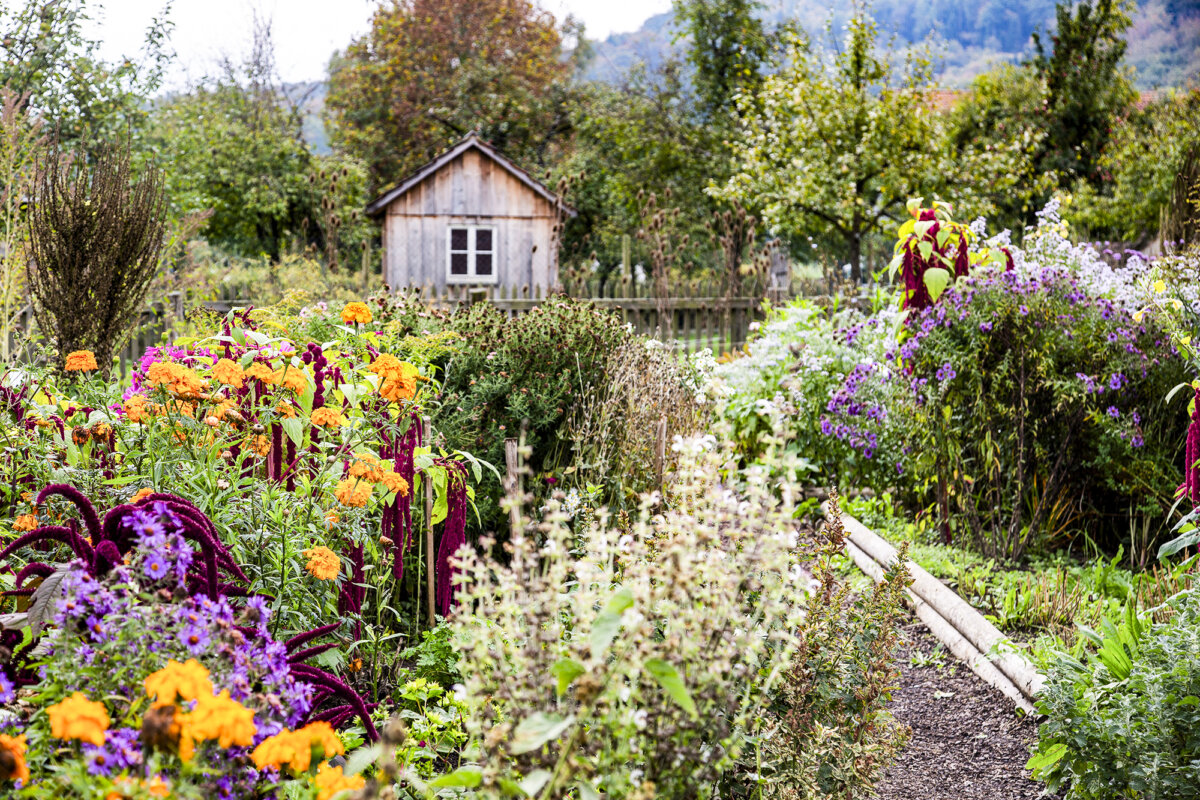
Every fall, home stores overflow with silk flowers in warm golds, muted oranges, rusty reds, and rich burgundies—and with good reason. Few things create an instantly cozy mood like fall flowers. But, of course, live flowers are better. So don’t put the trowel away just yet. There is a wealth of stunning varieties to choose from that thrive in cooler temperatures and will bloom into October and even November—and longer in the far South. Extend the garden season with these beauties.
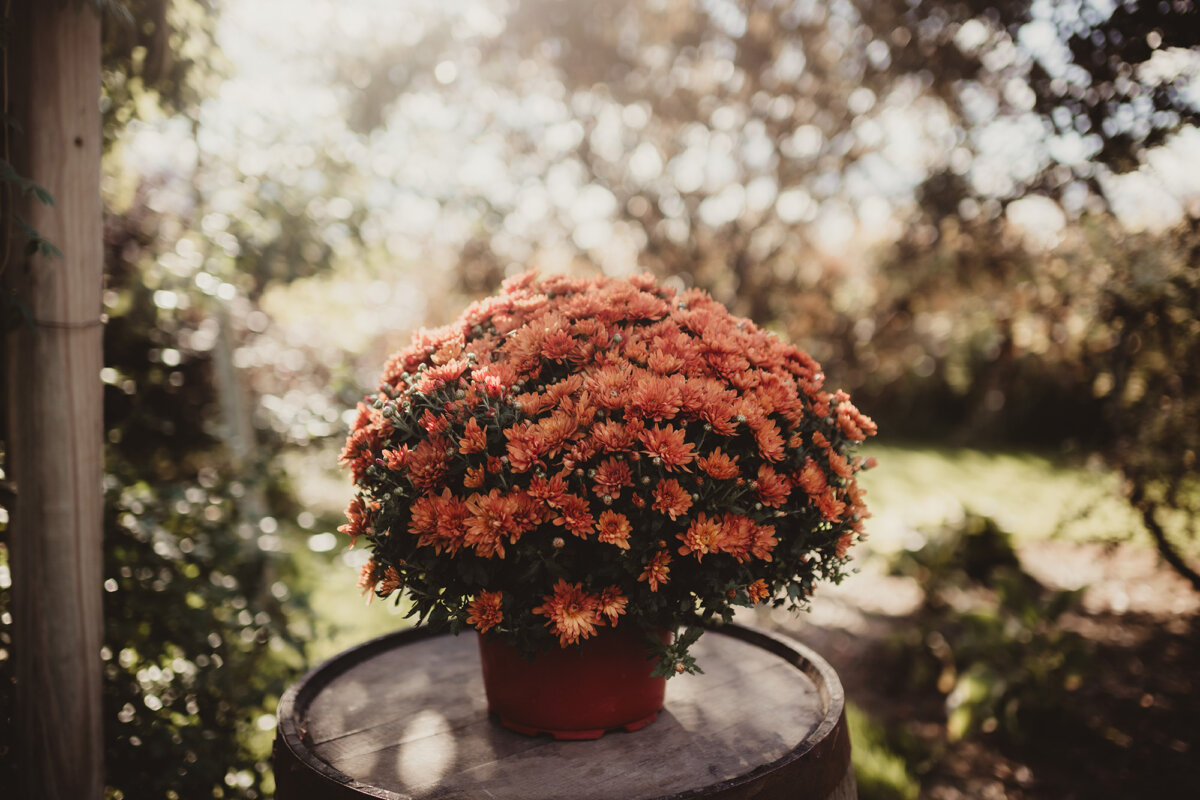
Mums the Word
Chrysanthemums are the rock stars of the autumn bouquet and hold an honored place on porches, decks, and in the yard. Place a pot on each side of the front door to create a warm welcome for guests and family alike. Mums, as they’re affectionately known, come in all the expected fall colors, as well as an elegant cream and peachy-hued salmon, with bicolor selections as well. They will bloom quickly after planting (if they’re not blooming already) and will often continue through the first frosts.
Fall sun is weaker than summer, so make sure that mums—in fact, any blooming flowers—get at least six hours of sun each day for a productive bloom. When it comes to watering, a little goes a long way. Water when the top inch or two of soil begins to dry out. Consider buying an inexpensive moisture meter to avoid having to poke around in the soil and get dirt under your nails.
Effortless Asters
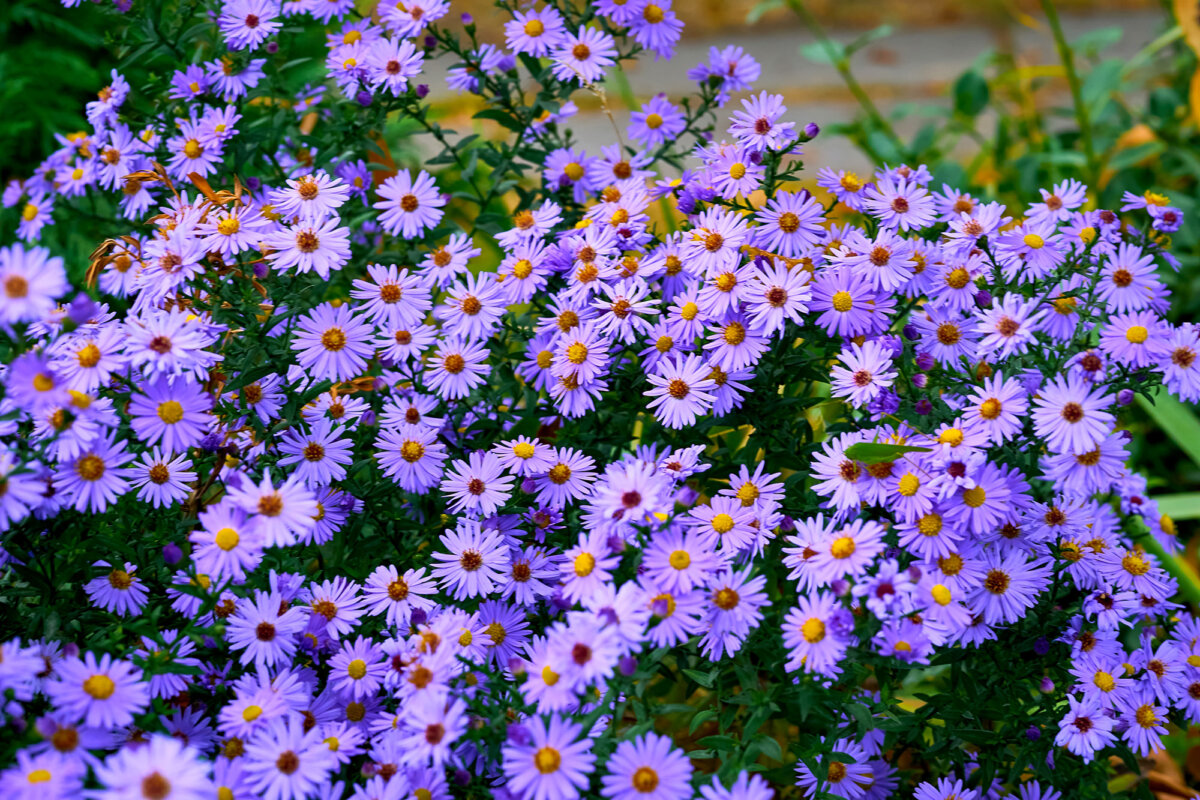
There are more than 100 North American species of asters, ranging from white to blue to purple. They’re some of the easiest and most beginner-friendly plants to grow, particularly since they often sprout readily from seed. However, in mid-September, it may be more prudent to start with nursery plants. In addition to providing beauty, they provide essential late-season nutrition for monarch butterflies and other pollinators.
As with all flowers, deadheading (cutting off spent flowers) encourages more blooms, but when it comes to asters, consider leaving the last blooms to see whether they self-seed for next year. The seeds will also provide overwinter nutrition for wildlife. For perennial asters, leave the plant in place as-is—don’t trim it back! This helps protect the crown from cold. Cover with mulch to help it maintain a more even soil temperature through freeze-thaw cycles.
Cheerful Faces
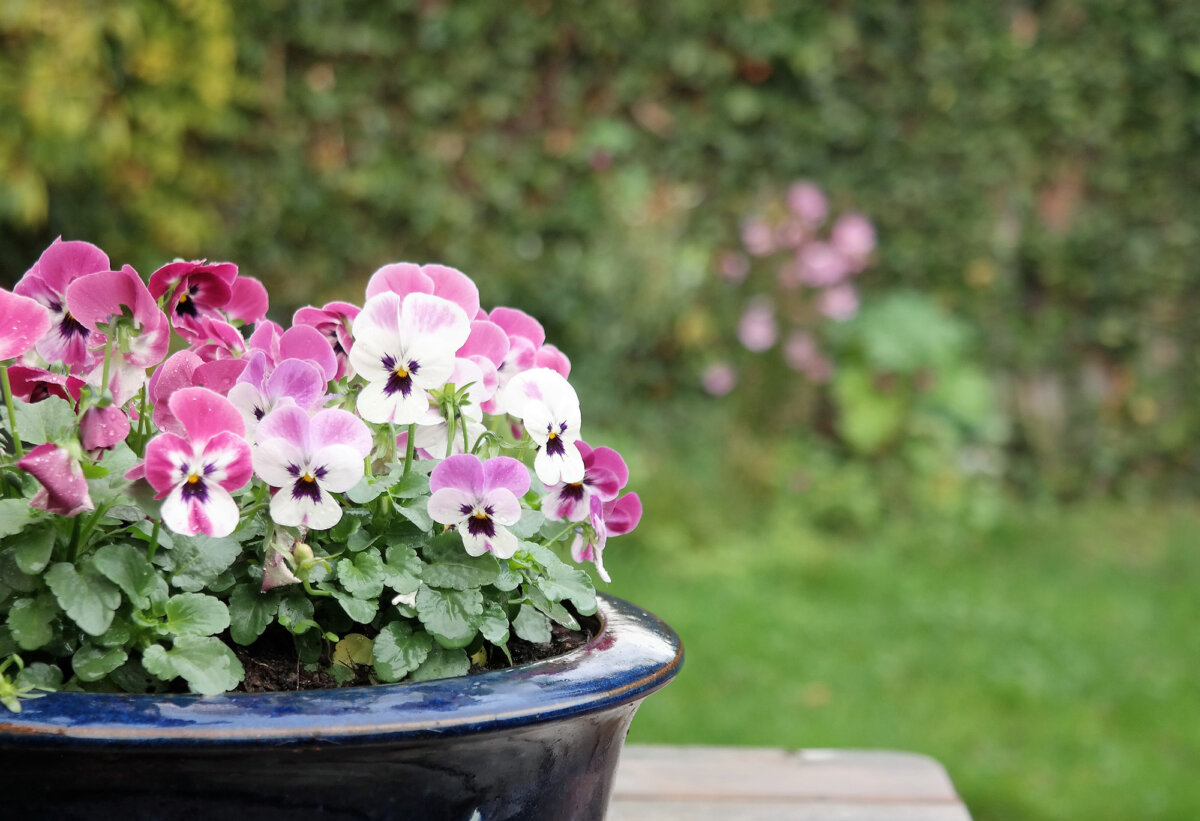
Those same pansies and violas that liven up the cool months of spring will thrive in this season as well, even through some light freezes. They prefer full sun, but in warmer climates they can grow in part shade. Unlike many fall flowers, pansies and violas prefer consistently moist, well-drained soil.
Some perennial types can be overwintered in the ground (protected with frost cloth, if needed) and divided in the spring, or kept in containers and moved indoors before the real cold begins.
Slightly smaller winter pansies (sometimes marketed as “ice pansies”) will continue to provide cheerful color in freezing temperatures and light snow cover.
Marigolds by Any Name
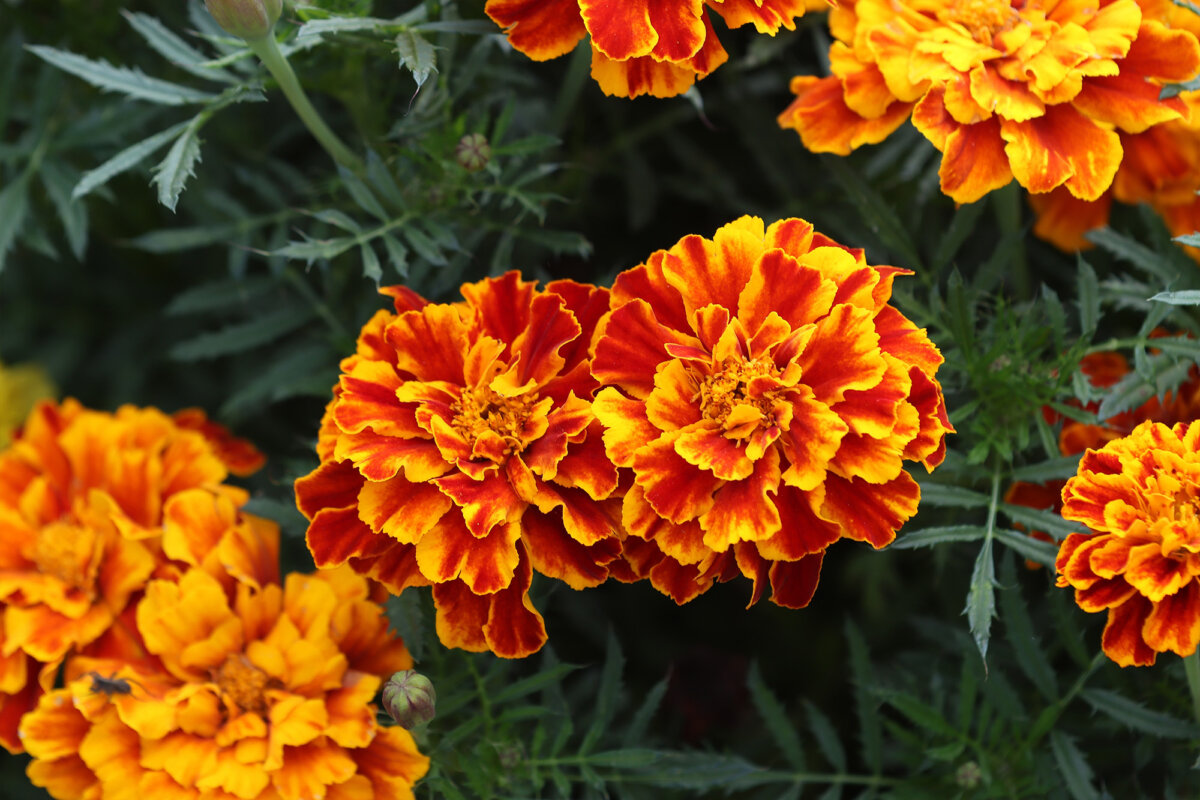
Low-maintenance marigolds are known to tolerate light frost, meaning that their bright yellows and oranges will add a warm color to gardens until the first hard frost arrives. Popular autumn choices include French and signet marigolds, the latter of which has been known to bloom into early winter in mild climates. Allow the last flowers to dry on the plant to harvest, self-seed, or feed wildlife.
Calendula (pot marigold) isn’t a true marigold, but it looks like one. It enjoys cooler temperatures and can survive a light frost, but is not as hardy as its true marigold counterparts. As such, it should perform especially well in regions with mild winters.
Petal Power
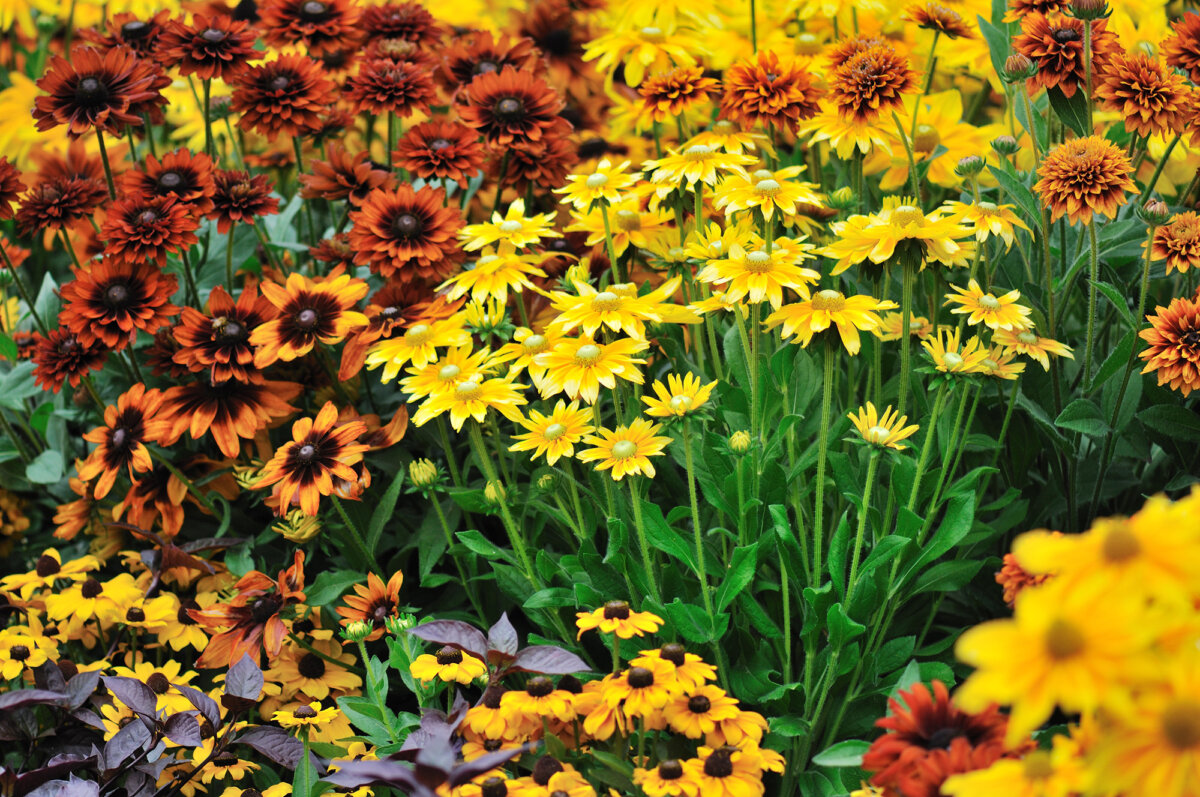
With their very similar large petals and seed-filled centers, it’s no surprise that many gardeners think that black-eyed Susans and coneflowers are the same. However, one belongs to the Rudbeckia genus, while the other belongs to the Echinacea genus.
That said, both follow very similar rules, particularly if you want to grow them as perennials. Plant them at least six weeks before the first frost to allow their roots to establish sufficiently before these perennials go dormant in winter. Larger, established plants can either be trimmed back to four to six inches above the ground after the leaves have turned brown, or left as-is to feed the local wildlife and potentially self-seed.
Albert Camus may have said that autumn is “a second spring where every leaf’s a flower,” but that’s no reason not to plant charming mums, asters, and pansies.
____________________________
Vibrant Palette
Buy some succulent-leafed sedums for instant color. Planting in autumn allows their roots to become established for a big jump-start in spring.
Architectural Triumph
The stately spires of snapdragons with their wavy petals in energetic pinks, purples, reds, yellows, and whites can survive winter but will need minimal protection. They will stop blooming in the coldest months, but don’t worry: They’ll start again in springtime.
Golden Accent
Plant goldenrods after the stressors of summer have passed, and they’ll say thank you with a lush display of sunny flowers. Give them six to eight weeks before the first frost to become well established, and they’ll put on an even bigger show next season.
Unique Specimens
Ornamental kale and cabbage, while technically edible, are typically grown for their good looks, as there are much tastier options in both categories. They can handle frost and even some snow and will last well into winter. In fact, their colors get richer as the temperature drops.
