



The classic children’s book “Love You Forever” by Robert Munsch contains a verse that mothers have recited to their little ones since the story’s 1986 debut: “I’ll love you forever/ I’ll like you for always/ As long as I’m living/ My baby you’ll be.”
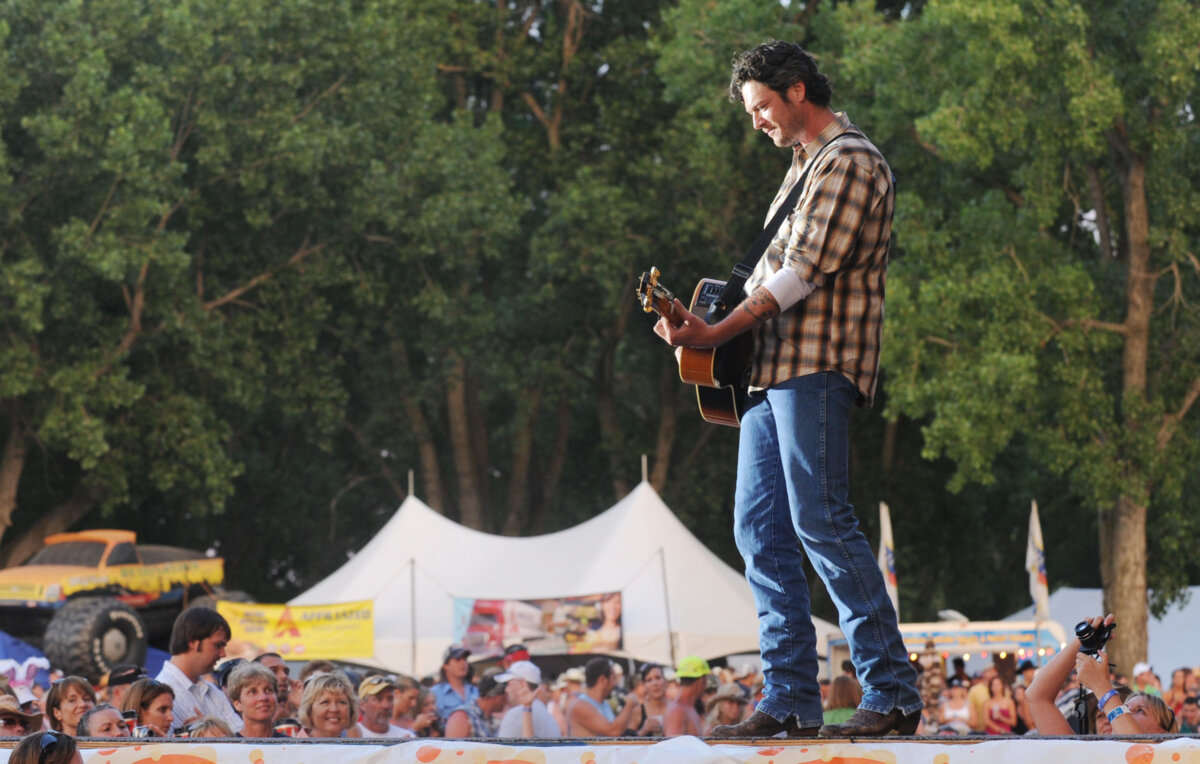
Almost 20 years after the book’s debut, rising country musician Blake Shelton released a heart-tugging song with the same sentiment titled “The Baby.” The Oklahoma native scored his second No. 1 hit with the song after topping charts with his debut single, “Austin,” in the early 2000s.
Despite the success of “The Baby,” he removed it from his setlist—but the song’s powerful lyrical story meant it wouldn’t stay in the shadows forever.
Reviving a Classic
“The Baby” quickly became a signature song for Shelton after its release on his sophomore album, “The Dreamer.” When the country artist stopped playing it live, fans were surprised. Recently, however, the award-winning performer revived the song and explained its long absence.
“The song is just so heavy that sometimes I would do it and look out into the crowd and literally see people crying and running to the bathroom,” Shelton shared in a video featured on the music news site Country Now.
He eventually realized that those tears were cathartic. “I decided to bring it back … because now … 20 years later, since it came out, I realized that it was a mistake to stop doing it back in the day because that’s just the power of country music when a song connects with people.”
The song features the close-knit relationship between a mother and her youngest son, and is told from his perspective as an adult. The meaning behind the title is revealed in the first verse when Shelton sings, “I was the youngest child, so I got by with more.” In the second verse, he relays the mother’s promise: “She said I don’t care if you’re 80, you’ll always be my baby.”
The story concludes with the narrator racing to his mother’s side in her final hours. “The whole way I drove 80, so she could see her baby.” Listeners don’t learn if he arrives in time until the final lines, making the composition a masterclass in country music storytelling.
Unfading Maternal Love
Shelton and his mother, Dorothy Shackleford, are close. Also artistically inclined, Shackleford cowrote the Christmas song “Time for Me to Come Home” with her son, which inspired her to write a novel by the same name.
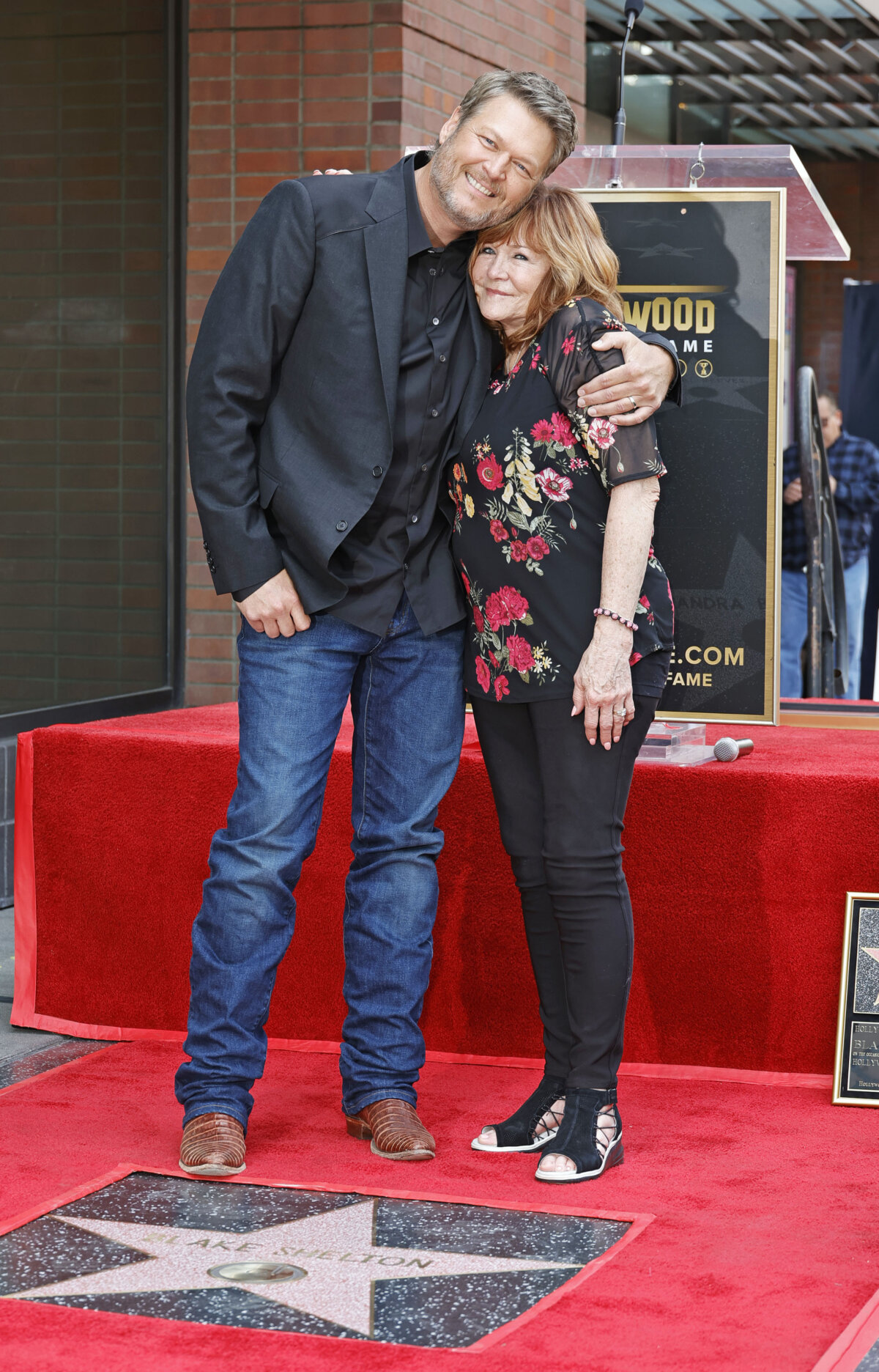
Though Shelton relates to the theme of “The Baby,” songwriter Michael White drew from personal experience while penning the lyrics with the late musician Harley Allen. White, who has written numerous hits, was described by the Altoona Mirror as “a bard who bares his soul.”
“The biggest compliment I get is when someone walks up after a show and says, ‘That song got me through a hard and difficult time,'” White said.
Radio station WYRK calls the critically acclaimed single “a true-blue country ballad” powerful enough to stir a wealth of emotions—a trademark of the genre’s slower compositions. The tune’s staying power mirrors the message at heart: Maternal love never fades, regardless of distance or age.
What arts and culture topics would you like us to cover? Please email ideas or feedback to features@epochtimes.nyc.
