The poet Henry Wadsworth Longfellow helped memorialize a famous midnight horseback ride in his classic poem, “Paul Revere’s Ride.” But there was another Founding Father who also made a dangerous nighttime ride of a much further distance and for, arguably, a more important reason.
Caesar Rodney was a delegate from Delaware who helped tip that state’s tie vote on the vote for independence. Rodney’s fellow delegates, Thomas McKean and George Read, were deadlocked on the vote to break from England; the former voting for and the latter against.
Rodney was not present in Philadelphia when the debate over the Declaration of Independence began on July 1, 1776. He was in Dover, overseeing his duties as brigadier general of his state’s militia. When McKean sent word to Rodney that his vote on independence was urgently needed, he set out shortly before midnight amidst a thunderstorm to ride the 80 miles between Dover and Philadelphia.
Revere rode to warn colonists that the British were coming; Rodney’s ride helped the colonists secure independence from those same British.
The Man of the House
Delaware parish and probate records are incomplete, but historians believe Caesar Jr. was the oldest of at least eight children. Rodney’s father, Caesar Sr., died when his firstborn was still a teenager. As the new man of the house young Rodney assumed management of Byfield, a more than 800-acre family plantation in Kent County, Delaware. The farm produced enough wheat and barley for the family to be prosperous members of the community, and Rodney gained valuable experience in surveying, farming, and estate management.
Managing an estate the size of Byfield in a remote location taught young Rodney self-sufficiency and autonomy. When his mother died around 1763, he gained full ownership of the plantation and other properties.
Rodney received two to three years of formal education at the Latin School in Philadelphia before his formal studies ended upon his father’s death. At that point he had to quit to take over managing the plantation as a teenager. He educated himself in law and history by reading books about the Enlightenment. These helped shape his governing philosophy in later years. He also applied himself by studying county records and legal precedents that helped shape his governing philosophy in later years.
In 1755, at age 27, he was named the high sheriff of Kent County, where he supervised elections, selected grand jurors for tax assessments, executed court orders, and collected debts. He served in that position through 1758 and held various state and national public offices for the remainder of his life.
In the 1750s, he also began a long career in the military. He served as a captain in the Dover Hundred Company during the French and Indian War, though his unit was not called into service. In 1777, during the Revolutionary War, Gen. George Washington appointed Rodney as the commander at Trenton where he was tasked with mobilizing troops to Morristown.
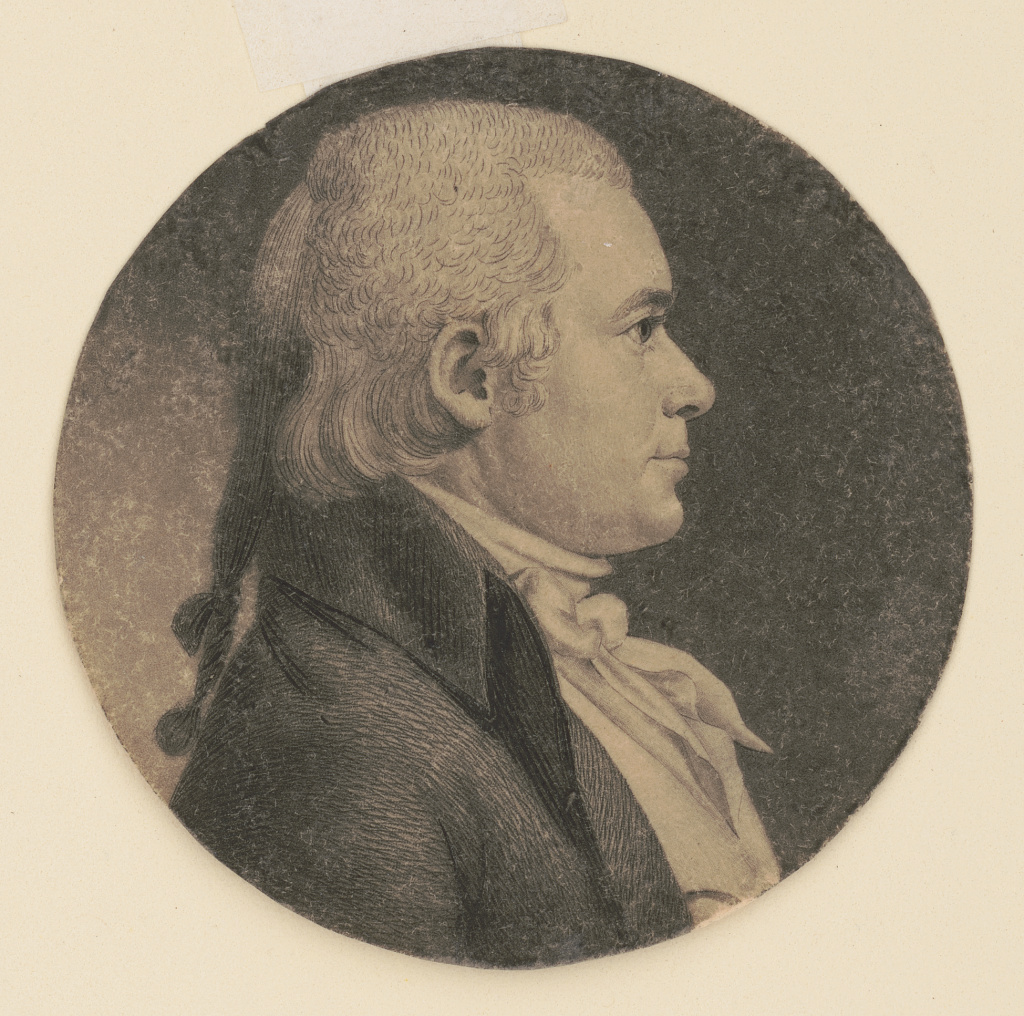
In 1768, Rodney visited a Philadelphia doctor who diagnosed a sore on his nose as cancer. The ensuing surgery left a bone-deep hole in his face that extended from his eye to his nose. From that point forward, whenever appearing in public, Rodney wore a green scarf over his face.
Upon his initial meeting with Rodney during the first Continental Congress, John Adams was quoted as saying in David McCullough’s biography of Adams, “Rodney is the oddest-looking man in the world … slender as a reed, pale; his face not bigger than a large apple. Yet there is sense and fire, spirit, wit and humor in his countenance.” Rodney also suffered from asthma his entire life and gout in his last several years.
A Historic Ride
Despite those ailments, when duty called on July 1, 1776, Rodney mounted his horse shortly before midnight and began the arduous ride through torrential rain, booming thunder, and muddy roads, stopping only to change horses. He arrived in Philadelphia the next afternoon during the last few minutes of the debate on independence, tired and muddy, but resolute in the decision that he knew could result in the British hanging him for treason.
Upon entering Independence Hall, Rodney reportedly said, “As I believe the voice of my constituents and all sensible and honest men is in favor of independence, and as my own judgment concurs with them, I give my vote for independence.”
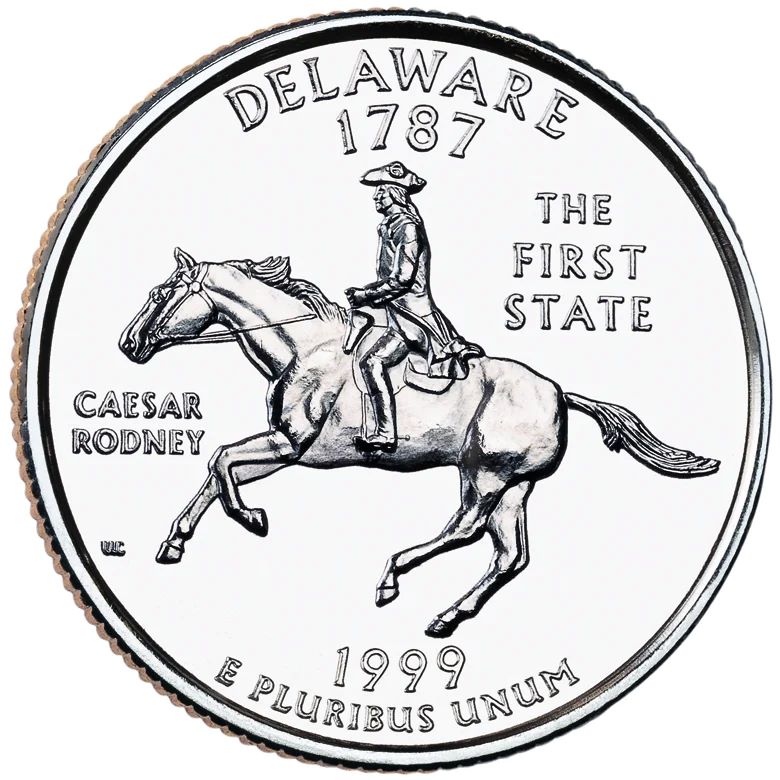
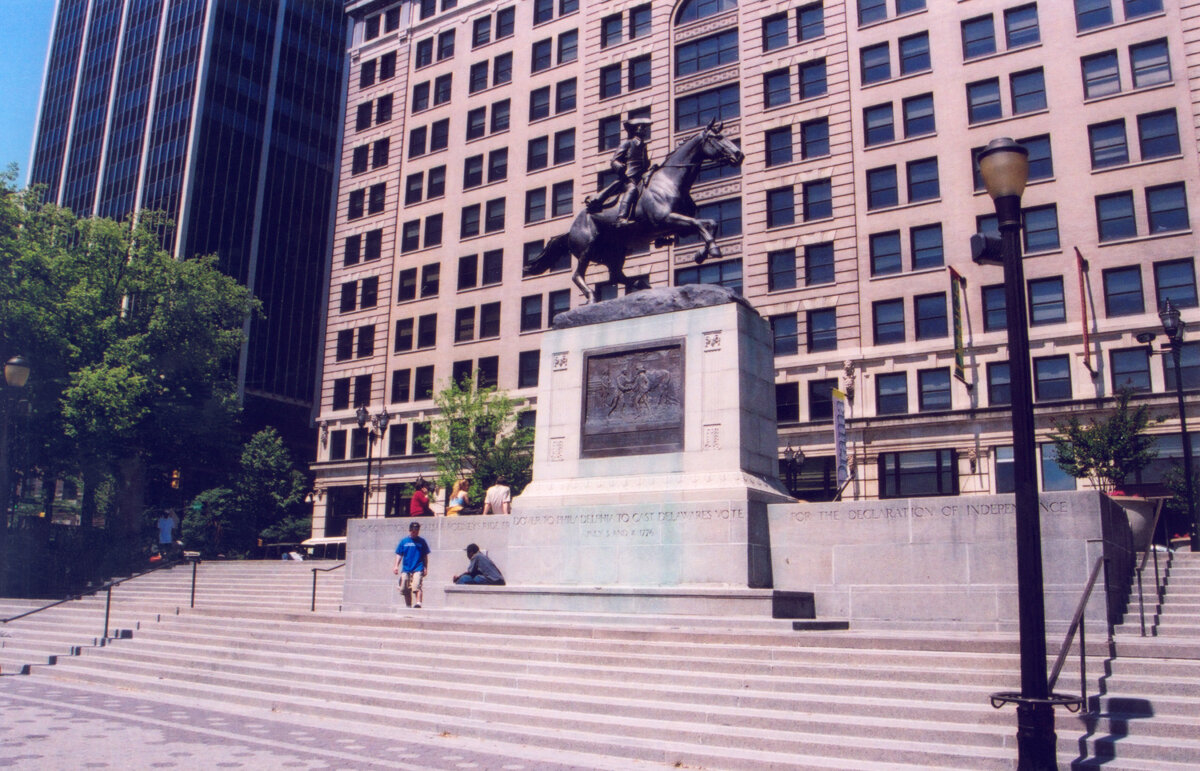
A statue of Rodney riding a horse commemorating his historic ride was erected in Wilmington, Delaware, on Independence Day in 1923. The statue was taken down in 2020 shortly after the George Floyd riots because Rodney used slaves on the Byfield plantation.
On April 25, 2026, the statue found a new home when President Donald Trump’s administration installed it in Washington’s Freedom Plaza near the National Mall and the White House. Secretary of the Interior Doug Burgum said the statue was installed in Washington to celebrate America’s 250th anniversary, adding that President Trump is “committed to celebrating and acknowledging the full breadth of our nation’s history.”
What arts and culture topics would you like us to cover? Please email ideas or feedback to features@epochtimes.nyc.