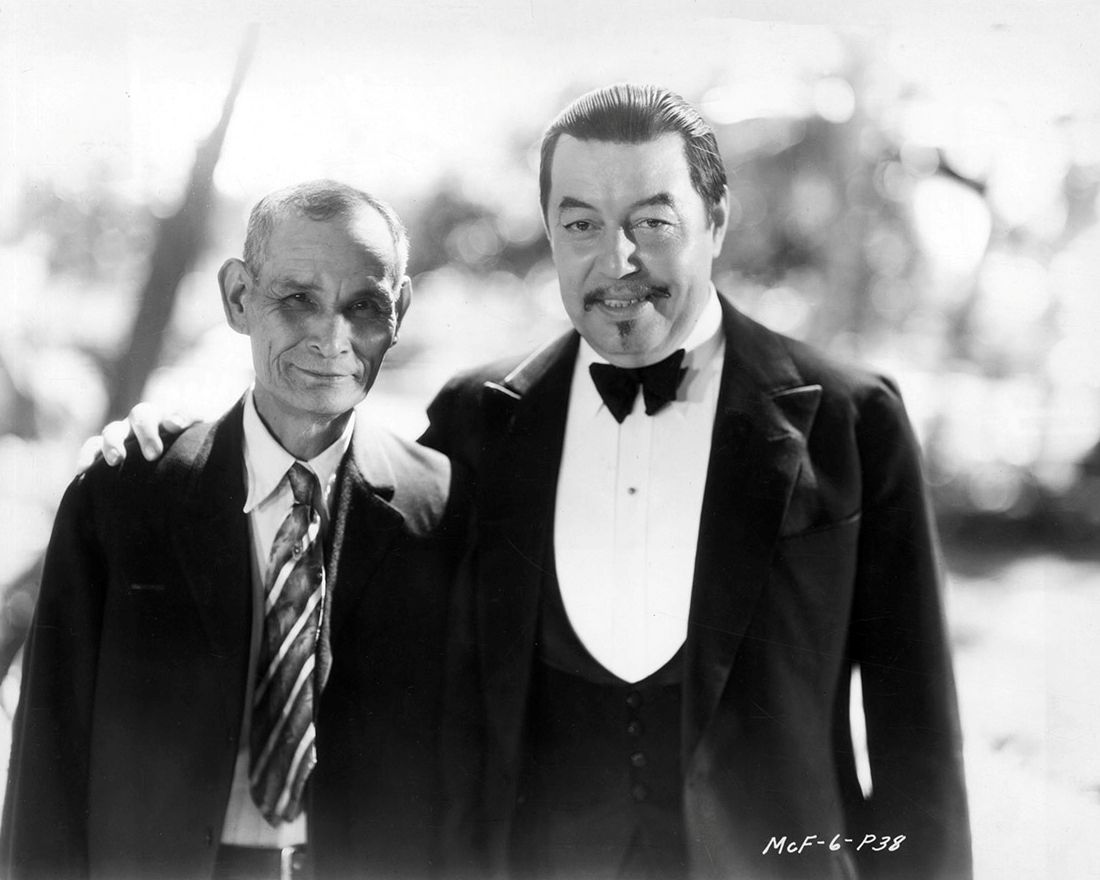
Earl Derr Biggers (1884–1933) was born in Warren, Ohio, and educated at Harvard University, graduating in 1907. He began his career as a journalist and playwright before turning to mystery fiction. As a writer, he created one of the most enduring and beloved detectives in literary history—Charlie Chan.
The inspiration for Chan came to Biggers during a trip to Hawaii in the early 1920s. He encountered newspaper stories about a real Honolulu police detective named Chang Apana, whose bravery and resourcefulness captured his imagination.
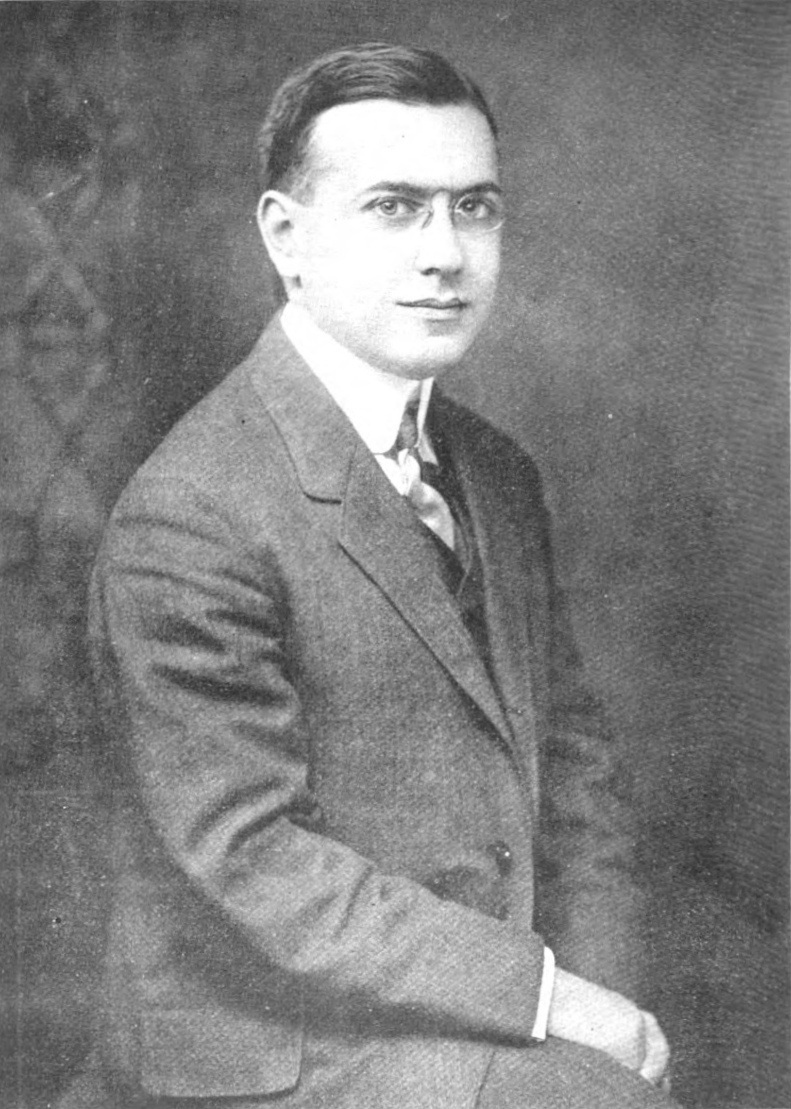
Biggers introduced Chan in “The House Without a Key” (1925). Readers were immediately struck by a detective who solved crimes through thought and patience rather than intimidation or spectacle. Chan was observant, methodical, and well-mannered, a man of reasoning and reflection. His calm composure and quiet moral authority distinguished him from the brash, hardboiled detectives that dominated American crime fiction.
Biggers went on to write five more Chan novels: “The Chinese Parrot” (1926), “Behind That Curtain” (1928), “The Black Camel” (1929), “Charlie Chan Carries On” (1930), and “Keeper of the Keys” (1932). Of these, only “Keeper of the Keys” was never adapted into a film.
Each book combined atmosphere, mystery, and human sociability. Chan’s wry humor and thoughtful sayings—short reflections on life and duty—became a defining feature of Biggers’s writing. The detective’s integrity, humility, and insight made him a literary figure of reassurance and intelligence in an era fascinated by crime and detection.
By the late 1920s, Charlie Chan had found a loyal readership, and Hollywood took notice. The first adaptation, “The House Without a Key” (1926), was a silent serial, followed by “The Chinese Parrot” (1927). Both were modestly received, but the true breakthrough came with the talkie “Charlie Chan Carries On” (1931), starring Swedish-born Warner Oland (1879–1938). Oland’s performance turned Chan into an international success. He went on to portray the detective in 16 films until his death in 1938.
After Oland, actor Sidney Toler (1874–1947) assumed the role, appearing in 22 films through the 1940s, followed by Roland Winters (1904–1989) in six more. In total, around 40 Charlie Chan films were produced between the early 1930s and late 1940s, a remarkable achievement for any fictional detective.
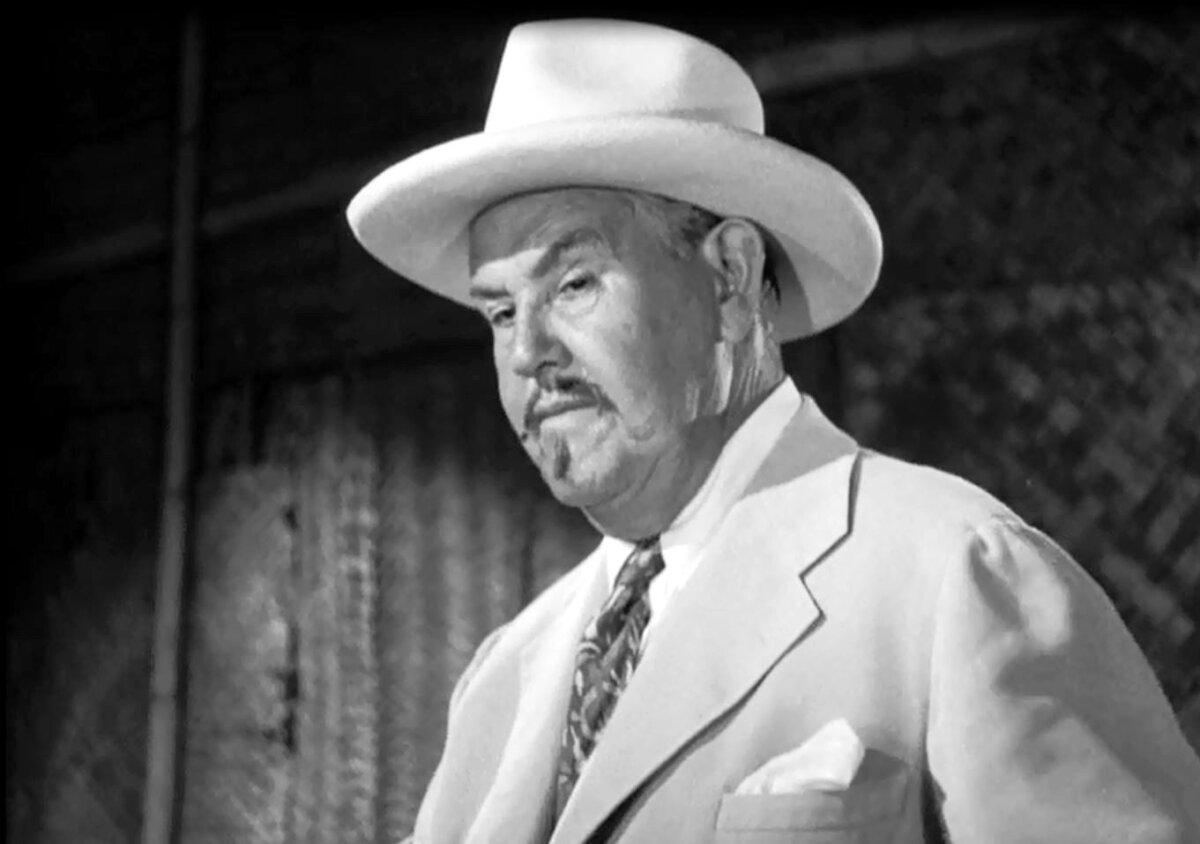
Some of fans’ most popular titles included “Charlie Chan in Egypt” (1935), “Charlie Chan at the Opera” (1936), “Charlie Chan in Honolulu” (1938), and “Charlie Chan in Reno” (1939). The series also spawned radio shows, comic strips, and later television adaptations, ensuring Chan’s presence across multiple generations of audiences.
The success of the films broadened Biggers’s original creation far beyond the novels. Though many writers and directors contributed to the Chan universe, the essential qualities of the detective—intelligence, civility, and moral steadiness—remained intact.
Audiences admired Chan’s unflappable calm and his commitment to reason over brute force. His family devotion, often referenced humorously in the films, and his respect for fairness and truth gave him a distinctly human touch rare in crime entertainment of the time.
Chang Apana
Behind the fictional Chan stood a real-life figure whose courage shaped the legend: Detective Chang Apana (1871–1933) of the Honolulu Police Department. Born in 1871 in Oahu to Chinese immigrant parents, Apana worked as a cowboy before joining the police force in 1898.
Over the next three decades, he became a fixture of Honolulu law enforcement, known for his fearlessness, street knowledge, and his signature bullwhip, which he carried instead of a firearm. In “Charlie Chan: The Untold Story of the Honorable Detective and His Rendezvous With American History,” Yuante Huang writes that Apana would take on a room full of villains, and anyone who attempted to grab for his whip would be tossed out of the window.
Biggers most likely read these accounts during his Hawaiian visit around 1920. While there is no record of direct collaboration between the two men during the creation of the novels, Biggers later acknowledged Apana as a source of inspiration.
However, the connection between the real-life detective and Biggers’s fictional character was a bit limited. Apana was a wiry, fast-moving detective who often worked in Honolulu’s roughest districts, while Chan was a fictionalized creation—urbane, reflective, and philosophical. The resemblance was in spirit more than in detail. Both men relied on intelligence, persistence, and composure to bring order from turmoil.
Apana reportedly met some of the filmmakers who adapted Biggers’s work. During the 1930s, he was occasionally invited to movie sets when productions came to Hawaii. Local papers delighted in the link between the modest island detective and the world-famous character said to have been modeled after him.
Biggers died in Pasadena, California, in 1933 at the age of 48, just eight years after introducing Charlie Chan to the public. Though his writing career was brief, his influence proved lasting. He helped to expand the detective genre with a hero defined by decency rather than cynicism, and intellect rather than violence.
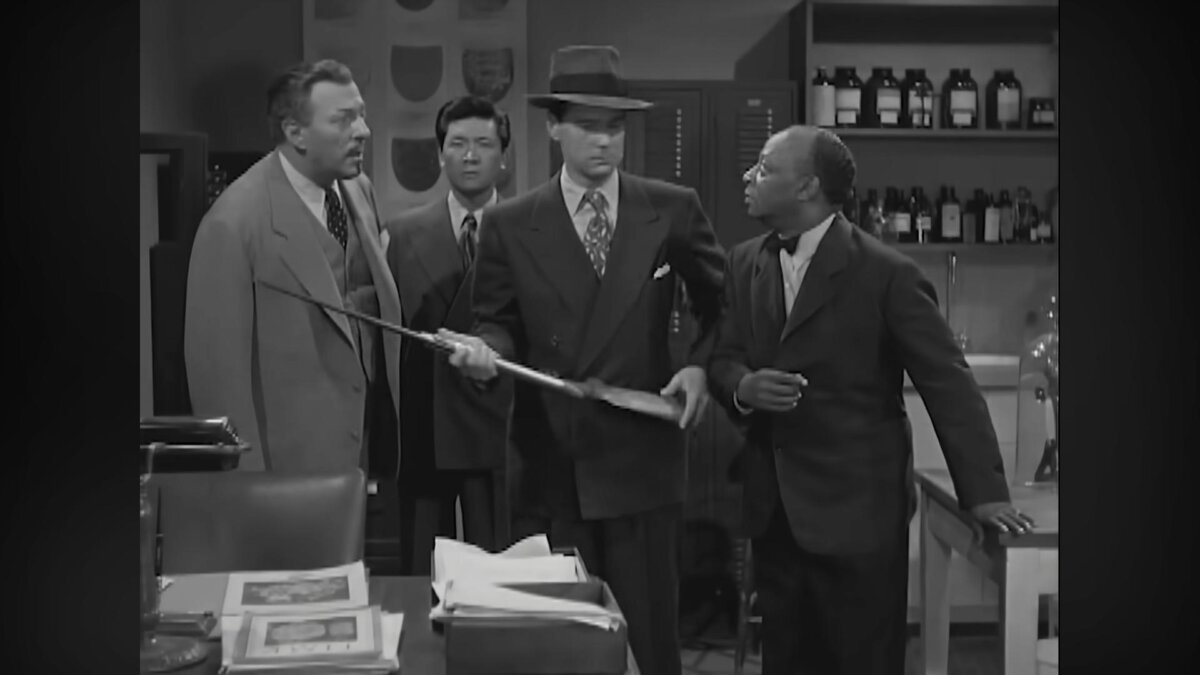
The appeal of Charlie Chan endures because he embodies timeless virtues. He listens more than he speaks, acts only after considering the facts, and remains calm in the face of deceit or danger. His wisdom is gentle but firm; his humor, understated yet compassionate.
Through six novels and roughly 40 films, Charlie Chan became not only a fixture of popular culture but also a lasting symbol of intellect and integrity. The partnership of Biggers’s imagination and Apana’s real-life valor gave birth to a character whose moral clarity still resonates today.
Earl Derr Biggers and Charlie Chan remain forever linked, one the craftsman who gave the world a new kind of detective, the other his enduring emblem of thoughtfulness and justice.
What arts and culture topics would you like us to cover? Please email ideas or feedback to features@epochtimes.nyc